How to Clean Outdoor Tile?
- Sinotiles
- 2026-06-15

Outdoor tiles can lose their beauty fast. Dirt, mold, stains, and weather exposure can make even high-quality tiles look old and neglected.
The best way to clean outdoor tile is to remove loose debris, wash the surface with a suitable cleaner, scrub problem areas, rinse thoroughly, and follow a regular maintenance schedule to prevent deep staining and surface damage.
Many property owners focus on indoor cleaning but forget that outdoor tiles face much harsher conditions every day. Rain, dust, mud, leaves, sunlight, and foot traffic all affect tile appearance. Over the years, working with different tile applications has shown that proper cleaning not only improves appearance but also helps extend tile life. The following guide explains the most important steps, tools, and cleaning methods for maintaining outdoor tiles.
What Removes Dirt from Exterior Tiles?
Outdoor tiles often collect dirt slowly. Many people do not notice the buildup until the surface starts looking dull, stained, or uneven in color.
The most effective way to remove dirt from exterior tiles is to combine sweeping, water rinsing, gentle scrubbing, and a tile-safe cleaning solution that matches the type of dirt being removed.

The first step is always dry cleaning. Loose dust, leaves, sand, and debris should be removed before water is applied. This simple step prevents dirt from spreading across the tile surface during washing.
Common Sources of Dirt
Outdoor tile surfaces face many types of contamination. Different dirt sources may require different cleaning approaches.
| Dirt Type | Common Source | Recommended Cleaning Method |
|---|---|---|
| Dust | Wind and traffic | Sweeping and water rinse |
| Mud | Rain and soil | Scrubbing with mild detergent |
| Algae | Damp areas | Outdoor tile cleaner |
| Mold | Shaded spaces | Anti-mold cleaner |
| Grease | BBQ and outdoor kitchens | Degreasing solution |
| Leaf stains | Trees and plants | Tile-safe stain remover |
Many outdoor spaces contain more than one type of stain at the same time. For example, a patio near a garden may have mud, algae, and leaf stains together.
Simple Cleaning Process
A basic cleaning routine often produces excellent results:
- Sweep the entire surface.
- Remove large debris.
- Wet the tiles with clean water.
- Apply a suitable cleaner.
- Scrub with a soft or medium-bristle brush.
- Allow the cleaner to work for several minutes.
- Rinse thoroughly.
This process works well for glazed porcelain tiles, polished outdoor tiles, textured surfaces, and many anti-slip products.
Why Dirt Builds Up
Many people assume dirt stays on the surface. In reality, outdoor dirt often settles into textured areas, grout joints, and microscopic surface pores. This is especially true in areas with frequent rainfall or heavy foot traffic.
When dirt remains for a long time, it can become harder to remove. Algae and mold may also begin growing in damp locations. Regular cleaning prevents these problems from becoming permanent stains.
One project I remember involved an outdoor courtyard that had not been cleaned for more than a year. The owner believed the tiles had permanently changed color. After a proper cleaning process with a suitable outdoor cleaner and thorough scrubbing, the original tile appearance returned. The issue was not tile damage. It was simply accumulated dirt.
For this reason, early cleaning is usually easier, faster, and less expensive than deep restoration work later.
How Often Should Outdoor Tiles Be Cleaned?
Outdoor tiles remain exposed to weather every day. Even durable materials can look dirty if maintenance is ignored for long periods.
Most outdoor tile surfaces should be cleaned lightly every week and washed more thoroughly every one to three months, depending on climate, traffic levels, and surrounding conditions.
The ideal cleaning schedule depends on location. A residential patio may require less maintenance than a commercial entrance or pool deck.
Factors That Affect Cleaning Frequency
Several conditions influence how often outdoor tiles should be cleaned:
Climate
Areas with heavy rain often experience algae growth. Dry regions usually accumulate more dust and sand.
Traffic
High-traffic areas collect dirt faster. Commercial projects often need more frequent maintenance than residential spaces.
Nearby Landscaping
Trees, grass, and flower beds can contribute leaves, pollen, mud, and organic stains.
Tile Surface Type
Textured anti-slip tiles may trap more dirt than smoother surfaces.
Recommended Cleaning Schedule
| Area Type | Light Cleaning | Deep Cleaning |
|---|---|---|
| Residential patio | Weekly | Every 2–3 months |
| Balcony | Weekly | Every 2 months |
| Garden pathway | Weekly | Monthly |
| Pool surround | Several times per week | Monthly |
| Commercial entrance | Daily or weekly | Monthly |
A maintenance schedule provides several advantages.
First, cleaning takes less time. Fresh dirt is easier to remove than old stains.
Second, grout lines remain cleaner. Dirty grout can affect the appearance of an entire installation.
Third, regular maintenance reduces the need for stronger chemicals. Mild cleaners are usually sufficient when cleaning occurs consistently.
Seasonal Considerations
Different seasons create different cleaning challenges.
Spring often brings pollen and plant debris.
Summer may increase grease stains from outdoor cooking and entertainment areas.
Autumn commonly introduces leaf stains and organic matter.
Winter can create mud buildup in many regions.
Because conditions change throughout the year, cleaning schedules should remain flexible.
Long-Term Tile Protection
A common mistake is waiting until tiles appear extremely dirty before cleaning them. This approach often leads to deeper staining and more difficult maintenance.
Over many years in the tile industry, one pattern appears repeatedly. Outdoor installations that receive routine cleaning generally maintain their appearance much longer than surfaces that receive only occasional attention.
The difference is not usually the tile quality alone. It is often the maintenance habit behind it.
A simple monthly wash can help preserve the original color, texture, and visual appeal of outdoor tile surfaces for many years.
Can Pressure Washing Damage Tile Surfaces?
Pressure washing is a popular cleaning method because it removes dirt quickly. However, many property owners wonder whether it can damage their outdoor tiles.
Pressure washing can be safe for many outdoor tiles when used correctly, but excessive pressure, improper angles, or poor technique can damage grout, coatings, and some tile surfaces.
Pressure washers save time. They can remove dirt from large outdoor areas much faster than manual scrubbing. Still, they must be used carefully.
When Pressure Washing Works Well
Pressure washing is often effective for:
- Porcelain outdoor tiles
- Dense ceramic tiles
- Concrete-look outdoor tiles
- Large patios
- Walkways
- Commercial outdoor spaces
These surfaces usually tolerate moderate pressure when proper techniques are followed.
Potential Risks
Many people focus only on cleaning power. They forget that water pressure can be extremely strong.
Problems may include:
Grout Damage
Grout is often more vulnerable than tile itself. High-pressure water can erode grout joints over time.
Surface Wear
Decorative finishes may wear faster if pressure is too high.
Water Penetration
Improper cleaning can force water into small gaps, which may create future installation issues.
Edge Chipping
Direct pressure against tile edges may increase the risk of damage.
Safe Pressure Washing Practices
The following guidelines help reduce risk:
| Practice | Benefit |
|---|---|
| Start with low pressure | Prevents unnecessary damage |
| Test a small area first | Confirms surface suitability |
| Keep nozzle moving | Avoids concentrated force |
| Maintain distance | Reduces impact stress |
| Use correct nozzle | Improves cleaning control |
| Follow manufacturer guidance | Protects tile warranty |
Alternative Cleaning Methods
Pressure washing is not always necessary.
For many outdoor installations, a combination of sweeping, mild detergent, brushing, and rinsing provides excellent results.
This method may take more time, but it reduces the chance of accidental damage.
Choosing the Right Approach
The decision depends on several factors:
- Tile type
- Surface texture
- Age of installation
- Grout condition
- Amount of dirt present
For heavily soiled commercial projects, pressure washing may be the most practical solution.
For residential patios with light dirt buildup, manual cleaning is often sufficient.
One property owner once considered replacing an outdoor tiled area because it looked badly stained. After a professional cleaning process that combined moderate pressure washing and proper detergents, the installation looked almost new again. The key was not maximum pressure. The key was using the correct pressure level for the tile surface.
Pressure washing is a tool. Like any tool, results depend on how it is used.
Which Cleaners Are Safe for Outdoor Use?
Choosing the correct cleaner is one of the most important parts of outdoor tile maintenance. A cleaner that works well on one surface may not be suitable for another.
Safe outdoor tile cleaners are typically pH-neutral or specifically formulated for exterior tile applications, providing effective cleaning without damaging the tile surface or grout.
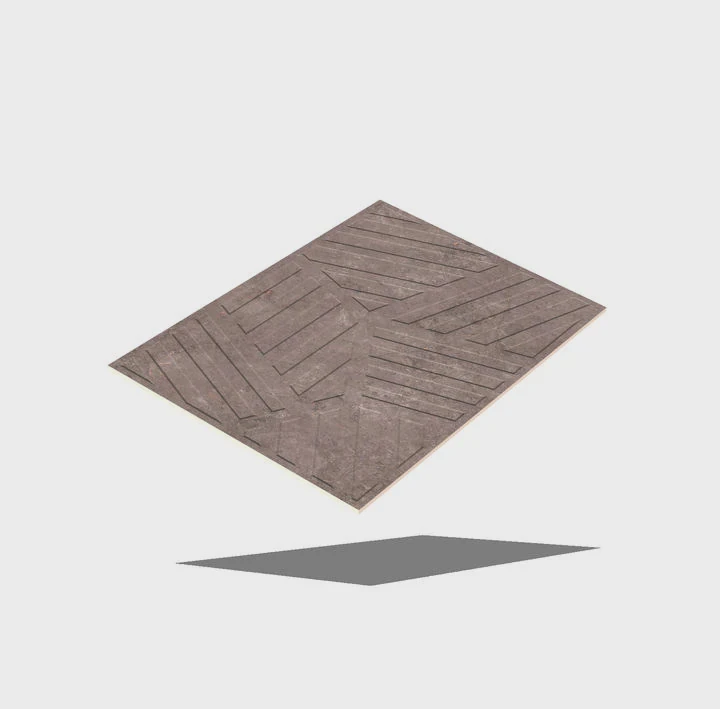
Many cleaning problems happen because people choose products based only on cleaning strength. Stronger is not always better.
Characteristics of Safe Tile Cleaners
A suitable outdoor tile cleaner should:
- Remove dirt effectively
- Protect tile surfaces
- Avoid discoloration
- Preserve grout integrity
- Leave minimal residue
- Be easy to rinse away
Common Cleaner Types
pH-Neutral Cleaners
These are often the safest option for routine maintenance.
They clean effectively while minimizing the risk of surface damage.
Mild Detergent Solutions
Many outdoor areas can be cleaned successfully with diluted household detergents.
Outdoor Tile-Specific Products
Specialized cleaners are designed to address algae, mold, and environmental stains.
Degreasers
These products work well in outdoor kitchens and barbecue areas.
Cleaners to Use Carefully
Certain products may create problems if used incorrectly.
Examples include:
- Strong acidic cleaners
- Undiluted bleach solutions
- Abrasive powders
- Harsh industrial chemicals
These products may affect grout, coatings, or decorative finishes.
Matching Cleaner to Tile Type
Different tiles have different requirements.
Porcelain tiles generally offer excellent stain resistance and are easy to maintain.
Textured anti-slip tiles may require cleaners that penetrate surface textures.
Decorative outdoor surfaces may benefit from gentler products that preserve appearance.
Reading Product Instructions
Many users skip the label instructions. This mistake can reduce cleaning performance or increase the risk of damage.
Always check:
- Recommended dilution ratio
- Contact time
- Surface compatibility
- Rinsing requirements
Preventive Cleaning
The safest cleaner is often the one used before heavy staining develops.
Routine maintenance reduces the need for aggressive chemicals later.
In many outdoor projects, regular cleaning with a mild tile-safe product keeps surfaces looking attractive year-round. Strong chemicals become necessary only when maintenance has been neglected for extended periods.
From a long-term perspective, consistent care usually protects tile appearance better than occasional deep cleaning with harsh products. A balanced approach delivers cleaner surfaces, lower maintenance costs, and a longer service life for outdoor tile installations.
Conclusion
Outdoor tile cleaning does not need to be complicated. Regular maintenance, suitable cleaners, proper washing methods, and careful use of pressure washing equipment help preserve appearance, improve safety, and extend the life of outdoor tile surfaces for many years.