How to Shine Tile Floors?
- Sinotiles
- 2026-06-15
Many tile floors lose their shine over time. Dirt, cleaning mistakes, and daily traffic can make even beautiful tiles look dull and tired.
The best way to shine tile floors is to clean them properly, use products that match the tile type, polish when needed, and protect the surface with suitable sealers. Consistent care helps maintain a bright and attractive finish.
Many homeowners focus only on cleaning. In reality, shine depends on several factors. Product choice, polishing methods, maintenance schedules, and sealing all play important roles. Understanding these factors helps create longer-lasting results and prevents costly mistakes.
What Products Enhance Tile Floor Shine?
A dull tile floor can make an entire room look older than it really is. Many people buy random cleaning products and end up disappointed with the results.
Products that enhance tile floor shine include pH-neutral cleaners, tile polish, gloss enhancers, sealers for suitable tile types, and microfiber maintenance products. The right product depends on the tile material and surface finish.
The first step is understanding that not all tiles react the same way to shine-enhancing products. Ceramic, porcelain, natural stone, and polished tiles each have different surface characteristics.
Common Products Used for Tile Shine
| Product Type | Main Purpose | Best Use Case |
|---|---|---|
| pH-Neutral Cleaner | Removes dirt safely | Daily and weekly cleaning |
| Tile Polish | Adds surface shine | Dull ceramic and porcelain tiles |
| Gloss Enhancer | Improves reflective appearance | Light restoration projects |
| Tile Sealer | Protects and enriches appearance | Suitable porous surfaces |
| Microfiber Maintenance Products | Remove haze and dust | Routine maintenance |
Many people believe stronger chemicals create better shine. My experience has shown the opposite. Harsh chemicals often leave residue or damage protective layers. A simple pH-neutral cleaner usually produces better long-term results.
Why Cleaning Comes Before Polishing
A floor covered with dirt cannot reflect light properly. Even the most expensive polish cannot work well on a dirty surface.
Before applying any shine-enhancing product, I always recommend:
- Sweeping loose dirt.
- Vacuuming grout lines.
- Washing with a neutral cleaner.
- Allowing the floor to dry completely.
This process removes the layer that often causes dullness.
Understanding Product Labels
Many products advertise “high gloss” or “instant shine.” These claims can be misleading. Some products create temporary shine by leaving a coating on the surface. The floor may look good for a few days, but dirt sticks to the coating quickly.
When choosing a product, I usually look for:
- Non-abrasive formulas
- Residue-free performance
- Compatibility with tile type
- Easy maintenance requirements
Matching Products to Tile Types
Porcelain tiles often need little more than proper cleaning. Ceramic tiles may benefit from specialized polish. Natural stone usually requires products designed specifically for stone surfaces.
Using the wrong product creates problems. Wax-based products can build up over time. Thick coatings may trap dirt and create uneven shine.
A careful product selection process saves money and reduces maintenance work. The brightest floors are rarely the result of a single miracle product. Instead, they come from consistent cleaning and using products that support the natural beauty of the tile surface.
Can Polishing Damage Tile Surfaces?
Many people want a glossy floor. At the same time, they worry about causing damage during the polishing process. This concern is reasonable because not all polishing methods are safe.
Polishing can damage tile surfaces when incorrect products, abrasive pads, excessive pressure, or unsuitable polishing machines are used. Safe polishing depends on matching the method to the tile material.
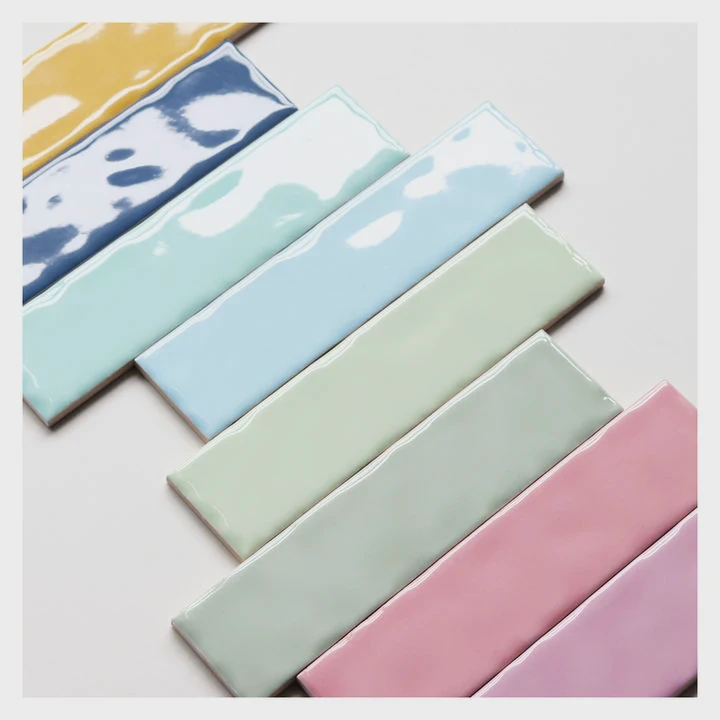
Polishing is often misunderstood. Some homeowners assume more polishing always creates more shine. In reality, excessive polishing can wear down protective layers or alter the surface texture.
How Damage Happens
The most common source of damage is abrasion. Rough polishing compounds can scratch certain tile surfaces. Once scratches appear, the floor may actually look less shiny because light scatters across the damaged area.
Common mistakes include:
- Using steel wool
- Applying industrial polishing compounds
- Running machines at excessive speed
- Polishing without cleaning first
Each mistake increases surface stress.
Different Tile Types React Differently
Porcelain tiles are generally durable. Many polished porcelain products already have a finished surface and require minimal polishing.
Ceramic tiles can be more vulnerable if aggressive methods are used.
Natural stone surfaces often require specialized restoration systems because their composition differs greatly from manufactured tile products.
Warning Signs of Over-Polishing
Several indicators suggest the floor is being polished too aggressively:
- Fine scratches become visible.
- Shine appears uneven.
- Surface texture changes.
- Tile edges begin looking worn.
- Gloss decreases rather than improves.
These signs should never be ignored.
Safe Polishing Practices
A safer approach focuses on restoration rather than aggressive polishing.
I usually recommend:
- Testing products on a small area.
- Following manufacturer guidelines.
- Using soft pads.
- Avoiding excessive pressure.
- Stopping immediately if scratches appear.
The Role of Maintenance
Many floors do not actually need polishing. Regular maintenance often restores appearance without any mechanical treatment.
Dust, soap residue, and hard water deposits frequently create the illusion of wear. Once these contaminants are removed, the original shine often returns.
For this reason, I view polishing as a specialized maintenance tool rather than a routine requirement. When performed correctly, polishing can improve appearance. When performed incorrectly, it can create permanent surface issues that are expensive to repair.
Understanding the tile material and using conservative methods greatly reduces the risk of damage while helping preserve the floor’s original beauty.
How Often Should Tiles Be Polished?
Some homeowners polish too frequently. Others wait many years before taking any action. Both approaches can create problems.
Most residential tile floors require polishing only occasionally, while regular cleaning should be performed much more often. The ideal polishing schedule depends on tile type, traffic levels, and desired appearance.
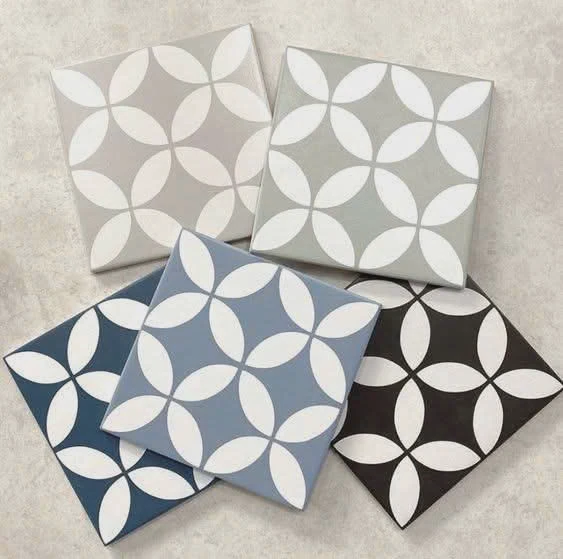
The idea that tile floors need frequent polishing comes from practices used on other flooring materials. Tiles generally have strong, durable surfaces that maintain their appearance with proper care.
Factors That Influence Polishing Frequency
Several factors determine how often polishing may be necessary:
- Amount of foot traffic
- Type of tile
- Presence of pets
- Cleaning habits
- Exposure to dirt and sand
- Indoor or outdoor location
A busy commercial lobby experiences very different wear compared to a residential guest room.
General Maintenance Schedule
| Maintenance Task | Suggested Frequency |
|---|---|
| Sweeping | Daily or as needed |
| Vacuuming | Weekly |
| Damp Mopping | Weekly |
| Deep Cleaning | Every 1–3 months |
| Professional Assessment | Yearly |
| Polishing | Only when appearance declines |
This schedule helps prevent unnecessary wear.
Why Over-Polishing Is a Problem
Many people assume polishing is harmless. However, every surface treatment affects the floor to some degree.
Frequent polishing may:
- Increase maintenance costs
- Create uneven appearance
- Build product residue
- Reduce surface consistency
For this reason, I prefer evaluating the floor’s condition before deciding whether polishing is necessary.
Signs That Polishing May Be Needed
A floor may benefit from polishing when:
- Cleaning no longer restores brightness.
- Reflection appears noticeably reduced.
- Surface haze remains after washing.
- Traffic patterns become visible.
These signs suggest that deeper restoration may help.
Cleaning Versus Polishing
One lesson I have learned over the years is that cleaning solves most appearance issues. Dirt accumulation often masks the original finish.
A thorough deep cleaning frequently delivers results that homeowners expect from polishing.
This approach has several benefits:
- Lower maintenance cost
- Less risk of damage
- Faster completion
- Better long-term floor health
Creating a Long-Term Plan
Every property has unique conditions. High-traffic areas near entrances may require more attention than bedrooms or storage spaces.
Instead of following a fixed calendar, I prefer monitoring actual floor condition. This method reduces unnecessary work and ensures that polishing occurs only when the floor truly needs it.
The goal is not to polish as often as possible. The goal is to preserve appearance while protecting the surface. A balanced maintenance plan achieves both objectives and keeps tile floors looking bright for many years.
Does Sealing Improve Tile Gloss Appearance?
Many property owners hear about sealers and immediately assume they create a glossy finish. The reality is more nuanced than that.
Sealing can improve tile gloss appearance on suitable surfaces by enhancing color depth, reducing surface absorption, and protecting the finish. However, not all tile types require sealing, and results vary by material.
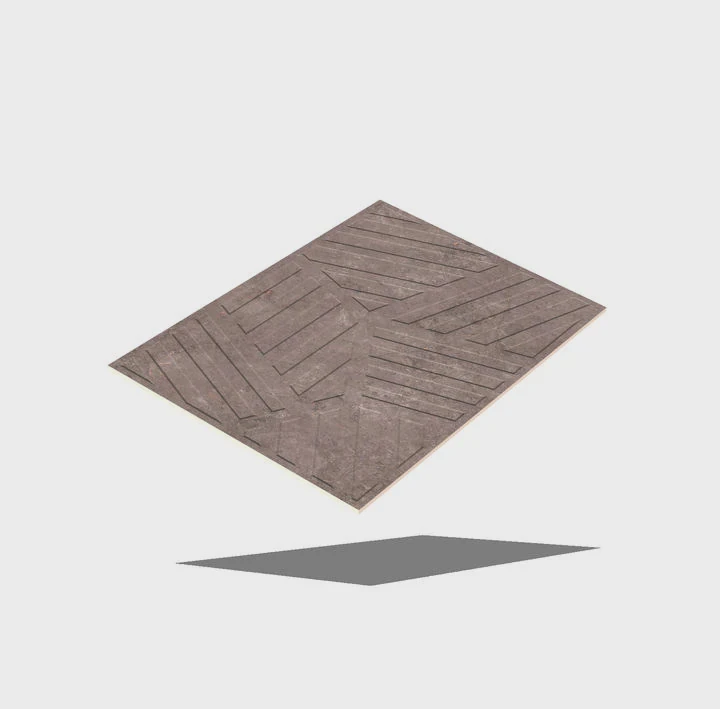
Sealers are protective treatments. Their primary purpose is not to create shine. Their main role is to help preserve the appearance and performance of the surface.
How Sealers Affect Appearance
Certain sealers enrich the visual depth of a surface. Colors may appear richer, and light reflection may become more noticeable.
This effect often creates the impression of greater gloss.
Benefits may include:
- Improved color richness
- Better stain resistance
- Easier cleaning
- Longer-lasting appearance
Understanding Tile Porosity
The effectiveness of sealing depends heavily on porosity.
Dense porcelain tiles often absorb very little moisture. Many of these products do not require sealing.
More porous materials may benefit significantly from protection.
Types of Sealers
There are generally two broad categories:
Penetrating Sealers
These products move into the surface and provide protection from within.
Advantages include:
- Natural appearance
- Low maintenance
- Good protection
Enhancing Sealers
These products deepen color and may increase visual richness.
Advantages include:
- Enhanced appearance
- Improved color depth
- Additional protection
Common Misunderstandings
One common mistake is expecting a sealer to behave like a floor polish.
A sealer does not necessarily create a mirror-like finish. Its primary value comes from preserving surface quality and making maintenance easier.
Another mistake is applying multiple layers without understanding the manufacturer’s recommendations. Excessive application can cause haze or uneven appearance.
Long-Term Benefits of Sealing
A well-chosen sealer helps maintain floor appearance because contaminants remain closer to the surface instead of penetrating deeply.
As a result:
- Cleaning becomes easier.
- Staining risk decreases.
- Surface appearance remains more consistent.
- Shine retention improves over time.
When Sealing Makes Sense
Sealing is often worth considering when:
- The tile surface is porous.
- The area receives heavy use.
- Moisture exposure is frequent.
- Long-term appearance matters.
In many cases, the gloss improvement is indirect. The sealer protects the surface, and that protection helps preserve the floor’s original shine.
For this reason, I see sealing as part of a complete maintenance strategy rather than a standalone shine solution. When combined with proper cleaning and occasional restoration, sealing helps tile floors maintain an attractive and well-cared-for appearance for many years.
Conclusion
Shiny tile floors depend on more than polish alone. Proper cleaning, suitable products, careful polishing practices, and appropriate sealing work together to preserve appearance. A consistent maintenance routine protects the surface and helps tiles stay bright, clean, and attractive over the long term.