How to clean porcelain tile floors after installation?
- Sinotiles
- 2026-08-17
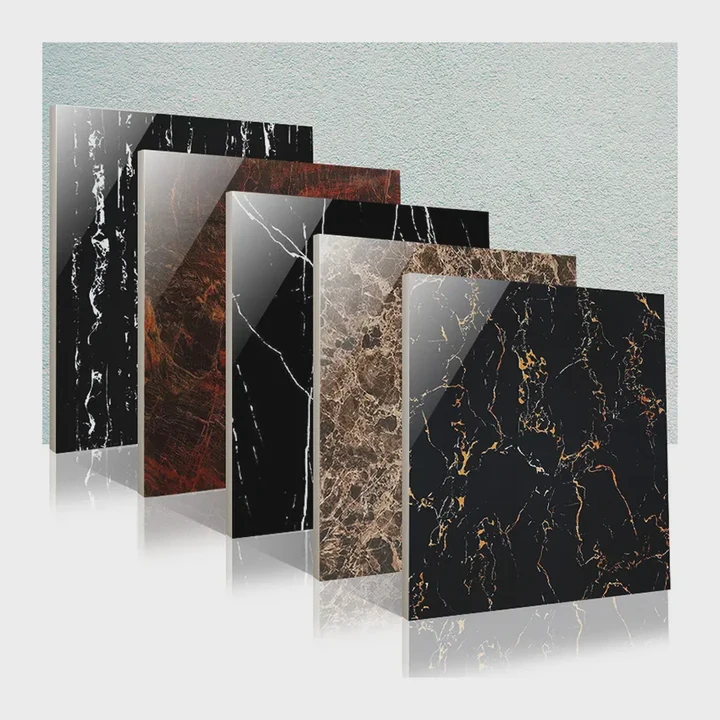
New porcelain tile floors can completely change the look of a space. However, dust, grout haze, and construction residue can make the surface look dull after installation.
Cleaning porcelain tile floors after installation requires safe cleaners, gentle methods, and proper timing to remove residue without damaging the new surface.
After installing porcelain tiles, I always pay attention to the first cleaning process. The first cleaning is different from regular floor maintenance because the surface may still have cement dust, adhesive marks, and grout residue. A careful cleaning method helps protect the tile finish and keeps the floor looking new for a longer time.
What cleaners are safe for new porcelain tiles?
Choosing the right cleaner is important because new porcelain tiles need gentle care after installation. The wrong product can leave marks, reduce shine, or damage the surface protection.
Safe cleaners for new porcelain tiles include pH-neutral tile cleaners, mild soap solutions, and products designed specifically for porcelain surfaces.
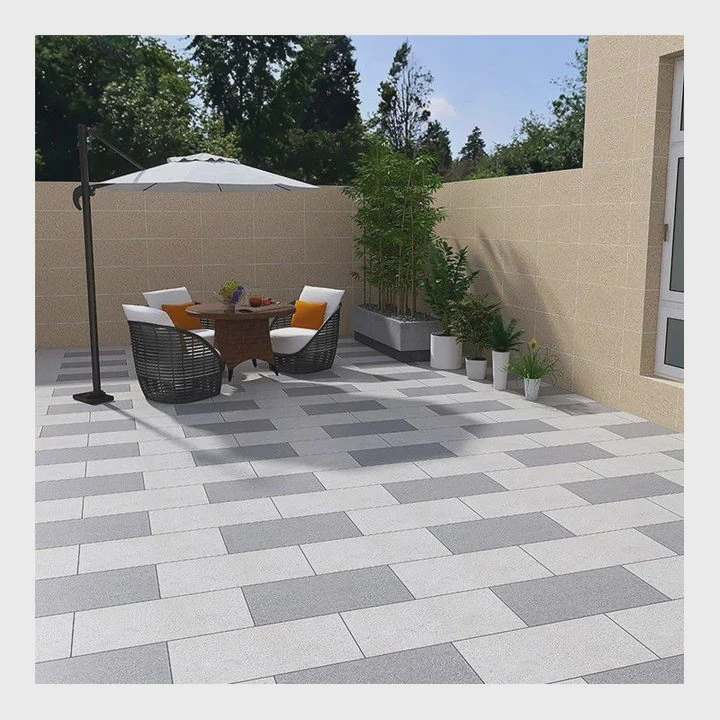
When I clean newly installed porcelain tiles, I usually avoid strong products at the beginning. The goal is to remove dirt and residue while keeping the original surface quality.
Porcelain tiles are known for their low water absorption and strong surface performance. However, this does not mean every cleaning chemical is suitable. Some products contain acids or strong ingredients that may affect the tile surface or grout lines.
Recommended cleaners for porcelain tiles
| Cleaner type | Suitable use | Main advantage |
|---|---|---|
| pH-neutral tile cleaner | Regular cleaning | Safe for porcelain surfaces |
| Warm water and mild soap | Light dirt removal | Simple and gentle |
| Porcelain tile cleaner | Post-installation cleaning | Designed for tile surfaces |
| Soft cleaning solution | Daily maintenance | Reduces surface risk |
A soft microfiber mop is also important. Rough brushes can create small scratches or remove the smooth feeling of polished porcelain tiles.
How I choose a cleaner for new tiles
I first check the tile finish. Polished porcelain tiles, matte porcelain tiles, and textured tiles may need different cleaning methods.
For polished surfaces, I prefer solutions that do not leave cloudy marks. For textured surfaces, I focus more on removing dirt from small surface patterns.
I also test cleaning products on a small hidden area before using them across the whole floor. This simple step helps prevent unexpected reactions.
Why simple cleaners often work better
Many people believe stronger chemicals create better cleaning results. In reality, new porcelain tile floors usually need careful cleaning instead of aggressive treatment.
A gentle cleaner can remove normal installation dust and surface dirt without creating new problems. Good cleaning is about using the right method, not the strongest product.
How do you remove construction residue from tiles?
Construction residue is one of the most common problems after porcelain tile installation. Cement dust, grout haze, and adhesive marks can affect the final appearance of the floor.
Construction residue can be removed by using suitable tile cleaners, soft tools, and careful cleaning steps that protect the porcelain surface.
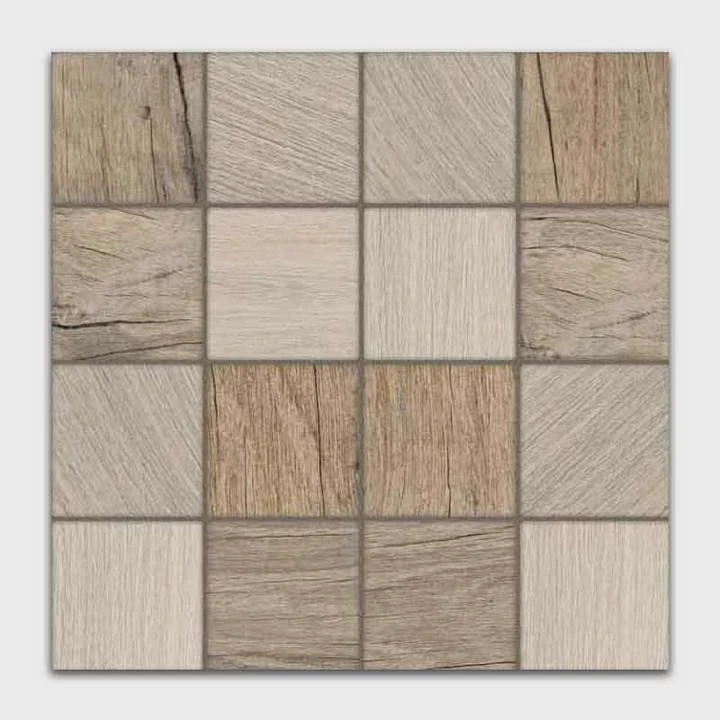
After installation, I often see floors that look different from expected because a thin layer of construction residue covers the tile surface. This layer can make porcelain tiles appear cloudy or dirty.
The cleaning process should start with identifying the type of residue. Different materials need different solutions.
Common construction residues after installation
| Residue type | Cleaning approach |
|---|---|
| Cement dust | Sweep and mop carefully |
| Grout haze | Use suitable grout haze remover |
| Adhesive marks | Use tile-safe adhesive cleaner |
| Fine dirt | Use neutral cleaner and water |
The first step is removing loose dust. I avoid adding water immediately because wet dust can become harder to remove. Dry sweeping or vacuuming helps remove loose particles.
After that, I use clean water and a suitable cleaner to remove remaining residue. I usually change the water frequently because dirty water can spread residue back onto the floor.
Removing grout haze carefully
Grout haze is a common issue after tile installation. It appears as a cloudy layer on the tile surface after grout work.
The correct removal method depends on the grout type and tile condition. Some haze can be removed with gentle cleaning, while stronger cases may require special products.
I always follow product instructions because overusing grout cleaners can affect grout lines and nearby materials.
Avoiding damage during residue removal
One common mistake is using metal tools or rough materials to scrape the floor. These tools may create scratches or damage the tile edges.
I prefer slow and controlled cleaning. A little extra time during the first cleaning can protect the floor quality for many years.
The purpose of construction residue removal is not only making the floor look clean. It also prepares the surface for future maintenance and allows the true tile color and texture to appear.
Why avoid harsh chemicals on fresh tile floors?
Freshly installed porcelain tile floors need special attention. Harsh chemicals may create problems that are difficult to repair later.
Harsh chemicals should be avoided on fresh porcelain tile floors because they can damage finishes, weaken grout areas, and create unwanted surface changes.
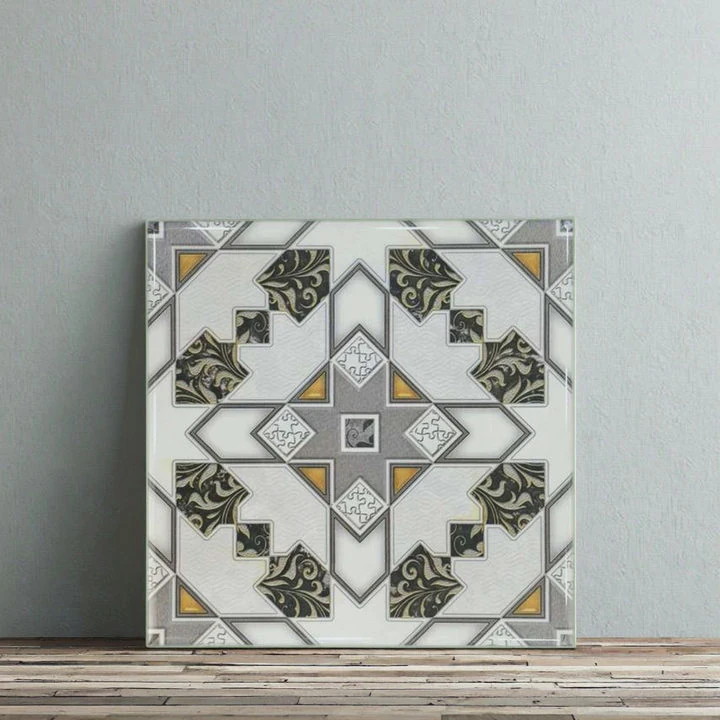
When I work with new porcelain floors, I always think about long-term protection. A new floor is a major investment, and aggressive cleaning products can reduce its quality.
Some strong cleaners contain acids, bleach, or abrasive ingredients. These products may remove dirt quickly, but they can also create surface problems.
Possible effects of harsh chemicals
| Chemical problem | Possible result |
|---|---|
| Acid-based cleaners | May affect grout and finishes |
| Strong bleach products | May change surface appearance |
| Abrasive powders | May create small scratches |
| Incorrect cleaners | May leave unwanted residue |
The grout area is especially important. While porcelain tiles are highly durable, grout can be more sensitive. Strong chemicals may weaken grout performance over time.
Why new floors need gentle treatment
After installation, the materials around the tile are still settling. Adhesives and grout need proper time to fully perform.
Using harsh chemicals too early may create unnecessary risks. A careful cleaning process supports better long-term results.
I believe cleaning should protect the floor, not only remove dirt. A beautiful porcelain floor should maintain its original appearance after months and years of use.
Building good cleaning habits
The first cleaning creates a foundation for future maintenance. If the floor starts with proper care, regular cleaning becomes easier.
I recommend using simple methods first. A clean microfiber mop, suitable cleaner, and regular maintenance schedule can usually handle daily needs.
Strong chemicals should be the last option, not the first choice.
When should initial cleaning be performed?
Timing is an important part of porcelain tile floor care. Cleaning too early or too late can create different problems.
Initial cleaning should be performed after installation materials have properly set and after construction work creates no more dust or residue.
The exact cleaning time depends on the installation process, grout type, adhesive, and project conditions. I usually check whether the floor is ready instead of following only a fixed schedule.
Cleaning too early may affect grout or adhesive performance. Waiting too long may allow residue to become harder to remove.
Factors that affect cleaning timing
| Factor | Why it matters |
|---|---|
| Grout condition | Needs enough time to set |
| Adhesive curing | Supports tile stability |
| Construction progress | Prevents new dirt buildup |
| Room conditions | Affects drying speed |
Before the first cleaning, I make sure other construction activities are finished. There is little value in cleaning a floor while workers are still creating dust and debris.
Steps before initial cleaning
I first inspect the entire floor. I check for visible residue, stains, and areas that need extra attention.
Then I remove loose dust and prepare cleaning tools. This makes the cleaning process more efficient.
Why the first cleaning matters
The first cleaning is more than a simple maintenance task. It reveals the real appearance of the porcelain tile surface.
Many tiles look different after installation because residue hides their true color and texture. Proper cleaning allows the design, finish, and quality of the tile to become visible.
A good first cleaning also creates a better starting point for future care. When the floor begins with a clean and protected surface, regular maintenance becomes easier.
I always treat initial cleaning as an important part of the installation process. It helps protect the tile investment and supports a better final result.
Conclusion
Cleaning porcelain tile floors after installation requires safe products, careful methods, and correct timing. Proper cleaning removes residue, protects surfaces, and helps new tiles maintain their beauty.