How to Clean Saltillo Tile?
- Sinotiles
- 2026-08-17
Saltillo tile brings warm color and natural beauty to many homes. However, dirt, stains, and wrong cleaning products can slowly damage its surface.
Saltillo tile should be cleaned with gentle methods, such as pH-neutral cleaners, soft tools, and regular maintenance. Proper sealing also helps protect the porous tile from stains, moisture, and daily wear.
Many homeowners love Saltillo tile because it creates a traditional and handmade look. But this natural clay tile needs more care than many modern flooring materials. The surface can absorb liquids quickly, and strong chemicals may change its color or finish. Understanding the right cleaning process helps keep the tile beautiful for many years.
What cleaning methods protect saltillo tile surfaces?

Saltillo tile surfaces stay protected when homeowners use gentle cleaning methods. Soft tools, mild cleaners, and regular care help prevent scratches, stains, and surface damage.
Saltillo tile is a handmade terracotta product with a naturally porous structure. This means the tile can absorb water, oil, dirt, and other materials if the surface does not have enough protection. When I explain Saltillo tile care, I always focus on prevention because removing deep stains later is much harder than maintaining the surface from the beginning.
The first step in cleaning Saltillo tile is removing loose dust and dirt. Small particles can act like sand when people walk across the floor. A soft broom, microfiber dust mop, or vacuum without a hard brush attachment can remove these particles safely. This simple habit reduces small scratches and keeps the surface smoother.
After removing dry dirt, homeowners can use warm water with a suitable tile cleaner. A pH-neutral cleaner is usually the safest choice because it cleans without attacking the natural finish. Strong acidic products and strong alkaline products may change the appearance of the clay surface.
Recommended cleaning approach for Saltillo tile
| Cleaning step | Recommended method | Reason |
|---|---|---|
| Remove dust | Use a soft broom or microfiber mop | Prevents surface scratches |
| Daily cleaning | Use warm water and mild cleaner | Keeps dirt from building up |
| Remove stains | Use gentle spot cleaning | Protects the natural finish |
| Dry the floor | Use a clean towel or dry mop | Reduces moisture absorption |
I also recommend avoiding rough scrubbers. Steel wool, hard brushes, and abrasive powders can remove protective layers and create uneven areas on the tile surface. Saltillo tile has a natural handmade appearance, but unnecessary damage can make the floor look old and dirty.
Another important point is controlling water during cleaning. Many people think more water means better cleaning, but Saltillo tile does not work this way. Because the tile is porous, extra water can enter the material and create problems such as discoloration, mineral marks, or moisture damage.
Common mistakes during Saltillo tile cleaning
Many cleaning problems happen because people treat Saltillo tile like ceramic or porcelain tile. These materials often have a harder and less absorbent surface. Saltillo tile needs a different approach.
| Wrong cleaning habit | Possible result |
|---|---|
| Using bleach often | May change tile color |
| Using vinegar frequently | May affect finishes |
| Leaving water on the surface | May create stains |
| Scrubbing aggressively | May damage protective layers |
A good cleaning routine does not need to be complicated. The key is choosing safe products and using consistent care. When Saltillo tile receives proper attention, it can maintain its warm appearance and natural character for decades.
How often should saltillo tiles be sealed?
Saltillo tiles usually need sealing every few years, but the exact timing depends on traffic, location, and the type of sealer used.
Saltillo tile sealing is an important part of long-term maintenance because the natural clay surface can absorb liquids easily. Unlike many factory-finished tiles, Saltillo tile often needs additional protection after installation. The sealer creates a protective layer that helps reduce water absorption, stains, and daily damage.
The sealing schedule depends on where the tile is installed. A Saltillo floor in a busy commercial area may need more frequent sealing than a floor in a quiet bedroom. Outdoor areas may also require more attention because sunlight, rain, and temperature changes can affect the protective coating.
Factors that influence sealing frequency
Several conditions can change how often Saltillo tile needs resealing:
- Foot traffic level
- Indoor or outdoor installation
- Type of sealer
- Cleaning habits
- Exposure to moisture
- Local climate conditions
For many residential applications, resealing every two to five years is a common range. However, homeowners should not only follow a fixed calendar. They should also check the condition of the tile.
A simple water test can help. If water drops quickly absorb into the tile instead of staying on the surface, the protective layer may become weaker. This usually means the tile needs attention.
Signs that Saltillo tile needs resealing
A tile surface may need resealing when:
- The color looks faded
- Water absorbs quickly
- New stains appear easily
- The surface becomes harder to clean
- The finish looks uneven
The type of sealer also matters. Some sealers create a natural matte look, while others provide a stronger shine. The best choice depends on the design goal and the expected use of the space.
I often suggest that buyers and homeowners think about sealing as protection, not only decoration. A good sealer helps maintain the original beauty of Saltillo tile while reducing future cleaning problems.
Why is sealing important for saltillo tiles?
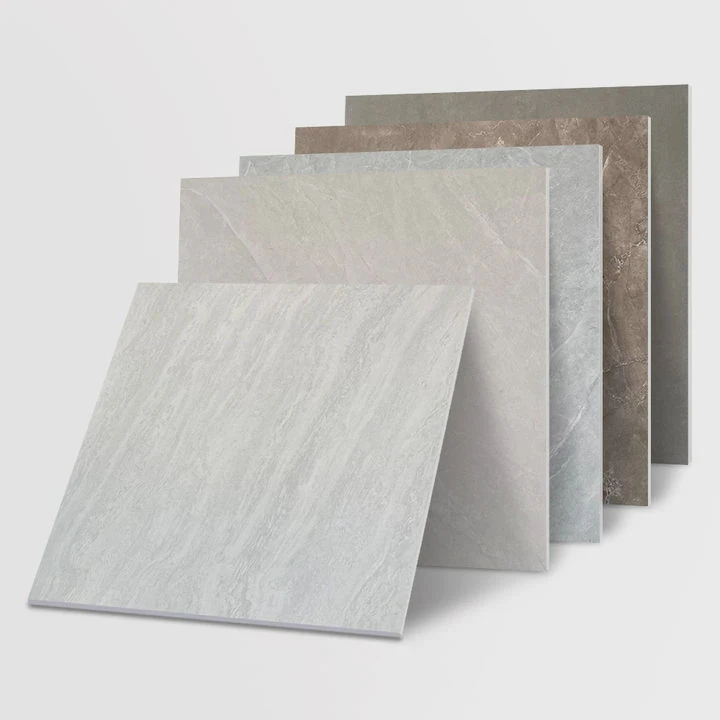
Sealing is important because Saltillo tile is naturally porous. A quality sealer reduces absorption, protects the surface, and helps the tile stay cleaner and stronger.
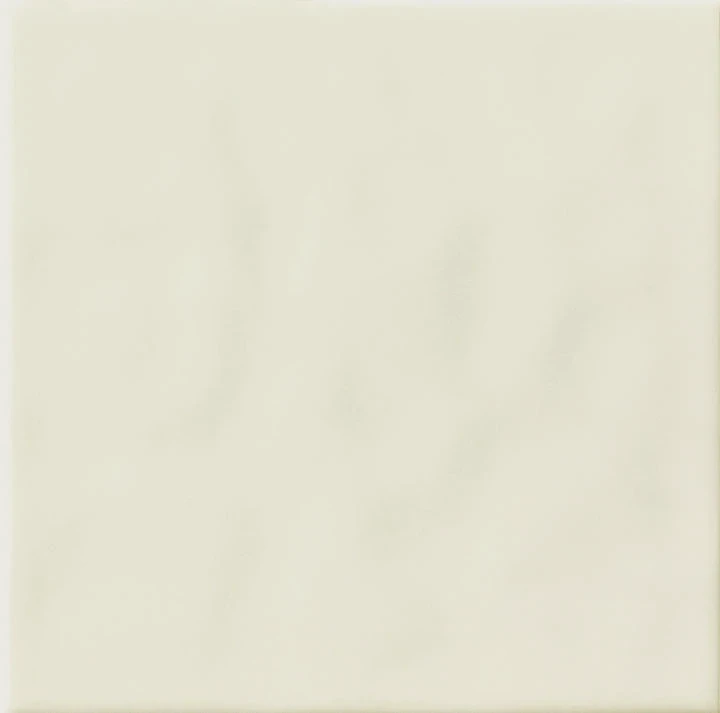
Saltillo tile has a unique handmade look because it is made from natural clay. This feature creates warmth and character, but it also creates a challenge. The open structure of the clay allows liquids and dirt to enter the surface. Without proper protection, the tile can become difficult to maintain.
Sealing creates a barrier between the tile and outside elements. This barrier does not completely change the natural character of Saltillo tile. Instead, it helps the tile handle daily use more effectively.
Main benefits of sealing Saltillo tile
| Benefit | How sealing helps |
|---|---|
| Stain resistance | Prevents liquids from entering quickly |
| Easier cleaning | Keeps dirt closer to the surface |
| Better appearance | Maintains color and finish |
| Longer lifespan | Reduces surface damage |
A sealed Saltillo floor is usually easier to clean because dirt stays on the surface instead of becoming deeply absorbed. This is especially useful in kitchens, entrances, restaurants, and commercial spaces where spills happen often.
Sealing also helps protect against moisture. When water enters unprotected clay tile, it may leave marks or create uneven coloring. In areas with high humidity or frequent cleaning, sealing becomes even more important.
Sealing and design value
Many people choose Saltillo tile because they want a natural and traditional style. A good sealer can improve this appearance by highlighting the warm tones of the clay. Some sealers create a soft natural finish, while others create a richer color effect.
However, choosing the wrong product can create problems. A low-quality sealer may peel, become cloudy, or change the appearance of the tile. This is why selecting the correct product and applying it properly matters.
When I look at Saltillo tile projects, I see sealing as part of the complete flooring system. The tile, installation method, cleaning routine, and sealer all work together. Good results come from treating the floor as a long-term investment instead of a simple decoration choice.
Can vinegar damage saltillo tile finishes?
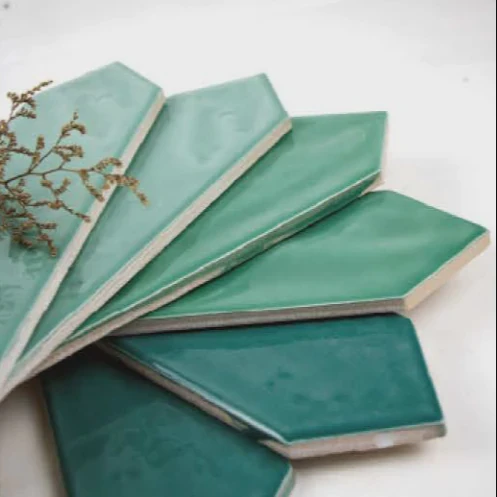
Vinegar can damage Saltillo tile finishes because its acidity may weaken protective sealers and affect the natural surface over time.
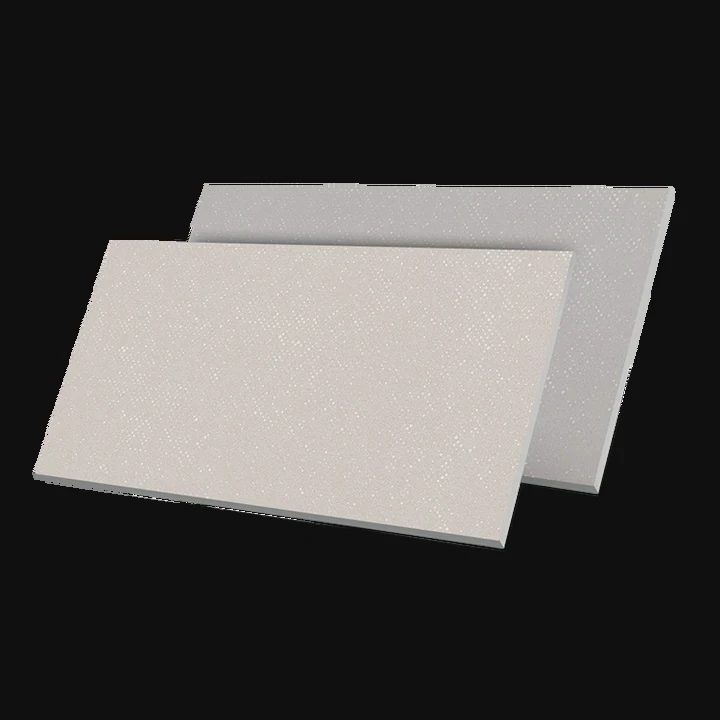
Many homeowners use vinegar because it is a common natural cleaning solution. Vinegar works well for some household surfaces, but it is not always suitable for Saltillo tile. The main concern is its acidity.
Saltillo tile often depends on a protective sealer to prevent stains and moisture absorption. Acidic cleaners, including vinegar solutions, may slowly weaken this protective layer. When the sealer becomes damaged, the tile becomes more vulnerable to dirt, water marks, and discoloration.
This does not mean that one small use of diluted vinegar will immediately destroy a Saltillo floor. The problem usually comes from repeated use over time. Regular exposure can reduce the strength of the finish and create a dull appearance.
Safer alternatives to vinegar
Instead of vinegar, homeowners can choose:
- pH-neutral tile cleaners
- Mild soap solutions
- Products designed for natural stone or clay tile
- Warm water with soft cleaning tools
The cleaning product should match the material. Saltillo tile is different from glass, metal, or standard ceramic surfaces. A product that works well somewhere else may not be safe for this type of tile.
Why gentle care creates better results
The goal of Saltillo tile cleaning is not aggressive stain removal. The goal is keeping the surface balanced and protected. Strong chemicals may remove dirt quickly, but they can also remove the protection that keeps the tile beautiful.
A gentle cleaning routine combined with proper sealing creates better long-term results. This approach helps maintain the natural color, texture, and handmade feeling that makes Saltillo tile special.
When customers ask about Saltillo tile maintenance, I always recommend thinking about long-term value. A careful cleaning habit today can prevent expensive repairs and replacement work in the future.
Conclusion
Saltillo tile stays beautiful when it receives gentle cleaning, regular sealing, and careful product choices. Proper maintenance protects its natural look and helps the tile provide lasting value for many years.