How to Clean Rust Off Tile?
- Sinotiles
- 2026-05-06
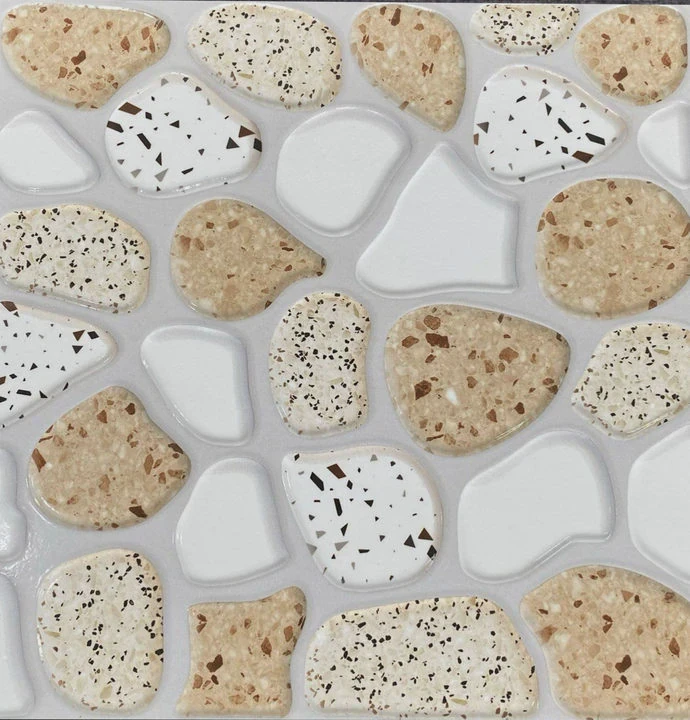
Rust stains on tile can make a clean floor look old and dirty. Many people scrub too hard or use the wrong cleaner. That often damages the tile before the rust disappears.
The best way to clean rust off tile is to use the right rust remover, test the cleaner first, and scrub gently with safe tools. Mild acidic cleaners often work well without harming the tile surface.
Rust stains can appear in bathrooms, kitchens, balconies, warehouses, and commercial projects. In many export markets, clients ask about stain resistance before placing large tile orders. Proper cleaning methods help tiles stay attractive for years. That matters for homeowners, contractors, and tile distributors alike.
What Cleaners Remove Rust Stains From Tile?
Rust stains are difficult because iron particles sink into the tile surface over time. Normal soap and water usually cannot remove them. The cleaner must break down the rust safely.
Rust removers with oxalic acid, citric acid, or mild commercial tile cleaners can remove rust stains effectively. The safest option depends on the tile type and stain depth.

Many people start with strong chemicals immediately. That creates another problem. Harsh products can fade glossy finishes or damage grout joints. A safer process works better in most cases.
Common Cleaners Used for Rust Removal
Different tile surfaces react differently to cleaning chemicals. Porcelain tile is usually more resistant than natural stone. Polished surfaces also need more care.
| Cleaner Type | Best For | Risk Level | Notes |
|---|---|---|---|
| Baking soda paste | Light rust stains | Low | Safe for most tiles |
| White vinegar | Mild stains | Medium | Avoid on marble |
| Lemon juice | Fresh rust spots | Low | Natural acidic cleaner |
| Oxalic acid cleaner | Deep rust stains | Medium | Strong but effective |
| Commercial rust remover | Heavy stains | High | Test before use |
Why Mild Cleaners Often Work Better
In many projects, aggressive cleaning creates more damage than the rust itself. A polished tile may lose shine after exposure to harsh acid. That becomes a bigger issue than the stain.
A gradual cleaning method usually gives better results:
- Remove loose dirt first
- Apply mild cleaner
- Wait several minutes
- Scrub gently
- Rinse fully
- Repeat if necessary
This process reduces surface stress on the tile.
Commercial Cleaners vs Homemade Solutions
Commercial rust removers work faster. They are useful for contractors handling large projects or warehouses. Still, homemade solutions are often enough for residential spaces.
A simple mix of baking soda and water can clean small stains. Vinegar also works well on porcelain tiles. Some contractors prefer lemon juice because it is weaker and easier to control.
Tile Type Matters
Not every tile reacts the same way.
Porcelain Tile
Porcelain is dense and has low water absorption. It handles mild acidic cleaners well.
Ceramic Tile
Ceramic tile is usually safe with common rust removers. Still, glazed finishes should not face long acid exposure.
Natural Stone Tile
Stone surfaces like marble or travertine can etch easily. Acidic cleaners may leave dull marks permanently.
Many international buyers now prefer porcelain tile partly because it resists staining and cleaning damage better than softer materials. That matters in hotels, malls, and residential projects with heavy foot traffic.
How Do You Avoid Damaging Tile Surfaces During Cleaning?
Many rust stains can disappear, but damaged tile surfaces are harder to repair. Scratches, dull spots, and grout erosion often come from incorrect cleaning methods.
To avoid damaging tile surfaces, use non-abrasive tools, avoid harsh chemicals, test cleaners first, and never scrub aggressively on polished finishes.
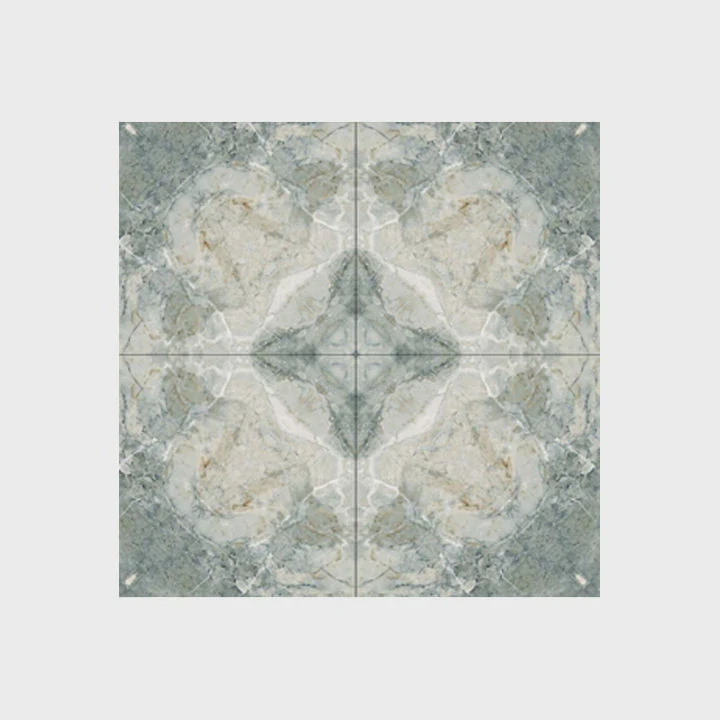
People often believe stronger pressure means faster cleaning. In reality, excessive force can scratch tile glaze or weaken grout lines.
The Biggest Cleaning Mistakes
Several common mistakes appear repeatedly in construction and renovation projects.
| Mistake | Result |
|---|---|
| Using steel wool | Surface scratches |
| Leaving acid too long | Fading or etching |
| Mixing chemicals | Dangerous reactions |
| Scrubbing dry tile | Abrasion marks |
| Ignoring grout protection | Weak grout joints |
Why Surface Finish Changes the Cleaning Method
Tile finishes vary widely. A matte tile behaves differently from a polished surface.
Polished Tiles
Polished tiles reflect light well but scratch more easily. Soft cloths and microfiber pads work best.
Matte Tiles
Matte surfaces hide scratches better. They usually tolerate slightly stronger scrubbing.
Textured Tiles
Textured surfaces trap rust particles deeper in grooves. A soft brush helps reach those areas safely.
Testing Before Full Cleaning
Professional cleaners often test a small hidden area first. That prevents expensive mistakes on large installations.
A simple test includes:
- Apply cleaner to a corner
- Wait 3–5 minutes
- Wipe clean
- Check for discoloration
- Continue only if safe
This process becomes even more important in commercial projects with large-format tiles.
Water Temperature Also Matters
Hot water can improve cleaning performance. It helps loosen dirt and activate cleaners faster. Still, extremely hot water may weaken certain sealers.
Warm water is usually the safest option.
Grout Protection Is Important
Rust often spreads into grout joints. Many people focus only on the tile surface and forget the grout.
Grout absorbs chemicals faster than tile. Excess acid exposure can weaken it over time.
A safer method includes:
- Wetting grout lightly before cleaning
- Using controlled cleaner amounts
- Rinsing immediately afterward
This reduces chemical absorption.
Why Prevention Helps More Than Cleaning
In many commercial buildings, rust stains come from metal furniture, tools, or leaking pipes. Preventing rust contact saves cleaning time later.
Simple prevention methods include:
- Rubber pads under metal furniture
- Quick drying after water exposure
- Regular maintenance checks
- Sealing grout properly
Long-term maintenance protects tile appearance far better than repeated aggressive cleaning.
Can Acidic Solutions Dissolve Rust Effectively?
Rust removal often depends on acid reactions. Acid breaks down iron oxide and helps release it from the tile surface.
Mild acidic solutions like vinegar, citric acid, and oxalic acid can dissolve rust effectively when used correctly and for limited exposure times.
Acidic cleaning works because rust is alkaline in nature. The acid reacts with the rust and loosens its bond with the tile.
Why Acid Works on Rust
Rust forms when iron reacts with oxygen and moisture. Acid weakens this oxidized layer and makes removal easier.
Some acids work faster than others.
| Acid Type | Strength | Safe for Porcelain | Safe for Natural Stone |
|---|---|---|---|
| Citric acid | Mild | Yes | Usually |
| Vinegar | Mild | Yes | No |
| Oxalic acid | Strong | Yes | Limited |
| Hydrochloric acid | Very strong | Risky | No |
Vinegar Is Popular but Limited
White vinegar is common because it is cheap and easy to find. It works best on fresh rust stains.
Still, vinegar is not perfect for deep stains. Some old rust spots require stronger commercial products.
Oxalic Acid Removes Heavy Rust
Many professional rust removers contain oxalic acid. It breaks down heavy iron stains quickly.
Still, proper handling matters:
- Wear gloves
- Ventilate the area
- Avoid long exposure
- Rinse thoroughly
Strong acids should never remain on tile surfaces for extended periods.
Acid Is Not Safe for Every Surface
Natural stone reacts badly to many acidic products. Marble is especially sensitive.
Acid can create:
- Dull spots
- Surface etching
- Color fading
- Permanent texture changes
This is why many contractors separate cleaning products by tile category.
Safe Acid Cleaning Process
A controlled process improves safety and results.
Step 1: Clean Loose Dirt
Dust and grit can scratch tile during scrubbing.
Step 2: Apply Acid Carefully
Use a cloth or sponge instead of pouring directly.
Step 3: Wait Briefly
Usually 3–5 minutes is enough.
Step 4: Scrub Gently
Use soft brushes or non-scratch pads.
Step 5: Rinse Completely
Leftover acid may continue reacting after cleaning.
Why Overuse Causes Problems
Repeated acid cleaning slowly weakens some surfaces. Even porcelain tile can lose gloss over time if cleaned aggressively every week.
Maintenance teams in hotels and commercial spaces often rotate cleaning methods to reduce long-term wear.
In many projects, proper tile selection matters just as much as cleaning technique. Dense porcelain tile with stain-resistant surfaces performs better in areas exposed to metal furniture, tools, and moisture.
Which Tools Help Scrub Rust Stains Faster?
The correct tool speeds up cleaning while reducing surface damage. Many tile problems come from using overly aggressive scrubbing equipment.
Soft-bristle brushes, microfiber pads, melamine sponges, and non-scratch scrub pads help remove rust stains efficiently without harming tile surfaces.
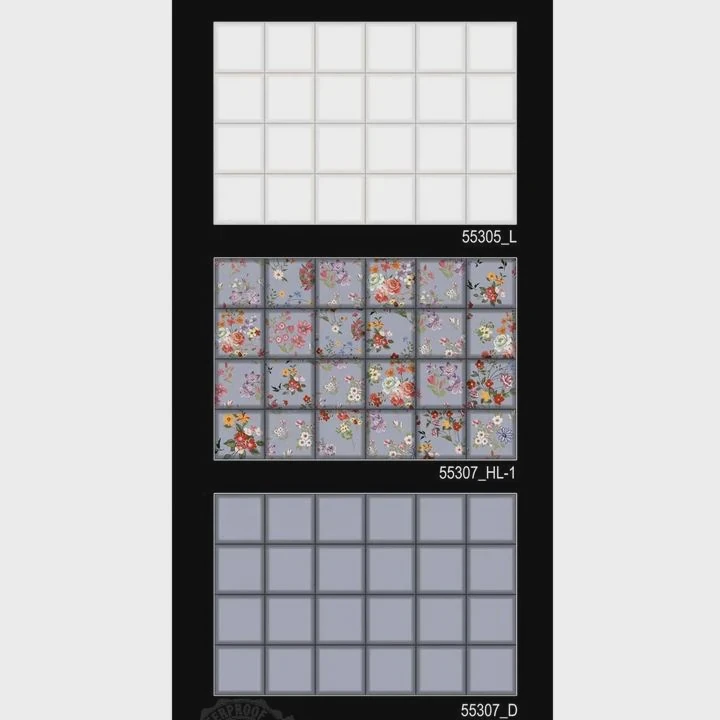
The wrong tool can turn a small stain into a permanent scratch pattern. This happens often with steel brushes or metal scrapers.
Best Tools for Tile Rust Removal
Different tools suit different stain levels.
| Tool | Best Use | Surface Safety |
|---|---|---|
| Microfiber cloth | Light stains | Excellent |
| Soft nylon brush | Textured tile | Excellent |
| Melamine sponge | Medium stains | Good |
| Non-scratch pad | Deep stains | Good |
| Steam cleaner | Large areas | Excellent |
Why Soft Brushes Work Well
Soft nylon brushes reach grout lines and textured surfaces without scratching glaze layers.
Many professional cleaners use circular motions instead of hard back-and-forth scrubbing. That reduces visible wear.
Melamine Sponges Can Help
Melamine foam works like a micro-abrasive cleaner. It removes stains efficiently with little chemical use.
Still, overuse may dull polished finishes slightly. Gentle pressure works best.
Steam Cleaning for Commercial Areas
Steam cleaners are useful for large installations like hotels, shopping centers, and warehouses.
Benefits include:
- Less chemical use
- Faster cleaning
- Better grout cleaning
- Reduced odor
Steam also helps loosen rust particles before scrubbing.
Why Steel Wool Is a Bad Idea
Some people use steel wool because it removes rust quickly. That creates two serious problems:
- Surface scratching
- New rust particles left behind
The second issue often causes future staining.
Electric Scrubbers Save Labor
Large commercial projects sometimes use battery-powered scrubbers with soft pads.
These machines:
- Reduce labor time
- Improve cleaning consistency
- Lower worker fatigue
Still, pad selection matters. Aggressive pads may damage glossy tile finishes.
Tool Maintenance Is Often Ignored
Dirty tools spread rust and dirt back onto the surface. Brushes and pads should be cleaned after each use.
Professional maintenance teams often separate tools by:
- Tile type
- Cleaner type
- Surface finish
This reduces contamination risk.
Combining Tools and Cleaners
The best results usually come from combining:
- Proper cleaner
- Correct brush
- Controlled pressure
- Enough rinse water
One factor alone rarely solves heavy rust problems completely.
In high-traffic projects, long-term tile appearance depends on both cleaning methods and material quality. Dense porcelain surfaces with low water absorption often resist staining better and simplify maintenance work over time.
Conclusion
Rust stains on tile can be removed safely with the right cleaner, proper tools, and careful techniques. Mild acidic cleaners, soft brushes, and controlled scrubbing protect the tile while removing stains effectively and keeping surfaces attractive for years.