How to Cut Tile With a Tile Cutter?
- Sinotiles
- 2026-05-06

Cutting tiles looks simple at first. Many people buy beautiful tiles and then ruin them with rough cuts, broken edges, or wasted boxes. This problem costs time, money, and patience.
A tile cutter can cut ceramic and porcelain tiles cleanly when the right tools, scoring method, and pressure are used. Good technique reduces breakage, improves edge quality, and helps installers work faster on both home and commercial projects.
Many buyers ask whether manual tile cutters are enough for modern tile projects. The answer depends on tile thickness, size, and cutting needs. In this guide, I will explain the tools, methods, and practical tips that help tile cutting become easier and more accurate.
What tools are needed for manual tile cutting?
Many tile projects fail before installation even starts. Poor tools often create uneven cuts, chipped edges, and wasted material. This issue becomes more serious when large orders or expensive porcelain tiles are involved.
Manual tile cutting needs a strong tile cutter, measuring tools, marking pencils, safety gear, and tile support accessories. Good equipment improves cutting precision, reduces waste, and helps maintain consistent quality during installation.
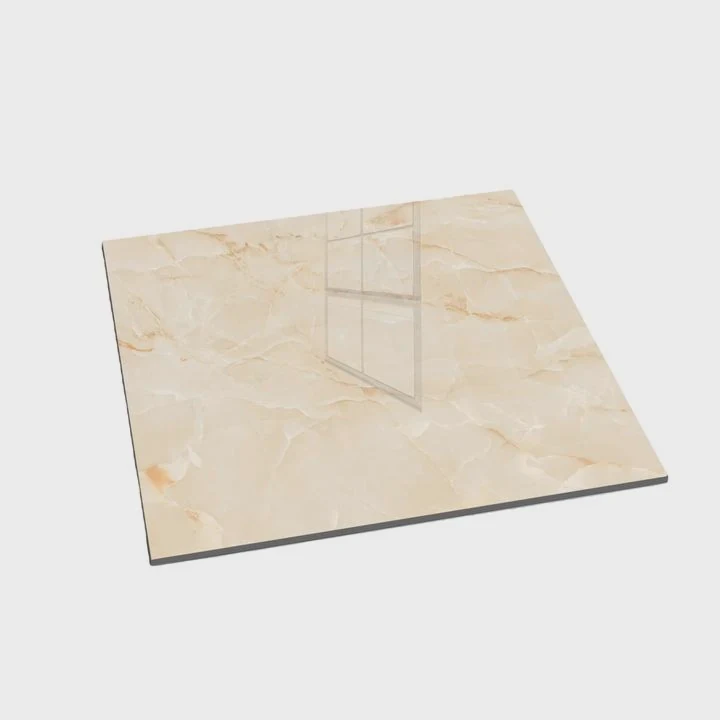
Choosing the correct tools matters as much as choosing the tile itself. In many export projects, installers focus only on tile quality but ignore the cutter quality. This mistake usually leads to edge damage and slower work speed.
Main Tools Used for Manual Tile Cutting
The basic setup is simple, but every tool has a clear purpose.
| Tool | Purpose |
|---|---|
| Manual tile cutter | Scores and snaps tiles |
| Tungsten carbide wheel | Creates clean score lines |
| Measuring tape | Ensures precise dimensions |
| Tile marker or pencil | Marks cutting lines |
| Safety glasses | Protects eyes from fragments |
| Gloves | Improves grip and safety |
| Tile nippers | Handles small irregular cuts |
| Rubbing stone | Smooths sharp tile edges |
A strong tile cutter is the most important part. Cheap cutters often flex during scoring. This movement creates uneven pressure and causes tile cracking.
Why Cutter Quality Matters
In large construction projects, installers usually work fast. A weak cutter slows everything down. Strong rails and stable bases help create straight score lines.
Porcelain tiles especially need durable cutters because they are denser than ceramic tiles. Many buyers from the Middle East and Europe prefer heavy-duty manual cutters for large-format porcelain tiles such as 600×1200mm and 750×1500mm products.
Tile Type Changes Tool Selection
Different tiles require different cutter strengths.
Ceramic Tiles
Ceramic tiles are softer. Most standard manual cutters handle them easily.
Porcelain Tiles
Porcelain tiles are harder and denser. They need stronger scoring wheels and better pressure control.
Large Slab Tiles
Large slabs often require extended cutters with reinforced rails and wider support tables.
Important Safety Accessories
Many installers ignore safety tools. Small tile chips can easily injure hands or eyes.
Good gloves improve grip during snapping. Safety glasses prevent eye injuries from flying fragments. Knee pads also help during large flooring jobs.
Common Mistakes When Buying Tile Cutters
Some buyers choose the cheapest option online. This decision usually creates problems later.
Common issues include:
- Weak scoring wheels
- Bent guide rails
- Poor snapping pressure
- Uneven tile support
- Limited cutting length
Professional installers usually focus on durability instead of only price.
Manual Cutters for Wholesale Projects
For distributors and contractors, cutter selection also affects customer satisfaction. A poor cutting experience can make buyers blame the tile itself even when the real issue comes from bad equipment.
That is why many commercial buyers test tiles together with professional-grade cutters before placing large orders.
How do you score tiles accurately with a cutter?

Many broken tiles come from poor scoring, not poor materials. Uneven pressure, repeated passes, or weak alignment often create jagged cuts and wasted products.
Accurate tile scoring requires one straight pass with steady pressure along a clearly marked line. Proper alignment, clean cutter rails, and controlled force help create smooth breaks and professional-looking edges.
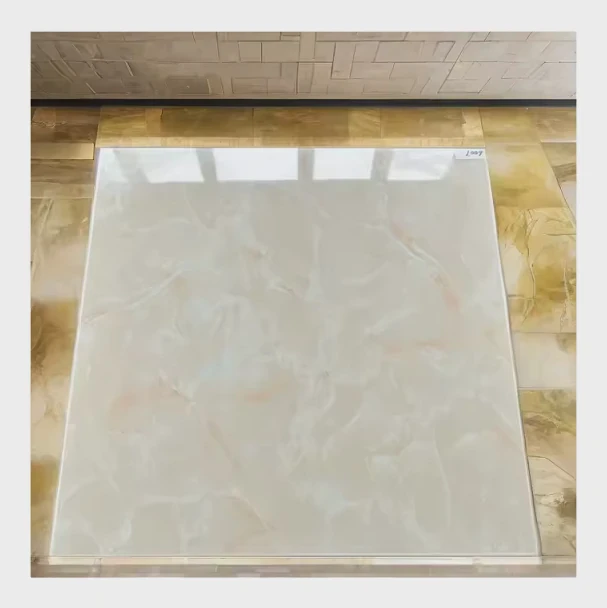
Scoring is the heart of manual tile cutting. A clean score line tells the tile where to break. If the score is weak or uneven, the tile may crack in the wrong direction.
Step-by-Step Tile Scoring Process
Most professional installers follow a simple process.
Step 1: Measure Carefully
Double-check dimensions before cutting. Even small errors become visible after installation.
Step 2: Mark the Tile
Use a clear pencil or washable marker. Thin lines improve accuracy.
Step 3: Align the Tile
Place the tile tightly against the cutter fence. Any movement during scoring can ruin the cut.
Step 4: Score Once
Push or pull the scoring wheel in one continuous motion.
Never score the same line twice.
Step 5: Snap the Tile
Apply firm but controlled pressure at the center point.
Why One Pass Works Best
Some beginners think multiple scoring passes improve cutting. In reality, repeated scoring weakens the glaze unevenly.
This problem often causes:
- Chipped edges
- Crooked breaks
- Surface scratches
- Uncontrolled cracks
Professional installers rely on one confident pass.
Pressure Control During Scoring
Too much pressure damages the tile surface. Too little pressure creates shallow score lines.
Good scoring pressure should produce a visible line without deep scratching.
Factors That Affect Scoring Accuracy
Several conditions influence cutting performance.
| Factor | Effect on Cutting |
|---|---|
| Dirty rails | Uneven wheel movement |
| Worn scoring wheel | Weak score lines |
| Tile thickness | Changes snapping force |
| Cutter stability | Affects straightness |
| Operator pressure | Impacts break quality |
Large Format Tile Challenges
Large tiles require extra attention because long score lines magnify small alignment errors.
For example, a slight angle problem on a 900×1800mm tile can create major waste.
Installers often use:
- Extension arms
- Dual rail systems
- Extra support tables
- Larger breaking feet
Practical Tips From Real Export Projects
In several hotel projects, installers reduced tile waste simply by replacing worn scoring wheels regularly.
This small maintenance step improved cutting quality immediately.
Another common issue appears in humid environments. Dust and moisture collect on cutter rails and reduce scoring smoothness. Daily cleaning helps maintain accuracy.
Why Experience Still Matters
Even with good equipment, skill improves results. Experienced installers learn how different tiles react during scoring and snapping.
Glossy porcelain, textured surfaces, and thick anti-slip tiles all behave differently under pressure.
That is why many professional contractors test several cuts before starting full installation work.
Which techniques prevent tile cracking?

Tile cracking wastes money quickly. One wrong movement can destroy expensive large-format porcelain tiles. This issue becomes painful during commercial projects with strict deadlines and material control.
Tile cracking can be reduced by using even pressure, proper tile support, sharp scoring wheels, and clean snapping techniques. Stable handling and correct cutter selection also help protect tile integrity during cutting.
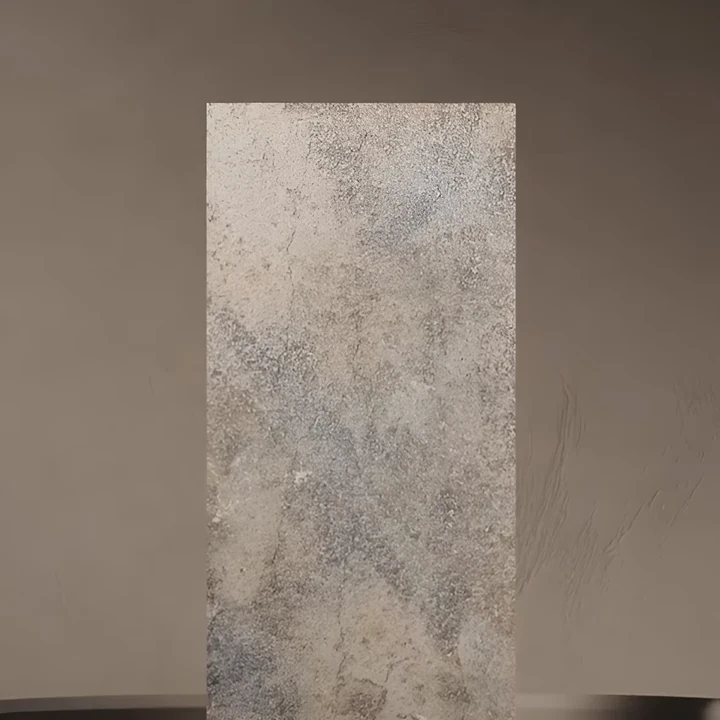
Cracking usually happens because pressure travels unevenly through the tile body. Once the force shifts away from the score line, the tile breaks unpredictably.
Support Is Extremely Important
Unsupported tiles flex during snapping. This flex creates stress away from the score line.
A stable cutter base helps distribute pressure evenly.
Keep the Scoring Wheel Sharp
Worn scoring wheels produce inconsistent cuts.
Signs of wheel wear include:
- Rough score lines
- Increased chipping
- Uneven snapping
- Loud scratching sounds
Replacing scoring wheels regularly is a low-cost way to improve cutting quality.
Apply Controlled Snapping Pressure
Many beginners hit tiles too hard during snapping. Excessive force creates sudden shock inside the tile.
Professional installers apply smooth downward pressure instead.
Tile Thickness Changes Breaking Behavior
Different tile thicknesses react differently.
Thin Wall Tiles
Thin ceramic wall tiles snap easily but chip faster near edges.
Thick Porcelain Tiles
Thick porcelain requires stronger cutters and more stable pressure.
Textured Anti-Slip Tiles
Rough surfaces sometimes interrupt scoring wheel movement.
Common Reasons Tiles Crack
| Problem | Result |
|---|---|
| Uneven scoring | Crooked breaks |
| Weak support | Tile flex cracking |
| Excessive force | Sudden fractures |
| Dirty cutter rails | Irregular scoring |
| Low-quality cutter | Poor pressure control |
Edge Distance Matters
Cuts near tile edges are harder to snap cleanly.
Very narrow strips often crack because pressure cannot distribute evenly.
Installers often use tile nippers or wet saws for extremely thin cuts.
Environmental Factors Also Matter
Temperature and storage conditions affect tiles more than many people realize.
Cold tiles sometimes become more brittle during winter installations. Moisture exposure can also influence some tile bodies before installation.
Handling Large Porcelain Slabs
Large slabs require extra care during movement and cutting.
Installers often use:
- Suction cup lifters
- Multiple workers
- Reinforced worktables
- Foam support boards
Without proper support, large slabs may crack before installation even begins.
Why Professional Training Helps
Many distributors focus only on product sales. However, installer training often reduces complaints more effectively than product replacement.
When installers understand pressure control and cutter setup, breakage rates usually drop immediately.
This improvement saves both labor costs and material waste in large projects.
Can tile cutters replace wet saws effectively?

Many buyers want one cutting solution for every project. They hope manual tile cutters can completely replace wet saws and reduce equipment costs. In reality, each tool has strengths and limits.
Manual tile cutters work very well for straight cuts on ceramic and porcelain tiles, but wet saws remain necessary for curved cuts, thick materials, stone products, and detailed shaping work.
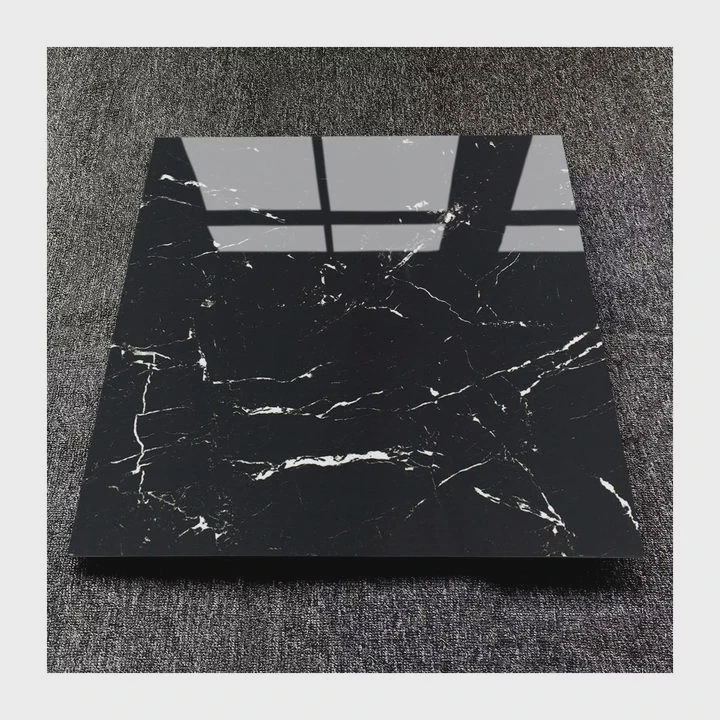
This question appears often in wholesale and contractor discussions. The answer depends on the tile type, project scale, and cutting complexity.
Where Manual Tile Cutters Perform Best
Manual cutters are fast and clean for straight-line cuts.
They offer several advantages:
| Benefit | Explanation |
|---|---|
| Faster setup | No water preparation |
| Lower maintenance | Fewer moving parts |
| Cleaner workspace | Less slurry and dust |
| Easier transport | Lightweight equipment |
| Lower operating cost | No electricity needed |
For residential flooring jobs, manual cutters often improve efficiency significantly.
Situations Where Wet Saws Are Better
Wet saws still dominate in certain conditions.
Curved Cuts
Manual cutters cannot create curved shapes accurately.
Natural Stone
Marble and granite usually require diamond wet saw blades.
Very Thick Tiles
Heavy porcelain pavers may exceed manual cutter capacity.
Precision Edge Work
Wet saws create cleaner detailed finishes around corners and fixtures.
Comparing Productivity
In large projects, many installers actually use both tools together.
Manual cutters handle most straight cuts quickly.
Wet saws manage:
- Corners
- Pipe openings
- Decorative cuts
- Complex layouts
This combination improves speed and flexibility.
Dust and Noise Differences
Manual cutters operate quietly and create less airborne dust.
Wet saws reduce dust with water cooling, but they create slurry that needs cleanup.
Indoor renovation projects often prefer manual cutters because cleanup is easier.
Cost Considerations for Contractors
Contractors usually compare:
- Equipment cost
- Blade replacement
- Labor efficiency
- Maintenance
- Electricity access
Manual cutters often reduce operating costs for basic tile work.
Large Format Tile Trends
Modern tile markets increasingly use large porcelain slabs. This trend changes cutting requirements.
Some advanced manual cutters now handle:
- 1200×1200mm
- 750×1500mm
- 900×1800mm
However, very thick slabs still challenge manual systems.
Real-World Project Experience
In many commercial jobs, installers begin with manual cutters for speed. Later, wet saw stations handle detailed finishing work.
This mixed workflow often produces the best balance between efficiency and precision.
Choosing the Right Tool for the Job
The best tool depends on project needs.
Use manual cutters when:
- Straight cuts dominate
- Speed matters
- Dust control is important
- Portability matters
Use wet saws when:
- Curves are needed
- Stone products are installed
- Fine detail matters
- Thick materials are involved
Professional installers rarely depend on only one cutting method.
Conclusion
Manual tile cutters remain one of the most practical tools for ceramic and porcelain tile installation. Good tools, accurate scoring, proper pressure, and correct handling reduce breakage and improve efficiency. Wet saws still matter for complex cuts, but manual cutters continue to play a major role in modern tile projects.