How to clean shower floor tile?
- Sinotiles
- 2026-04-08

Dirty shower floors build up fast. Soap scum, grime, and mold make tiles look old and unsafe if cleaning is not done right.
Cleaning shower floor tile requires the right cleaner, proper tools, regular maintenance, and sealing to prevent buildup and extend tile life.
A clean shower floor is not just about looks. It also protects health and keeps tiles strong for years.
What cleaners remove grime from shower floors?
Grime sticks hard on shower tiles. Many people scrub a lot but still see stains left behind.
Effective cleaners include mild acidic solutions, alkaline cleaners, and specialized tile cleaners that break down soap scum, hard water stains, and dirt.
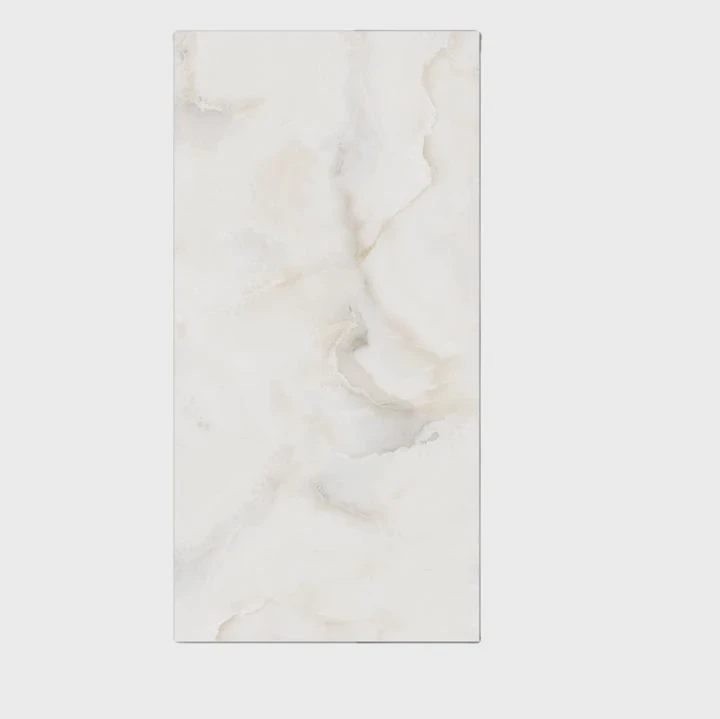
Different grime types need different cleaners. Using the wrong one wastes time and may damage tiles.
Types of cleaners for shower floors
1. Mild acidic cleaners
These remove mineral deposits and soap scum.
- Vinegar-based solutions
- Best for ceramic and porcelain tiles
- Avoid on natural stone
2. Alkaline cleaners
These break down grease and body oils.
- Suitable for heavy grime
- Often used in deep cleaning
3. Neutral cleaners
Safe for daily use.
- Gentle on all tile types
- Maintain surface without damage
4. Specialized tile cleaners
Designed for specific problems.
- Mold removal formulas
- Hard water stain removers
Cleaner selection guide
| Tile Type | Recommended Cleaner | Avoid |
|---|---|---|
| Porcelain | Acidic or neutral | Strong bleach |
| Ceramic | Most cleaners | Harsh abrasives |
| Natural stone | Neutral only | Acidic cleaners |
| Mosaic | Mild cleaners | Strong chemicals |
Practical insight
In many real cases, buildup is not just dirt. It is a mix of soap, minerals, and oils. So one cleaner alone may not solve everything. A combination approach often works better.
Choosing the right cleaner is the first step to effective cleaning.
How do you prevent mold on shower tiles?
Mold grows quickly in wet spaces. Once it spreads, it becomes harder to remove and may affect health.
Preventing mold requires keeping surfaces dry, improving ventilation, regular cleaning, and sealing grout to reduce moisture absorption.
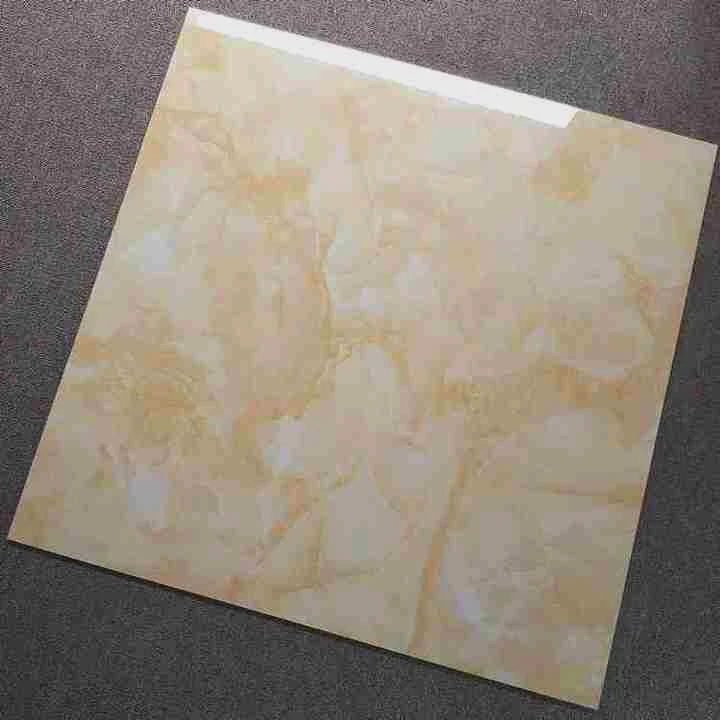
Mold prevention is easier than mold removal. Small daily habits make a big difference.
Key prevention methods
1. Keep the area dry
Water left on tiles encourages mold growth.
- Use a squeegee after shower
- Wipe excess water
2. Improve ventilation
Airflow reduces moisture.
- Use exhaust fans
- Open windows when possible
3. Clean regularly
Do not wait for visible mold.
- Weekly light cleaning
- Monthly deep cleaning
4. Seal grout lines
Grout absorbs water easily.
- Apply sealant regularly
- Reduce moisture retention
Mold prevention checklist
| Action | Benefit |
|---|---|
| Dry surfaces | Stops mold growth |
| Ventilation | Reduces humidity |
| Regular cleaning | Removes spores |
| Sealing grout | Blocks moisture |
Common mistakes
- Leaving wet towels in the shower
- Ignoring small mold spots
- Poor ventilation
- Skipping maintenance
From experience, mold issues are often linked to poor airflow rather than cleaning alone. Fixing ventilation often solves half the problem.
Which tools improve cleaning efficiency?
Cleaning without the right tools takes more time and effort. It also gives uneven results.
Efficient cleaning tools include brushes, scrub pads, steam cleaners, and squeegees that help remove dirt faster and more evenly.

The right tools make cleaning easier and more effective. They also reduce damage to tiles.
Essential cleaning tools
1. Soft-bristle brush
Good for grout lines.
- Removes dirt without damage
- Reaches small gaps
2. Scrub pads
Useful for tile surfaces.
- Removes stubborn stains
- Choose non-abrasive types
3. Steam cleaner
Deep cleaning option.
- Uses heat instead of chemicals
- Kills bacteria and mold
4. Squeegee
Daily maintenance tool.
- Removes water quickly
- Prevents buildup
Tool comparison
| Tool | Best Use | Advantage |
|---|---|---|
| Brush | Grout cleaning | Precision |
| Scrub pad | Surface stains | Easy use |
| Steam cleaner | Deep cleaning | Chemical-free |
| Squeegee | Daily care | Prevent buildup |
Practical insight
Many users focus only on cleaning products. But tools matter just as much. A good brush can cut cleaning time in half and improve results significantly.
Using the right tool reduces effort and improves consistency.
Can sealing grout reduce maintenance needs?
Grout is the weakest part of a tiled surface. It absorbs water and stains easily.
Yes, sealing grout reduces maintenance by limiting moisture absorption, preventing stains, and making cleaning faster and easier.

Sealing grout is often overlooked. But it has a strong impact on long-term maintenance.
Benefits of sealing grout
1. Water resistance
Sealed grout absorbs less water.
- Reduces mold growth
- Prevents internal damage
2. Stain prevention
Dirt cannot penetrate easily.
- Easier to clean
- Keeps appearance fresh
3. Longer lifespan
Protection reduces wear.
- Less cracking
- Better durability
Maintenance comparison
| Condition | Unsealed Grout | Sealed Grout |
|---|---|---|
| Cleaning effort | High | Low |
| Stain resistance | Weak | Strong |
| Mold risk | High | Low |
| Lifespan | Shorter | Longer |
Real-world perspective
In many projects, sealing grout reduces cleaning frequency and improves customer satisfaction. It is a small step with long-term benefits.
When to seal grout
- After installation and full curing
- After deep cleaning
- Reapply every 1-2 years
Sealing is not expensive. But it saves time and effort over the life of the tiles.
Conclusion
Cleaning shower floor tiles becomes easier with the right cleaners, tools, and habits. Preventing mold and sealing grout both reduce long-term maintenance and keep tiles in good condition for years.
- Pre: How to Cut Floor Tile?
- Next: How to Attach Tile Trim?