How to Cut Floor Tile?
- Sinotiles
- 2026-04-08
Many people struggle when cutting floor tiles. Edges chip, lines go off, and tiles get wasted. This creates frustration and increases project cost.
Cutting floor tiles requires the right tools, proper marking, steady handling, and correct techniques. Clean cuts depend on tool choice, tile type, and cutting method.
Tile cutting looks simple, but it requires control and patience. When the process is clear, the results become cleaner and more professional.
What tools are best for cutting floor tiles?
Many beginners use the wrong tools. This leads to broken tiles and uneven edges. Choosing the correct tool is the first step to success.
The best tools for cutting floor tiles include manual tile cutters, wet saws, angle grinders, and tile nippers. Each tool is suited for different tile types and cutting needs.
Different tools serve different purposes. Understanding their strengths helps reduce waste and improve efficiency.
Common tile cutting tools
1. Manual tile cutter
This tool is ideal for straight cuts on ceramic and porcelain tiles. It uses a scoring wheel and snapping mechanism.
- Best for: straight cuts
- Advantage: fast and simple
- Limitation: not suitable for thick or textured tiles
2. Wet saw
A wet saw uses a diamond blade and water cooling system. It produces smooth and precise cuts.
- Best for: hard tiles and large formats
- Advantage: clean edges
- Limitation: requires setup and power
3. Angle grinder
This tool is flexible and can handle curved or irregular cuts.
- Best for: custom shapes
- Advantage: versatile
- Limitation: more dust and less precision
4. Tile nippers
These are used for small adjustments and irregular edges.
- Best for: fine trimming
- Advantage: easy to control
- Limitation: not for large cuts
Tool selection guide
| Tool | Best Use | Precision Level |
|---|---|---|
| Manual cutter | Straight cuts | Medium |
| Wet saw | Large and hard tiles | High |
| Angle grinder | Curves and corners | Medium |
| Tile nippers | Small shaping | Low |
Choosing the right tool
The choice depends on tile material and project scale. For large projects, a wet saw saves time and improves quality. For small jobs, a manual cutter may be enough.
Using the wrong tool often leads to wasted tiles. A small investment in proper tools can reduce overall cost.
How do you ensure straight cuts on large tiles?
Large tiles are harder to control. Many people struggle with alignment and end up with uneven edges. This affects the final look.
To ensure straight cuts on large tiles, you must use accurate marking, stable support, proper alignment, and consistent pressure during cutting.
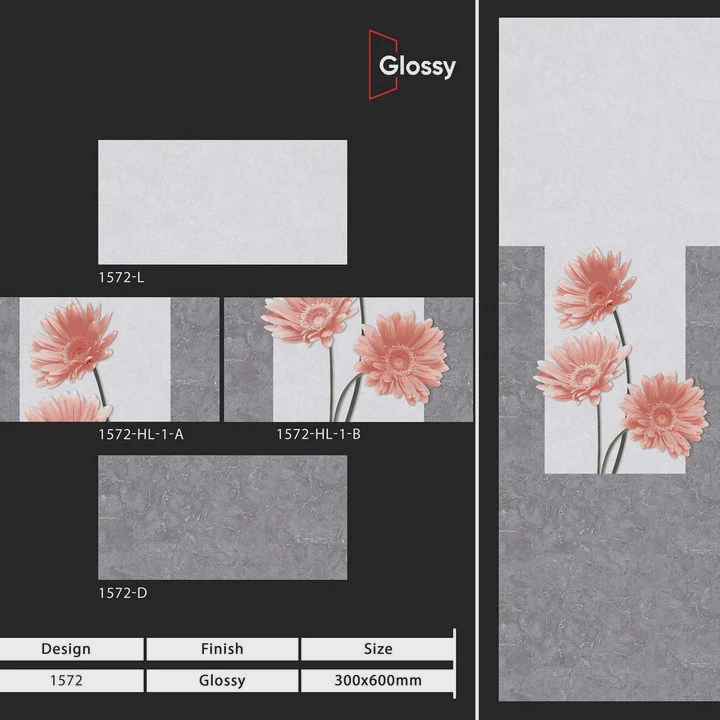
Straight cuts require more than just a good tool. The process must be controlled from start to finish.
Key steps for straight cuts
1. Accurate measurement
Measure twice before cutting. Use a pencil or marker to draw a clear line.
2. Use a straight edge
A ruler or guide helps maintain a straight path. This is especially useful for manual cutters.
3. Stable surface
Tiles must rest on a flat and stable surface. Movement during cutting causes uneven lines.
4. Consistent pressure
Apply steady pressure when scoring or cutting. Too much force can break the tile.
Techniques for large tiles
Score once, not multiple times
Repeated scoring weakens the tile and causes rough edges.
Support both sides
Large tiles can crack if not supported evenly. Always hold both sides during cutting.
Use wet saw for precision
Large tiles benefit from wet saw cutting due to better control.
Common problems and solutions
| Problem | Cause | Solution |
|---|---|---|
| Crooked cuts | Poor alignment | Use guide lines |
| Tile cracking | Uneven support | Support tile fully |
| Rough edges | Inconsistent pressure | Apply steady force |
Practical insight
Large-format tiles are popular in modern design. However, they require better tools and more care.
In many projects, switching to a wet saw for large tiles improves both speed and accuracy. This reduces material waste and improves final appearance.
Which techniques prevent tile edge chipping?
Chipping is one of the most common problems. It ruins the look of tiles and creates waste. Many people do not know how to avoid it.
To prevent tile edge chipping, use sharp blades, proper cutting speed, correct scoring technique, and support the tile properly during cutting.
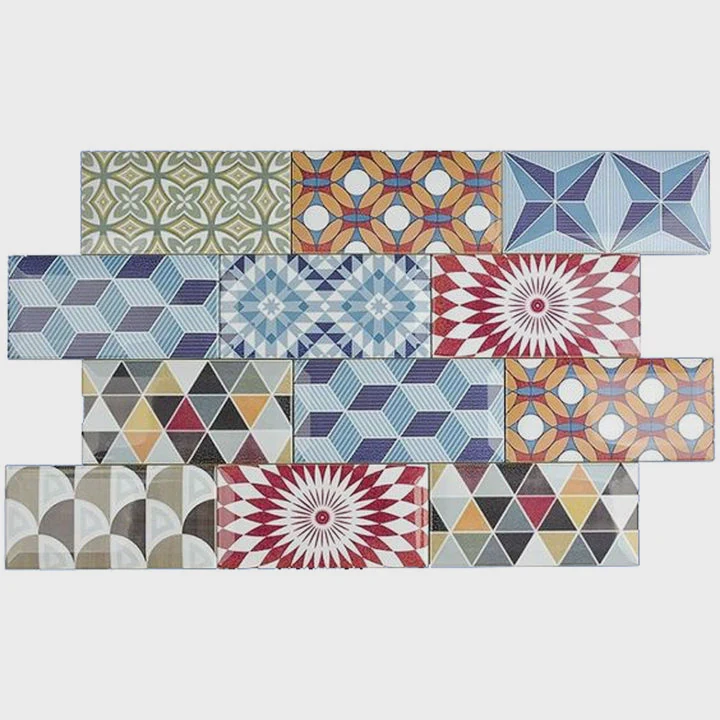
Tile edges are fragile, especially with porcelain and glazed surfaces. Careful handling is essential.
Key techniques to prevent chipping
1. Use a sharp blade
A dull blade tears the tile instead of cutting it cleanly. Always check blade condition.
2. Control cutting speed
Cutting too fast increases vibration and causes chipping. Slow and steady movement works best.
3. Proper scoring
Score the tile once with even pressure. Avoid repeated scoring.
4. Tape the cutting line
Applying tape over the cut line can reduce surface chipping.
5. Cut from the correct side
Cutting from the glazed side helps protect the visible surface.
Additional protection methods
Water cooling
Wet saws reduce heat and friction. This minimizes edge damage.
Edge smoothing
After cutting, use a rubbing stone or sandpaper to smooth edges.
Chipping prevention table
| Technique | Benefit | Result |
|---|---|---|
| Sharp blade | Clean cut | Smooth edge |
| Slow speed | Less vibration | Reduced damage |
| Tape line | Surface protection | Better finish |
| Water cooling | Less heat | Cleaner cuts |
Real-world observation
In many tile projects, chipping happens due to rushing. Slowing down and using proper tools often solves the problem.
Small adjustments in technique can make a big difference in final quality.
Can wet saws improve cutting precision?
Some people hesitate to use wet saws because they seem complex. However, manual tools often cannot match their precision.
Wet saws improve cutting precision by using a diamond blade and water cooling system, which reduces heat, dust, and vibration while producing smooth and accurate cuts.
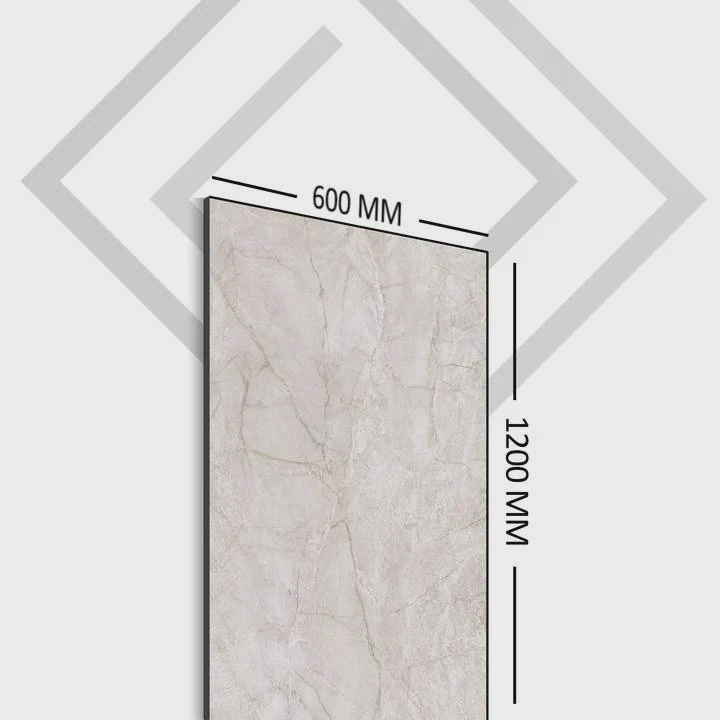
Wet saws are widely used in professional projects. They provide consistent results, especially for hard materials.
How wet saws work
A wet saw uses a rotating diamond blade. Water flows over the blade to cool it and reduce dust.
This system allows smooth cutting without damaging the tile surface.
Advantages of wet saws
High precision
Wet saws produce straight and clean cuts, even on large tiles.
Reduced chipping
Water cooling reduces friction and protects edges.
Versatility
They can cut porcelain, ceramic, stone, and glass tiles.
Better for complex cuts
Angles and detailed cuts are easier to achieve.
Comparison with manual cutters
| Feature | Wet Saw | Manual Cutter |
|---|---|---|
| Precision | High | Medium |
| Speed | Medium | High |
| Dust | Low | None |
| Versatility | High | Low |
When to use a wet saw
- Large-format tiles
- Hard porcelain tiles
- Projects requiring high precision
- Complex or angled cuts
Limitations
Wet saws require setup, water supply, and maintenance. They are also more expensive than manual cutters.
Practical conclusion
In professional environments, wet saws are often the preferred choice. They reduce errors and improve consistency.
For anyone working on larger or high-end projects, using a wet saw can significantly improve results.
Conclusion
Cutting floor tiles requires the right tools, careful techniques, and attention to detail. Clean cuts depend on proper handling and tool choice. When done correctly, tile cutting improves both efficiency and final appearance.