How to Clean Soap Scum Off Tile?
- Sinotiles
- 2026-04-29
Soap scum can turn clean tile into a dull, rough surface fast. Many people scrub hard, waste time, and still see white film stay behind.
The best way to clean soap scum off tile is to match the cleaner to the tile type, loosen buildup first, scrub with the right tool, and dry the surface after cleaning. Regular care stops heavy stains from coming back.
Many tile owners focus only on strong cleaners. That often causes damage, wasted money, or poor results. A better method uses the right product, safe tools, and a simple weekly routine.
What Cleaners Remove Soap Scum Effectively?
Soap scum is not just soap. It forms when soap mixes with hard water minerals, body oils, and dirt. That is why plain water often fails. A cleaner must break mineral film and greasy residue at the same time.
Mild acidic cleaners, alkaline degreasers, dish soap mixes, and tile-safe commercial bathroom cleaners remove soap scum well. The best choice depends on tile material, grout condition, and buildup thickness.
Heavy buildup usually needs dwell time. I spray the surface first, wait several minutes, then scrub. That step matters more than using force.
Best Cleaner Types
| Cleaner Type | Best For | Notes |
|---|---|---|
| White vinegar + warm water | Ceramic, porcelain | Avoid natural stone |
| Dish soap + baking soda paste | Light residue | Good for gentle cleaning |
| Alkaline bathroom cleaner | Greasy buildup | Rinse well |
| Tile-safe soap scum remover | Thick bathroom film | Follow label directions |
Homemade Option
A simple mix of warm water and dish soap works well for weekly care. If residue stays, add baking soda to make a soft paste. Spread it on the tile, wait ten minutes, then scrub with a non-scratch pad.
Commercial Option
For thick white film, a dedicated soap scum remover saves time. Many products are designed to dissolve calcium and soap deposits faster than homemade mixes. I still test a small hidden area first.
What Usually Fails
Many people use bleach first. Bleach disinfects, but it does not always dissolve soap scum well. It may whiten stains, yet leave the rough film behind. That leads to repeated cleaning with little progress.
Practical Method
- Rinse tile with warm water.
- Apply cleaner.
- Wait 5–10 minutes.
- Scrub in circles.
- Rinse fully.
- Dry with microfiber cloth.
The drying step removes loosened residue and helps shine return. When skipped, minerals may dry back onto the surface.
How Do You Prevent Buildup on Tile Surfaces?
Most soap scum problems begin after cleaning, not before. Water stays on tile, soap stays on tile, and minerals stay on tile. Day after day, a thin film becomes a hard layer.
The best prevention method is to remove water after each shower, improve airflow, use less residue-forming soap, and clean lightly every week before buildup hardens.
I learned that prevention saves far more time than deep cleaning. Five minutes each week can replace an hour of scrubbing later.
Daily Habits That Work
Use a squeegee after every shower. Pull water from walls and glass. This quick step removes water minerals before they dry.
Leave the bathroom fan on for at least twenty minutes after showering. If no fan exists, open a window or door. Dry air slows residue growth.
Switch from bar soap to liquid body wash if possible. Many bar soaps create more scum because of their fatty ingredients.
Weekly Routine
| Task | Time Needed | Result |
|---|---|---|
| Spray tile with mild cleaner | 2 minutes | Stops film early |
| Wipe with microfiber cloth | 3 minutes | Restores shine |
| Check grout lines | 1 minute | Finds mold or cracks early |
| Dry surfaces | 2 minutes | Reduces mineral spots |
Water Quality Matters
Hard water creates faster buildup. If your area has hard water, tile may haze quickly even with regular cleaning. In that case, a shower filter or whole-home softener can help. It will not solve every issue, but it often reduces white residue.
Product Choices
Avoid heavy waxy cleaners that promise shine. Some leave a coating that traps dirt. Use neutral or tile-safe products instead.
Grout Care
Soap scum also sticks to grout. Sealed grout resists stains better than unsealed grout. If grout absorbs water quickly, resealing may be needed.
A Simple Rule
If the wall looks wet, dry it. If the wall looks dull, clean it lightly now. Waiting always makes the next cleaning harder.
Are Acidic Cleaners Safe for Tile Materials?
Acidic cleaners are popular because they dissolve mineral deposits fast. That makes them useful for soap scum. Still, not every tile can handle acid safely.
Acidic cleaners are usually safe for ceramic and porcelain tile when diluted and rinsed well, but they can damage marble, limestone, travertine, terrazzo, and some grout surfaces.
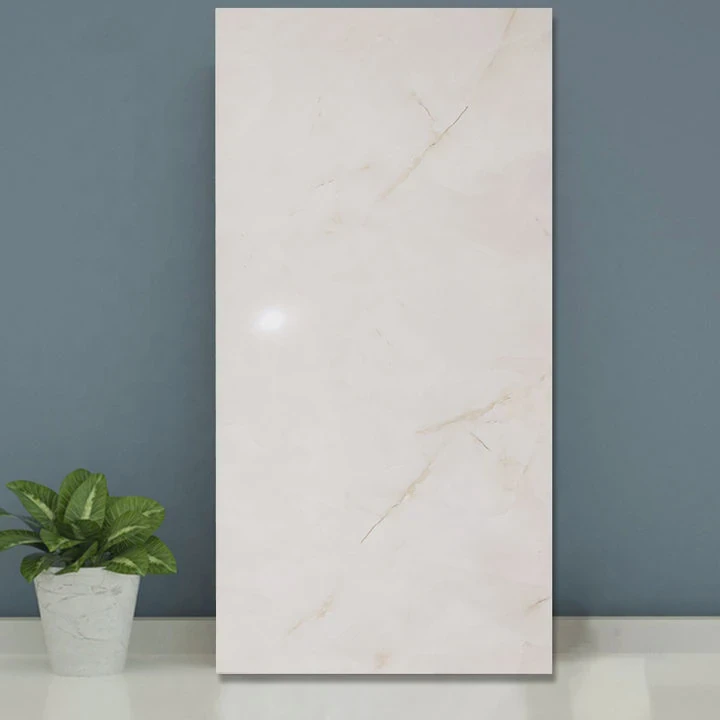
Many people assume tile is tile. That mistake can cost money. Surface material matters more than cleaner strength.
Safe on Ceramic and Porcelain
Glazed ceramic and porcelain are dense and durable. Mild vinegar solutions or store-bought acidic bathroom cleaners often work well on them. I still avoid long soak times and always rinse after use.
Unsafe on Natural Stone
Natural stone reacts with acid. Vinegar may etch marble in minutes. The surface can lose polish and feel rough.
| Tile Material | Acid Cleaner Safety | Better Choice |
|---|---|---|
| Porcelain | Usually safe | Mild acidic cleaner |
| Ceramic | Usually safe | Vinegar mix or tile cleaner |
| Marble | Not safe | pH-neutral stone cleaner |
| Travertine | Not safe | Stone-safe cleaner |
| Slate | Use caution | Neutral cleaner |
| Cement tile | Often risky | Manufacturer guidance |
Grout Risks
Even if the tile is safe, grout may not be. Repeated acid use can weaken cement grout over time. That may cause rough joints or color fading.
Smart Testing Method
- Read tile type if known.
- Test cleaner on hidden spot.
- Wait several minutes.
- Rinse and dry.
- Check for dullness or color change.
If You Do Not Know the Tile Type
Use the gentlest path first. Start with warm water, dish soap, and a soft brush. Then move to stronger products only if needed. If the tile looks like marble or stone, avoid vinegar until confirmed safe.
My Preferred Rule
Use acid for mineral problems, but only on acid-safe surfaces. Use neutral cleaners for stone. The wrong cleaner can create permanent marks faster than soap scum ever did.
Which Tools Help Scrub Soap Scum Faster?
Good tools cut effort more than strong chemicals do. Many people waste energy with old rags or harsh metal pads. Better tools clean faster and protect tile.
The fastest soap scum cleaning tools are nylon scrub brushes, non-scratch pads, drill brush attachments, steam cleaners, squeegees, and microfiber cloths used in the right order.

I focus on contact, texture, and reach. A tool that matches the tile surface removes residue with less force.
Best Hand Tools
A medium nylon brush reaches grout lines and textured tile. It scrubs well without cutting the surface.
A non-scratch sponge pad works well on flat wall tile. It spreads cleaner and lifts loosened film at the same time.
A handled scrubber helps high walls and shower corners. That saves back strain during long jobs.
Power Tools
Drill brush attachments are useful for large showers or rental turnovers. Use soft or medium bristles, not stiff ones. Keep speed moderate. Let the brush glide instead of grinding.
Steam cleaners can loosen soap scum with heat. They help where chemical odor is a concern. Still, some grout or sealants may need caution.
Finishing Tools
| Tool | Main Use | Speed Benefit |
|---|---|---|
| Nylon brush | Grout lines, corners | High |
| Non-scratch pad | Flat tile walls | High |
| Drill brush | Large heavy buildup areas | Very High |
| Steam cleaner | Loosening residue | Medium |
| Microfiber cloth | Final wipe and shine | High |
| Squeegee | Prevention after shower | Highest long term |
What to Avoid
Steel wool may scratch glaze and metal trim. Razor blades may chip edges. Very stiff wire brushes can damage grout.
Fastest Workflow
- Wet tile with warm water.
- Apply cleaner and wait.
- Use brush for joints.
- Use pad for flat areas.
- Rinse.
- Dry with microfiber cloth.
Why Drying Matters Again
Many people stop after rinsing. I do not. Drying shows missed spots at once and prevents fresh mineral marks. It also gives the clean, bright finish most people want.
Conclusion
Soap scum comes off tile fastest when the cleaner matches the material and the tool matches the surface. Clean lightly each week, dry after showers, and use acidic products only where safe. Small habits keep tile bright with less work.