How to Replace Bathroom Tile?
- Sinotiles
- 2026-04-29
Old bathroom tile can make the whole room feel dirty, dated, and hard to clean. Many people delay the job because it looks complex and messy.
Replacing bathroom tile follows a clear order: plan the area, remove old tile, repair the surface, install new tile, grout the joints, and seal the wet zones. Good prep work decides most of the final result.
Once the process is broken into small steps, the project feels much easier. Each stage has a purpose, and skipping one often creates problems later.
What Steps Are Involved in Replacing Bathroom Tiles?
A tile project often fails before the first tile is set. Poor layout, weak surfaces, and rushed curing times cause uneven lines and loose tiles.
The main steps are inspection, measuring, removing old tile, surface repair, dry layout, adhesive spread, tile setting, curing, grouting, sealing, and final cleaning. Working in order keeps the finish straight and durable.
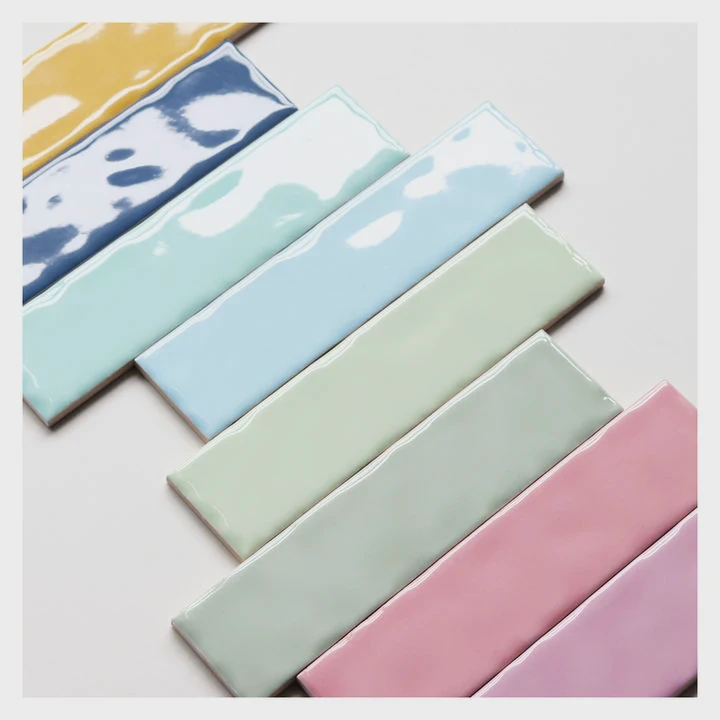
Replacing bathroom tile is easier when the work is treated like a sequence, not one giant task. I always start by checking the room. Walls may hide moisture damage. Floors may have movement. If the base is weak, new tile will fail too.
Step 1: Inspect and Measure
Measure each wall or floor section. Count corners, niches, pipes, and edges. Add extra tile for cuts and waste. A simple rule is 10% extra for straight rooms and 15% for more complex spaces.
| Area Item | What to Check | Why It Matters |
|---|---|---|
| Walls | Flatness and moisture | Prevents lippage and mold |
| Floor | Level and strength | Stops cracks later |
| Corners | Square lines | Helps layout |
| Plumbing points | Pipe positions | Easier cuts |
Step 2: Protect the Room
Remove mirrors, shelves, trim, and loose fittings. Cover tubs and vanities. Dust from demolition spreads fast.
Step 3: Remove Old Tile
Use the right method for wall tile and floor tile. Remove adhesive residue after the tile comes off.
Step 4: Repair the Substrate
Patch holes. Replace rotten drywall with cement board in wet areas. Use leveling compound if the floor dips.
Step 5: Dry Layout
Place tiles without adhesive first. This shows cut sizes and center lines. Small slivers near walls usually look poor, so shift the layout.
Step 6: Install Tile
Spread thin-set with the correct trowel. Press and slide tiles into place. Use spacers. Check lines often.
Step 7: Cure, Grout, and Seal
Let adhesive cure fully. Then grout joints. After grout sets, seal where needed and apply silicone at movement joints, corners, and tub edges.
Many first-time installers focus only on tile style. The stronger habit is to focus on prep, layout, and patience. Those three choices create a professional finish.
How Do You Remove Old Tiles Without Damage?
Many people swing a hammer too fast and damage pipes, drywall, or subfloors. Repair costs can become larger than the tile budget.
Safe tile removal uses controlled force, the right tools, and patience. Start at a loose edge or cracked tile, work in small sections, and protect the surface below whenever possible.
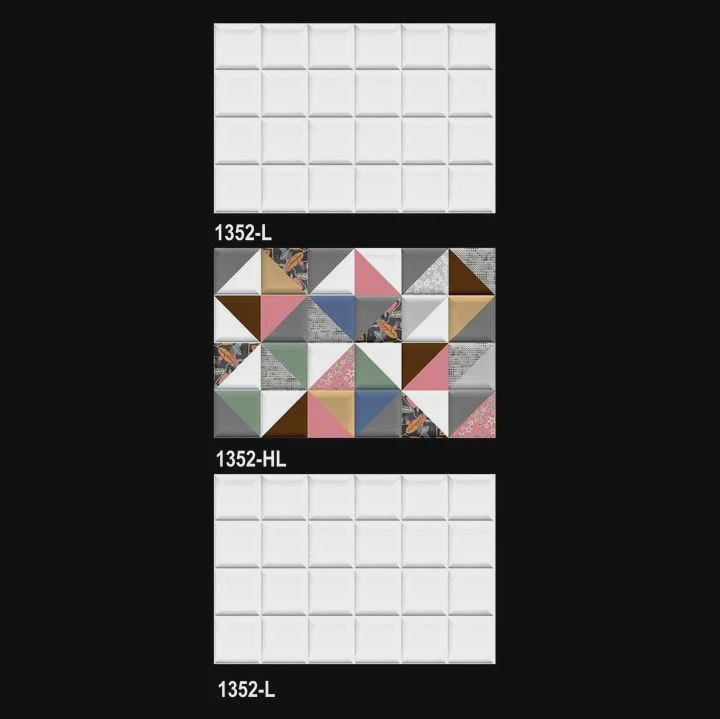
Removing old tile is part skill and part restraint. The goal is not speed. The goal is to keep the structure below in usable shape.
Start With Safety
Wear gloves, eye protection, long sleeves, and a dust mask. Sharp shards travel farther than expected.
Best Removal Order
- Remove trim pieces first.
- Score caulk lines with a utility knife.
- Start at an exposed edge, broken tile, or plumbing cutout.
- Use a chisel at a shallow angle.
- Lift small sections at a time.
Wall Tile Removal
Wall tile often sits on drywall, cement board, or mortar bed. If tile is bonded to drywall, the drywall paper may tear. In wet areas, replacing the backer board is often smarter than trying to save it.
Floor Tile Removal
Floor tile usually needs more force. Use a hammer drill with chisel mode if needed. Keep the tool flat so it does not gouge the subfloor.
| Tool | Best Use | Caution |
|---|---|---|
| Utility knife | Cutting caulk and seams | Use sharp blade carefully |
| Hammer and chisel | Small areas | Slow but controlled |
| Pry bar | Lifting loose sections | Can crack substrate |
| Rotary hammer | Tough floors | Easy to overcut |
Protect Hidden Systems
Bathrooms contain water lines, drains, and electric cables. Near vanities and toilets, slow down. Around shower valves, use hand tools only.
Remove Adhesive Residue
After tile is gone, scrape thin-set ridges flat. A clean surface saves time later.
I once saw a floor where someone removed tile quickly but cut deep channels into plywood. The tile cost was normal, but the repair doubled the job. Slow removal would have saved both money and time.
Which Materials Are Needed for New Installation?
Buying tile alone is not enough. Many delays happen because a small missing item stops the whole job.
A full tile installation needs tile, backer materials, thin-set mortar, spacers, grout, sealant, tools, and cleaning supplies. Choosing products that match the room and tile type is essential.
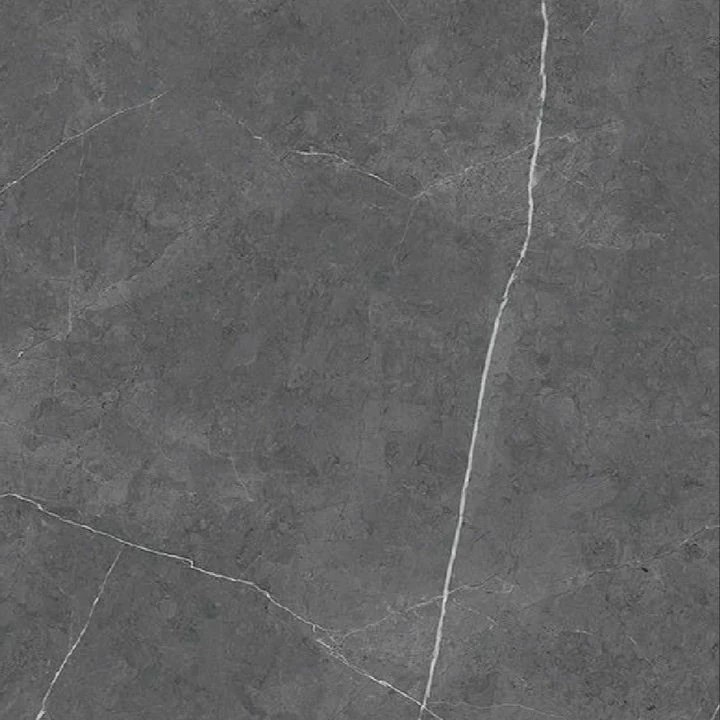
Good material choices make installation smoother and longer lasting. Bathrooms face water, steam, soap, and daily cleaning. Products must suit wet use.
Core Materials
- Tiles for wall or floor use
- Cement board or tile backer for wet walls
- Waterproof membrane where needed
- Thin-set mortar
- Tile spacers or leveling clips
- Grout
- Silicone sealant
- Primer or leveling compound if needed
Choose the Right Tile
Wall tile can be lighter and smoother. Floor tile should have slip resistance and enough strength. Large tiles reduce grout lines but need flatter surfaces.
Mortar Matters
Use polymer-modified thin-set for many bathroom jobs. Large-format tile may need a special mortar. Always check tile size and substrate type.
Grout Types
| Grout Type | Best For | Notes |
|---|---|---|
| Sanded | Wider joints | Stronger for larger gaps |
| Unsanded | Narrow joints | Smoother finish |
| Epoxy | High moisture areas | Stain resistant but harder to apply |
Tools You Should Have
- Tape measure
- Level or laser line
- Notched trowel
- Mixing bucket and paddle
- Tile cutter or wet saw
- Rubber grout float
- Sponges
- Caulk gun
Smart Buying Tips
Buy all tile from the same batch when possible. Shade can vary. Open boxes and mix from several cartons during install to blend tone naturally.
Do Not Forget Waste Allowance
Cuts, breakage, and future repairs need spare tile. Keep one unopened box after the project if storage allows.
Many bathroom problems begin when people use cheap adhesive, wrong grout width, or indoor-only materials. Better product matching often matters more than premium tile design.
When Should Grout and Sealant Be Applied?
The final stage looks simple, so many people rush it. Wet mortar, early grouting, or wrong sealant placement can ruin neat tile lines.
Apply grout only after tile adhesive has cured as directed by the manufacturer. Apply sealant after grout has set and dried, mainly at corners, edges, and movement joints exposed to water.
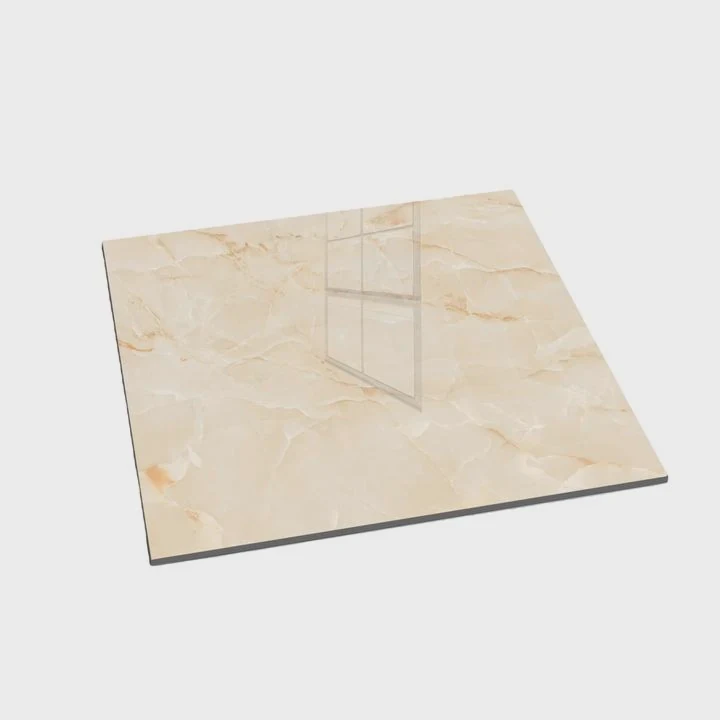
Timing is critical in tile work. Even a perfect layout can fail if grout is forced into joints too soon.
Wait for Adhesive Cure Time
Most thin-set products need at least 24 hours, though some need longer. Cool rooms, thick mortar, and large tile can slow cure time. Read the bag, not guesses.
How to Apply Grout
Use a rubber float and push grout diagonally across joints. Fill every joint fully. Remove excess with the float edge.
After a short wait, wipe with a damp sponge. Rinse the sponge often. Do not flood the surface with water.
Buff the Haze
A light haze often appears after drying. Polish it with a dry microfiber cloth.
Where Sealant Goes
Sealant is different from grout. Grout fills field joints between tiles. Sealant handles movement and water at change-of-plane areas.
Use silicone at:
- Wall corners
- Floor-to-wall joints
- Tub edges
- Shower tray edges
- Around penetrations if needed
Sealing Grout
Some cement grouts benefit from penetrating sealer after full cure. Epoxy grout often does not need this. Follow product guidance.
| Stage | Typical Timing | Purpose |
|---|---|---|
| Tile set | Day 1 | Bond tile in place |
| Grout | After cure | Fill joints |
| Silicone sealant | After grout firms/drys | Flexible waterproof joints |
| Grout sealer | After full grout cure | Extra stain resistance |
Common Mistakes
Applying silicone before grouting can trap mess along edges. Grouting corners instead of using flexible sealant can lead to cracking. Heavy shower use too early can weaken fresh materials.
Patience at the end is hard because the room looks almost done. Still, the final 48 hours often decide whether the bathroom lasts for years.
Conclusion
Replacing bathroom tile is manageable when each stage is done in order. Remove carefully, prepare the surface well, use the right materials, and respect cure times. Clean lines come from patience more than speed.