how to clean tile grout on floors?
- Sinotiles
- 2026-03-23
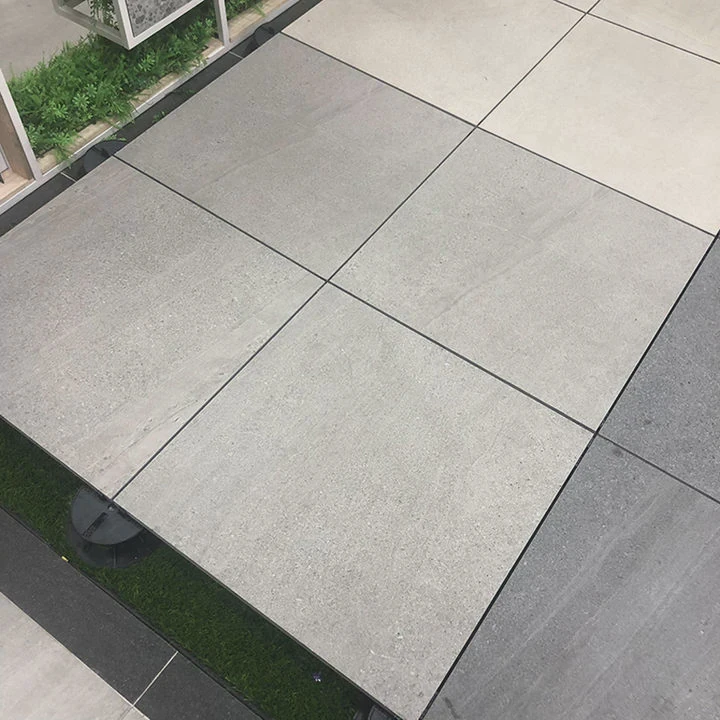
Dirty grout lines make floors look old and unhygienic. Many people scrub hard but still see stains. This creates frustration and wasted time.
Clean grout needs the right solution, proper tools, and correct timing. With simple steps and regular care, grout can look fresh, bright, and long-lasting without heavy effort.
Grout cleaning is not only about appearance. It also affects hygiene and durability. In the next sections, each key question will be broken down clearly, so the process becomes easy to follow and apply.
What cleaning solutions remove stains from floor grout?
Stubborn grout stains often resist normal mopping. This leads to repeated cleaning with little result, which wastes effort and time.
The most effective grout cleaning solutions include baking soda paste, vinegar spray, hydrogen peroxide, and commercial grout cleaners. Each works differently based on stain type and grout condition.
Grout is porous. It absorbs dirt, grease, and moisture easily. Because of this, simple water cleaning is not enough. The right solution must break down stains and lift them from deep inside the grout lines.
Common DIY Cleaning Solutions
Each household solution works in a specific way:
| Solution | Best For | How It Works |
|---|---|---|
| Baking soda + water | General dirt | Mild abrasive removes surface stains |
| Vinegar spray | Mineral deposits | Acid dissolves buildup |
| Hydrogen peroxide | Deep stains | Oxidizes and lifts stains |
| Baking soda + peroxide | Heavy grime | Combines abrasion and chemical action |
Baking soda paste is often the first step. It is safe and easy to apply. Vinegar can be added, but it should not be used on natural stone tiles. Hydrogen peroxide is stronger and works well on darker stains.
Commercial Cleaners
Some stains need stronger solutions. Commercial grout cleaners are designed for deep cleaning.
They often contain:
- Alkaline agents for grease
- Mild acids for mineral buildup
- Surfactants to lift dirt
These cleaners save time, especially for large floor areas or commercial projects.
Choosing the Right Solution
Different environments require different approaches:
| Area Type | Recommended Solution |
|---|---|
| Kitchen floors | Degreasing cleaner |
| Bathroom floors | Vinegar or peroxide |
| High-traffic areas | Commercial cleaner |
| Light dirt | Baking soda paste |
Using the wrong cleaner can damage grout or tiles. It is always better to test on a small area first.
Practical Insight
In real projects, many buyers focus only on tile quality. However, grout maintenance also plays a big role in long-term appearance. A simple cleaning routine can extend the visual life of the entire floor.
Consistent cleaning is more effective than occasional deep cleaning. Light stains are easier to remove before they settle into the grout.
Why does grout on floors trap dirt easily?
Many people clean tiles regularly but ignore grout lines. Over time, grout becomes darker and harder to clean.
Grout traps dirt because it is porous and rough. Its surface absorbs moisture, dust, and grease, making it easier for stains to stick and build up over time.

Grout is made from a mix of cement, sand, and water. This structure creates tiny holes. These holes are not visible, but they absorb liquids and dirt.
Key Reasons Grout Gets Dirty
1. Porous Structure
Grout acts like a sponge. It absorbs:
- Water
- Oil
- Dust
- Soap residue
Once inside, dirt becomes difficult to remove.
2. Floor Traffic
Floors receive constant pressure from shoes. Dirt is pushed into grout lines instead of staying on the tile surface.
3. Cleaning Habits
Mopping often spreads dirty water across grout. This makes the grout darker over time.
4. Moisture Exposure
Bathrooms and kitchens create ideal conditions for:
- Mold
- Mildew
- Bacteria
These factors make grout discolor faster.
Visual Comparison
| Surface | Dirt Behavior |
|---|---|
| Tile surface | Dirt stays on top |
| Grout lines | Dirt penetrates inside |
Long-Term Impact
When grout remains dirty for long periods:
- It becomes permanently stained
- It weakens structurally
- It may crack or crumble
This leads to higher maintenance costs later.
Practical Insight
In many construction projects, grout is treated as a secondary material. However, it directly affects the final appearance of the floor.
Choosing high-quality grout and applying sealant early can reduce dirt absorption significantly.
Also, regular light cleaning prevents deep staining. This is much easier than restoring heavily damaged grout.
When should floor grout be resealed after cleaning?
Many people clean grout but forget to reseal it. This causes the grout to become dirty again quickly.
Floor grout should be resealed after deep cleaning and fully drying. In most cases, resealing is recommended every 6 to 12 months depending on usage and environment.

Sealing grout creates a protective barrier. This barrier reduces water and dirt absorption. Without sealing, grout returns to its porous state.
Signs That Grout Needs Resealing
- Water soaks into grout quickly
- Grout darkens after cleaning
- Stains appear faster than before
- Surface feels rough and dry
Recommended Resealing Schedule
| Area | Frequency |
|---|---|
| Bathroom floors | Every 6 months |
| Kitchen floors | Every 6–12 months |
| Low traffic areas | Every 12 months |
| Commercial spaces | Every 3–6 months |
Step-by-Step Timing
- Clean grout thoroughly
- Allow grout to dry completely (24–48 hours)
- Apply grout sealer evenly
- Let it cure properly
Skipping the drying step will reduce the effectiveness of the sealer.
Types of Sealers
- Penetrating sealers: Absorb into grout and protect internally
- Surface sealers: Form a layer on top
Penetrating sealers are usually better for floors because they last longer and do not change the appearance.
Practical Insight
In many supply projects, long-term maintenance is often ignored. However, resealing is a low-cost step that protects the entire flooring system.
It also improves customer satisfaction because floors stay clean longer. For distributors and contractors, this reduces complaints and maintenance issues.
Which tools clean floor grout effectively?
Scrubbing grout by hand can be tiring and inefficient. Many people use the wrong tools and get poor results.
The most effective grout cleaning tools include stiff-bristle brushes, electric scrubbers, steam cleaners, and grout cleaning machines. Each tool improves cleaning speed and depth.
Using the right tool makes a big difference. It reduces effort and improves cleaning results.
Basic Tools
1. Grout Brush
- Small and narrow
- Designed for grout lines
- Good for detailed cleaning
2. Toothbrush
- Works for small areas
- Less effective for large floors
Advanced Tools
3. Electric Scrubber
- Rotating brush head
- Saves time and energy
- Good for medium areas
4. Steam Cleaner
- Uses high-temperature steam
- Removes bacteria and deep stains
- No chemicals required
5. Floor Cleaning Machine
- Used in commercial spaces
- High efficiency
- Covers large areas quickly
Tool Comparison
| Tool | Efficiency | Best Use |
|---|---|---|
| Manual brush | Low | Small areas |
| Electric scrubber | Medium | Home floors |
| Steam cleaner | High | Deep cleaning |
| Floor machine | Very high | Large projects |
How to Choose the Right Tool
- Small home → manual or electric brush
- Medium space → electric scrubber
- Deep cleaning → steam cleaner
- Commercial project → floor machine
Practical Insight
In large-scale tile projects, cleaning efficiency affects overall maintenance cost. Investing in proper tools reduces labor and improves consistency.
For buyers and contractors, recommending the right tools to end users can add value and improve long-term satisfaction.
Conclusion
Clean grout depends on correct solutions, proper tools, and regular sealing. With simple routines and the right methods, grout stays bright, durable, and easy to maintain over time.