How to Clean Travertine Tile?
- Sinotiles
- 2026-03-23
Many people install travertine tiles for their natural beauty. But soon, stains, dullness, and damage appear. This creates frustration and costly mistakes.
Travertine tiles need gentle, pH-neutral cleaning, regular sealing, and proper maintenance to stay clean, shiny, and durable over time.
So, the key is not just cleaning. It is using the right methods, at the right time, with the right products.
What cleaners are safe for travertine tile surfaces?
Many users damage their tiles without knowing it. They use strong cleaners, thinking stronger means better. This is the main problem.
Safe cleaners for travertine include pH-neutral stone cleaners, mild dish soap, and warm water. These protect the surface without causing etching or dullness.

Travertine is a natural stone. It is softer and more porous than many people think. So, it reacts easily to chemicals. This is why choosing the right cleaner matters.
Safe Cleaning Options
Here are common safe choices:
| Cleaner Type | Safe for Travertine | Notes |
|---|---|---|
| pH-neutral cleaner | Yes | Best daily option |
| Mild dish soap | Yes | Use diluted only |
| Stone-specific cleaner | Yes | Designed for natural stone |
| Warm water | Yes | Basic and effective |
Why pH-Neutral Matters
Travertine reacts to both acidic and alkaline products. A neutral cleaner keeps balance. It removes dirt without breaking the stone surface.
Simple Daily Cleaning Routine
- Sweep or vacuum loose dust first
- Use a damp mop, not a soaking wet one
- Dry the surface after cleaning
- Avoid leaving water on the tile
Common Mistakes to Avoid
Many buyers, especially first-time importers or contractors, focus only on tile quality. But maintenance is equally important.
- Using floor cleaners made for ceramic tiles
- Mixing random cleaning chemicals
- Using rough brushes or pads
From experience, clients often report surface dullness within months. The issue is rarely the tile. It is usually the cleaning method.
Professional Insight
In large projects, such as hotels or commercial spaces, maintenance teams often use industrial cleaners. If those are not stone-safe, damage spreads quickly.
So, clear instructions should always be given to end users. This simple step can protect long-term value.
Why should acidic cleaners be avoided on travertine?
Many people do not understand how fast acid can damage travertine. Even a small amount can leave marks.
Acidic cleaners should be avoided because they react with calcium in travertine, causing etching, surface damage, and permanent dull spots.
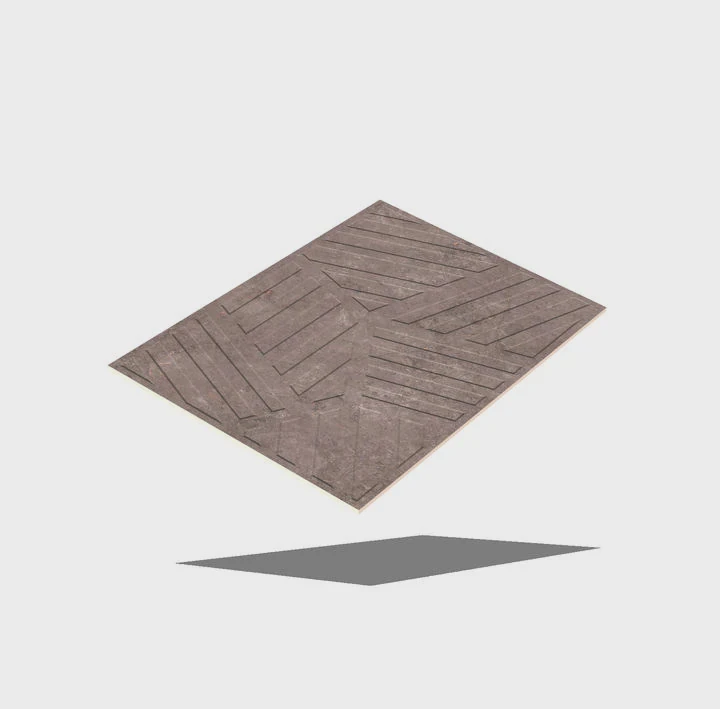
Travertine is mainly made of calcium carbonate. This material reacts with acid. The reaction is not visible immediately, but the damage is permanent.
What Happens During Acid Damage?
When acid touches travertine:
- The surface starts to dissolve
- Shine disappears
- Rough patches form
- Light spots appear
This process is called etching.
Common Acidic Products to Avoid
| Product Type | Example | Risk Level |
|---|---|---|
| Vinegar | Household cleaner | High |
| Lemon juice | Natural cleaning hack | High |
| Bathroom cleaners | Descaling liquids | High |
| Tile cleaners | Strong formulas | Medium-High |
Even “natural” cleaning methods can be harmful. Many online tips suggest vinegar. This is a mistake for natural stone.
Real Case Scenario
A client once used vinegar to clean kitchen tiles. After one week, the surface lost its shine completely. The tiles looked old and worn.
Polishing was required to restore the finish. This increased cost and time.
Why This Matters in Projects
For contractors and developers, surface damage leads to complaints. It affects reputation and project quality.
So, it is important to:
- Educate end users
- Provide cleaning guidelines
- Recommend safe products
Better Alternatives
Instead of acid, use:
- Neutral stone cleaner
- Soft cloth or mop
- Clean water rinse
These methods may seem simple, but they are effective and safe.
When should travertine tiles be sealed for protection?
Many people skip sealing. They think tiles are already strong. This is a big mistake.
Travertine tiles should be sealed after installation and resealed every 1–2 years to protect against stains, moisture, and surface damage.
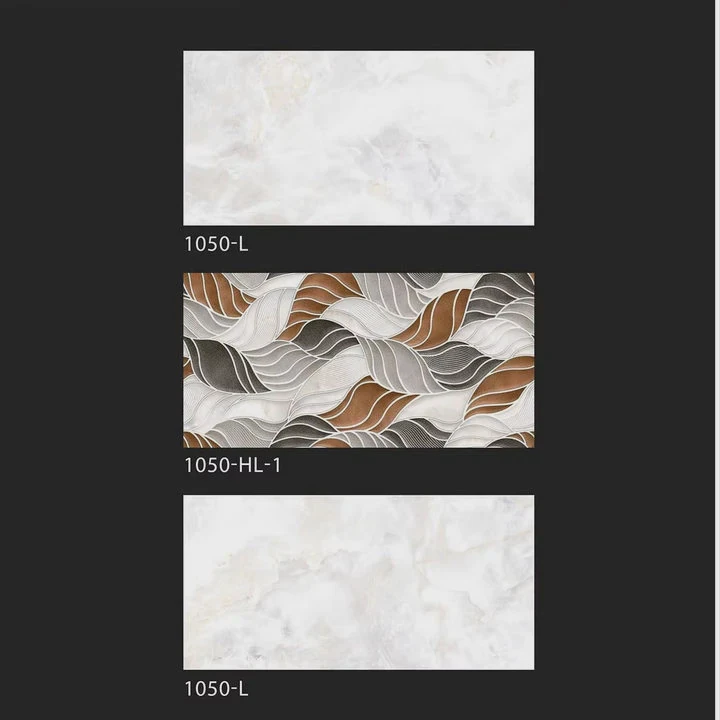
Travertine is porous. This means it absorbs liquids easily. Without sealing, stains can go deep into the tile.
When to Seal Travertine
There are key moments:
- Right after installation
- Before grout application (optional but helpful)
- After grout cures
- Regular resealing every 1–2 years
How to Know If Resealing Is Needed
A simple test:
- Drop water on the tile
- Wait 5 minutes
- If water absorbs, sealing is needed
Benefits of Sealing
| Benefit | Explanation |
|---|---|
| Stain resistance | Prevents deep penetration |
| Easier cleaning | Dirt stays on surface |
| Longer lifespan | Reduces wear and damage |
| Better appearance | Maintains natural color |
Types of Sealers
- Penetrating sealers: absorb into stone, invisible finish
- Surface sealers: create a protective layer
For most projects, penetrating sealers are preferred.
Common Mistakes
- Skipping sealing to save cost
- Using wrong type of sealer
- Not resealing on time
These mistakes often lead to:
- Dark spots
- Water marks
- Uneven color
Project-Level Consideration
In large-scale supply projects, sealing is often overlooked. However, it should be part of the installation guideline.
Providing a simple maintenance guide can reduce after-sales issues.
Which methods help maintain travertine tile shine?
Over time, many travertine tiles lose their shine. This is not always due to wear. Often, it is due to poor maintenance.
To maintain travertine shine, use regular gentle cleaning, proper sealing, polishing when needed, and avoid abrasive tools or harsh chemicals.
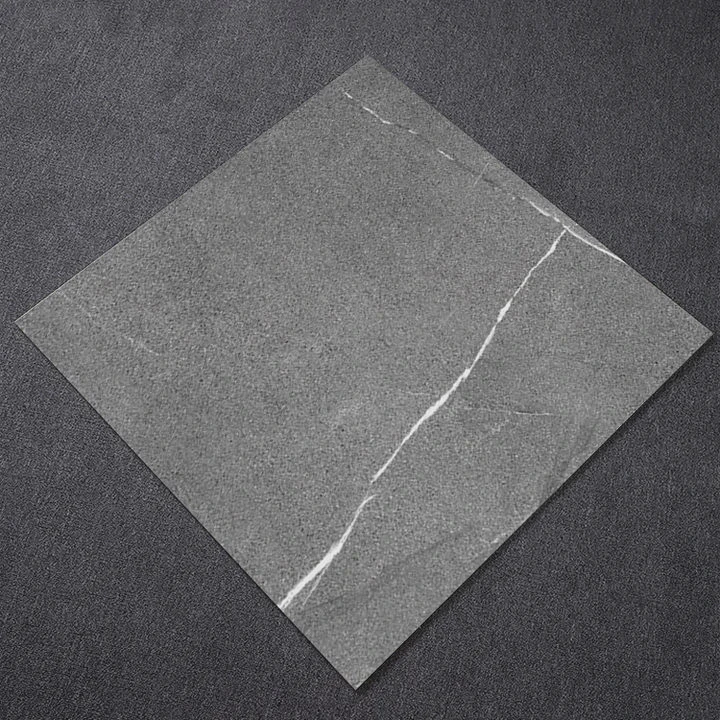
Shine is not just about appearance. It reflects the surface condition of the tile.
Daily Maintenance Tips
- Dust regularly to prevent scratches
- Use soft mop or cloth
- Clean spills immediately
- Avoid dragging heavy objects
Weekly Care Routine
- Mop with neutral cleaner
- Dry the surface fully
- Check for stains or marks
Polishing Methods
There are two main ways:
1. Natural Polishing
- Use dry microfiber cloth
- Buff the surface gently
- Repeat regularly
2. Professional Polishing
- Use stone polishing powder
- Use machine buffer
- Done by professionals
What Reduces Shine?
- Dirt buildup
- Hard water residue
- Wrong cleaning chemicals
- Lack of sealing
Restoration vs Maintenance
Many people confuse these:
| Type | Purpose |
|---|---|
| Maintenance | Keep current shine |
| Restoration | Recover lost shine |
Maintenance is always easier and cheaper.
Long-Term Strategy
For distributors, contractors, or importers, product quality is only one part. End-user education is equally important.
Providing a simple guide like:
- Cleaning steps
- Recommended products
- Sealing schedule
This helps reduce complaints and builds trust.
Conclusion
Travertine tiles stay beautiful with the right care. Use safe cleaners, avoid acids, seal regularly, and maintain properly. Simple steps can protect long-term value and appearance.