How to Clean Vinyl Tile Floors?
- Sinotiles
- 2026-05-08
Dirty vinyl tile floors can make an entire space look old and poorly maintained. Many people use the wrong cleaners and slowly damage the surface without noticing it.
The best way to clean vinyl tile floors is to use gentle cleaners, soft tools, and a regular cleaning routine. Mild soap, warm water, and pH-neutral products help keep vinyl tiles clean without harming the finish or reducing their lifespan.
Many buyers, contractors, and property owners ask this question before choosing flooring materials for homes, hotels, shops, and office projects. Good cleaning habits protect the floor surface and help tiles keep their color, shine, and texture for many years. Poor maintenance can lead to scratches, stains, dull surfaces, and costly replacements. This guide explains safe cleaning methods, stain removal tips, steam mop risks, and the right maintenance schedule for vinyl tile floors.
What Cleaners Are Safe for Vinyl Tile Surfaces?
Vinyl floors often lose their shine because people use strong chemicals that slowly wear down the protective layer. Some cleaners look effective at first, but they can create long-term surface damage.
Safe cleaners for vinyl tile floors include pH-neutral floor cleaners, diluted dish soap, warm water, and specially designed vinyl floor products. Avoid bleach, ammonia, wax-based cleaners, and abrasive powders because they can damage the surface coating.
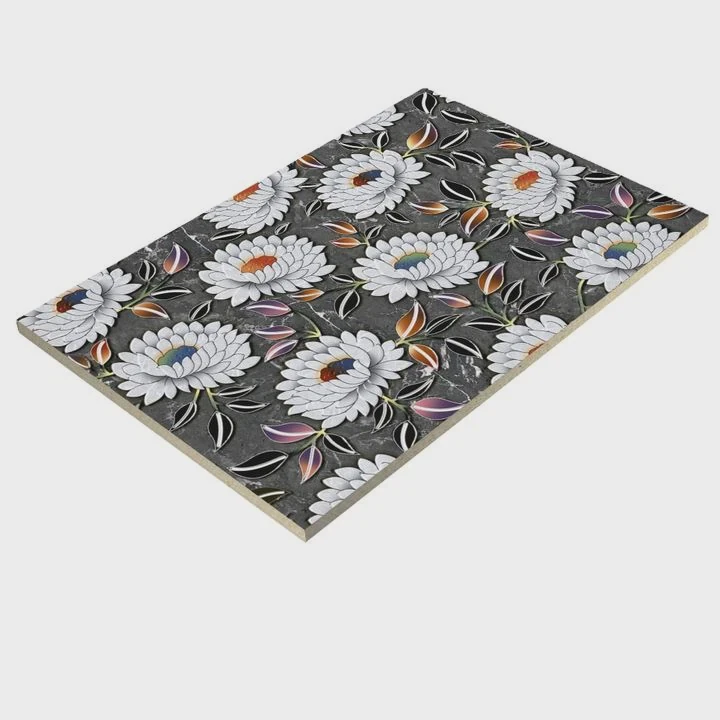
Vinyl tile floors are popular because they are affordable, durable, and easy to maintain. Still, the wrong cleaning products can shorten their service life. Many commercial buyers and wholesalers ask about maintenance because flooring performance affects customer satisfaction and repeat business.
Why Mild Cleaners Work Better
Vinyl flooring has a protective wear layer. This layer protects the design film below it. Strong chemicals slowly break this layer down. Once damaged, the floor may become dull, faded, or easier to scratch.
Warm water and mild soap remove most daily dirt without harming the surface. In many residential and commercial projects, simple cleaning routines work better than aggressive chemicals.
Safe Cleaning Products for Vinyl Tiles
| Cleaner Type | Safe for Vinyl? | Notes |
|---|---|---|
| Warm water | Yes | Good for daily cleaning |
| Mild dish soap | Yes | Use small amounts |
| pH-neutral floor cleaner | Yes | Best for regular maintenance |
| Vinegar diluted with water | Limited use | Can remove light dirt |
| Bleach | No | Can discolor flooring |
| Ammonia | No | May damage wear layer |
| Abrasive powders | No | Causes scratches |
| Wax polish | No | Leaves buildup |
The Problem With Harsh Chemicals
Some people believe stronger cleaners mean better cleaning results. This is not true for vinyl flooring. Harsh chemicals can create several problems:
Surface Dulling
Chemical reactions slowly reduce floor shine. This is common in busy commercial areas.
Protective Layer Damage
Once the wear layer weakens, scratches become more visible.
Residue Build-Up
Some cleaners leave sticky residue. Dirt sticks to the floor faster afterward.
Cleaning Tools Matter Too
Safe cleaning is not only about liquids. The tools also matter.
Use:
- Microfiber mops
- Soft cloths
- Soft-bristle brooms
- Non-abrasive sponges
Avoid:
- Steel wool
- Hard scrub brushes
- Rough scouring pads
A Simple Cleaning Routine
Many successful flooring distributors recommend a basic routine:
- Sweep dust daily
- Mop weekly with mild cleaner
- Dry excess water immediately
- Clean spills quickly
- Use floor mats at entrances
This simple process helps reduce long-term maintenance costs. In large projects such as hotels, supermarkets, and apartment buildings, easy maintenance is often one of the main reasons buyers choose vinyl flooring.
How Do You Remove Stains Without Damaging Vinyl?
Many vinyl floor owners panic when stains appear. They scrub too hard or use strong chemicals, and the floor damage becomes worse than the stain itself.
To remove stains from vinyl flooring safely, use gentle cleaning methods first. Baking soda paste, diluted vinegar, or mild soap can remove most stains without harming the vinyl surface. Avoid aggressive scrubbing and harsh solvents.

Vinyl flooring handles daily dirt well, but stains still happen. Coffee, grease, ink, shoe marks, food spills, and paint are common problems in both homes and commercial spaces. The key is using the correct cleaning method for each stain type.
Different Stains Need Different Solutions
Not all stains react the same way. Strong chemicals may remove one stain but permanently damage the flooring.
| Stain Type | Recommended Method | Avoid |
|---|---|---|
| Coffee or tea | Mild soap and water | Bleach |
| Grease | Baking soda paste | Abrasive powders |
| Ink | Rubbing alcohol on cloth | Direct solvent pouring |
| Scuff marks | Tennis ball or soft eraser | Metal scrubbers |
| Food stains | Warm water and microfiber cloth | Steam blasting |
| Paint spots | Plastic scraper carefully | Sharp metal tools |
Why Fast Cleaning Helps
Fresh stains are easier to remove. Once stains stay on the floor for a long time, they may penetrate small surface textures.
In commercial projects, maintenance teams often use quick-response cleaning systems because delayed cleaning increases labor costs later.
Safe DIY Methods
Baking Soda Paste
Mix baking soda with a small amount of water. Apply gently to greasy stains. Let it sit briefly before wiping.
Vinegar Solution
A small amount of vinegar mixed with warm water can remove light dirt and soap residue. Too much vinegar may weaken the finish over time, so moderate use is important.
Alcohol for Ink
Apply rubbing alcohol to a soft cloth, not directly onto the floor. Gently dab the stain.
What Should Never Be Used?
Many flooring claims happen because users apply the wrong stain removers.
Avoid:
- Acetone
- Paint thinner
- Steel brushes
- High-concentration bleach
- Industrial solvents
These products can discolor vinyl or weaken adhesives under the flooring.
Preventing Future Stains
Good prevention reduces cleaning work later.
Entrance Mats
These reduce dirt and moisture from shoes.
Furniture Pads
Heavy furniture may scratch or leave marks.
Quick Spill Response
Spills should never sit overnight.
Commercial Spaces Need Stronger Planning
Restaurants, hotels, shopping centers, and offices face heavier stain risks. Many project buyers now prefer flooring that combines durability with easy cleaning. Vinyl tiles remain popular because maintenance costs stay relatively low compared to natural stone or wood flooring.
Good maintenance training also matters. Even high-quality floors can fail early if cleaning teams use the wrong chemicals every day.
Can Steam Mops Harm Vinyl Flooring?
Steam mops seem like an easy and modern cleaning solution. Many people assume steam cleaning is safe for every floor type, but vinyl flooring reacts differently to heat and moisture.
Yes, steam mops can harm vinyl flooring. High heat and moisture may weaken adhesives, warp tiles, damage the wear layer, and shorten the floor’s lifespan, especially with glue-down vinyl tiles.
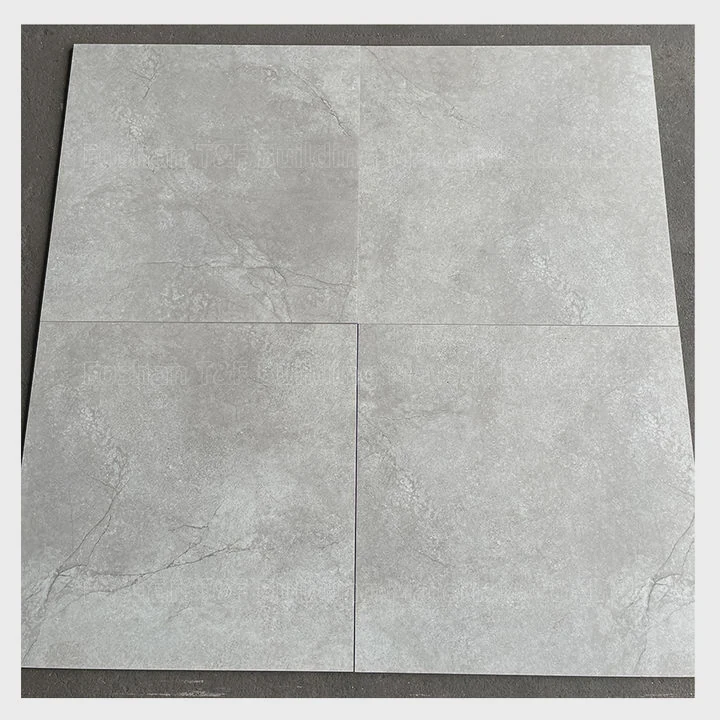
Steam mops became popular because they sanitize floors quickly without heavy chemicals. Still, vinyl flooring manufacturers often warn against excessive heat exposure. This is especially important for commercial installations and large residential projects where replacement costs can become very high.
Why Heat Is a Problem for Vinyl
Vinyl flooring contains synthetic materials that react to temperature changes. Steam mops produce both heat and moisture at the same time.
Common Problems Caused by Steam Mops
Adhesive Failure
Glue-down vinyl tiles may loosen over time because steam penetrates seams.
Edge Curling
Tile corners may begin lifting after repeated heat exposure.
Surface Warping
Extreme heat can slightly deform vinyl layers.
Wear Layer Damage
Protective coatings may weaken faster.
Comparison Between Cleaning Methods
| Cleaning Method | Safe for Vinyl? | Risk Level |
|---|---|---|
| Dry sweeping | Yes | Very low |
| Damp microfiber mop | Yes | Low |
| Mild soap cleaning | Yes | Low |
| Steam mop | Limited/No | Medium to high |
| Pressure washing | No | Very high |
Some Floors Are More Sensitive
Not all vinyl flooring performs the same way.
Glue-Down Vinyl Tiles
These are most vulnerable to steam damage.
Luxury Vinyl Planks (LVP)
Some premium products tolerate limited heat better, but manufacturers still often discourage steam use.
Loose Lay Vinyl
Moisture can move under the flooring more easily.
Manufacturer Warranty Concerns
Many flooring warranties clearly state that steam mop damage is not covered. This creates problems for property managers and contractors who unknowingly use steam cleaning equipment during maintenance.
Before using any machine, maintenance teams should review the manufacturer’s care guide carefully.
Better Alternatives to Steam Cleaning
Safer options usually clean vinyl floors effectively without the risks.
Recommended methods:
- Microfiber mops
- Spray mops
- Damp cloth cleaning
- pH-neutral floor cleaners
Moisture Control Is Important
Too much water creates problems even without steam. Excess moisture can enter seams and affect the subfloor below.
This becomes even more important in:
- Hotels
- Restaurants
- Apartment buildings
- Retail stores
- Shopping malls
In large commercial projects, flooring maintenance procedures are often written into facility management systems to avoid preventable damage.
How Often Should Vinyl Tiles Be Maintained?
Many vinyl floors wear out early not because of poor quality, but because maintenance schedules are inconsistent. Some areas are cleaned too aggressively while others are ignored for long periods.
Vinyl tile floors should be swept daily, damp-mopped weekly, and deep-cleaned monthly depending on traffic levels. Regular maintenance keeps the surface attractive, prevents scratches, and extends the flooring lifespan.
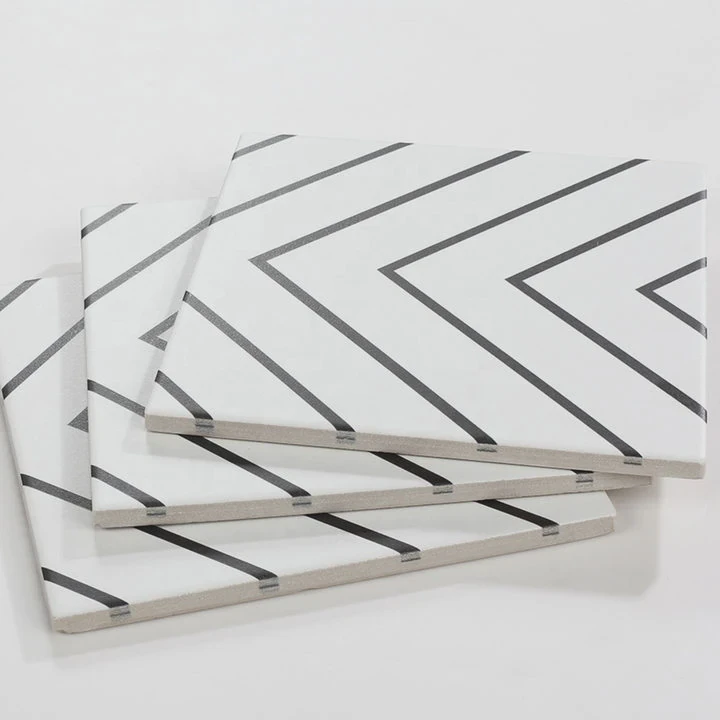
Maintenance frequency depends heavily on where the flooring is installed. A quiet bedroom and a busy shopping center face very different conditions. Understanding traffic levels helps property owners create realistic cleaning schedules.
Daily Maintenance Tasks
Dust, sand, and dirt act like sandpaper on vinyl floors. Daily sweeping removes these particles before they scratch the surface.
Recommended Daily Tasks
- Sweep loose dirt
- Remove spills quickly
- Check entrance areas
- Dry wet spots
Weekly Maintenance Tasks
Weekly cleaning focuses more on surface buildup.
Damp Mopping
Use warm water and mild cleaner.
Corner Cleaning
Dust often collects near walls and furniture edges.
Spot Stain Removal
Address marks before they become permanent.
Monthly Deep Cleaning
Monthly maintenance helps preserve appearance over many years.
| Maintenance Type | Frequency | Purpose |
|---|---|---|
| Sweeping | Daily | Remove abrasive dirt |
| Damp mopping | Weekly | Remove buildup |
| Spot cleaning | As needed | Prevent staining |
| Deep cleaning | Monthly | Maintain appearance |
| Inspection | Every few months | Detect early damage |
Commercial Areas Need More Attention
High-traffic projects require stronger maintenance planning.
Retail Stores
Constant foot traffic increases surface wear.
Hotels
Rolling luggage creates scratches and wheel marks.
Restaurants
Grease and spills appear more often.
Office Buildings
Chair wheels and heavy movement affect flooring life.
Maintenance Extends Product Value
Buyers often focus heavily on tile prices during sourcing. Still, long-term maintenance costs usually matter more over several years.
Easy-maintenance flooring helps:
- Reduce labor costs
- Improve customer satisfaction
- Extend replacement cycles
- Maintain cleaner appearances
This is one reason vinyl flooring remains popular in many global construction projects.
Simple Habits Make a Big Difference
Several small habits greatly improve floor lifespan:
Use Protective Mats
Mats trap dirt before it reaches the floor.
Avoid Dragging Furniture
Lift furniture instead of sliding it.
Use Soft Wheels
Hard plastic wheels scratch surfaces faster.
Keep Pet Nails Trimmed
Pets can leave surface marks over time.
Consistent care always works better than occasional aggressive cleaning. In many projects, flooring that receives moderate regular maintenance lasts far longer than floors cleaned heavily only once in a while.
Conclusion
Vinyl tile floors stay attractive longer when cleaned with mild products, soft tools, and regular maintenance. Safe cleaning habits prevent scratches, stains, moisture damage, and early wear while helping flooring maintain its appearance and long-term value.