How to Build a Walk In Shower With Tile?
- Sinotiles
- 2026-05-08
A poorly built shower can leak, crack, and create mold problems fast. Many buyers and contractors lose time and money because they skip key tile shower steps.
A walk in tile shower needs proper framing, waterproofing, drainage, tile selection, grout work, and sealing. Every step matters because one small mistake can cause water damage and expensive repairs later.
Many importers, contractors, and project buyers ask about tile shower systems because demand keeps growing in residential and hotel projects. A tile shower looks modern and increases property value. Still, many projects fail because installers rush the process or use low quality materials. After years in the tile industry, I have seen how the right installation method protects both the building and the customer’s reputation. This guide explains the full process in a simple and direct way.
What Steps Are Required to Build a Tile Shower?
Building a tile shower without a clear process often leads to uneven surfaces, water leaks, and loose tiles. Many installers focus only on appearance and forget the structure underneath.
A tile shower requires framing, plumbing preparation, shower pan installation, waterproofing, tile installation, grouting, and sealing. Each stage must be completed in the correct order for long term performance.
A walk in shower project starts long before the first tile goes onto the wall. The hidden layers matter more than the tile itself. I often explain to customers that the shower system works like a chain. If one part fails, the entire shower can fail.
Step 1: Prepare the Shower Area
The wall studs and floor must be level and strong. Weak framing causes tiles to crack later. Installers should also confirm plumbing locations before closing the wall.
The shower slope is critical. Water must flow toward the drain naturally. A flat floor traps water and creates mold problems.
Step 2: Install Cement Backer Board
Drywall should never be used inside wet shower areas. Cement backer boards resist moisture and create a stable tile base.
Common choices include:
| Material | Main Benefit | Common Use |
|---|---|---|
| Cement board | Strong moisture resistance | Walls and floors |
| Foam board | Lightweight and waterproof | Modern shower systems |
| Fiber cement board | Durable surface | High traffic projects |
The boards should be screwed securely into the studs. Gaps between boards should stay small.
Step 3: Build the Shower Pan
The shower pan controls drainage. This layer is one of the most important parts of the entire project.
A proper shower pan includes:
- Preslope under the membrane
- Waterproof liner
- Drain connection
- Mortar bed
- Drain slope
Many cheap projects skip the preslope. Water then stays trapped under the tile.
Step 4: Waterproof the Entire Area
This step should never be rushed. Waterproof membranes protect the structure from hidden moisture damage.
The waterproof layer should cover:
- Walls
- Floor
- Corners
- Niches
- Benches
- Pipe openings
Step 5: Install the Tile
Large format porcelain tiles are popular for walk in showers because they reduce grout lines and create a cleaner design.
The installer should:
- Dry lay the tile first
- Check spacing
- Apply thin set evenly
- Use leveling clips if needed
- Cut edges carefully
Step 6: Grout and Seal
After tiles cure fully, grout fills the joints and supports the tile system. Sealant protects movement areas like corners and edges.
Many hotel and apartment projects choose porcelain tiles because they combine modern design with lower maintenance. This is especially important for commercial buyers who want long lasting performance with fewer repairs.
How Do You Ensure Proper Waterproofing?
Many shower leaks happen behind the tile where damage stays hidden for months. By the time the leak becomes visible, repairs are usually expensive.
Proper waterproofing requires a complete waterproof membrane system, sealed corners, drain protection, and careful treatment around pipes and joints before tile installation begins.
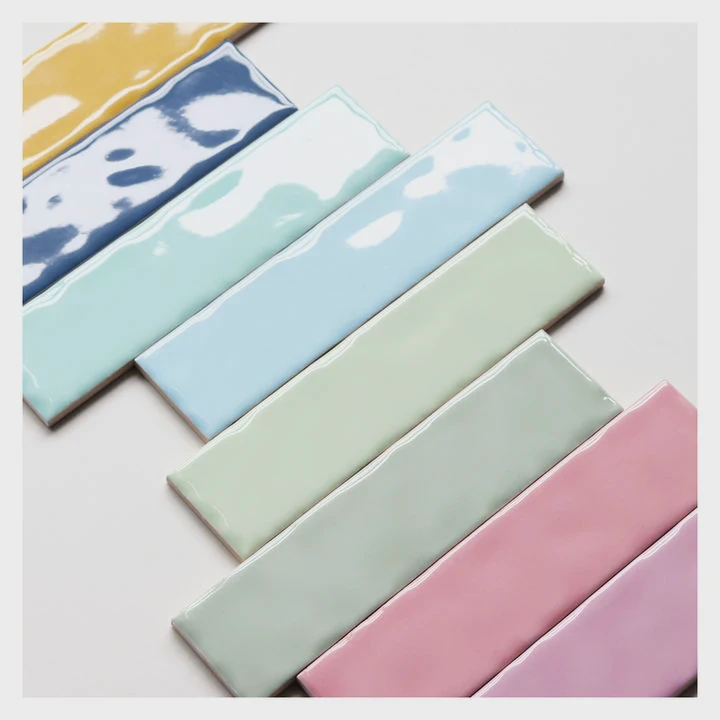
Waterproofing is the most important part of a tile shower. Tile itself is not waterproof. Grout is also not fully waterproof. The protection comes from the membrane system underneath.
Over the years, I have seen many failed projects caused by shortcuts during waterproofing. Some installers believe thicker grout or extra adhesive will stop water. That is not true.
Common Waterproofing Systems
There are two main waterproofing methods used today.
| Waterproofing Type | Features | Best Use |
|---|---|---|
| Liquid membrane | Brushed or rolled on | Residential projects |
| Sheet membrane | Pre-made waterproof sheets | Luxury and commercial projects |
Liquid membranes are flexible and easy to apply. Sheet membranes often provide more consistent thickness.
Critical Waterproof Areas
The highest risk areas include:
- Corners
- Drain edges
- Wall joints
- Shower niches
- Bench seating
- Pipe penetrations
Every seam must be sealed completely.
Why Shower Slope Matters
Waterproofing fails quickly if water does not drain correctly. The shower floor should slope around 1⁄4 inch per foot toward the drain.
Without slope:
- Water pools under tile
- Mold grows faster
- Grout stains appear
- Tile adhesive weakens
Flood Testing the Shower
Professional installers often perform a flood test before tiling.
The process is simple:
- Plug the drain
- Fill the shower base with water
- Leave for 24 hours
- Check for leaks
This step helps prevent major repair costs later.
Waterproofing and Tile Choice
Porcelain tiles are usually the best option for wet areas because they absorb very little water. Some natural stones absorb more moisture and require additional sealing.
Many contractors working on hotels and apartment towers now prefer complete waterproof shower systems because they reduce warranty claims and maintenance costs. Long term durability matters far more than short term savings.
Which Materials Provide Long Term Durability?
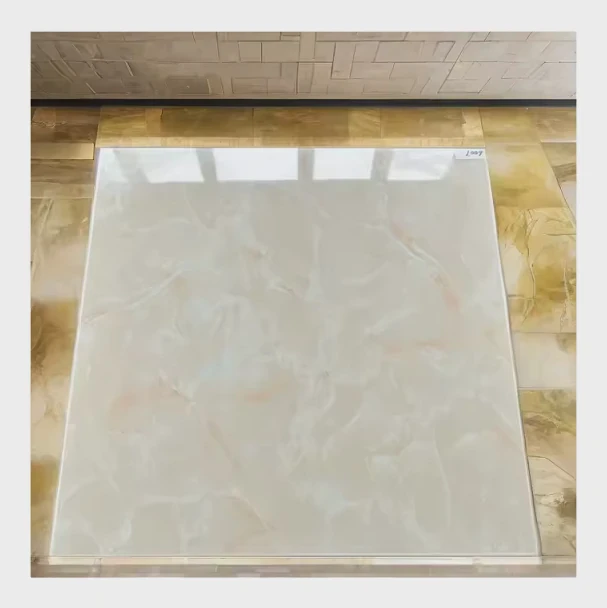
Some shower materials look attractive at first but fail after years of moisture exposure. Cheap products often crack, stain, or lose surface quality much faster.
Porcelain tiles, cement boards, epoxy grout, stainless drains, and high quality waterproof membranes provide the best long term durability for walk in showers.
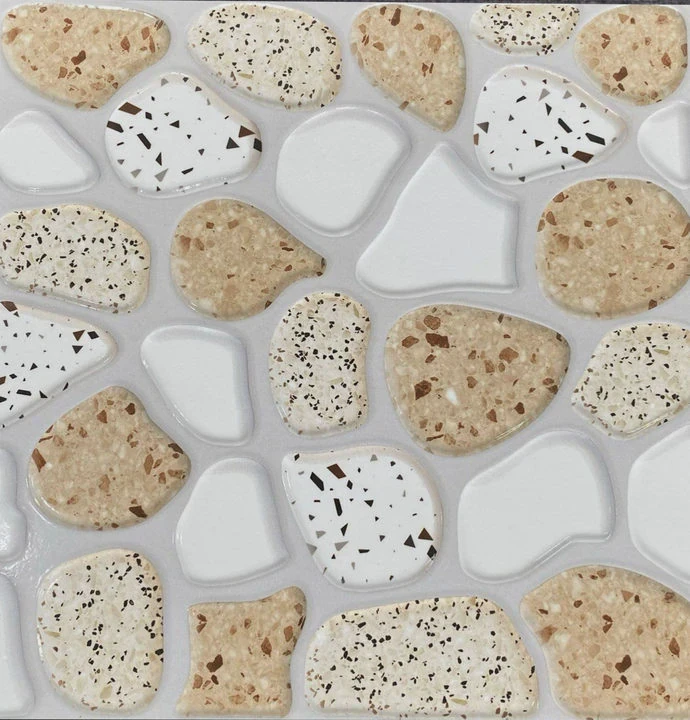
Material quality directly affects the life of the shower. A strong installation using weak materials still creates problems later. Many project buyers now focus on life cycle cost instead of only purchase price.
Best Tile Materials for Walk In Showers
Porcelain tiles remain the most reliable choice because they combine strength, low water absorption, and design flexibility.
Here is a comparison of common materials:
| Material | Durability | Water Resistance | Maintenance |
|---|---|---|---|
| Porcelain tile | Excellent | Excellent | Low |
| Ceramic tile | Good | Good | Medium |
| Natural stone | Medium | Medium | High |
| Glass mosaic | Good | Excellent | Medium |
Large format porcelain tiles are now common in luxury projects because they create fewer grout lines and easier cleaning.
Strong Substrate Materials
The tile surface depends on the substrate underneath.
Good options include:
- Cement board
- Foam waterproof boards
- Mortar beds
- Reinforced shower pans
Weak substrates flex under pressure and eventually crack grout lines.
Choosing the Right Adhesive
Not all tile adhesive performs equally in wet conditions.
A quality thin set should offer:
- Water resistance
- Strong bonding
- Flexibility
- Mold resistance
Cheap adhesive often loses bonding strength over time.
Why Epoxy Grout Performs Better
Traditional cement grout absorbs moisture more easily. Epoxy grout costs more but provides stronger water and stain resistance.
Epoxy grout works well for:
- Hotels
- High traffic bathrooms
- Luxury homes
- Commercial showers
Drain and Hardware Quality
Low quality metal parts often rust in humid environments. Stainless steel drains and hardware provide better long term value.
Contractors handling large projects often standardize durable materials across all units. This helps reduce future maintenance complaints. In export markets, buyers also care about consistent sizing, stable supply, and reliable packaging because damaged tiles create installation delays and extra labor costs.
When Should Grout and Sealant Be Applied?
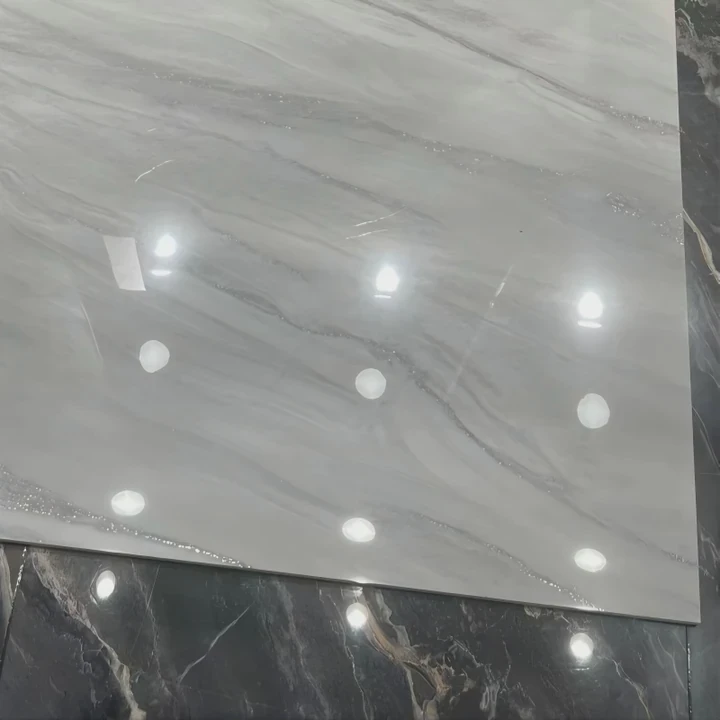
Many installers rush grout and sealant work too early. This creates weak joints, discoloration, and moisture problems inside the shower system.
Grout should be applied after tile adhesive fully cures, while silicone sealant should be added last at movement joints, corners, and edge transitions.
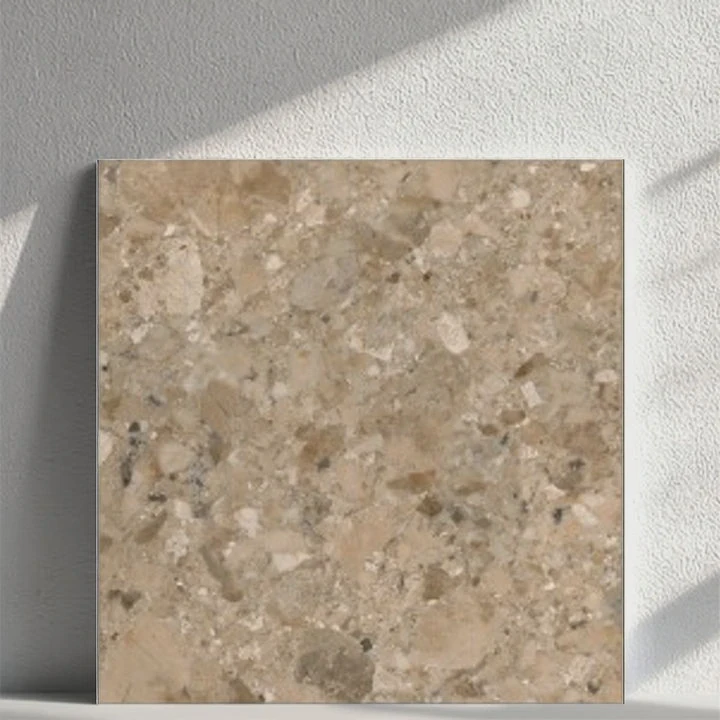
The final stage of shower installation affects both appearance and long term durability. Good grout lines make the shower look clean and professional. Poor finishing work becomes visible immediately.
When to Apply Grout
Most installers wait at least 24 hours after tile installation before grouting. Some large format tiles or cooler environments may require longer curing time.
The installer should confirm:
- Tiles are fully fixed
- Thin set is dry
- Tile joints are clean
- Surface dust is removed
Applying grout too early traps moisture underneath.
Proper Grouting Process
The grout should fill joints completely without gaps.
Basic process:
- Mix grout correctly
- Spread diagonally across joints
- Remove excess grout
- Clean with damp sponge
- Allow curing time
Poor cleaning leaves haze on the tile surface.
Where Sealant Should Be Used
Sealant handles movement areas better than grout.
Sealant belongs in:
- Wall corners
- Floor transitions
- Ceiling joints
- Around fixtures
- Glass panel edges
Silicone sealant stays flexible while grout can crack under movement.
Why Expansion Joints Matter
Buildings naturally expand and shift over time. Temperature and moisture changes also create movement.
Without flexible joints:
- Grout cracks
- Tiles loosen
- Water enters gaps
This issue appears often in commercial buildings and hotels with heavy shower use.
Final Sealing and Maintenance
Some grout types require sealing after curing. Natural stone surfaces may also need protective sealers.
Maintenance tips include:
- Clean with mild products
- Avoid strong acids
- Check sealant yearly
- Repair cracked joints early
A properly finished shower can last for decades with basic maintenance. Many professional buyers now choose porcelain tile systems because they offer easier long term care and lower replacement costs compared with cheaper materials.
Conclusion
A successful walk in tile shower depends on careful preparation, strong waterproofing, durable materials, and proper finishing work. Every layer matters. A well built shower not only looks modern but also delivers long term value, lower maintenance, and better customer satisfaction.