How to Clean Zellige Tile?
- Sinotiles
- 2026-08-31
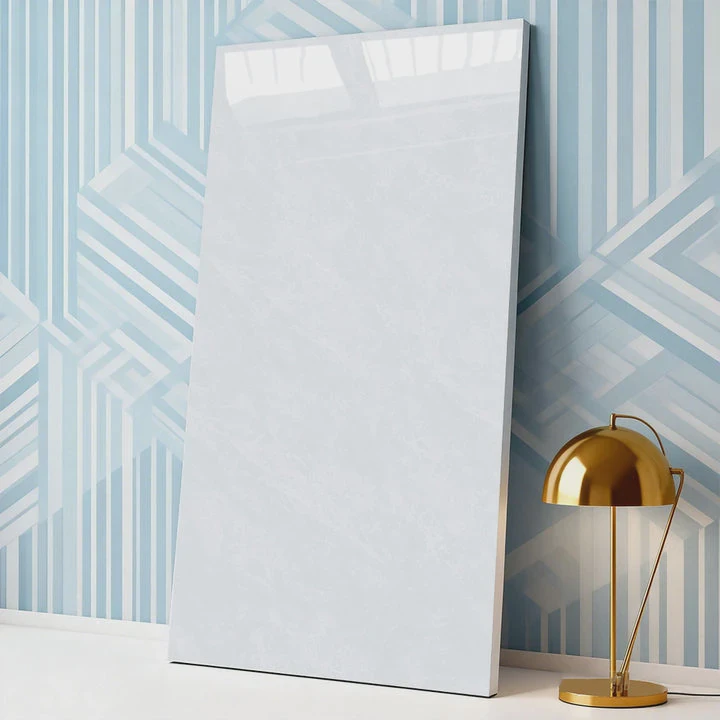
Zellige tile looks rich and handmade, but poor cleaning habits can quickly dull its surface, stain grout, or damage the finish.
The best way to clean zellige tile is to use warm water, a mild pH-neutral cleaner, and a soft cloth or sponge. Avoid acidic cleaners, harsh chemicals, abrasive pads, and hard brushes. Clean spills quickly, use little pressure, and dry the surface after cleaning to protect the handmade finish.
The key is not stronger cleaning power. The key is controlled cleaning. Zellige has natural surface changes, small pits, uneven edges, and color variation. These features give the tile its character, but they also mean the surface needs a gentler cleaning method than many standard ceramic surfaces.
What Is the Best Way to Clean Zellige Tiles?
Daily dirt can slowly collect around the uneven surface of zellige. If the wrong cleaner is used, a beautiful handmade finish may become dull or marked.
The best way to clean zellige tiles is to remove loose dust first, wipe the surface with warm water and a mild pH-neutral cleaner, rinse with clean water, and dry it with a soft cloth. Spills should be cleaned quickly so liquids do not remain on the tile or grout.
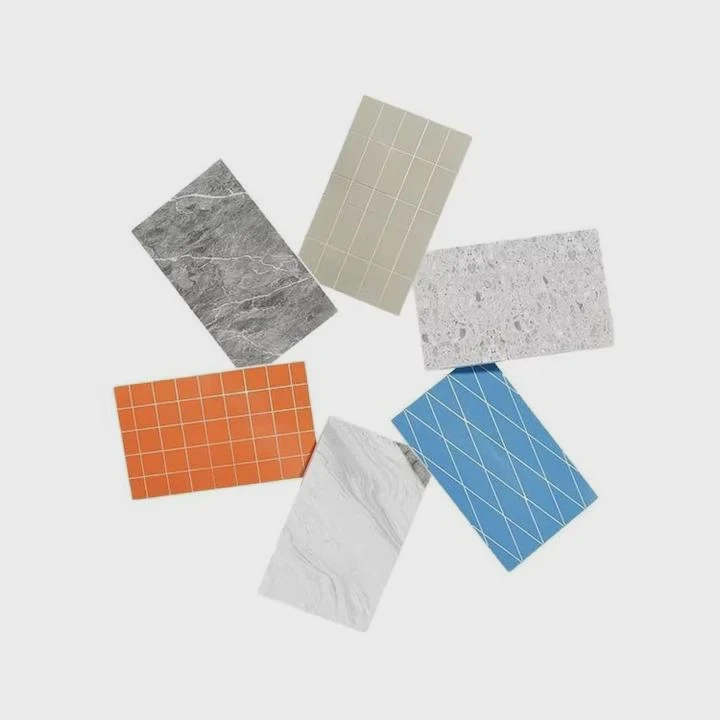
Start With the Least Aggressive Method
When cleaning zellige, the first rule I follow is simple: start gently. A surface should not be exposed to a strong chemical when warm water can do the job.
Loose dust, sand, and small particles should be removed before wet cleaning. These particles can act like sandpaper when they are pushed across the surface. A soft microfiber cloth, soft mop, or vacuum with a suitable floor attachment can remove this material.
For light daily dirt, warm water may be enough. A soft cloth or sponge can be dampened and passed over the surface without heavy pressure. For grease, fingerprints, or normal household dirt, a small amount of pH-neutral cleaner can be added.
The cleaner should not be poured directly onto the tile in a concentrated form. It is better to dilute it according to its instructions. The surface can then be wiped gently.
After cleaning, fresh water should remove any cleaner left on the tile. A soft towel can then dry the surface. This last step is useful because standing water may leave mineral marks, mainly in areas with hard water.
A Simple Cleaning Routine
| Cleaning Situation | Recommended Method | What to Avoid |
|---|---|---|
| Daily dust | Soft cloth, soft mop, or suitable vacuum | Hard brushes and abrasive pads |
| Light dirt | Warm water and soft sponge | Heavy scrubbing |
| Grease or fingerprints | Diluted pH-neutral cleaner | Strong degreasers |
| Fresh spills | Blot and clean quickly | Leaving liquid on the surface |
| Cleaner residue | Rinse with clean water | Adding more cleaner |
| Water marks | Dry with microfiber cloth | Letting water air-dry repeatedly |
Zellige also has a surface that is intentionally irregular. A small depression or uneven glaze should not automatically be treated as dirt. Aggressive scrubbing may not remove it because it is part of the tile itself.
This point matters when tiles are used in kitchens, bathrooms, hotels, restaurants, and decorative walls. Maintenance staff may see irregularities and try to scrub them away. Clear cleaning instructions can prevent this problem.
For a new installation, I also recommend checking the tile supplier’s care instructions and the type of grout and sealer used. Cleaning needs can change depending on whether the tile is glazed, unglazed, sealed, or installed in a wet area.
How Can You Avoid Damaging Handmade Tile Surfaces?
Handmade tiles are valuable because every piece can look slightly different. Yet the same irregular finish that creates this beauty can make careless cleaning more risky.
You can avoid damaging handmade tile surfaces by using soft cleaning tools, pH-neutral products, low pressure, and short contact times. Do not use acidic chemicals, abrasive powders, metal tools, or stiff brushes. Test any new cleaning product on a small hidden area before using it across the full installation.
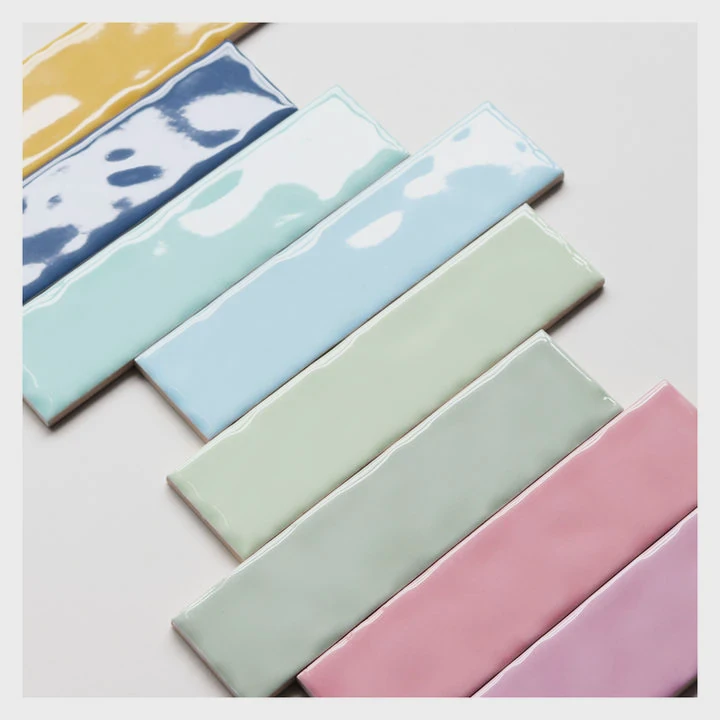
Understand What Makes Handmade Tile Different
A factory-made tile is usually designed for a high level of consistency. Handmade zellige follows a different visual idea. Variations in tone, glaze, edges, thickness, and surface texture can be normal.
Cleaning should respect these differences.
One common mistake is treating every dark spot, small pit, or surface variation as a defect or stain. A person may keep scrubbing because the mark does not disappear. The problem is that the mark may be part of the glaze or handmade body.
Another risk comes from acidic products. Vinegar and similar household cleaning products are often suggested for tile cleaning. They are not a universal solution. Acid can react with cement-based grout and may affect some tile surfaces, sealers, or nearby materials.
Abrasive cleaners create another problem. A rough powder, scouring pad, or stiff brush may produce small scratches. The effect may not be obvious after one cleaning. Repeated cleaning can make the surface look less attractive over time.
Use a Test Area
Before a new cleaner is used across a wall or floor, it should be tested in a small and less visible area.
The test should answer a few simple questions:
- Does the cleaner change the shine?
- Does the color look different after drying?
- Does the grout become lighter or darker?
- Does the surface feel rougher?
- Does the sealer appear affected?
The test area should be allowed to dry fully before a decision is made. A wet tile can look darker than a dry tile, so checking it too early may give the wrong impression.
Pay Attention to Grout and Sealers
Tile cleaning is not only about the tile.
Grout joints often react differently from the glazed surface. Cement-based grout can be more sensitive to acidic products. Sealers can also have their own chemical limits. A cleaner that appears safe on the tile could still cause trouble in the joints.
This becomes more important in commercial projects. Hotels, restaurants, retail stores, and residential developments may use cleaning machines and concentrated chemicals. A maintenance plan should match the installed materials rather than use one cleaner for every surface.
A simple care sheet given to the property owner or cleaning team can reduce future problems. The sheet can explain the approved cleaner, dilution level, cleaning tools, and products that should not be used.
Why Use Mild Cleaners on Zellige Tiles?
A strong cleaner may seem like the fastest answer to stains. But stronger chemicals can create a second problem by attacking grout, sealers, or the character of the tile surface.
Mild cleaners are better for routine zellige tile care because they remove normal dirt with less risk to the glaze, grout, and sealer. A pH-neutral cleaner is usually the safer choice for regular maintenance. Strong acids, bleach mixtures, and abrasive products should not be treated as normal everyday cleaners.
Stronger Does Not Always Mean Cleaner
Cleaning products work through chemistry, physical action, time, and temperature. More chemical strength is not always necessary.
Most routine dirt in a home or commercial space is not a serious stain. Dust, light grease, soap residue, fingerprints, and small food marks often need only warm water and a mild cleaner.
Using a strong chemical for this type of dirt creates unnecessary risk.
A pH-neutral cleaner is useful because it avoids the high acidity or alkalinity found in many heavy-duty products. This does not mean every product marked “neutral” is automatically suitable. The manufacturer’s directions still matter. A test area is still useful.
The amount of cleaner also matters. People often assume that adding more cleaner will improve the result. In practice, too much product can leave a film. That film can attract more dirt and make the surface look cloudy.
Correct dilution is usually more effective.
Cleaner Types at a Glance
| Product Type | Routine Zellige Cleaning | Main Concern |
|---|---|---|
| Warm water | Good for light cleaning | May not remove grease alone |
| pH-neutral tile cleaner | Usually suitable | Follow dilution instructions |
| Mild soap solution | Can work for light dirt | Too much may leave residue |
| Vinegar | Best avoided for routine care | Acid may affect grout or other materials |
| Acidic descaler | Not for general cleaning | Can be too aggressive |
| Abrasive powder | Avoid | May scratch or dull surfaces |
| Strong alkaline cleaner | Use only with specific approval | May affect finishes or sealers |
| Bleach-based cleaner | Not a default choice | Compatibility must be checked |
The word “mild” also describes the whole cleaning process, not only the chemical.
A mild process uses a soft tool, reasonable water temperature, limited pressure, and enough rinsing. All four factors work together.
For example, a neutral cleaner combined with a very abrasive pad is still a poor cleaning method. In the same way, a soft sponge does not make a strong acid safe.
Deal With Stains Carefully
A difficult stain should first be identified.
Oil, soap residue, mineral deposits, food, paint, grout haze, and construction dirt are different materials. They may need different solutions. Randomly applying stronger chemicals can make stain removal harder.
For a new project, construction cleaning deserves special attention. Grout haze should not simply be attacked with an acid cleaner because acid may create problems with grout, tile, or other installed materials.
The better approach is to follow the installation material manufacturer’s cleaning instructions. The grout type, tile finish, sealer, and installation conditions should all be considered.
This is also why maintenance planning should begin before a large tile order is installed. A buyer should know not only how the tile looks but also how the finished surface will be maintained over years of use.
Which Tools Are Safe for Delicate Tile Cleaning?
The cleaner gets much of the attention, but the wrong brush or pad can damage a surface even when the chemical itself is mild.
Safe tools for delicate zellige tile cleaning include microfiber cloths, soft sponges, soft mops, non-abrasive pads, and soft-bristle brushes when needed. Avoid steel wool, metal scrapers, rough scouring pads, and very stiff brushes because they can scratch, dull, or mark handmade tile surfaces.
Match the Tool to the Dirt
A cleaning tool creates physical force against the tile. That force can help remove dirt, but too much friction can also change the surface.
For routine wall cleaning, a microfiber cloth is one of the simplest choices. It can collect dust and light dirt without aggressive scrubbing.
A soft sponge is useful for larger areas and for cleaning around uneven surfaces. The sponge should be clean. A sponge that contains sand, dried grout, or other hard particles can scratch even if the sponge itself is soft.
Floors need similar care. A soft mop works well for routine maintenance. Before mopping, loose grit should be removed. Otherwise, the mop may drag hard particles across the floor.
A soft-bristle brush can be useful around grout joints or textured areas. Pressure should remain controlled. The goal is to loosen dirt, not grind the surface.
Avoid Improvised Scraping
Dried material can tempt people to reach for a metal scraper, knife, or other hard object. This is risky.
A metal edge can chip an irregular tile edge or leave a permanent mark on the glaze. Handmade surfaces are not perfectly flat, so a scraper may catch a raised point unexpectedly.
If material has hardened on the tile, the substance should first be identified. A suitable removal method can then be chosen based on the tile, grout, sealer, and contaminant.
Power cleaning tools also need care. A machine that works well on a durable commercial floor may be too aggressive for a delicate decorative installation. Pads, brush stiffness, machine speed, and pressure can all change the result.
Build a Small Zellige Cleaning Kit
For normal maintenance, the cleaning kit does not need to be complicated. A practical kit can contain:
- Clean microfiber cloths
- A soft non-abrasive sponge
- A soft mop for floor installations
- A small soft-bristle brush for joints
- Two buckets, one for cleaning solution and one for clean rinse water
- A suitable pH-neutral cleaner
- Soft dry towels for final drying
Separate tools can also be useful in busy commercial spaces. A cloth used for greasy kitchen equipment should not be used on decorative tile. Dirt and chemicals from another surface can be transferred to the zellige.
Tool condition matters as much as tool type. An old sponge can collect grit. A dirty mop can spread residue. A worn brush may develop hard or uneven edges.
The cleaning process should therefore include checking the tools before they touch the tile.
For project buyers, distributors, and contractors, this is a small detail with a large effect. A good tile can perform well for many years, but the maintenance team needs clear instructions. Simple tools, mild products, and a repeatable routine make the surface easier to manage and reduce the chance of accidental damage.
Conclusion
Zellige tile does not need aggressive cleaning. Warm water, mild pH-neutral cleaner, soft tools, gentle pressure, proper rinsing, and quick spill removal are usually the best approach. Careful maintenance protects the handmade surface, grout, and finish while keeping the natural variation that makes zellige attractive.