How to Cut Ceramic Tile?
- Sinotiles
- 2026-01-27
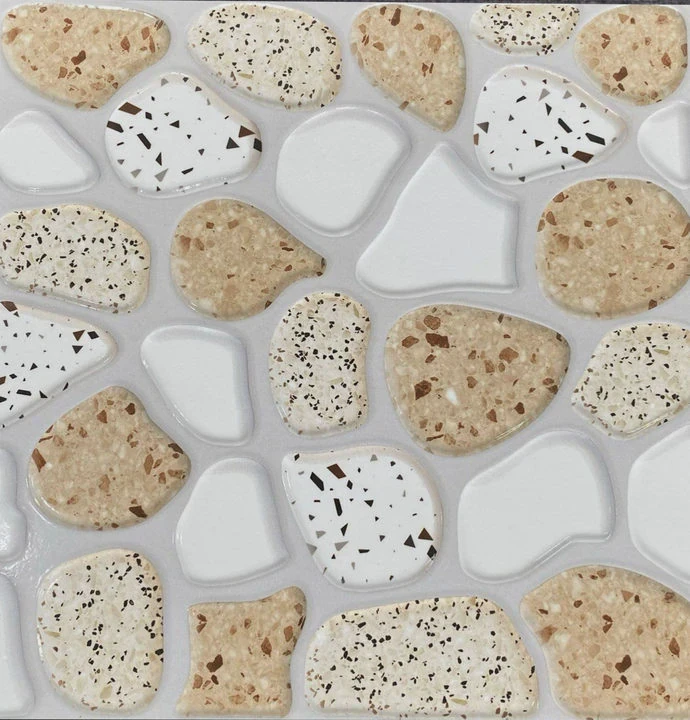
Cutting ceramic tile feels intimidating at first. Many people fear cracks, waste, and injury. This fear slows projects and raises costs. The reality is clear. Ceramic tile can be cut cleanly with the right tools, steps, and safety habits.
Ceramic tile cutting is a practical skill. With proper tools and steady technique, clean edges and accurate shapes are achievable. The key is choosing the correct cutter, controlling pressure, and protecting both tile and body.
Most tile problems come from rushing. Understanding how tiles behave under pressure helps avoid mistakes. Once the process is clear, cutting becomes predictable and repeatable.
Which Tools Are Best for Cutting Ceramic Tile?
Using the wrong tool causes chips and breaks. Many beginners try to force one tool to do everything. This leads to wasted tile and uneven edges.
The best tools for cutting ceramic tile include manual tile cutters, wet saws, tile nippers, and angle grinders. Each tool fits a specific type of cut and tile thickness.
Manual Tile Cutters
Manual tile cutters are common and easy to use. They work best for straight cuts on standard ceramic tiles.
This tool scores the tile surface with a carbide wheel. Pressure then snaps the tile along the line.
Manual cutters are quiet and clean. They do not create dust. They are ideal for beginners and small projects.
They do not handle thick or textured tiles well. Curved cuts are not possible with this tool.
Wet Tile Saws
Wet saws use a diamond blade and water. Water cools the blade and reduces dust.
This tool makes clean, precise cuts. It works on thick ceramic tiles and detailed shapes.
Wet saws are louder and require setup. Water management is important to avoid mess.
This tool is often used for professional work or large projects.
Angle Grinders with Diamond Blades
Angle grinders are versatile. They handle straight cuts, curves, and notches.
They produce more dust and noise. Control and safety matter when using this tool.
Angle grinders are useful for small adjustments and irregular cuts.
Tile Nippers
Tile nippers remove small pieces of tile. They are used for fine shaping.
This tool is slow and requires patience. It works best for small curves or tight spaces.
Tile nippers do not replace saws. They support detail work.
Tool Comparison Table
| Tool | Best Cut Type | Skill Level | Dust Level |
|---|---|---|---|
| Manual Tile Cutter | Straight cuts | Low | None |
| Wet Tile Saw | Straight and angled | Medium | Low |
| Angle Grinder | Curves and notches | High | High |
| Tile Nippers | Small shaping | Medium | Low |
Choosing the right tool saves time and tile. Matching the tool to the cut type prevents damage.
How Do You Cut Ceramic Tiles Without Chipping?
Chipped edges ruin the look of tile work. Chips also weaken tile edges. This problem often comes from poor technique, not bad tools.
To cut ceramic tile without chipping, use steady pressure, score once, support the tile, and keep blades sharp. Each step protects the glaze.
Score Once with Even Pressure
Scoring creates a guide line. Multiple passes weaken the surface unevenly.
Apply firm, even pressure. Listen for a consistent scratching sound.
A clean score helps the tile break along the line instead of wandering.
Support the Tile Properly
Unsupported tile flexes during cutting. This causes cracks and chips.
Place tile flat on the cutter base or saw table. Make sure the entire tile is supported.
For wet saws, guide the tile slowly without forcing it.
Keep Blades Sharp and Clean
Dull blades tear at the glaze. This causes rough edges.
Diamond blades wear over time. Replace them when cutting feels rough.
Clean blades remove debris buildup and cut smoother.
Control Speed and Pressure
Rushing causes vibration. Vibration leads to chips.
Let the tool do the work. Move slowly and keep pressure steady.
Slower cuts produce cleaner edges.
Smooth the Cut Edge
Even clean cuts may have sharp edges. Use a rubbing stone or sandpaper.
Light sanding smooths the edge and removes micro chips.
This step improves safety and appearance.
Common Causes of Chipping
- Too much pressure
- Dull cutting wheel
- Poor tile support
- Cutting too fast
Understanding these causes helps prevent repeat mistakes.
Can Ceramic Tile Be Cut Into Curves or Circles?
Straight cuts are simple. Curves feel more complex. Many projects need holes or rounded edges.
Ceramic tile can be cut into curves and circles using angle grinders, tile nippers, hole saws, or wet saw techniques. The method depends on shape and size.
Cutting Curves with an Angle Grinder
Angle grinders handle gentle curves well. Mark the curve clearly on the tile.
Make small, shallow passes. Do not try to cut the curve in one motion.
Gradual shaping reduces stress on the tile.
Using Tile Nippers for Fine Curves
Tile nippers remove small sections. They are useful after rough cutting.
Nibble away small pieces along the curve line.
This method takes time but offers control.
Drilling Circles with Hole Saws
Diamond hole saws cut clean circles. They are used for pipes and fixtures.
Use water to cool the bit. Start drilling at an angle, then straighten.
Slow speed prevents cracking.
Wet Saw Techniques for Curves
Some curves can be made with multiple straight cuts. These cuts form small tabs.
Tabs are then removed with nippers. The edge is smoothed after.
This method works for larger curves.
Curve Cutting Method Table
| Shape | Best Tool | Difficulty | Accuracy |
|---|---|---|---|
| Gentle Curve | Angle Grinder | Medium | High |
| Small Curve | Tile Nippers | Medium | Medium |
| Circle Hole | Hole Saw | Medium | High |
| Large Curve | Wet Saw + Nippers | High | High |
Curved cuts need patience. Planning the cut path reduces mistakes.
What Safety Precautions Are Needed When Cutting Tile?
Tile cutting creates sharp edges and dust. Ignoring safety leads to injury. Protection should never be skipped.
Proper safety precautions include eye protection, gloves, dust control, stable work surfaces, and correct tool handling. These habits prevent accidents.
Eye and Face Protection
Tile chips fly during cutting. Small fragments can cause eye injury.
Wear safety glasses at all times. Face shields offer extra protection for grinders.
Clear vision prevents mistakes.
Hand and Skin Protection
Cut tiles have sharp edges. Gloves protect hands from cuts.
Do not wear loose gloves near spinning blades. Use fitted gloves instead.
Long sleeves protect arms from debris.
Dust Control and Breathing Safety
Cutting tile creates fine dust. This dust irritates lungs.
Use wet cutting methods when possible. Wear a dust mask for dry cutting.
Work in well-ventilated areas.
Stable Work Surface
Unstable tiles shift during cutting. This causes slips and broken tiles.
Clamp tiles when needed. Ensure saws sit on level ground.
Stable surfaces improve accuracy and safety.
Tool Handling and Setup
Check tools before use. Secure blades tightly.
Keep hands away from blades. Follow manufacturer guidelines.
Turn tools off before adjustments.
Basic Safety Checklist
- Safety glasses
- Gloves
- Dust mask
- Stable table
- Sharp blades
Safety habits protect both the project and the person. Careful setup prevents most accidents.
Conclusion
Cutting ceramic tile becomes manageable with the right tools, techniques, and safety steps. Clean cuts, smooth edges, and careful planning reduce waste and risk. With practice, tile cutting turns from fear into skill.