How to Cut Tile on a Curve?
- Sinotiles
- 2026-04-15
Cutting tiles in curves often feels frustrating. Straight cuts are easy, but curves bring mistakes, cracks, and wasted material.
The best way to cut tile on a curve is to use the right tools, mark the curve clearly, and apply controlled cutting techniques to avoid breakage and ensure smooth edges.
Many people give up after a few failed attempts. But with the right process, curved tile cutting becomes predictable and clean.
What tools are best for cutting curved tile shapes?
Cutting curves with the wrong tool causes chipped edges and uneven shapes. Many beginners struggle because they rely only on tile cutters.
The best tools for curved tile cutting are angle grinders with diamond blades, tile nippers, wet saws with adjustable blades, and hole saws for circular cuts.
When working with curved tile cuts, tool selection makes the biggest difference. Each tool serves a specific purpose, and using them together often gives the best result.
Key Tools for Curved Tile Cutting
| Tool Type | Best Use Case | Pros | Cons |
|---|---|---|---|
| Angle Grinder | Freehand curves | Flexible, fast | Needs control, creates dust |
| Tile Nippers | Small adjustments | Cheap, precise | Slow for large cuts |
| Wet Saw | Smooth controlled cuts | Clean edges | Limited for tight curves |
| Hole Saw | Perfect circular cuts | Accurate holes | Limited shapes |
Why Tool Choice Matters
A simple manual cutter cannot handle curves because it is designed for straight pressure lines. When trying to force a curve, the tile breaks unpredictably.
An angle grinder becomes the most common choice because it allows freehand shaping. It uses a diamond blade that grinds instead of snapping. This reduces stress on the tile.
Tile nippers work as a support tool. After rough cutting with a grinder, nippers refine the edge. This step is important when working on visible areas like bathroom walls or kitchen backsplashes.
Combining Tools for Best Results
Using only one tool often leads to poor results. A better method follows this flow:
- Mark the curve clearly
- Use an angle grinder for rough shaping
- Refine with tile nippers
- Smooth edges with sanding pad
Real-World Insight
In many projects, curved cuts appear around pipes, columns, or custom design layouts. A combination of tools ensures flexibility and accuracy.
The key idea is simple: no single tool does everything well. Success comes from using the right tool at the right stage.
How do you mark curves accurately on tiles?
Many cutting mistakes begin before the blade even touches the tile. Poor marking leads to wrong cuts and wasted materials.
To mark curves accurately on tiles, use templates, flexible rulers, or tracing methods to ensure the curve matches the actual surface or object.
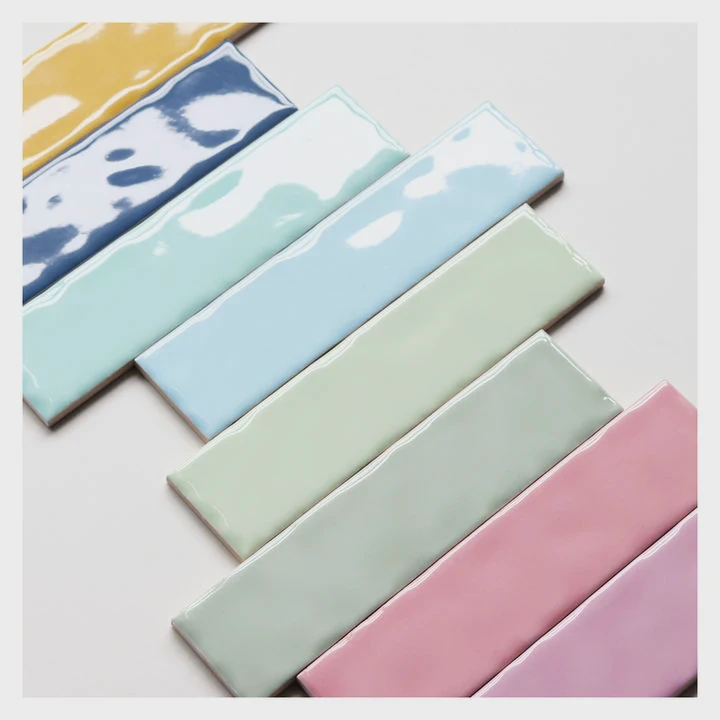
Marking is one of the most overlooked steps. A clean cut depends on a clear guide. Without it, even the best tools cannot deliver good results.
Common Marking Methods
| Method | Best For | Accuracy Level | Ease of Use |
|---|---|---|---|
| Paper Template | Complex curves | High | Medium |
| Flexible Ruler | Smooth arcs | Medium | Easy |
| Direct Tracing | Pipes, fixtures | High | Easy |
| Compass Tool | Circular cuts | Very High | Medium |
Step-by-Step Marking Process
- Place the tile in its installation position
- Identify where the curve is needed
- Use a template or object to trace the shape
- Mark using a pencil or marker clearly
- Double-check alignment before cutting
Why Accuracy Matters
Even a small marking error becomes very visible after installation. Gaps, uneven grout lines, and poor fitting edges reduce the overall quality.
Accurate marking also reduces cutting stress. When the cut follows a smooth line, the blade moves naturally. This reduces vibration and prevents cracking.
Practical Tip from Experience
A simple trick often used is masking tape. Apply tape on the tile surface before marking. This improves visibility and reduces surface chipping during cutting.
Handling Complex Curves
For irregular shapes, templates work best. A cardboard cutout can be adjusted multiple times before transferring the final shape to the tile.
This reduces waste and ensures a better fit, especially in custom design projects.
Which techniques prevent cracking during curved cuts?
Cracking is the biggest problem when cutting curves. It wastes materials and slows down the project.
To prevent cracking, use gradual cutting techniques, avoid excessive pressure, keep the blade cool, and make multiple shallow passes instead of one deep cut.
Understanding how tiles behave during cutting is important. Tiles are strong under compression but weak under uneven stress. Curved cuts create uneven force, which leads to cracks.
Core Techniques to Prevent Cracking
1. Use Multiple Shallow Cuts
Instead of cutting through the tile in one pass, make several light passes along the curve. Each pass removes a small amount of material.
This reduces stress and prevents sudden breakage.
2. Keep the Blade Cool
Heat buildup weakens the tile structure. Using water or taking breaks helps keep the blade and tile cool.
3. Avoid Forcing the Cut
Let the blade do the work. Applying pressure increases the chance of cracking.
4. Start with Relief Cuts
Relief cuts are small straight cuts leading toward the curve. They reduce tension and make curved shaping easier.
Technique Comparison Table
| Technique | Purpose | Result |
|---|---|---|
| Shallow Passes | Reduce stress | Cleaner cuts |
| Cooling Blade | Prevent overheating | Less cracking |
| Relief Cuts | Release pressure | Easier shaping |
| Slow Movement | Maintain control | Smooth edges |
Why Tiles Crack
Cracks usually happen due to uneven force. When cutting curves, some parts of the tile resist more than others. This creates internal tension.
If the tension becomes too high, the tile breaks suddenly.
Practical Workflow
A reliable workflow looks like this:
- Mark the curve clearly
- Make small relief cuts
- Use a grinder for rough shaping
- Smooth slowly with multiple passes
Real Project Insight
In large-format tiles, cracking risk increases. The size makes stress distribution uneven. In such cases, extra patience and slower cutting speed are essential.
The idea is simple: reduce stress at every step.
Can angle grinders improve curved cutting precision?
Many professionals prefer angle grinders for curved cuts. But beginners often find them hard to control.
Yes, angle grinders can greatly improve curved cutting precision when used with proper technique, steady hands, and a high-quality diamond blade.
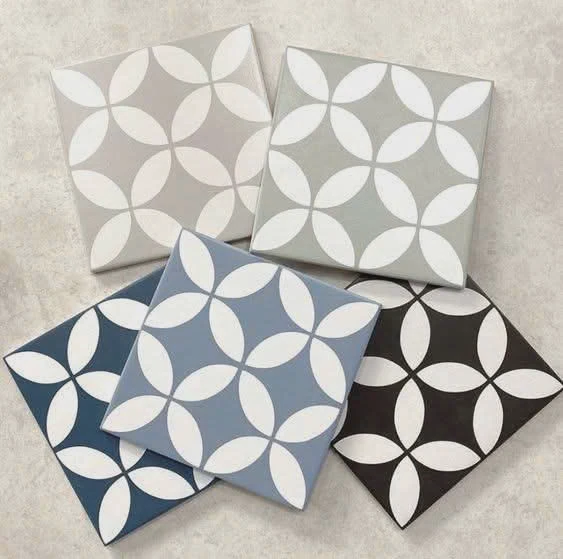
Angle grinders are powerful tools. They allow freehand cutting, which is necessary for curves. However, precision depends on skill and control.
Advantages of Angle Grinders
- Flexible cutting direction
- Suitable for complex shapes
- Fast material removal
- Works on different tile types
Challenges to Consider
- Produces dust
- Requires steady control
- Risk of overcutting
How to Improve Precision
1. Use a Continuous Rim Diamond Blade
This type of blade produces smoother cuts compared to segmented blades.
2. Maintain a Steady Hand
Hold the grinder firmly with both hands. Keep movement slow and controlled.
3. Follow the Line Gradually
Do not try to cut exactly on the line at once. Stay slightly outside, then refine.
4. Work in Sections
Break the curve into smaller parts. This improves control and accuracy.
Precision Tips Table
| Tip | Effect |
|---|---|
| Use guide lines | Better alignment |
| Cut outside the line | Allows correction |
| Slow speed | Improves control |
| Practice on scrap tile | Builds confidence |
Real Experience Insight
In many projects, the first few cuts feel difficult. But after some practice, control improves quickly.
A useful approach is to practice on leftover tiles. This builds muscle memory without risking good material.
When to Use Other Tools
Angle grinders are not always the best choice. For perfect circles, a hole saw is better. For fine finishing, tile nippers help more.
The key is balance. Use the grinder for shaping, then refine with other tools.
Conclusion
Curved tile cutting becomes simple with the right tools, accurate marking, and careful technique. Control and patience matter more than speed. When each step is done properly, clean and professional results follow.