What Size Trowel for 12x24 Tile?
- Sinotiles
- 2026-04-15
Large format tiles often fail due to poor bonding. Many installers choose the wrong trowel size. This leads to hollow spots, cracks, and costly repairs.
For 12x24 tiles, a 1⁄2 inch square notch trowel is usually the best choice. It provides enough mortar to achieve proper coverage and strong adhesion.
Choosing the right trowel is not just a small detail. It directly affects tile performance, durability, and long-term satisfaction. Let’s break it down step by step.
Why does tile size affect trowel selection?
Small mistakes in tile installation often start with tool selection. Many people think all tiles can use the same trowel. This idea creates weak bonding and uneven surfaces.
Tile size affects trowel choice because larger tiles need more mortar to achieve full coverage and proper support.
When tile size increases, the surface area grows fast. A 12x24 tile is not just twice as big as a 12x12 tile. It covers double the area, which means it needs more adhesive underneath.
How tile size changes installation needs
Large tiles behave differently during installation. They are heavier. They also have less flexibility. Because of this, they need a thicker and more even mortar bed.
Key differences:
- Small tiles: Easier to press into mortar
- Large tiles: Harder to fully seat
- Large tiles: More risk of air gaps
- Large tiles: Require stronger support
The risk of poor coverage
If the trowel is too small, the mortar layer becomes too thin. This creates empty spaces under the tile. These gaps cause:
- Cracking under pressure
- Hollow sounds when tapped
- Weak bonding over time
Coverage standards
Industry standards often require:
- 80% coverage for dry areas
- 95% coverage for wet or outdoor areas
Large tiles make it harder to meet these numbers. That is why the correct trowel size is critical.
Tile flatness matters too
Not all tiles are perfectly flat. Some 12x24 tiles have slight warping. A larger trowel helps compensate for this issue by adding more mortar that can fill uneven spots.
Summary table: Tile size vs trowel need
| Tile Size | Mortar Requirement | Trowel Size Trend |
|---|---|---|
| Small (≤12”) | Low | Small notch |
| Medium (12–18”) | Medium | Medium notch |
| Large (≥12x24) | High | Large notch |
Choosing the right trowel is not optional. It is the foundation of a strong tile installation.
Which notch size ensures proper mortar coverage?
Many installers guess the notch size. This leads to uneven bonding. The right notch size ensures full contact between tile and substrate.
A 1⁄2 inch square notch trowel is the standard choice for 12x24 tiles because it provides enough mortar thickness for proper coverage.
Common trowel notch types
There are different notch shapes. Each one spreads mortar in a different way.
Main types:
- Square notch
- U-notch
- V-notch
For large format tiles like 12x24, square notch is the most reliable.
Why 1⁄2 inch works best
A 1⁄2 inch notch creates thick ridges of mortar. When the tile is pressed down, these ridges collapse and spread evenly.
This process helps:
- Eliminate air pockets
- Increase bonding surface
- Improve load support
What happens if notch is too small?
Using a 1⁄4 inch trowel for large tiles causes:
- Incomplete coverage
- Weak adhesion
- Increased tile failure risk
What if notch is too large?
Too much mortar can also be a problem:
- Tiles may sink unevenly
- Mortar may squeeze into joints
- Installation becomes messy
Recommended sizes for comparison
| Tile Size | Recommended Trowel |
|---|---|
| 12x12 | 1⁄4” to 3⁄8” |
| 12x24 | 1⁄2” square notch |
| 24x24 | 1⁄2” to 3⁄4” |
Back buttering adds extra support
For 12x24 tiles, many professionals also use back buttering. This means applying a thin layer of mortar on the back of the tile.
Benefits:
- Improves coverage
- Fills surface irregularities
- Increases bond strength
Real-world insight
In many projects, switching from a 3⁄8” to a 1⁄2” trowel immediately improves coverage results. It reduces callbacks and improves installation quality.
The notch size is not just a number. It directly affects the final performance of the tile.
How do you check adhesive coverage under tiles?
Many installers assume the tile is properly bonded. This assumption often leads to hidden failures. Checking coverage is simple but often ignored.
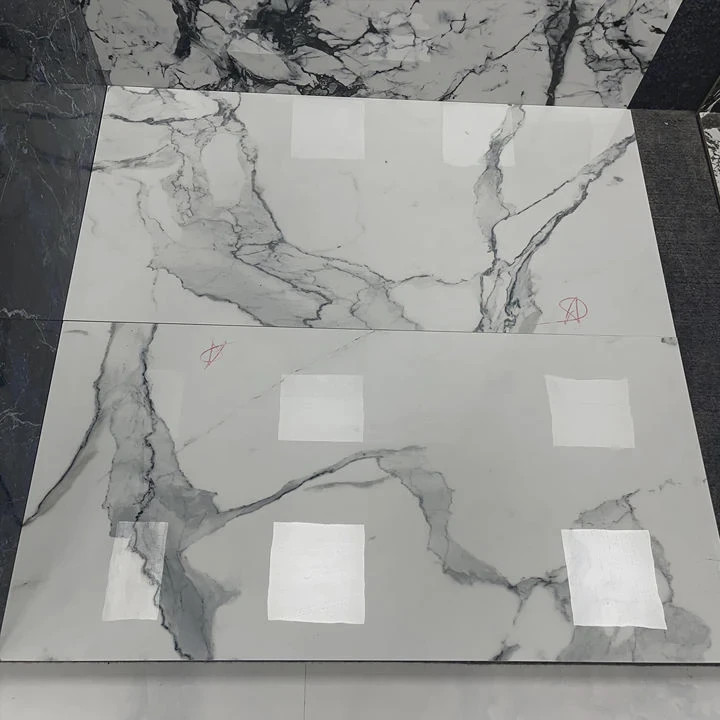
To check adhesive coverage, lift a tile after setting it and inspect the back to ensure at least 80–95% mortar contact.
The lift-and-check method
This is the most reliable way to confirm coverage.
Steps:
- Install the tile normally
- Press and move it slightly
- Lift it carefully
- Inspect the back surface
What to look for
You should see:
- Mortar covering most of the tile
- No large empty gaps
- Even distribution across the surface
Signs of poor coverage
- Visible ridges not flattened
- Dry spots
- Uneven mortar spread
Coverage standards explained
| Area Type | Required Coverage |
|---|---|
| Dry areas | Minimum 80% |
| Wet areas | Minimum 95% |
| Exterior areas | Minimum 95% |
Why this step matters
Skipping this check can lead to:
- Tile cracking under load
- Water penetration
- Long-term bond failure
Adjusting technique if needed
If coverage is not enough, you can:
- Use a larger trowel
- Apply more pressure
- Change trowel angle
- Add back buttering
Mortar direction matters
Always comb mortar in straight lines. Do not swirl. Straight lines allow air to escape when the tile is pressed down.
Real installation tip
Checking every few tiles at the start of the project helps ensure consistency. Once the correct method is confirmed, the process becomes faster and more reliable.
This simple check can save hours of repair work later.
Can larger trowels improve bonding strength?
Many people think bigger tools always mean better results. This is not always true. The relationship between trowel size and bonding strength is more complex.
Larger trowels can improve bonding strength if they provide better coverage, but excessive mortar can cause uneven tiles and installation issues.
How bonding strength works
Tile bonding depends on:
- Contact area
- Mortar quality
- Installation technique
More contact area usually means stronger bonding.
When larger trowels help
A larger trowel improves bonding when:
- Coverage increases
- Air gaps are reduced
- Tile fully contacts mortar
When larger trowels cause problems
Too much mortar can lead to:
- Tile lippage (uneven edges)
- Sliding tiles during installation
- Excess cleanup work
Balance is key
The goal is not the biggest trowel. The goal is the right amount of mortar.
Practical comparison
| Trowel Size | Bonding Effect | Risk Level |
|---|---|---|
| Too small | Weak bonding | High failure risk |
| Correct | Strong bonding | Low risk |
| Too large | Uneven installation | Medium risk |
The role of pressure
Even with a large trowel, poor pressure can reduce bonding. Tiles must be firmly pressed and slightly moved to collapse ridges.
Combining techniques
Best results often come from combining:
- Correct trowel size
- Back buttering
- Proper pressure
- Correct mortar consistency
Real project observation
In many commercial projects, using a 1⁄2” trowel with back buttering produces near-perfect coverage. This reduces long-term maintenance issues and increases client satisfaction.
Final thought on trowel size
A larger trowel is not a shortcut. It is a tool that must match the tile size and installation method.
Conclusion
Choosing the right trowel size for 12x24 tiles is essential. A 1⁄2 inch square notch ensures proper coverage, strong bonding, and long-term durability. Small details in installation create big differences in results.