How to Cut Vinyl Tile?
- Sinotiles
- 2026-04-30
Cutting vinyl tiles can be frustrating when edges are uneven or measurements are off. Many beginners struggle with messy cuts and wasted materials.
With the right tools and careful techniques, cutting vinyl tiles becomes manageable. You can achieve straight, clean edges that fit perfectly in any room. Proper preparation and method selection make all the difference.
Before diving into cutting, understanding the tools and methods ensures success. Even small mistakes can ruin a tile, so reading through best practices saves time and reduces waste.
What tools are best for cutting vinyl tiles?
Finding the right tools can make cutting easier and reduce errors. Using the wrong tool may cause cracking or jagged edges.
Best tools for cutting vinyl include utility knives, snap cutters, tile cutters, and jigsaws with fine blades. Each tool suits different cutting styles, from straight lines to curves.
Vinyl tiles are soft but can be tough in thick styles. Choosing a proper tool depends on the tile type and cut shape. Snap cutters work well for straight lines on standard tiles. They allow you to score and snap in one motion. Utility knives are versatile and affordable, suitable for thin vinyl tiles and small adjustments. A jigsaw or rotary tool with a fine-toothed blade is perfect for curves and intricate shapes.
Tool Comparison Table
| Tool | Best For | Pros | Cons |
|---|---|---|---|
| Utility Knife | Thin vinyl, small cuts | Cheap, precise | Requires patience, not ideal for thick tiles |
| Snap Cutter | Straight lines, medium tiles | Fast, easy to use | Limited to straight cuts |
| Jigsaw | Curves, irregular shapes | Flexible, precise | Needs careful handling |
| Tile Cutter | Large tiles | Smooth cuts, professional | More expensive, less portable |
Tips for Choosing Tools
- Check tile thickness before selecting a tool.
- Use a sharp blade to reduce jagged edges.
- For large projects, consider investing in a snap cutter or tile cutter.
- Always wear safety glasses and gloves.
How do you mark cuts accurately on vinyl?
Incorrect measurements lead to wasted tiles. Proper marking ensures cuts are exact and fit properly.
Use a pencil, chalk, or marker to mark lines. Measure twice, mark once, and follow the line carefully to avoid mistakes.
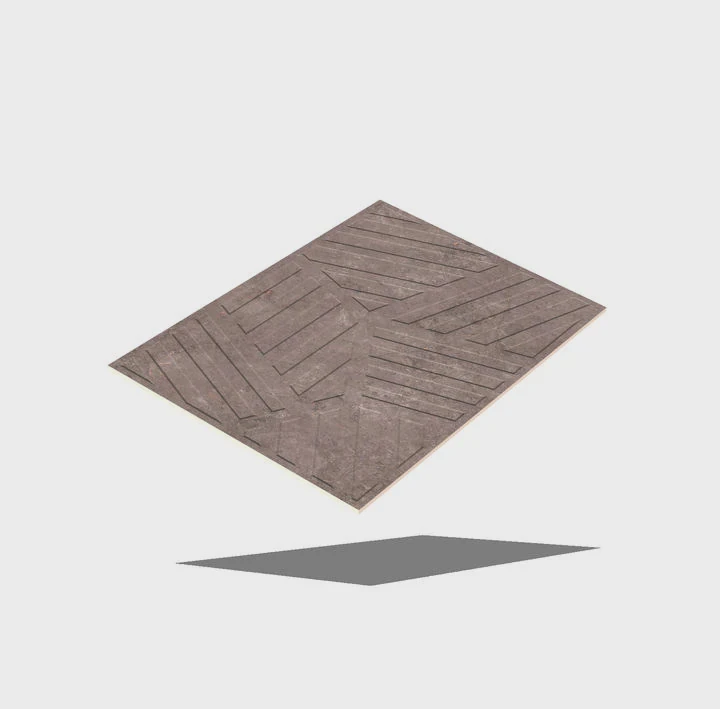
Marking vinyl tiles precisely requires clean, visible lines. Start by measuring the space where the tile will fit. Use a straightedge or ruler to draw lines. For curved or irregular cuts, templates or cardboard patterns help guide the shape. Mark both the top and underside of the tile for visibility. Remember that vinyl may shift during cutting, so secure it with masking tape if needed.
Step-by-Step Guide
- Measure the installation area.
- Use a ruler or T-square for straight lines.
- Mark the cutting line clearly on the tile surface.
- Use tape to prevent slipping when cutting.
- Double-check measurements before making the cut.
Marking Tools Table
| Tool | Accuracy Level | Best Use |
|---|---|---|
| Pencil | Medium | General straight cuts |
| Marker | High | Thick tiles or dark colors |
| Chalk | Medium | Temporary marks on textured surfaces |
| Template | High | Curves, circles, and custom shapes |
Good marking prevents errors and ensures that every cut fits perfectly without rework. Take your time during this stage; rushing often causes uneven edges.
Which techniques prevent uneven edges?
Uneven edges look unprofessional and can make tiles hard to fit. Using proper techniques keeps edges clean and straight.
Scoring first, cutting slowly, and supporting the tile reduce jagged edges. Using a straightedge or guide ensures precise results.

One common mistake is applying too much pressure at once. Vinyl tiles respond best to gentle, repeated scoring. For snap cutters, apply even pressure along the line. When using a utility knife, score multiple times rather than trying to cut through in a single pass. Always support the tile on a flat surface and prevent it from bending. This reduces the risk of cracking or uneven snaps.
Key Techniques for Clean Edges
- Score First – Use a utility knife to score the line before snapping or cutting.
- Support the Tile – Place the tile on a flat, stable surface.
- Cut Slowly – Avoid rushing; slow cuts prevent jagged edges.
- Use a Straightedge – Guides keep the blade aligned.
- Practice on Scrap Pieces – Testing first improves accuracy.
Troubleshooting Table
| Problem | Cause | Solution |
|---|---|---|
| Jagged Edge | Rushing cuts | Score multiple times, slow cuts |
| Cracking | Tile unsupported | Use flat surface and support |
| Off-line cut | No straightedge | Always guide blade with ruler |
| Uneven snap | Uneven pressure | Apply even pressure along line |
Following these techniques prevents mistakes, saves time, and ensures professional-looking installations. Regular practice improves skill and confidence.
Can utility knives replace power tools for cutting?
Many beginners wonder if they can avoid expensive tools. Utility knives are simple, but are they enough?
Utility knives can replace power tools for thin vinyl and small jobs. For thick or large tiles, power tools like jigsaws or snap cutters are more efficient.
Utility knives are versatile and cost-effective. They are ideal for thin vinyl sheets and smaller projects. The key is using a sharp blade and scoring multiple times. For thick vinyl, trying to cut with a knife alone can be difficult and cause jagged edges. Power tools handle these tasks faster and produce smoother cuts. For curves, a jigsaw provides precision that a knife cannot achieve. Using a utility knife is safe, quiet, and portable, but consider the project size and tile thickness before deciding.
When to Use Each Tool
| Scenario | Recommended Tool | Notes |
|---|---|---|
| Thin vinyl, small cuts | Utility knife | Score several times, slow cuts |
| Straight line, medium thickness | Snap cutter | Fast, clean edges |
| Curves and intricate shapes | Jigsaw or rotary tool | Fine-toothed blade required |
| Large or thick tiles | Tile cutter | Professional, smooth results |
Using a utility knife works for many cases but is not universal. For large projects, investing in proper cutting tools saves effort and improves finish quality.
Conclusion
Cutting vinyl tiles is easier with the right tools, accurate marking, and careful techniques. Scoring, supporting, and guiding every cut ensures professional results. Choosing the right method prevents wasted material and ensures a clean, precise installation.