How To Deep Clean Porcelain Tile Floors?
- Sinotiles
- 2026-07-29
Porcelain tile floors look beautiful and durable, but daily dirt can slowly reduce their shine. Dust, grease, stains, and residue can build up and make the surface look tired.
I can deep clean porcelain tile floors by using the right cleaning products, gentle tools, and proper methods. A careful cleaning routine can restore the appearance of porcelain floors without damaging the surface.
Porcelain tile is popular because it is strong, water-resistant, and easy to maintain. However, even durable materials need proper care. Deep cleaning is different from regular mopping because it focuses on removing hidden dirt and buildup that normal cleaning may leave behind.
What products are best for deep cleaning porcelain tile?
Choosing the correct cleaning product is important because porcelain tile has a strong surface but can still be affected by harsh chemicals. The wrong cleaner may leave residue, reduce shine, or damage grout over time.
The best products for deep cleaning porcelain tile include pH-neutral tile cleaners, mild detergents, and porcelain-safe cleaning solutions. These products remove dirt while protecting the tile surface.
I always check the product label before using any cleaner on porcelain tile. A product designed for natural stone, wood, or other materials may not be suitable for porcelain surfaces.
Recommended cleaning products
Different cleaning products work for different situations:
| Product Type | Benefits | Best Use |
|---|---|---|
| pH-neutral tile cleaner | Safe and gentle | Regular deep cleaning |
| Mild dish soap | Easy to find | Light dirt and grease |
| Vinegar solution | Helps remove some residue | Occasional cleaning only |
| Porcelain tile cleaner | Designed for tile surfaces | Heavy cleaning projects |
A pH-neutral cleaner is usually the safest choice because it removes dirt without being too aggressive. It helps protect both porcelain tile and grout.
Products I should avoid
Some cleaners can create problems over time:
| Product | Possible Problem |
|---|---|
| Strong bleach | May affect grout color |
| Abrasive powders | Can create surface marks |
| Oil-based cleaners | Leave slippery residue |
| Harsh acids | May damage grout |
Porcelain tile is resistant, but resistance does not mean unlimited protection. Using strong chemicals repeatedly can reduce the quality of the floor.
Tools that improve deep cleaning results
The cleaning product is only one part of the process. The tools I use also affect the final result.
Useful tools include:
- Microfiber mop
- Soft scrub brush
- Bucket with clean water
- Soft cleaning cloth
- Vacuum cleaner
A microfiber mop works well because it captures dirt instead of spreading it around. A soft brush helps clean grout lines without damaging them.
Why proper cleaning methods matter
Deep cleaning is not about using stronger products. It is about using the correct method.
A good process usually includes:
- Remove loose dust and debris.
- Apply a suitable cleaner.
- Allow the cleaner to work briefly.
- Scrub problem areas gently.
- Rinse with clean water.
- Dry the floor completely.
This method helps remove buildup while keeping the porcelain surface in good condition.
How do you remove stubborn stains from porcelain floors?
Porcelain tile is highly resistant to stains, but some marks can become difficult to remove. Coffee, grease, dirt, and mineral deposits may stay on the surface if they are not treated correctly.
I can remove stubborn stains from porcelain floors by identifying the stain type, using a suitable cleaner, and gently treating the area without damaging the tile finish.
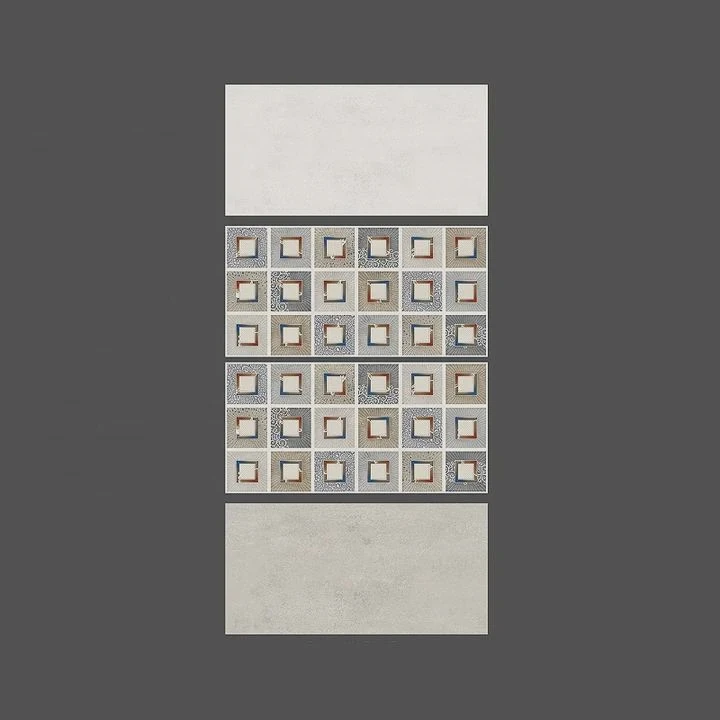
The first step is understanding what caused the stain. Different stains require different cleaning approaches. Using the same method for every stain may not provide good results.
Common porcelain tile stains and solutions
| Stain Type | Cleaning Method |
|---|---|
| Food stains | Mild detergent and warm water |
| Grease marks | Degreasing cleaner |
| Hard water spots | Gentle acidic cleaner |
| Dirt buildup | Tile cleaner and soft brush |
| Grout discoloration | Grout-safe cleaning solution |
Grease stains are common in kitchens because cooking oils can create a sticky layer on the floor. A mild degreaser usually works better than normal soap.
Step-by-step stain removal process
I usually follow these steps:
- Identify the stain.
- Test the cleaner in a small area.
- Apply the cleaner directly.
- Wait for a short time.
- Scrub gently.
- Rinse completely.
Testing first is important because some cleaning products may react differently depending on the tile finish or grout condition.
Removing old and difficult stains
Some stains need repeated treatment. Trying to remove everything with one aggressive cleaning session can damage grout or leave unwanted marks.
For difficult areas, I prefer:
- Multiple gentle cleaning sessions
- Soft brushes instead of hard tools
- Proper drying between attempts
Patience often creates better results than stronger chemicals.
Protecting porcelain after stain removal
After cleaning stains, I should maintain the floor properly to prevent future buildup.
| Maintenance Habit | Benefit |
|---|---|
| Sweep regularly | Removes abrasive dirt |
| Clean spills quickly | Prevents stains |
| Use floor mats | Reduces tracked-in dirt |
| Avoid harsh cleaners | Protects the surface |
Porcelain tile does not need complicated maintenance. A simple routine can keep the floor looking fresh for many years.
Are steam cleaners safe for porcelain tile?
Steam cleaners are popular because they use high temperatures to remove dirt without many chemicals. However, many homeowners wonder if steam cleaning is safe for porcelain tile floors.
Steam cleaners are generally safe for sealed porcelain tile when used correctly, but they may create problems if excessive heat or moisture affects grout, edges, or damaged areas.
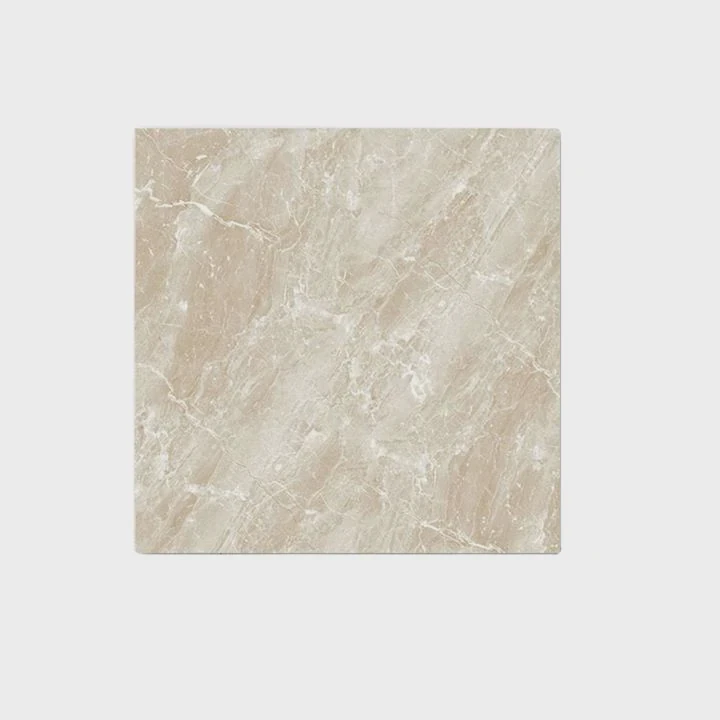
Porcelain itself is a strong material that can handle heat and moisture. The main concern is not usually the tile surface. The concern is the condition of grout lines, joints, and installation areas.
Benefits of steam cleaning porcelain tile
Steam cleaning can provide several advantages:
| Benefit | Explanation |
|---|---|
| Chemical reduction | Uses heat instead of strong cleaners |
| Deep cleaning | Helps loosen dirt |
| Quick drying | Less standing water |
| Good for maintenance | Useful between deep cleans |
Steam can help remove surface dirt and some bacteria from tile areas. It is especially useful for homeowners who prefer fewer cleaning chemicals.
When should I avoid steam cleaning?
Steam cleaning may not be the best choice in certain situations.
I should be careful if:
- Grout is damaged.
- Tiles are loose.
- Water can enter gaps.
- The installation is old.
- The floor has cracks.
Moisture can create problems when it enters areas that are not properly sealed.
How to use a steam cleaner safely
If I use a steam cleaner, I should:
- Remove loose dirt first.
- Use the correct steam setting.
- Avoid staying in one area too long.
- Allow the floor to dry.
- Check grout condition regularly.
The goal is controlled cleaning. More steam does not always mean better results.
Steam cleaners can be useful tools, but they should be part of a complete maintenance plan instead of the only cleaning method.
How often should porcelain tile floors be deep cleaned?
The frequency of deep cleaning depends on the location, traffic level, and daily maintenance habits. A busy kitchen floor needs more attention than a guest room with low foot traffic.
Porcelain tile floors should usually be deep cleaned every three to six months, but high-traffic areas may need more frequent cleaning.
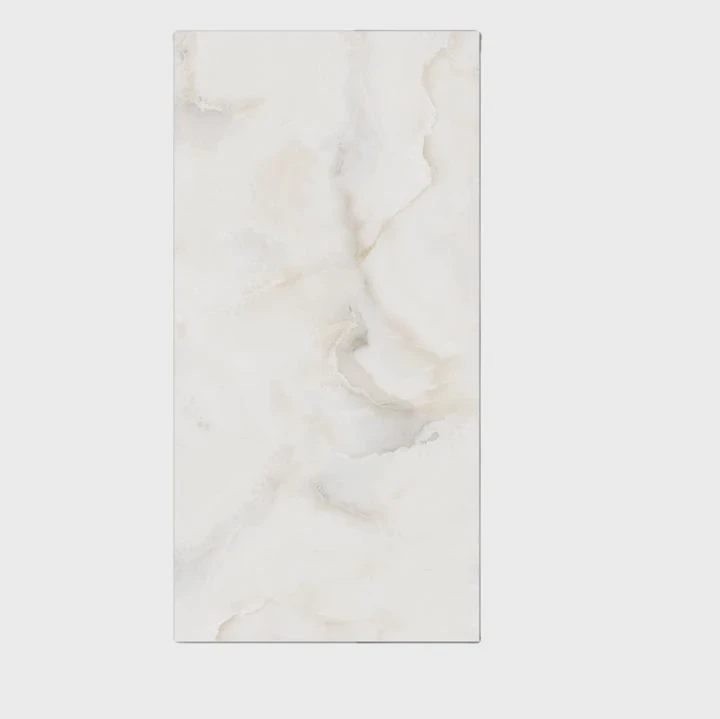
Regular cleaning prevents dirt from becoming difficult buildup. Deep cleaning works best when it supports a consistent maintenance routine.
Factors that affect cleaning frequency
| Factor | Cleaning Need |
|---|---|
| High foot traffic | More frequent deep cleaning |
| Pets | More dirt and hair buildup |
| Kitchen use | More grease and stains |
| Outdoor entrance | More dust and debris |
A family home with children and pets may require more frequent cleaning. A rarely used room may need less attention.
Recommended cleaning schedule
A simple schedule can help maintain porcelain floors:
| Task | Frequency |
|---|---|
| Sweeping or vacuuming | Daily or several times weekly |
| Light mopping | Weekly |
| Deep cleaning | Every 3-6 months |
| Grout inspection | Every few months |
This schedule can change based on lifestyle and environment.
Why regular deep cleaning helps
Deep cleaning does more than improve appearance. It also helps protect the floor system.
Regular care can:
- Prevent dirt buildup
- Maintain tile appearance
- Reduce grout discoloration
- Extend floor lifespan
Porcelain tile is designed for long-term performance, but maintenance plays an important role. Even the strongest flooring materials need proper care.
A clean porcelain floor creates a better indoor environment and helps the original design remain attractive.
Conclusion
Deep cleaning porcelain tile floors requires the right products, gentle techniques, and regular care. With proper cleaning habits, porcelain tile can stay beautiful, durable, and easy to maintain for many years.
- Pre: Is porcelain tile durable?
- Next: Sorry!