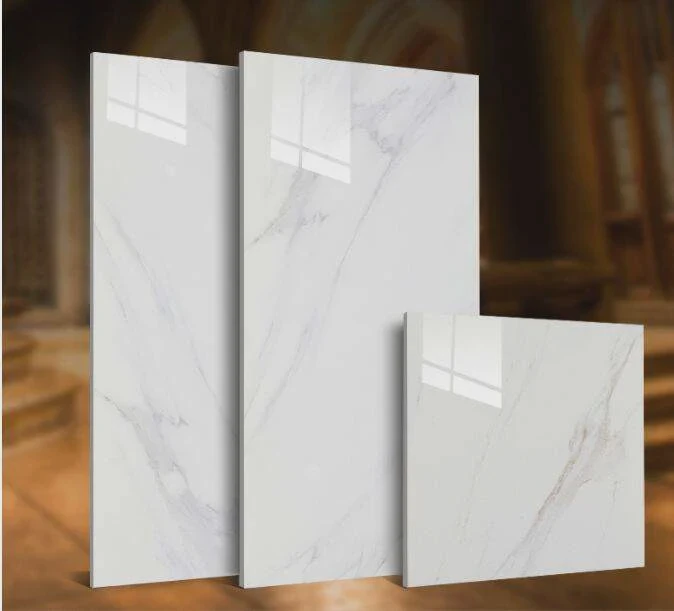
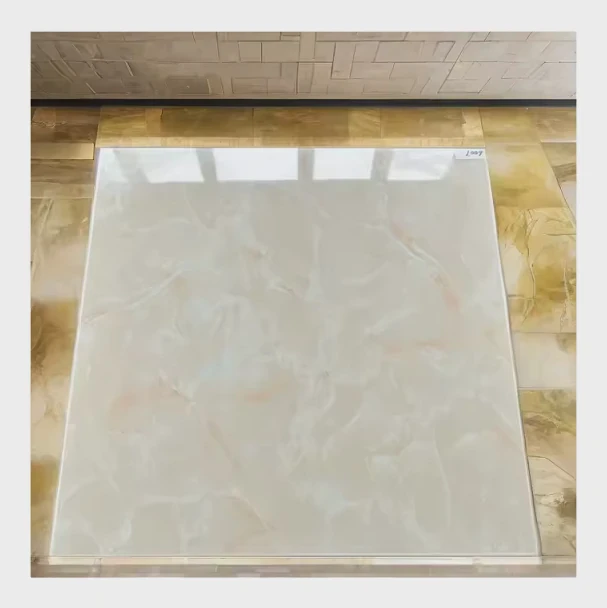
Is porcelain tile durable?
- Sinotiles
- 2026-07-29
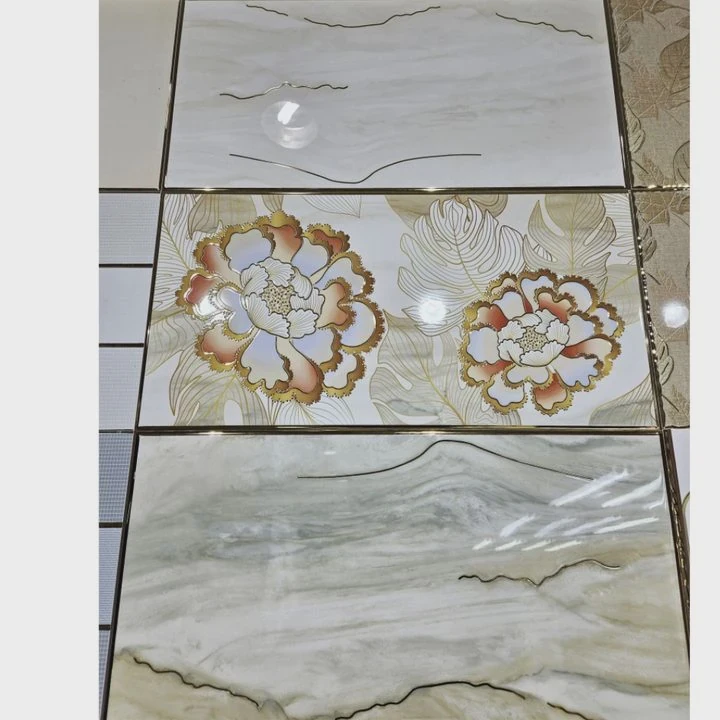
Many homeowners and builders worry about choosing a tile that can handle daily wear. A weak tile can crack, stain, or lose its appearance after years of use.
Porcelain tile is one of the most durable tile options because it is made from dense clay, fired at high temperatures, and designed to resist heavy use, moisture, and surface damage.
In my experience with ceramic products and international tile projects, porcelain tile remains a popular choice because it combines strength, low maintenance, and modern design. It works well for both residential and commercial spaces when the correct product is selected.
What makes porcelain tile highly durable?
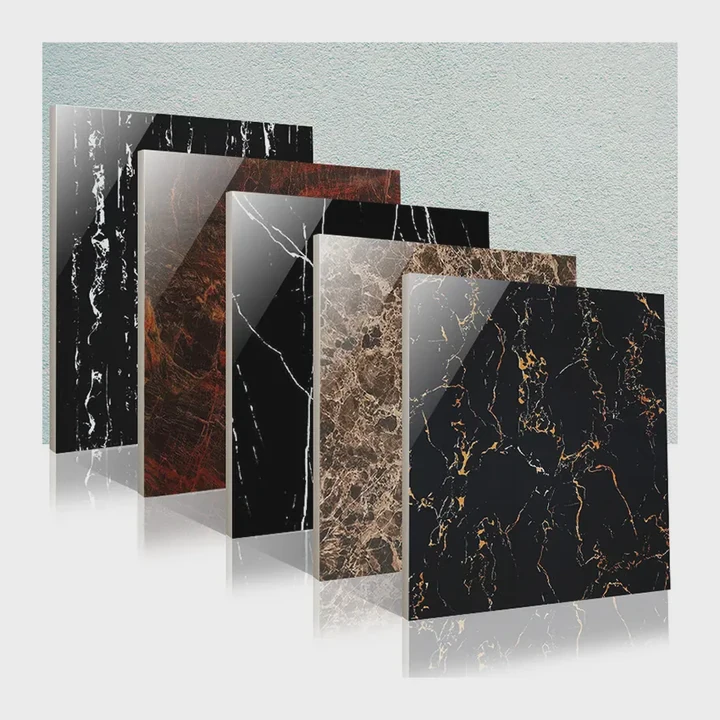
Porcelain tile is highly durable because of its dense structure and advanced manufacturing process. The tile is made from refined clay and minerals that are pressed under high pressure and fired at very high temperatures.
This process reduces the number of tiny spaces inside the tile. A denser structure makes porcelain stronger and more resistant to daily pressure.
Key factors behind porcelain tile durability
| Factor | How it improves durability |
|---|---|
| High firing temperature | Creates a harder tile body |
| Low water absorption | Reduces moisture damage |
| Dense material structure | Improves strength |
| Hard surface layer | Resists wear and scratches |
One of the most important features of porcelain tile is its low water absorption rate. Because the tile absorbs very little moisture, it performs well in areas where water exposure is common.
Porcelain tiles usually have a water absorption rate of less than 0.5%, which is one reason they are widely used in bathrooms, kitchens, outdoor areas, and commercial projects.
Why density matters in porcelain tile
The density of a tile affects how it handles pressure. A dense tile is less likely to crack under heavy loads. This makes porcelain suitable for areas with furniture, equipment, and high foot traffic.
For example, a shopping center floor needs a material that can support thousands of people every day. A residential bathroom floor needs protection against water and temperature changes. Porcelain tile can meet both needs.
However, durability does not only depend on the material itself. Installation quality also plays an important role.
Important factors that influence porcelain tile lifespan
| Factor | Effect |
|---|---|
| Correct installation | Prevents cracks and movement |
| Suitable adhesive | Improves tile stability |
| Proper grout | Protects tile joints |
| Correct tile selection | Matches the environment |
A high-quality porcelain tile installed incorrectly may still experience problems. A strong foundation and professional installation help the tile reach its full performance.
From my perspective as someone working with tile products, I believe durability starts before installation. Buyers should consider tile quality, production standards, surface finish, and application area before making a decision.
Porcelain tile also provides long-term value because it does not require complicated maintenance. Many surfaces only need regular cleaning to maintain their appearance.
Another advantage is design flexibility. Modern porcelain tiles can imitate marble, stone, wood, and concrete while keeping strong physical performance. This allows designers to create beautiful spaces without sacrificing durability.
The combination of strength, moisture resistance, and design choices makes porcelain tile one of the most reliable flooring and wall materials available today.
How does porcelain compare to ceramic in strength?
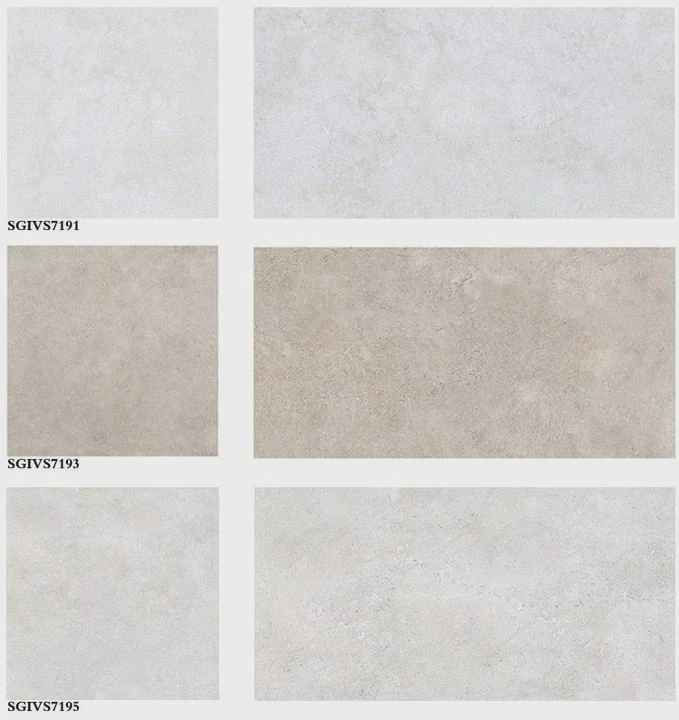
Porcelain and ceramic tiles are both made from clay-based materials, but porcelain is generally stronger because it uses denser materials and higher firing temperatures.
Both products can be useful, but they are designed for different levels of performance.
Porcelain vs ceramic tile
| Feature | Porcelain tile | Ceramic tile |
|---|---|---|
| Density | Higher | Lower |
| Water absorption | Very low | Usually higher |
| Strength | Stronger | Moderate |
| Best use | Heavy traffic areas | Indoor residential areas |
| Cutting difficulty | Harder to cut | Easier to cut |
The main difference comes from production. Porcelain uses more refined clay and is fired at higher temperatures. This creates a harder and more compact body.
Ceramic tile is still a reliable option. It works well for many indoor walls and floors where heavy impact is not expected. It is also easier to install because it is softer and easier to cut.
Strength differences in real applications
A busy commercial floor receives more pressure than a bedroom wall. This is where porcelain often provides an advantage.
| Application | Better choice |
|---|---|
| Bathroom wall | Ceramic or porcelain |
| Living room floor | Porcelain |
| Commercial lobby | Porcelain |
| Decorative wall | Ceramic |
| Outdoor area | Porcelain |
Porcelain is often selected for demanding environments because it can handle more stress. It is less likely to chip when exposed to heavy traffic or temperature changes.
However, stronger does not always mean better for every project. Ceramic tile can be a practical choice when the area has lower performance requirements and the budget is limited.
When I help customers understand tile options, I usually explain that material selection should match the project. Choosing the strongest material for every situation may increase costs without creating extra value.
For example, a decorative indoor wall does not need the same strength as a hotel entrance floor. The best solution balances performance, appearance, and budget.
Modern manufacturing has also improved both porcelain and ceramic products. Many ceramic tiles now provide excellent designs and good performance for residential projects.
Still, when durability is the main goal, porcelain usually has an advantage. Its dense body, low absorption, and strong surface make it suitable for more challenging environments.
The comparison between porcelain and ceramic is not about one material being perfect. It is about understanding where each material performs best.
Where is porcelain tile best used for durability?
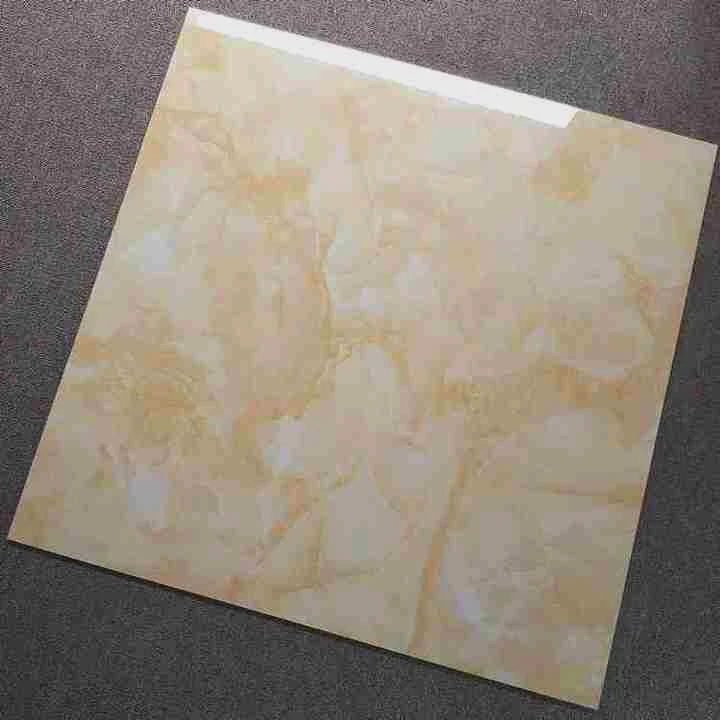
Porcelain tile is best used in areas where durability, moisture resistance, and easy maintenance are important. Its strong structure allows it to perform well in both indoor and outdoor environments.
Common applications include homes, hotels, shopping centers, offices, restaurants, and outdoor spaces.
Best areas for porcelain tile
| Area | Why porcelain works well |
|---|---|
| Kitchen floors | Handles spills and daily traffic |
| Bathrooms | Resists moisture |
| Living rooms | Provides long-term wear resistance |
| Commercial buildings | Supports heavy foot traffic |
| Outdoor areas | Handles weather changes |
Kitchens are one of the most common places for porcelain tile. Floors in kitchens experience water, food stains, movement, and frequent cleaning. Porcelain provides a strong surface that can handle these conditions.
Bathrooms also benefit from porcelain because moisture resistance is important. Porcelain tiles can reduce concerns about water absorption when they are installed correctly.
Commercial spaces often choose porcelain because replacement costs can be high. A durable floor can reduce maintenance problems and support long-term operation.
Porcelain tile in outdoor applications
Outdoor areas create additional challenges. Temperature changes, rain, and sunlight can affect many materials.
Porcelain tile is often suitable for patios, balconies, and outdoor walkways because it has low water absorption and strong resistance to environmental changes.
However, outdoor installation requires the correct product. Not every porcelain tile is designed for exterior use. Thickness, surface texture, and slip resistance should be considered.
For example, a polished porcelain tile may look beautiful indoors but may not provide enough grip in wet outdoor conditions.
From my experience in the tile industry, I always believe that product selection should begin with the environment. The same tile can perform differently depending on where it is installed.
Factors to consider before choosing porcelain tile
- Location of installation
- Expected traffic level
- Moisture exposure
- Surface requirements
- Maintenance expectations
Porcelain tile offers many benefits, but the right product specification matters. Large format porcelain tiles, textured surfaces, and matte finishes can provide different solutions for different projects.
For architects, contractors, and property owners, porcelain provides a balance between design freedom and practical performance.
Its durability allows designers to create beautiful spaces that continue to perform after many years of use.
Does porcelain tile resist scratches and moisture?
Porcelain tile has strong resistance to scratches and moisture because of its hard surface and dense internal structure. This makes it suitable for areas that require long-lasting performance.
However, no material is completely impossible to damage. Proper selection and care are still important.
Porcelain tile resistance performance
| Type of resistance | Performance |
|---|---|
| Moisture resistance | Excellent |
| Scratch resistance | Very good |
| Stain resistance | Very good |
| Heat resistance | Excellent |
The hard surface of porcelain helps protect against scratches caused by daily activities. This is useful in homes with pets, children, or heavy furniture.
However, surface finish affects scratch performance. Polished porcelain may require more care than matte porcelain because scratches can be more visible.
Moisture resistance advantages
Porcelain performs especially well in wet environments because it absorbs very little water.
This makes it suitable for:
- Bathrooms
- Kitchens
- Laundry rooms
- Outdoor spaces
- Commercial wet areas
The low absorption rate helps reduce problems caused by moisture penetration. It also makes cleaning easier because stains are less likely to enter the tile body.
Maintenance tips for porcelain tile
| Action | Benefit |
|---|---|
| Regular cleaning | Removes surface dirt |
| Use proper cleaners | Protects finish |
| Avoid harsh chemicals | Prevents surface damage |
| Clean spills quickly | Maintains appearance |
Porcelain tile is known for being easy to maintain. Unlike some natural materials, it does not usually require regular sealing.
This is one reason many commercial projects choose porcelain. Lower maintenance needs can reduce long-term operating costs.
From a business perspective, durable materials create more value over time. A tile that keeps its appearance after years of use can improve customer satisfaction and reduce renovation frequency.
Porcelain tile is not only a strong material. It is also a flexible design solution. Modern technology allows manufacturers to create many styles while keeping excellent performance.
For homeowners, builders, and designers, porcelain remains one of the most practical tile choices when durability is a priority.
Conclusion
Porcelain tile is durable because of its dense structure, low water absorption, and strong surface. It performs well in homes and commercial spaces where strength, moisture resistance, and easy care are important.