How to finish a tile shower edge?
- Sinotiles
- 2026-07-23
A shower edge can look small, but a poor finish can damage the whole bathroom design. Many installers face cracked corners, rough lines, and water problems after installation.
A tile shower edge needs the right trim, correct installation, and a clean finishing method. The best results come from choosing a suitable edge profile, placing it correctly, and protecting the tile from moisture and impact.
A good shower edge is not only about appearance. It also affects the strength, safety, and long-term performance of the shower area. I have seen many projects where a simple edge detail changed the final quality of the entire bathroom.
Which trims are best for shower edges?
Choosing the right shower edge trim can make the tile installation look professional. The best trim depends on the tile style, bathroom design, and expected use.
The best shower edge trims are usually stainless steel, aluminum, PVC, and tile edge profiles. Stainless steel offers strong durability, aluminum provides many design choices, PVC gives a low-cost solution, and tile profiles create a smooth modern finish.
When I select trims for a shower project, I first check the environment. A shower area has constant water contact, humidity, and daily use. The trim must handle these conditions without rusting, bending, or changing color.
Common shower edge trim options
| Trim Type | Main Advantage | Best Use |
|---|---|---|
| Stainless steel trim | High strength and rust resistance | Luxury bathrooms and commercial projects |
| Aluminum trim | Many colors and modern designs | Residential shower walls |
| PVC trim | Affordable and easy to install | Budget projects |
| Tile edge profile | Clean transition between tiles | Minimal and modern styles |
Stainless steel is often the first choice for high-quality shower edges. It has strong resistance against water and impact. It works well in hotels, apartments, and high-end homes. The surface also matches many tile designs, including marble-look tiles and large-format tiles.
Aluminum trims are also popular because they provide many finishes. Brushed silver, black, gold, and other colors can match different bathroom styles. They are lighter than stainless steel and easier to cut during installation.
PVC trims can be useful for simple projects. They are easy to handle and usually cost less. However, they may not provide the same premium feeling as metal profiles. I normally consider PVC when the project needs a practical and affordable solution.
The tile edge profile is another important option. It creates a straight line between the tile surface and the wall edge. It can protect exposed tile corners and make cleaning easier. For modern bathroom designs, a simple profile can create a very clean visual effect.
The right trim should match both function and design. A beautiful trim that cannot handle moisture will create problems later. A strong trim that does not match the tile style can reduce the overall appearance. I always balance both points before making a final choice.
How do you install tile edge profiles?
Installing a tile edge profile requires careful measurement and correct positioning. A small mistake during installation can create uneven corners, visible gaps, or weak protection.
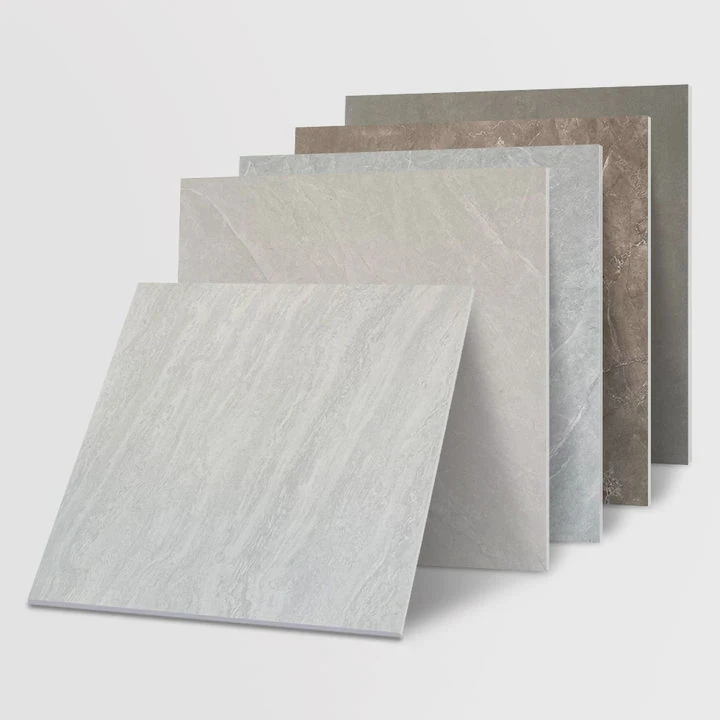
Tile edge profiles are installed before the tile is placed. The installer measures the area, cuts the profile, applies adhesive, and places the tile against the profile. A correct installation creates a straight and protected shower edge.
The installation process looks simple, but each step affects the final result. I pay close attention to measurement because the edge profile controls the tile line. If the profile is too short, too high, or not level, the finished shower edge will show the problem.
Basic installation steps
- Measure the shower edge area carefully.
- Select a profile size that matches the tile thickness.
- Cut the profile to the required length.
- Apply tile adhesive to the installation area.
- Press the profile into the adhesive.
- Place tiles next to the profile.
- Check alignment before the adhesive dries.
- Finish joints with grout or suitable sealant.
The profile size is one of the most important details. A profile that is too small may not cover the tile edge properly. A profile that is too large may create an uneven surface. The thickness of the tile should guide the selection.
Factors that affect installation quality
| Installation Factor | Why It Matters |
|---|---|
| Accurate measurement | Prevents gaps and uneven corners |
| Correct profile size | Creates a smooth tile transition |
| Strong adhesive coverage | Improves long-term stability |
| Proper alignment | Keeps the shower edge straight |
The shower environment makes installation quality even more important. Water can enter small gaps and create problems behind the tile. A well-installed profile helps protect the edge and supports the waterproofing system.
I also recommend checking the corner areas carefully. Corners receive more attention because they are easy to notice. A clean corner with a matching profile can improve the entire bathroom appearance.
Another point is cutting technique. Poor cutting can damage the profile surface. This is especially important for metal trims with visible finishes. A clean cut helps maintain the professional look.
The final installation should create a smooth connection between the tile and the profile. The edge should feel comfortable when touched. It should not have sharp areas or uneven sections. Good installation combines protection, safety, and visual quality.
Can grout finish edges cleanly?
Grout can create a clean tile finish, but it is not always the best choice for exposed shower edges. Grout works well between tiles, but it has limits when it becomes the main protection for an open edge.
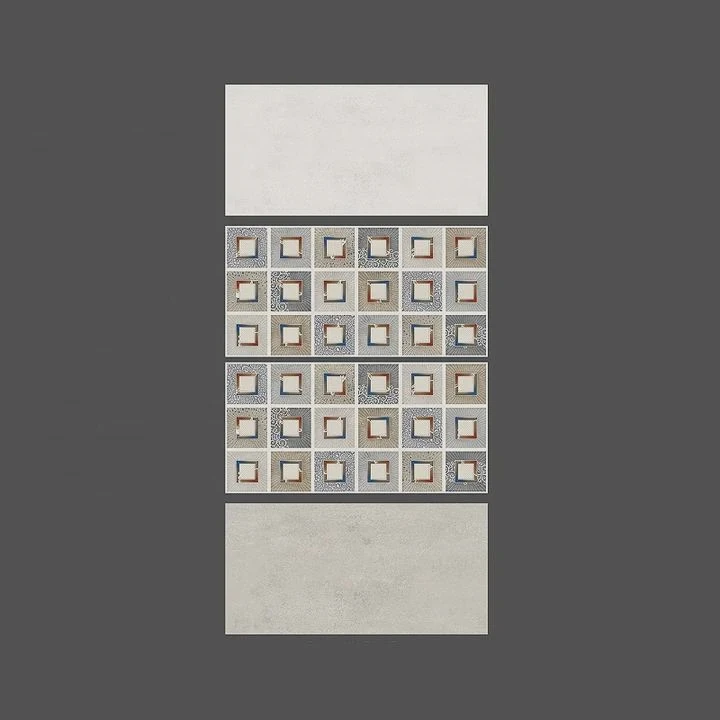
Grout can finish shower edges neatly when the edge has proper support and limited exposure. However, edge trims usually provide better protection because they protect the tile corner from damage and moisture problems.
When I look at a shower edge, I consider the role of grout. Grout fills spaces between tiles and creates a finished surface. It helps create a clean appearance, but it does not have the same strength as a metal or PVC profile.
A tile edge without trim can expose the tile body. Some tiles have colored surfaces but different materials inside. If the edge becomes visible, the unfinished side may reduce the overall design quality.
Grout and trim comparison
| Feature | Grout Edge | Edge Trim |
|---|---|---|
| Appearance | Natural tile look | Clean designed border |
| Impact protection | Limited | Stronger protection |
| Water resistance | Depends on maintenance | Better edge protection |
| Design options | Fewer choices | Many colors and finishes |
Some installers prefer grout because it keeps a simple appearance. This can work for certain designs, especially when the tile edge is not exposed to strong impact. However, shower edges often experience daily contact, cleaning, and movement.
Grout may also require more maintenance over time. Small cracks can appear because of movement, temperature changes, or moisture. When cracks appear, water can reach areas behind the tile.
A good grout finish still requires careful work. The grout color should match the tile design. The surface should be smooth and free from holes. The installer should also use suitable grout for wet areas.
Situations where grout may work
- Small tile transitions
- Protected corners
- Low-impact areas
- Designs that require a natural tile appearance
However, for many modern shower projects, I prefer combining grout with an edge profile. The profile protects the exposed edge, while grout creates a finished surface between tiles. This combination gives both beauty and strength.
A clean shower edge is not created by one material alone. It comes from using the right materials together. Grout has an important role, but it should not carry every responsibility.
Why are edge trims important for durability?
Edge trims are important because shower edges are one of the most vulnerable parts of a tile installation. Without protection, tile corners can chip, crack, or become damaged after regular use.
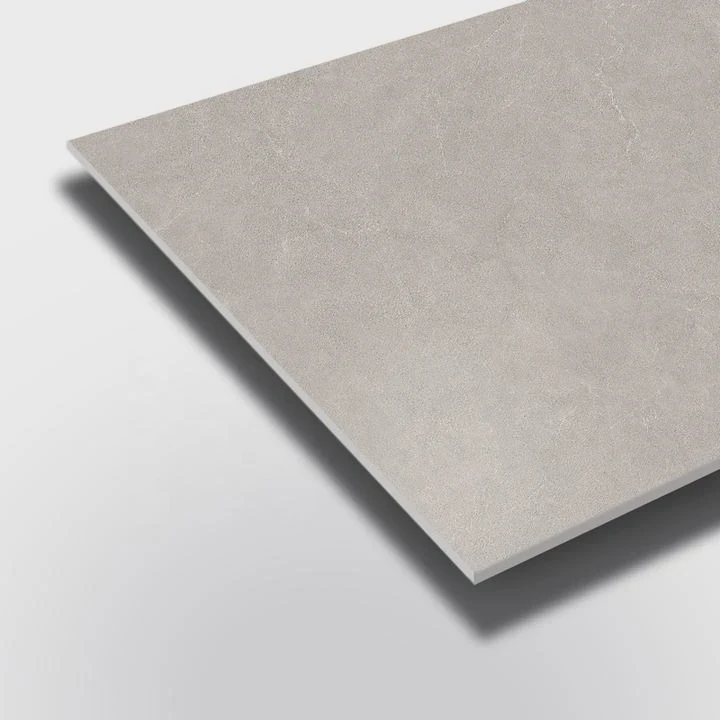
Edge trims improve shower durability by protecting tile edges, reducing damage risk, and creating a stronger finished surface. They help the shower maintain its appearance and performance for many years.
In my experience, many tile problems start from small weak points. An exposed tile edge may look fine after installation, but daily use can slowly create damage. People touch the edges, clean the surface, and use the shower every day.
Main durability benefits of edge trims
| Benefit | Result |
|---|---|
| Corner protection | Less chance of chips and cracks |
| Moisture support | Better protection around exposed areas |
| Strong structure | More stable tile edge |
| Easy cleaning | Fewer difficult gaps and rough areas |
Edge trims also improve safety. Sharp tile corners can create uncomfortable surfaces. A rounded or smooth profile can make the shower area easier and safer to use.
Another important point is maintenance. A protected edge is easier to clean because it creates a clear boundary. Dirt and water deposits are less likely to collect around uneven tile edges.
Edge trims also support better design control. Modern bathrooms often use large tiles, simple colors, and clean lines. A matching trim can make these details look more complete.
For commercial projects, durability becomes even more important. Hotels, apartments, and public buildings need materials that can handle frequent use. A strong edge profile can reduce repair costs and improve customer experience.
I also consider the long-term value. A shower renovation is not only about the first installation day. A good finish should continue looking attractive years later. The small cost of a quality edge trim can prevent larger repair problems.
The best shower edge solution combines good materials, correct installation, and regular care. When these three parts work together, the tile shower can remain beautiful, strong, and practical for a long time.
Conclusion
A finished tile shower edge needs the right trim, careful installation, and proper protection. Edge profiles usually provide the best balance of beauty and durability, while grout supports the final clean appearance.
- Pre: How Much Does It Cost to Remove Tile Floor?
- Next: Sorry!