How to Fix Cracked Tile?
- Sinotiles
- 2026-06-09
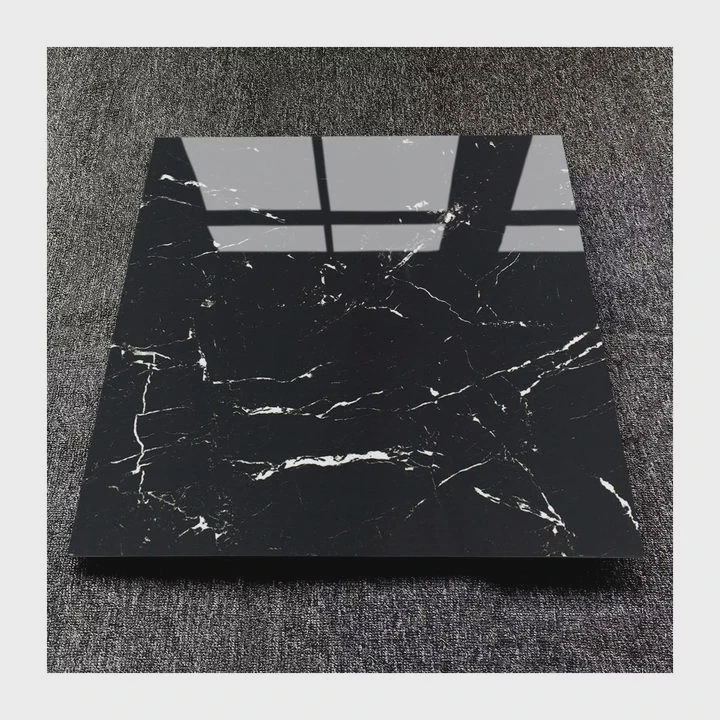
A cracked tile can ruin the look of an entire room and make the floor or wall feel unsafe.
Fixing cracked tiles depends on the severity of the crack. Small surface cracks can often be repaired with fillers or epoxy, while larger cracks or broken tiles may require full replacement. Proper diagnosis and the right materials are key.
Cracked tiles are a common issue in both floors and walls. The cause can be structural, environmental, or related to improper installation. Addressing the problem quickly prevents further damage and keeps the area safe and attractive.
What Causes Tiles to Crack Over Time?
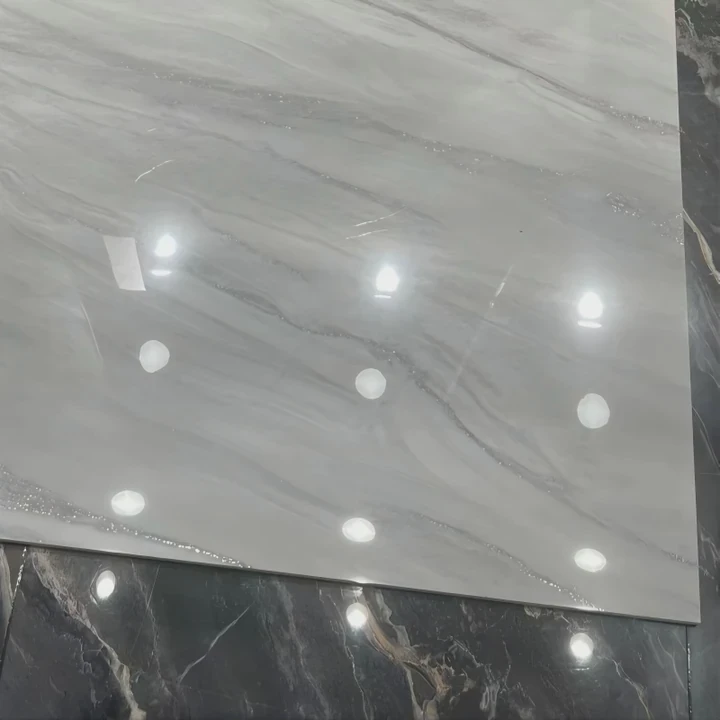
Many people assume tiles crack due to poor quality, but often multiple factors contribute.
Tiles crack because of structural movement, settling foundations, heavy impacts, temperature changes, moisture, and sometimes improper installation techniques. Understanding the cause helps prevent future problems.
Tile is strong but not indestructible. Over time, stress accumulates, and cracks appear in certain conditions.
Common Causes
Structural Shifts
Buildings settle naturally over time.
- Small shifts in the foundation can create stress
- Floor joists may bend slightly
- Walls may expand or contract
Even minor movement can stress tiles enough to crack them.
Temperature Changes
Ceramic and porcelain tiles expand and contract slightly with heat and cold.
- Floor heating systems
- Direct sunlight
- Seasonal temperature shifts
If expansion joints are missing or insufficient, cracks are more likely.
Heavy Impacts
Dropping objects can damage tiles, especially on hard surfaces.
- Kitchen appliances
- Bathroom fixtures
- Furniture legs
- Tools or heavy items
Impact cracks usually appear as hairline fractures or chips.
Moisture and Water Damage
Water can seep under tiles and weaken the adhesive.
- Leaking pipes
- Bathroom moisture
- Poor waterproofing
Over time, the tile may lift or crack due to a compromised substrate.
Poor Installation
Some cracks result from installation errors.
- Insufficient adhesive
- Uneven subfloor
- Missing grout expansion gaps
- Tiles set too tightly
Proper installation reduces stress and prolongs the tile life.
Signs of Substrate Issues
Cracks in multiple tiles often indicate a deeper problem.
- Multiple tiles cracking along the same line
- Tiles lifting or popping
- Movement in walls or floors
These conditions require addressing the base problem, not just the tile surface.
How Can You Repair Minor Tile Cracks Easily?
Not all cracks require replacing the tile. Some can be repaired invisibly and quickly.
Minor tile cracks can often be fixed with epoxy fillers, color-matched grout, or paintable repair kits. Proper cleaning, precise application, and sealing improve durability.
Step 1: Clean the Area
- Remove dirt and debris from the crack
- Use a soft brush or vacuum
- Clean with mild detergent and allow drying
A clean surface ensures the filler bonds properly.
Step 2: Choose the Right Filler
Options include:
| Filler Type | Use Case | Advantages |
|---|---|---|
| Epoxy resin | Hairline cracks | Strong, durable, can be color-matched |
| Acrylic filler | Small surface cracks | Easy to apply, dries quickly |
| Color-matched grout | Minor grout-adjacent cracks | Blends with existing tiles |
Step 3: Apply the Filler
- Use a small spatula, toothpick, or applicator
- Push the filler into the crack completely
- Smooth the surface to match the surrounding tile
Step 4: Remove Excess Material
- Wipe away excess before it hardens
- Avoid scratching the tile surface
Step 5: Let It Cure
- Follow the manufacturer’s recommended curing time
- Avoid traffic or moisture until fully set
Step 6: Optional Surface Finish
- Use a clear sealant for added protection
- Buff lightly to blend with surrounding tile
Advantages of Repairing Minor Cracks
- Maintains aesthetic appeal
- Avoids tile replacement
- Saves time and money
- Reduces risk of water infiltration
Limitations
- Repairs are cosmetic for small cracks
- Larger cracks or structural issues may recur
- Not suitable for tiles on heavy-traffic areas if the crack is severe
Minor repairs are ideal for hairline fractures or chips that are not affecting the integrity of the tile or floor.
When Should Cracked Tiles Be Fully Replaced?
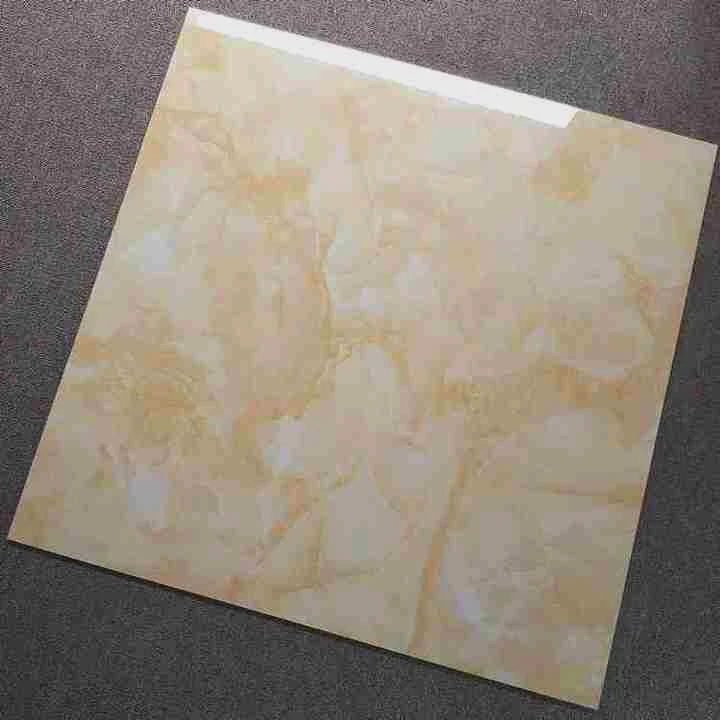
Some cracks indicate deeper problems that repair cannot solve.
Full tile replacement is recommended when the crack compromises structural integrity, affects multiple tiles, or the tile is broken, lifted, or severely chipped.
Signs You Need Replacement
- Cracks spreading across multiple tiles
- Cracked tiles that rock or move
- Visible gaps between tile and substrate
- Large chips or missing corners
- Water penetration beneath the tile
Steps for Replacement
- Remove grout around the damaged tile
- Carefully lift or chisel out the broken tile
- Clean and prepare the substrate
- Apply fresh adhesive
- Set the new tile
- Re-grout and seal edges
Replacement Considerations
- Ensure replacement tile matches the existing pattern and color
- Measure carefully to avoid alignment issues
- Check that the subfloor or wall surface is stable before installing
Replacing tiles is more work than repairing small cracks but ensures long-term durability and prevents repeated problems.
When Minor Repair Is Not Enough
Minor fillers cannot restore load-bearing strength or prevent water infiltration.
Avoid cosmetic fixes when:
- The crack exceeds 1⁄8 inch in width
- Tile surface is shattered
- Floor unevenness exists
- Water leakage is present
Professional assessment is often worth the cost when the damage is extensive.
Which Materials Help Fix Tile Cracks Effectively?

Using the right materials makes repair more reliable and long-lasting.
Epoxy, acrylic fillers, color-matched grout, and specialized tile repair kits are the most effective materials for fixing minor tile cracks. Sealants and surface coatings add extra protection.
Epoxy-Based Products
Epoxy resins are strong and versatile.
- Suitable for hairline and slightly larger cracks
- Can be tinted to match tile color
- Forms a durable, waterproof seal
Acrylic Fillers
- Easy to apply
- Fast-drying
- Ideal for surface cracks on walls or low-traffic floors
- Less durable than epoxy but often sufficient for cosmetic repairs
Color-Matched Grout
- Works well for cracks adjacent to grout lines
- Blends visually with surrounding tiles
- Best for hairline fractures
Tile Repair Kits
Many commercial kits include:
- Colorable epoxy putty
- Application tools
- Clear sealants
- Instructions for matching common tile types
These kits simplify the process for DIY users.
Sealants and Coatings
- Clear epoxy or polyurethane sealers can protect repaired cracks
- Prevent water infiltration and wear
- Enhance appearance and blend repairs with existing tiles
Choosing Materials by Location
| Area | Recommended Material | Notes |
|---|---|---|
| Bathroom floor | Epoxy resin + sealant | Resists moisture and traffic |
| Kitchen backsplash | Acrylic filler | Quick repair, easy clean-up |
| Living room tile | Color-matched grout | Cosmetic fix only |
| Shower wall | Epoxy putty | Must be waterproof |
| Entryway floor | Epoxy + sealant | Heavy foot traffic requires strong bonding |
Tips for Material Selection
- Match filler color to tile for seamless repair
- Consider drying and curing times
- Follow manufacturer instructions carefully
- Test in a small hidden area if unsure
Using quality materials and proper techniques improves both the appearance and lifespan of tile repairs.
Preventing Future Cracks
- Ensure subfloor or wall is stable
- Maintain proper grout and expansion joints
- Avoid dropping heavy objects on tile surfaces
- Monitor moisture and fix leaks quickly
- Use tile mats or protective padding in high-traffic areas
Proper preventive measures combined with quality repairs reduce the likelihood of future cracks.
Conclusion
Cracked tiles can be repaired or replaced depending on severity. Minor surface cracks respond well to epoxy, acrylic, or color-matched grout, while larger or structural cracks require full tile replacement. Understanding causes, preparing the area, and using appropriate materials ensures a durable and aesthetically pleasing result.