What Is the Best Tile Grout Cleaner?
- Sinotiles
- 2026-06-09

Grout lines often look dirty even when tiles appear clean. Many people struggle to find a solution that actually works without damaging their floors.
The best tile grout cleaner combines strong cleaning power with safety for both tile surfaces and users. Products with oxygen bleach, mild acids, or enzyme-based formulas often deliver effective results on tough stains.
Grout cleaning is not just about appearance. Dirt and mold can accumulate in lines, affecting hygiene and longevity. Choosing the right cleaner ensures your tiles stay bright without causing damage or health risks.
Which Ingredients Make Grout Cleaners Most Effective?
Not all grout cleaners are created equal. Some rely on harsh chemicals, while others use milder, more targeted ingredients.
The most effective grout cleaners often contain oxygen bleach, citric acid, or enzymatic compounds because these ingredients remove dirt, mold, and mildew without harming the grout or surrounding tiles.
Understanding these ingredients helps you select a product that works efficiently and safely.
Oxygen-Based Cleaners
Oxygen bleach (sodium percarbonate) is a common ingredient in effective grout cleaners.
Benefits include:
- Lifting dirt from porous grout
- Whitening stains without harsh chemicals
- Safe for most tile surfaces
It works by releasing oxygen bubbles that break down organic material and dirt trapped in grout lines.
Mild Acid Cleaners
Citric acid or vinegar-based solutions can remove:
- Mineral deposits
- Soap scum
- Hard water stains
These cleaners are effective for ceramic and porcelain tiles but must be used carefully on natural stone, which can etch.
Enzymatic Cleaners
Enzyme-based cleaners target organic stains, including:
- Mold
- Mildew
- Food stains
Enzymes break down proteins and grease, which makes deep cleaning easier.
Combination Formulas
Some commercial cleaners combine oxygen bleach with mild surfactants. This approach offers both:
- Stain removal
- Surface cleaning and shine
Additional Ingredients
Other ingredients may include:
| Ingredient | Function |
|---|---|
| Surfactants | Help lift dirt from grout lines |
| Chelating agents | Bind minerals to prevent residue |
| Anti-foaming agents | Reduce excessive bubbles |
| Color-safe additives | Protect surrounding tile |
Effective grout cleaning depends on selecting a formula suitable for the specific type of tile and grout.
How Do You Choose a Safe Grout Cleaning Product?
A powerful cleaner is useless if it damages your tiles or causes health issues. Safety is as important as effectiveness.
A safe grout cleaner avoids harsh acids, toxic fumes, and abrasive materials. It is suitable for your specific tile type and designed for regular household use without causing surface damage or skin irritation.
Choosing the wrong product can lead to permanent damage or discoloration, especially on natural stone or colored grout.
Check the Tile Type
Different tiles react differently to cleaners:
- Porcelain and ceramic tiles handle mild acids and oxygen bleach well.
- Natural stone tiles like marble, travertine, or limestone require pH-neutral products to avoid etching.
Always verify compatibility before use.
Avoid Harsh Acids or Alkalis
Some products contain strong acids (hydrochloric) or strong bases (sodium hydroxide). These can:
- Damage grout over time
- Etch tile surfaces
- Produce harmful fumes
Safer alternatives use oxygen bleach or mild acids like citric acid.
Look for Non-Toxic Labels
For home use, check product labeling:
- VOC-free
- No harmful fumes
- Skin-safe
These products are easier to use indoors without extensive ventilation.
Consider Grout Color
Dark grout hides stains better but still accumulates mold. Light grout shows stains more quickly. Some cleaners contain color-safe ingredients to prevent fading.
Test in Small Area First
Before applying a new product over a large area:
- Choose a hidden corner
- Apply as directed
- Observe for discoloration or surface changes
Testing helps prevent accidental damage.
Evaluate Ease of Use
Some products are concentrated powders, others are sprays or gels.
Consider:
- Application method
- Scrubbing required
- Rinsing process
- Time needed to work effectively
Professional vs Consumer Products
Professional products may be stronger but often require PPE and ventilation. Consumer products balance cleaning power with user safety.
A safe grout cleaner balances performance, surface protection, and indoor air quality.
Why Do Grout Lines Stain More Than Tiles?
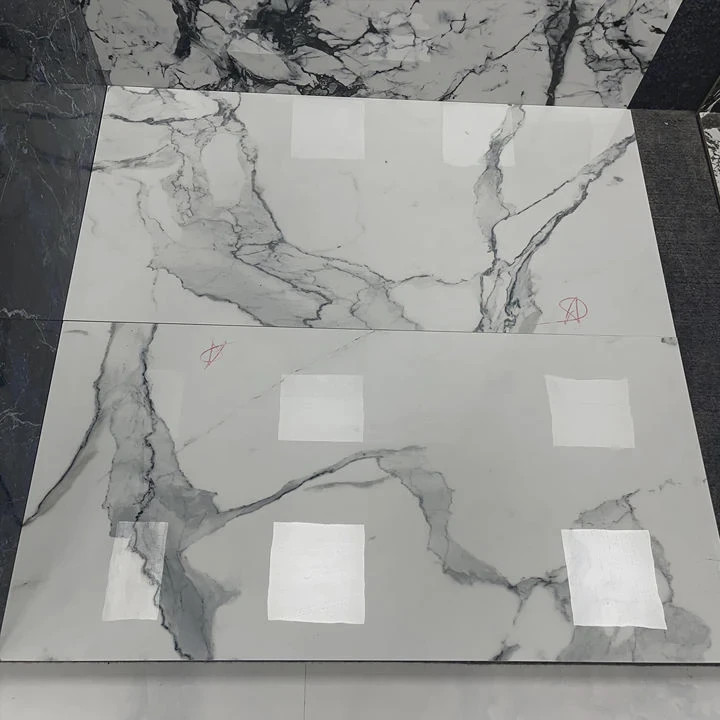
Even in a clean bathroom or kitchen, grout lines often look darker or dingy compared to surrounding tiles. The reason lies in the material itself.
Grout lines stain more than tiles because grout is porous, absorbs liquids and dirt, and provides more surface area for mold and mildew growth. Tiles are usually non-porous and easier to wipe clean.
Understanding this helps explain why routine cleaning and sealing are important.
Porosity of Grout
Grout is made from cement and sand, which absorb water and oils.
Consequences include:
- Liquids penetrate deeper than tile surfaces
- Dirt settles in the pores
- Stains can become persistent
Narrow vs Wide Grout Lines
- Narrow lines may seem less visible but still trap dirt in tiny pores
- Wide lines accumulate more dirt overall
Both require cleaning to maintain appearance.
Mold and Mildew Growth
Bathrooms and kitchens provide moisture that encourages:
- Mold spores to grow
- Mildew to appear on grout
Tiles themselves resist moisture, but grout absorbs it, leading to stains.
Daily Wear and Tear
High-traffic areas like kitchens and hallways contribute to grout staining.
Factors include:
- Spills from food and drinks
- Dirt from shoes
- Cleaning frequency
Tiles repel most stains, but grout lines remain vulnerable.
Sealing Grout Lines
Applying a grout sealer helps reduce absorption:
- Penetrates pores
- Forms a protective barrier
- Makes cleaning easier
Sealing is recommended after initial installation and periodically afterward.
Why Regular Cleaning Matters
Even sealed grout benefits from routine maintenance.
- Prevents deep-set stains
- Reduces mold growth
- Preserves grout color and appearance
Comparing Grout and Tile Materials
| Material | Stain Resistance | Cleaning Difficulty |
|---|---|---|
| Porcelain Tile | High | Easy |
| Ceramic Tile | High | Easy |
| Cement Grout | Low | Moderate to Difficult |
| Epoxy Grout | High | Easy |
Regular cleaning, along with appropriate grout sealers, helps maintain clean lines longer.
Can Homemade Cleaners Work on Grout Stains?

Many homeowners prefer homemade solutions over commercial chemicals. Common options include vinegar, baking soda, or hydrogen peroxide.
Yes, homemade cleaners can work on grout stains, especially for mild discoloration. Mixtures like baking soda paste or diluted vinegar can lift surface dirt, but they may be less effective on deep, stubborn stains and are not suitable for all tile types.
Homemade cleaners offer cost savings and reduce chemical exposure, but they require proper technique.
Baking Soda Paste
Baking soda mixed with water creates a thick paste. Applied to grout lines, it:
- Absorbs dirt
- Provides gentle abrasion
- Can be scrubbed with a toothbrush or small brush
This method works well for light stains and regular maintenance.
Vinegar Solution
Diluted vinegar is mildly acidic and can help remove:
- Soap scum
- Hard water deposits
- Surface mold
Important: Avoid vinegar on natural stone tiles, as acid can etch the surface.
Hydrogen Peroxide
Hydrogen peroxide offers a mild bleaching effect. It can:
- Whiten stained grout
- Kill surface mold and mildew
It is often used in combination with baking soda to form a paste.
Limitations of Homemade Cleaners
- Less effective on deeply stained or older grout
- Requires more effort and scrubbing
- May need repeated applications
- Not suitable for delicate stone tiles
When to Use Commercial Cleaners
For tough stains or heavily soiled grout lines, professional or commercial products often deliver faster, longer-lasting results.
- Oxygen bleach formulas
- Enzyme-based cleaners
- Professional-strength degreasers
These products are specifically designed to penetrate grout pores and remove set-in stains.
Homemade Cleaning Routine
A simple weekly routine can extend grout life:
- Mix a paste of baking soda and water
- Apply to grout lines
- Let sit 10-15 minutes
- Scrub gently
- Rinse thoroughly with water
This routine can reduce the frequency of deeper cleaning and protect grout appearance over time.
Combining Methods
For stubborn stains:
- Try a homemade paste first
- Test a commercial product in a small area
- Scrub and rinse thoroughly
- Consider resealing grout afterward
Combining methods balances safety, effectiveness, and cost.
Safety Tips for Homemade Cleaners
- Wear gloves to protect skin
- Avoid mixing vinegar with bleach
- Rinse thoroughly to remove residues
- Ventilate the area when using acidic or peroxide solutions
Homemade solutions can work well, especially for maintenance or light stains, but stronger commercial cleaners may be required for long-term grout restoration.
Conclusion
The best grout cleaner balances effectiveness and safety. Oxygen bleach, mild acids, and enzymatic formulas remove stains while protecting tiles and grout. Homemade solutions work for light cleaning, but stubborn or old stains may need commercial products. Proper routine cleaning and occasional sealing keep grout lines looking bright for years.