How to Fix Cracks in Tile?
- Sinotiles
- 2026-06-10
A small crack in a tile may seem harmless at first. Yet many property owners discover that minor damage can spread over time and affect the appearance and performance of the entire surface.
To fix cracks in tile, the first step is identifying the cause of the damage. Minor cracks can often be repaired using fillers, epoxy products, or touch-up compounds, while severely damaged tiles may require complete replacement to restore strength and appearance.
Many tile cracks are symptoms rather than the actual problem. Understanding why the crack appeared helps prevent future damage and ensures that the chosen repair method delivers lasting results.
What Causes Cracks in Tile Surfaces?
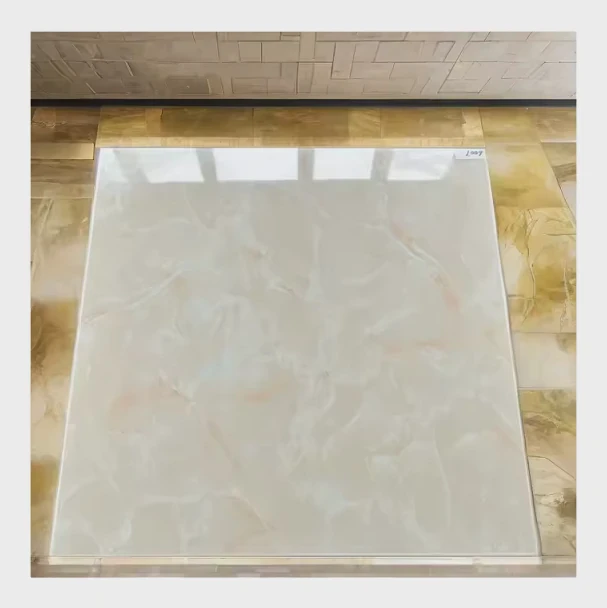
Many people focus only on repairing the visible crack. The real challenge is finding out what created the crack in the first place. If the root cause remains, the same problem can return even after a successful repair.
Tile cracks are commonly caused by substrate movement, impact damage, improper installation, structural stress, or temperature changes. Identifying the source of the crack is essential before any repair work begins.
Tile is known for its durability, but it is not indestructible. Even high-quality ceramic, porcelain, or glazed tiles can crack when exposed to excessive stress.
Structural Movement Beneath the Tile
One of the most common causes of tile cracking is movement beneath the tiled surface.
The substrate may shift because of:
- Building settlement
- Floor deflection
- Wall movement
- Poor structural support
- Expansion and contraction
Tiles are rigid materials. They perform well under normal conditions, but excessive movement underneath can create stress that eventually leads to visible cracks.
Improper Installation Practices
Installation mistakes often contribute to cracking problems.
Common errors include:
| Installation Issue | Potential Result |
|---|---|
| Insufficient adhesive coverage | Weak support |
| Uneven substrate | Stress points |
| Missing expansion joints | Pressure buildup |
| Poor curing conditions | Bond failure |
| Incorrect tile spacing | Movement restrictions |
These issues may not appear immediately. In some cases, cracks develop months or even years after installation.
Heavy Impact Damage
Accidental impacts are another frequent cause.
Examples include:
- Dropped tools
- Falling appliances
- Heavy furniture movement
- Construction equipment
A strong impact can create visible cracks instantly. In some cases, the damage remains hidden beneath the surface and expands later.
Temperature and Moisture Changes
Tiles and substrates respond differently to environmental conditions.
Changes in:
- Temperature
- Humidity
- Moisture exposure
can cause materials to expand or contract at different rates.
Over time, repeated cycles of movement may generate enough stress to crack the tile.
Poor Quality Substrates
A tile installation is only as strong as the surface beneath it.
Weak substrates may include:
- Damaged drywall
- Deteriorated concrete
- Water-damaged backer boards
- Unstable wooden floors
Even premium tiles cannot compensate for a failing foundation.
Identifying the Type of Crack
The appearance of a crack often provides clues about its cause.
| Crack Type | Possible Cause |
|---|---|
| Hairline crack | Surface stress |
| Straight crack | Structural movement |
| Star-shaped crack | Impact damage |
| Multiple cracks | Substrate issues |
| Corner crack | Concentrated stress |
Understanding these patterns helps determine the most effective repair strategy.
Before reaching for repair products, it is important to assess the underlying reason for the damage. A repair that ignores the root cause may only provide a temporary solution.
How Can Minor Cracks Be Repaired Easily?
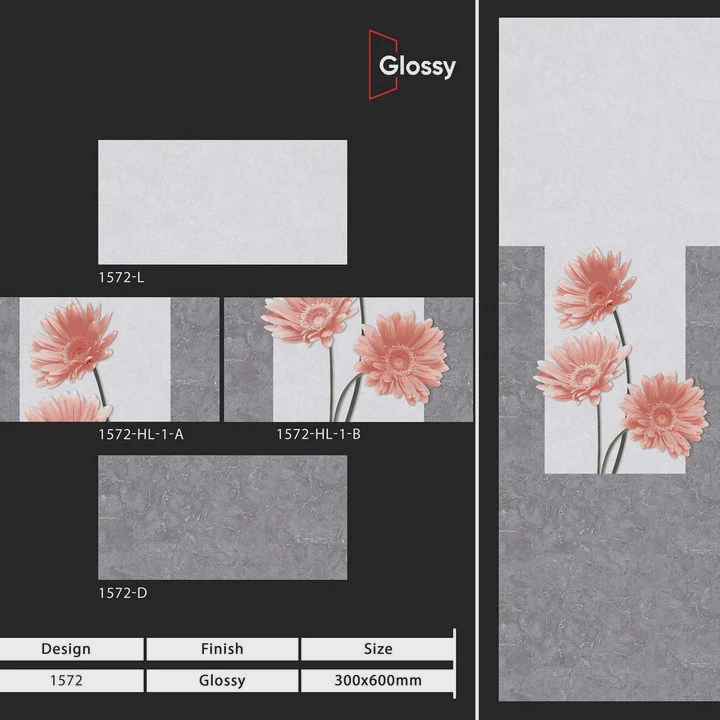
Not every crack requires removing the tile. Many small cracks can be repaired successfully when the damage is limited and the tile remains firmly bonded to the surface.
Minor tile cracks can often be repaired using epoxy fillers, color-matched repair kits, ceramic fillers, or sealants. Proper cleaning and preparation are essential for achieving an effective and visually appealing repair.
Small cracks are usually cosmetic. When handled correctly, they can become far less noticeable and help extend the life of the tiled surface.
Assess the Crack First
Before choosing a repair method, evaluate the condition of the tile.
Questions to consider include:
- Is the tile loose?
- Does the crack continue through the entire tile?
- Is moisture entering the crack?
- Is the crack expanding?
If the tile remains stable and the damage is superficial, repair is often a practical option.
Clean the Damaged Area
Successful repairs begin with a clean surface.
Cleaning typically involves:
- Removing dust and debris.
- Washing away grease or contaminants.
- Drying the crack completely.
- Removing loose fragments.
A clean crack allows the repair material to bond more effectively.
Use Epoxy Fillers
Epoxy products are among the most common repair solutions.
Advantages include:
- Strong bonding
- Good durability
- Water resistance
- Smooth finishing
Many repair professionals use clear or color-tinted epoxy to blend the repair with the surrounding tile.
Apply Color-Matched Repair Compounds
Modern repair kits often include pigments that help match tile colors.
This approach works particularly well for:
- Glossy ceramic tiles
- Decorative wall tiles
- Porcelain surfaces
The goal is not only structural repair but also visual improvement.
Sand and Polish the Surface
After curing, some repairs benefit from light finishing.
This may include:
- Fine sanding
- Polishing
- Surface buffing
These steps help reduce the visibility of the repaired area.
Common Repair Workflow
| Step | Purpose |
|---|---|
| Inspection | Determine repair suitability |
| Cleaning | Improve adhesion |
| Filling | Restore surface integrity |
| Curing | Achieve strength |
| Finishing | Improve appearance |
Following a systematic process often produces better results.
Understand Repair Limitations
Repair methods work best under specific conditions.
They are most suitable when:
- The tile remains secure.
- The crack is narrow.
- Moisture damage is absent.
- Structural movement has been corrected.
Large or recurring cracks may indicate deeper issues.
Prevent Future Damage
After completing repairs, it is helpful to monitor the area.
Regular inspections can reveal:
- New cracks
- Adhesive failure
- Substrate movement
- Water infiltration
Early detection helps prevent more extensive repairs later.
Minor crack repairs can significantly improve appearance and extend tile service life when performed carefully and under the right conditions.
Why Should Damaged Tiles Be Replaced Sometimes?
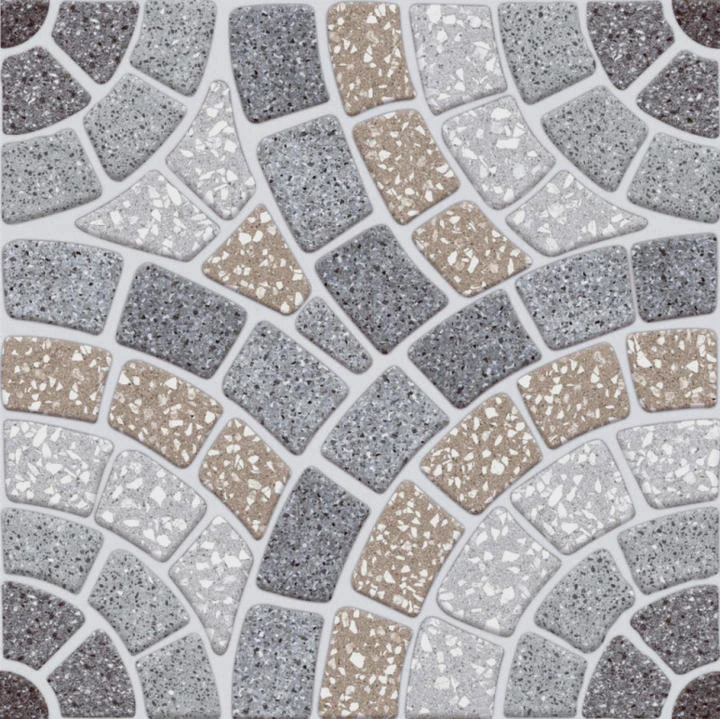
Repairing a crack is often appealing because it saves time and reduces immediate costs. However, some damaged tiles simply cannot be restored effectively through surface repairs alone.
Damaged tiles should be replaced when cracks compromise structural integrity, allow moisture penetration, create safety hazards, or indicate significant underlying problems that repairs cannot resolve permanently.
Knowing when replacement is necessary helps avoid repeated repairs and long-term maintenance issues.
Structural Integrity Matters
Tiles serve both decorative and functional purposes.
When a crack extends through the entire tile, the tile may lose its ability to withstand normal loads.
Common warning signs include:
- Flexing under pressure
- Loose sections
- Hollow sounds
- Visible movement
These conditions often suggest replacement rather than repair.
Moisture Can Cause Bigger Problems
Water infiltration is a major concern.
Cracked tiles in wet areas can allow moisture to reach:
- Adhesive layers
- Backer boards
- Concrete substrates
- Structural framing
Over time, this may lead to:
- Mold growth
- Material deterioration
- Bond failure
Replacing the damaged tile often provides a more reliable solution.
Appearance May Be Difficult to Restore
Some cracks remain visible even after careful repair.
This is especially true for:
- High-gloss finishes
- Decorative patterns
- Marble-look surfaces
- Premium design installations
Replacement may provide a cleaner visual result.
Safety Considerations
Damaged tiles can become safety hazards.
Potential risks include:
- Sharp edges
- Tripping hazards
- Falling fragments
- Reduced slip resistance
In commercial and public environments, these concerns become even more important.
Situations That Typically Require Replacement
| Condition | Recommended Action |
|---|---|
| Large crack | Replace |
| Loose tile | Replace |
| Multiple fractures | Replace |
| Water damage | Replace |
| Structural movement | Investigate and replace |
Replacement is often the most reliable long-term solution when damage becomes extensive.
Long-Term Cost Considerations
Many people focus on the immediate repair cost.
However, repeated repairs may eventually cost more than a single replacement.
Factors include:
- Labor time
- Repair materials
- Appearance concerns
- Ongoing maintenance
A durable replacement can reduce future expenses.
Matching Existing Tiles
One challenge with replacement is finding matching products.
This is why many contractors recommend keeping extra tiles after installation.
Stored spare tiles provide:
- Exact color matching
- Consistent sizing
- Faster repairs
- Better visual continuity
For large projects, maintaining replacement inventory can be particularly valuable.
Replacement Protects the Entire System
A tile installation functions as a complete system that includes:
- Tiles
- Adhesive
- Grout
- Backer board
- Waterproofing components
Replacing severely damaged tiles helps preserve the integrity of the entire assembly and prevents localized issues from spreading.
Which Products Work Best for Crack Repair?
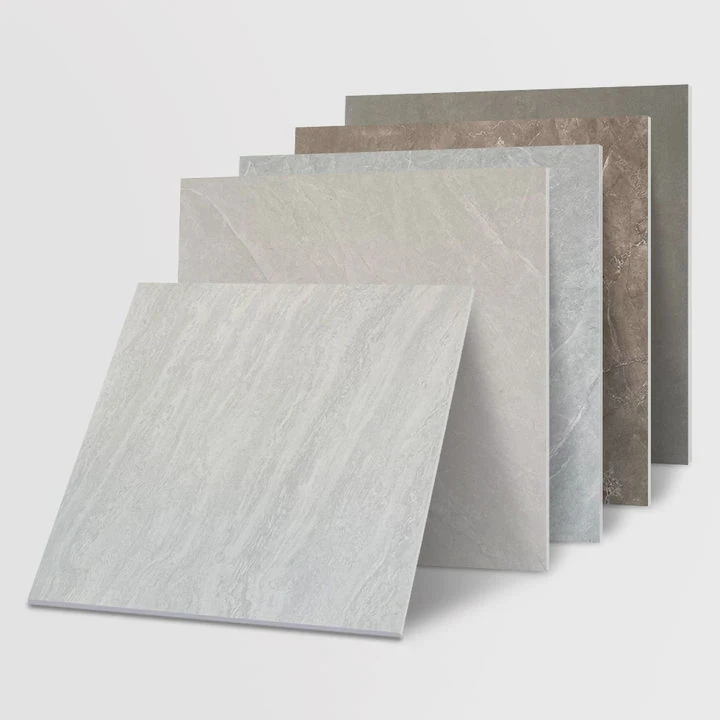
The success of a tile crack repair often depends on choosing the right product. Different crack sizes, tile materials, and installation environments require different repair solutions.
The best crack repair products include epoxy fillers, ceramic repair compounds, acrylic fillers, touch-up kits, and professional restoration systems. The ideal choice depends on the tile type, crack severity, and exposure conditions.
Not all repair products perform equally well. Understanding their strengths helps achieve better and longer-lasting results.
Epoxy Repair Systems
Epoxy remains one of the most trusted repair materials in the tile industry.
Benefits include:
- High bond strength
- Water resistance
- Chemical resistance
- Long service life
Epoxy works particularly well on porcelain and ceramic tiles.
Ceramic Repair Fillers
Specialized ceramic fillers are designed specifically for tile restoration.
These products often provide:
- Smooth application
- Color matching options
- Good finishing characteristics
They are commonly used for small cosmetic repairs.
Acrylic-Based Fillers
Acrylic products offer flexibility and ease of use.
Advantages include:
- Simple application
- Fast drying
- Easy cleanup
They are often suitable for light-duty repairs in low-moisture environments.
Tile Repair Kits
Many manufacturers offer complete repair kits.
Typical contents include:
| Component | Purpose |
|---|---|
| Filler | Crack repair |
| Pigments | Color matching |
| Applicators | Product placement |
| Finishing tools | Surface smoothing |
| Instructions | Repair guidance |
These kits can be useful for homeowners and maintenance teams.
Color Matching Products
Visual appearance is often as important as structural repair.
Color-matching systems help blend repairs with:
- White ceramic tiles
- Stone-look porcelain
- Decorative wall tiles
- Patterned surfaces
The closer the color match, the less noticeable the repair becomes.
Moisture-Resistant Products
Bathrooms, showers, and kitchens require additional protection.
Products used in wet areas should provide:
- Water resistance
- Mold resistance
- Long-term durability
Moisture-resistant epoxy systems are often preferred for these environments.
Professional Restoration Solutions
For high-value projects, professional-grade restoration products may offer superior performance.
These systems often include:
- Multi-stage fillers
- Surface coatings
- Specialized pigments
- Polishing compounds
They are frequently used in hotels, commercial buildings, and luxury residential projects.
Choosing the Right Product
Several factors influence product selection.
| Factor | Recommended Focus |
|---|---|
| Tile material | Product compatibility |
| Crack size | Filling capacity |
| Moisture exposure | Water resistance |
| Appearance needs | Color matching |
| Traffic level | Durability |
Selecting a product based on these factors increases the likelihood of a successful repair.
Product Quality Matters
Low-quality repair products may:
- Shrink during curing
- Discolor over time
- Crack again
- Lose adhesion
Investing in reliable repair materials usually produces better results and longer-lasting performance.
The most effective crack repair products combine strong adhesion, durability, moisture resistance, and visual compatibility with the existing tile surface.
Conclusion
Fixing cracks in tile begins with understanding what caused the damage. Small cracks can often be repaired successfully with quality fillers and epoxy products, while larger or structurally compromised tiles usually require replacement. Choosing the right repair method helps restore both the appearance and durability of the tiled surface.