How to fix shower tile?
- Sinotiles
- 2026-08-12
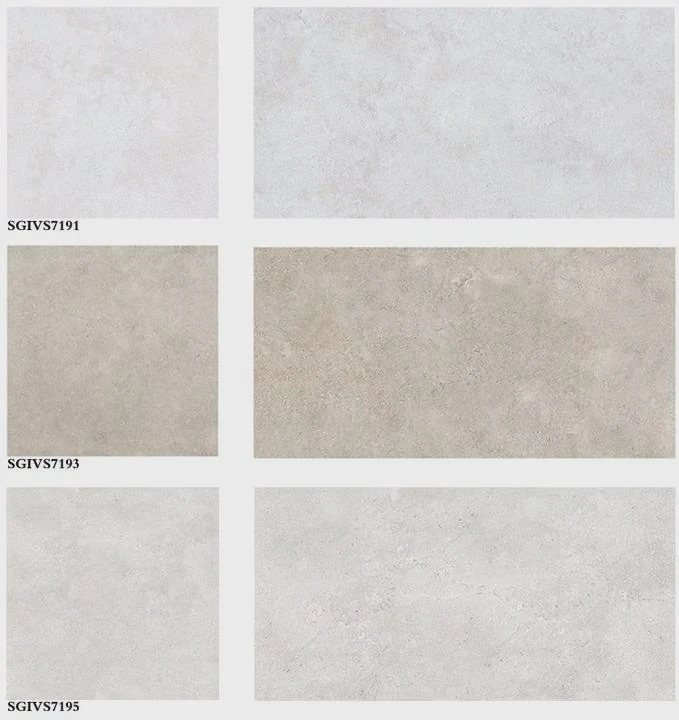
Loose shower tiles can create water problems and damage the beauty of a bathroom. A small crack or movement may become a bigger repair issue if it is not handled early.
Fixing a shower tile requires finding the cause, removing damaged materials, restoring proper adhesion, and protecting the area from future water damage.
A shower area has a special challenge because tiles are exposed to water every day. Unlike dry wall or floor areas, shower tiles need strong bonding and reliable waterproof protection. When something goes wrong, the problem is often not only the tile itself.
Many homeowners try to push a loose tile back into place or add simple glue. However, this method may only hide the problem for a short time. A good repair should check the tile, adhesive layer, grout, and waterproof system together.
What causes shower tiles to loosen?
Shower tiles usually become loose because the bond between the tile and the surface becomes weak. Moisture, poor installation, and aging materials are common reasons behind this problem.
Loose shower tiles are often caused by water damage, weak tile adhesive, poor installation, movement behind the wall, or damaged grout that allows moisture to enter.
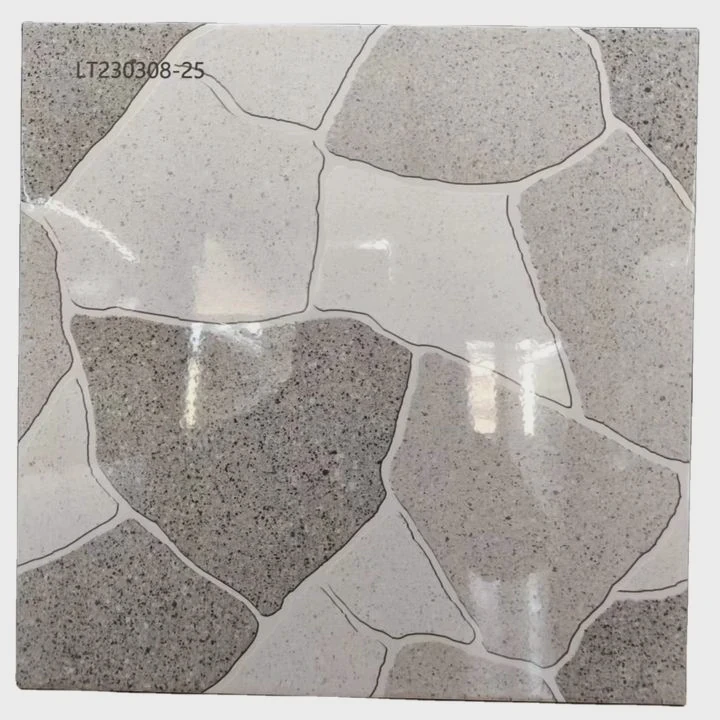
A shower tile does not stay in place by itself. The tile depends on several layers working together. The tile surface, adhesive, backing board, waterproof membrane, and grout all support the final installation.
When one part fails, the tile may start moving or separating from the wall.
Common causes of loose shower tiles
| Cause | Effect on shower tiles |
|---|---|
| Water penetration | Weakens adhesive and damages the backing surface |
| Poor adhesive coverage | Creates empty areas behind tiles |
| Incorrect installation | Reduces long-term tile stability |
| Building movement | Creates stress between tiles and walls |
| Old grout damage | Allows water to enter behind tiles |
Water penetration is one of the biggest causes. A shower constantly experiences water exposure, and even small openings in grout lines can allow moisture to travel behind tiles.
Once water reaches the adhesive layer, the bond may slowly become weaker. The tile may first feel slightly flexible. Later, it may become completely loose.
Poor installation is another common problem. Some installers may not apply enough adhesive behind the tile. If large empty spaces exist between the tile and wall, the tile has less support.
Proper adhesive coverage is especially important for large format tiles. Bigger tiles are heavier and need better support across the whole back surface.
How installation quality affects tile performance
A good shower tile installation usually includes:
- A flat and stable wall surface
- Suitable tile adhesive
- Correct adhesive coverage
- Proper waterproof protection
- Correct grout application
If any of these steps are missing, problems may appear after months or years of use.
The backing surface behind the tile is also important. A shower wall needs materials that can handle moisture. Regular drywall is not suitable for wet areas because it can absorb water and lose strength.
Temperature changes can also create movement. Hot showers and daily cooling cycles create small expansion and contraction. Good installation allows the system to handle these changes.
Understanding the cause is the first step before repair. If the reason is ignored, a new tile may become loose again after a short time.
How to reattach loose shower tiles?
Reattaching a loose shower tile requires careful preparation. Simply adding adhesive on the outside usually cannot create a strong repair.
To reattach a loose shower tile, remove the tile carefully, clean the surface, apply suitable tile adhesive, reinstall the tile, and restore the grout protection.
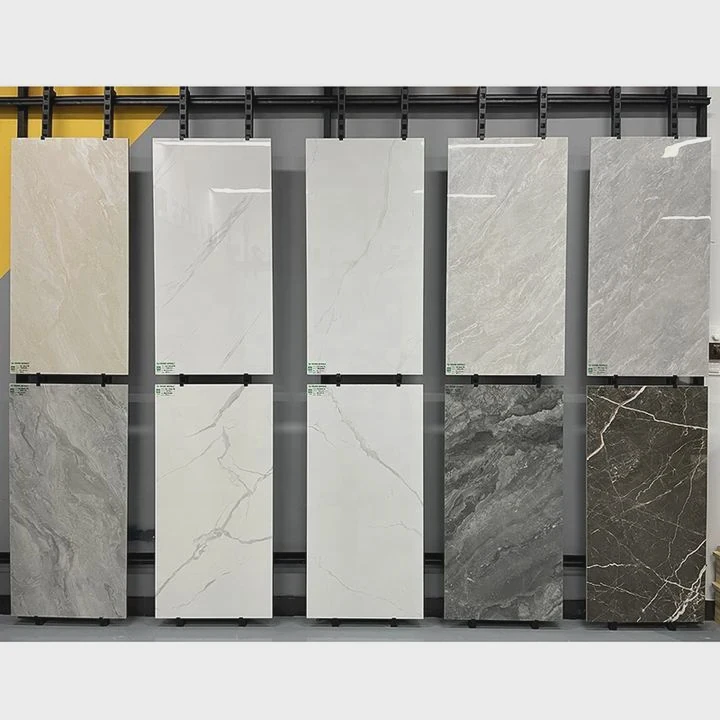
A loose tile repair can be small, but the process should still follow the correct steps. The goal is to rebuild the connection between the tile and the wall.
Steps to repair a loose shower tile
The first step is checking the tile condition. A tile that is cracked or heavily damaged should usually be replaced instead of reattached.
If the tile is still in good condition, it can often be removed carefully for repair.
| Repair step | Purpose |
|---|---|
| Remove loose tile | Access the damaged bonding area |
| Clean old adhesive | Create a better surface |
| Check wall condition | Find hidden moisture damage |
| Apply new adhesive | Restore tile connection |
| Reinstall tile | Create a stable surface |
| Replace grout | Protect the joint area |
The removal process should be gentle. Using too much force may damage nearby tiles or the wall structure.
After removing the tile, the old adhesive should be cleaned. Any loose material, dust, or moisture can reduce the strength of the new adhesive.
The wall area behind the tile should also be inspected. If the surface is soft, wet, or damaged, the problem may be larger than one loose tile.
Choosing the correct adhesive
Different tile products require different adhesives. Shower environments need products that can handle moisture and temperature changes.
Important factors include:
- Water resistance
- Bond strength
- Compatibility with tile material
- Drying time
- Application area
Ceramic tiles and porcelain tiles may have different installation needs. Porcelain tiles usually have lower water absorption and a denser surface, so the adhesive must create a strong bond.
After applying adhesive, the tile should be pressed into position carefully. The surface should stay aligned with surrounding tiles.
A repaired tile should not immediately receive heavy water exposure. The adhesive needs enough time to cure properly.
When should a tile be replaced instead?
Not every loose tile can be repaired. Replacement may be better when:
- The tile has cracks
- The back surface is damaged
- Water damage is serious
- The tile edges are broken
- The original tile cannot bond again
A complete repair focuses on long-term performance, not only quick appearance improvement.
Can water damage affect tile adhesion?
Water damage can seriously affect shower tile adhesion because moisture can weaken the materials that hold tiles in place.
Water damage can reduce tile adhesion by weakening adhesive, damaging wall materials, and allowing tiles to separate from the shower surface.
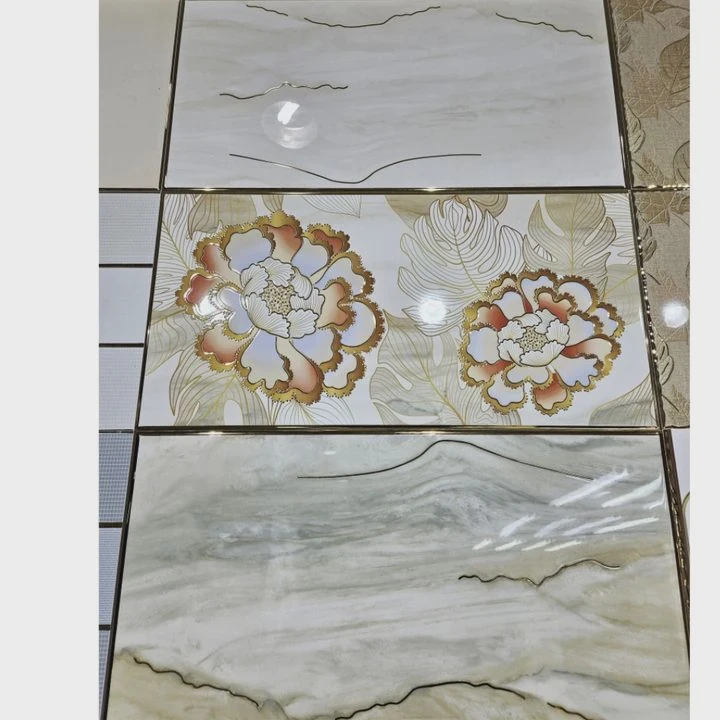
Water is necessary in a shower, but uncontrolled moisture creates problems. A properly built shower system manages water and prevents it from reaching sensitive layers behind the tile.
How water affects tile bonding
When water enters behind a shower tile, several problems may happen:
- The adhesive may lose strength.
- The backing material may become damaged.
- Mold or bacteria may grow.
- The tile may move away from the wall.
Water does not always create immediate damage. Many problems develop slowly over time.
A small crack in grout may allow water to enter. At first, there may be no visible signs. After months of repeated exposure, the tile bond may become weaker.
Signs of possible water damage
| Warning sign | Possible meaning |
|---|---|
| Moving tile | Weak bond behind tile |
| Dark areas around grout | Moisture penetration |
| Soft wall surface | Water damage behind tile |
| Musty smell | Possible moisture problem |
Waterproofing is a key part of shower construction. Tile and grout alone are not the complete waterproof system. They help protect the surface, but the layers behind them also need protection.
When repairing a loose shower tile, checking for water damage is important. Installing a new tile over a wet or damaged area can lead to another failure.
Preventing future water damage
Regular maintenance can reduce water-related problems:
- Repair cracked grout quickly
- Keep shower areas clean
- Check corners and joints
- Maintain proper ventilation
- Inspect sealant condition
Good waterproof protection helps extend the life of shower tiles. It also reduces repair costs over time.
For commercial bathrooms such as hotels and public facilities, water control becomes even more important. Frequent use means small problems can develop faster.
A strong shower tile system depends on both installation quality and regular care.
Why inspect grout and seal regularly?
Grout and seal inspection helps protect shower tiles from moisture problems. Regular checks can identify small issues before they become expensive repairs.
Inspecting grout and seal regularly helps prevent water entry, maintain tile stability, and extend the service life of the shower area.
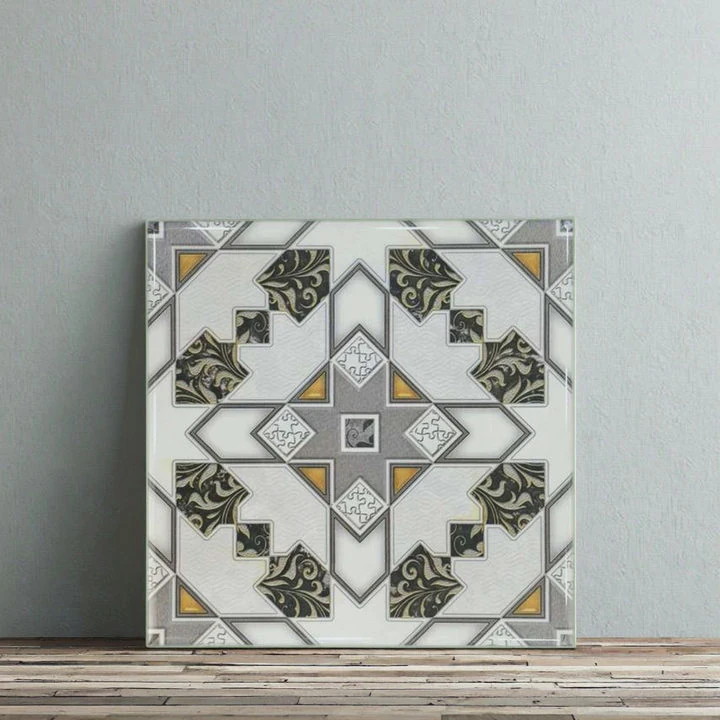
Many people focus only on tiles because they are the most visible part of the shower. However, grout and seal materials play an important role in protecting the whole system.
The role of grout and seal
Grout fills the spaces between tiles. It helps keep the tile layout stable and reduces the chance of water entering between joints.
Sealant is often used in areas where movement happens, such as corners and connections between different surfaces.
| Material | Main function |
|---|---|
| Grout | Fills tile gaps and supports surface protection |
| Sealant | Handles movement and blocks water entry |
| Tile adhesive | Bonds tile to the wall |
Over time, grout can crack because of movement, cleaning chemicals, or aging. Sealant can also become dry, loose, or separated from the surface.
These small problems may allow water to enter behind tiles.
What should be checked during inspection?
A regular inspection should look for:
- Cracked grout lines
- Missing grout sections
- Loose sealant edges
- Dark moisture marks
- Moving tiles
Finding these signs early can prevent larger repairs.
For example, replacing a small damaged grout area is usually much easier than repairing multiple loose tiles caused by long-term water penetration.
Cleaning products can also affect grout and seal. Strong chemicals may damage protective materials over time. Using suitable bathroom cleaning products helps maintain the surface.
Regular inspection is especially valuable in hotels, apartments, and commercial buildings. High-use shower areas experience more water exposure and require better maintenance planning.
A good maintenance routine does not need to be complicated. A simple visual check every few months can help identify problems early.
When grout and seal remain in good condition, shower tiles have better protection and longer service life.
Conclusion
Fixing shower tiles requires more than attaching a loose tile. Checking the cause, repairing correctly, controlling water damage, and maintaining grout and seal can keep shower surfaces strong and durable.