What color grout to use with white tile?
- Sinotiles
- 2026-08-12
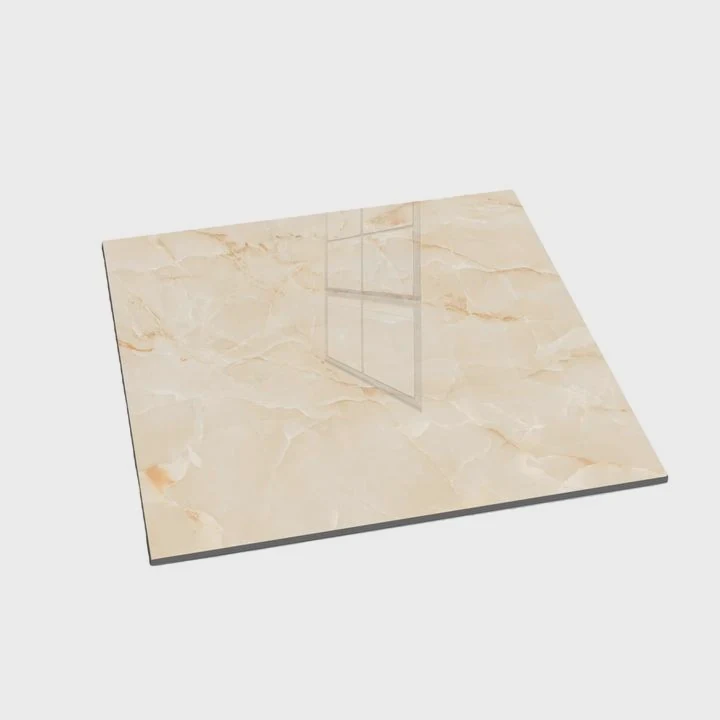
White tile creates a clean and bright space, but the wrong grout color can change the whole look. Many homeowners choose white tile but forget that grout lines strongly affect the final design.
The best grout color for white tile depends on the style, maintenance needs, and visual effect you want to create. White, gray, beige, and dark grout are common choices because each color creates a different appearance.
Grout is not only a filling material between tiles. It also works as a design element. A small color change can make a room feel modern, classic, larger, or more detailed.
When I look at tile projects, I often see that grout selection is an important decision. The tile may have a beautiful surface, but grout can either support the design or reduce its visual quality.
Which grout colors match white tiles best?
White tile gives many design options because it works well with different grout colors. The best match depends on the feeling you want to create and the function of the space.
The most popular grout colors for white tiles are white, light gray, medium gray, beige, and black. Each option creates a different balance between simplicity, contrast, and maintenance.
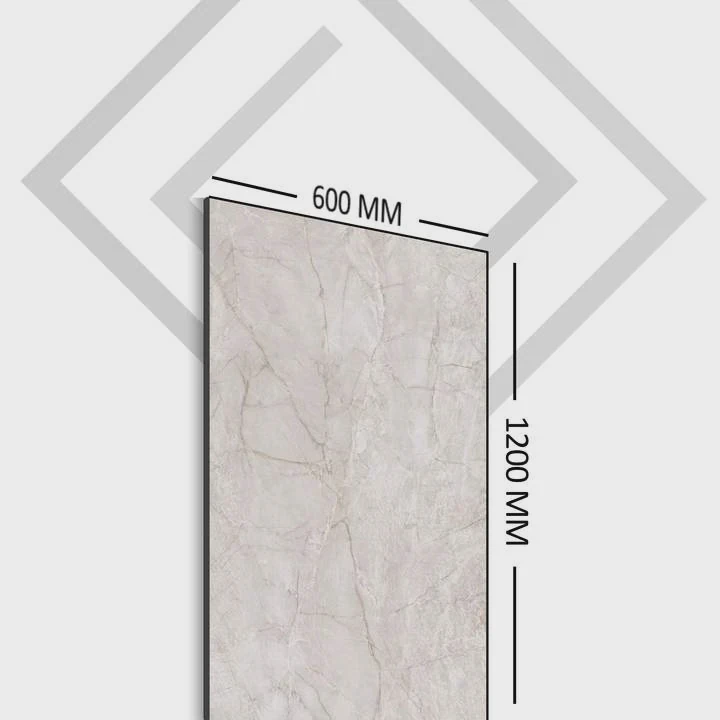
Choosing grout color is similar to choosing a frame for a picture. The frame does not change the picture itself, but it changes how people see it.
Popular grout choices for white tiles
| Grout Color | Visual Effect | Best Application |
|---|---|---|
| White grout | Clean and seamless look | Minimalist bathrooms and kitchens |
| Light gray grout | Soft contrast | Modern residential spaces |
| Medium gray grout | Stronger tile definition | Floors and high-use areas |
| Beige grout | Warm and natural feeling | Classic and comfortable interiors |
| Black grout | Bold and dramatic contrast | Modern and industrial designs |
White grout creates a smooth appearance because the grout lines almost disappear. This choice works well when the goal is to make the space look simple and open.
However, white grout also requires more care. Dirt, stains, and moisture marks can become visible over time, especially in kitchens and bathrooms.
Light gray grout is one of the most flexible options. It creates enough contrast to show the tile shape but still keeps a clean feeling. Many designers choose light gray because it balances beauty and practicality.
Beige grout can create a warmer atmosphere. It works well with white tiles that have natural stone patterns or warm decoration styles.
Dark grout creates a completely different effect. It highlights each tile and creates a stronger pattern. This option is often used in modern designs where the tile layout becomes a key visual feature.
The right grout color should support the overall room design. It should match the wall color, floor style, furniture, and lighting conditions.
How does grout color affect design?
Grout color can change how people see tile size, shape, and layout. Even when the same white tile is used, different grout colors can create completely different design results.
Grout color affects the visual balance of a tile installation. Light grout creates a smooth surface, while darker grout creates stronger lines and more noticeable patterns.
Many people focus only on tile selection, but grout plays a major role in the final appearance. A small grout line can influence the entire room atmosphere.
How grout changes visual perception
Light grout creates a larger feeling
When white tile is combined with white or light gray grout, the surface looks more continuous. This effect can make small rooms feel bigger because there are fewer visual breaks.
This style works well for small bathrooms, narrow kitchens, and compact living areas. The space feels brighter and more open.
Dark grout creates stronger structure
Dark grout creates clear lines between tiles. This effect helps people notice the tile pattern and installation style.
For example, subway tiles with dark grout can create a classic and organized appearance. Large-format white tiles with gray grout can create a clean modern style.
Design comparison
| Grout Style | Room Feeling | Design Direction |
|---|---|---|
| Same color grout | Calm and smooth | Minimalist |
| Light contrast grout | Balanced and modern | Contemporary |
| Strong contrast grout | Bold and artistic | Industrial or luxury |
The grout choice should also match the tile size. Small tiles usually have more grout lines, so the grout color has a stronger effect. Large tiles have fewer joints, so the influence is smaller but still important.
The lighting condition also changes grout appearance. Natural light may make gray grout look softer, while artificial light can make colors appear stronger.
When planning a tile project, I suggest looking at grout samples next to the actual tile. Digital images often show different colors compared with real materials.
Good design comes from balance. The grout should support the tile instead of competing with it. A suitable grout color helps the tile surface show its best features.
Can dark grout highlight white tiles?
Dark grout can create a powerful contrast with white tiles. This combination is popular because it makes tile patterns clear and adds strong visual interest.
Yes, dark grout can highlight white tiles by creating sharp lines and emphasizing the shape, size, and layout of each tile. It is often used for modern, industrial, and decorative designs.
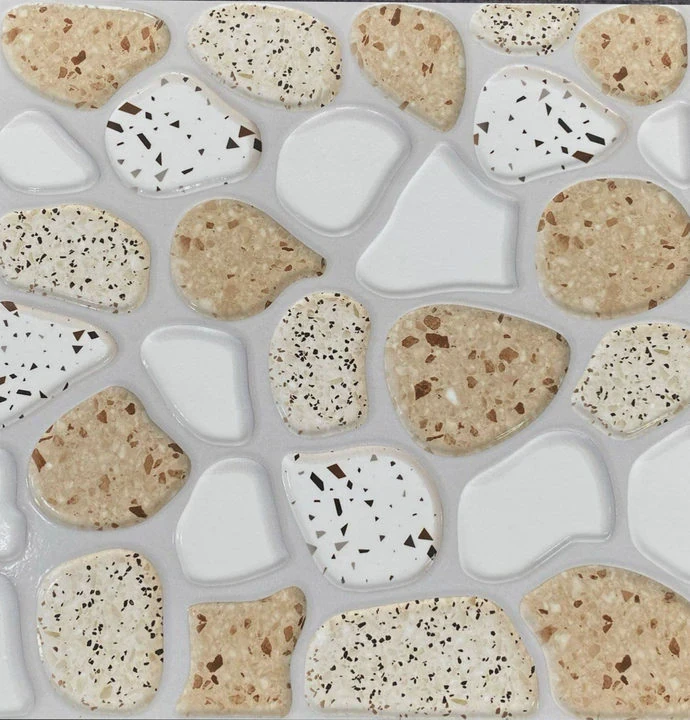
White tile with dark grout creates a high-contrast appearance. The eyes naturally follow the grout lines, which makes the tile arrangement become part of the decoration.
Benefits of dark grout with white tile
Dark grout offers several design advantages.
It creates clear patterns
Dark lines make tile layouts easier to see. This works especially well with subway tiles, hexagon tiles, and geometric tile designs.
It adds personality
A white tile wall can look simple. Dark grout adds character and creates a stronger visual statement.
It reduces visible dirt
Dark grout usually hides stains better than white grout. This can be helpful in areas with heavy use.
Possible challenges
Dark grout also requires careful selection. Some dark grouts may fade over time if they are exposed to strong cleaning chemicals or sunlight.
The contrast can also become too strong in some rooms. A small space with many dark grout lines may feel busy instead of comfortable.
The balance between tile and grout is important. A soft gray grout can provide a similar highlighting effect without creating such a strong contrast.
The final result depends on the whole space. White tiles with black grout may look excellent in a modern kitchen but may feel too dramatic in a traditional bathroom.
When dark grout works best
Dark grout is a good choice for:
- Feature walls
- Modern kitchens
- Commercial spaces
- Decorative tile patterns
- Areas where tile layout is important
Dark grout is not only a practical choice. It is also a design tool. It helps transform simple white tiles into a more expressive surface.
Why consider maintenance when choosing grout?
A beautiful grout color should also fit your cleaning habits and lifestyle. Many people choose grout based only on appearance but later find that maintenance becomes difficult.
Maintenance should be part of grout selection because different grout colors show dirt, stains, and wear in different ways. The right choice can help keep tile surfaces looking better for a longer time.
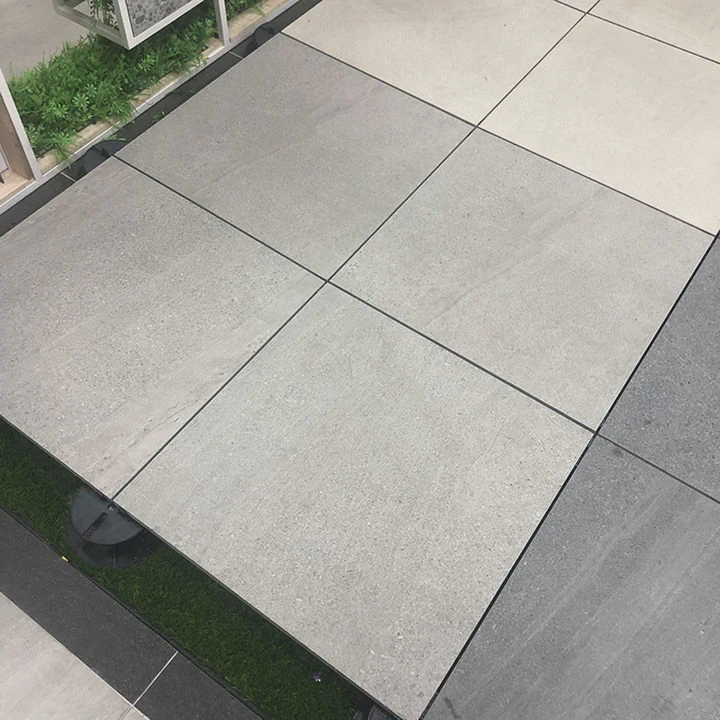
Tile areas such as bathrooms, kitchens, and commercial buildings experience moisture, dust, and daily use. The grout condition can affect the overall appearance of the entire space.
Maintenance differences between grout colors
White grout looks fresh when it is new, but it can show discoloration easily. Soap residue, cooking stains, and dirt may become visible quickly.
Gray grout is often easier to maintain because it hides small marks better. This makes it a practical choice for busy homes and commercial projects.
Dark grout can also hide dirt, but it may show white mineral deposits or cleaning residue in wet areas.
Factors to consider before choosing grout
| Factor | Question to Ask | Why It Matters |
|---|---|---|
| Room location | Is it a wet or dry area? | Moisture affects grout appearance |
| Cleaning frequency | How often will it be cleaned? | Affects long-term appearance |
| Traffic level | Is the area heavily used? | Determines durability needs |
| Tile style | Does grout support the design? | Creates better visual balance |
For bathrooms, kitchens, and entrance areas, practical grout colors often perform better. These spaces need materials that can handle daily wear.
For decorative walls or low-use areas, homeowners can choose more artistic grout colors because maintenance pressure is lower.
I always recommend thinking about long-term use before making a final decision. A grout color should look good not only on installation day but also after months and years of use.
The best grout choice combines design and function. White tile gives flexibility, but grout selection decides how the final surface looks and performs. A thoughtful choice creates a tile installation that remains attractive and practical.
Conclusion
The best grout color for white tile depends on design goals, room use, and maintenance needs. White, gray, beige, and dark grout can all create beautiful results when they match the overall space.