How to Get Scratches Out of Tile?
- Sinotiles
- 2026-05-18
Scratched tiles can make a clean space look old and poorly maintained. Many people worry that the damage is permanent and expensive to fix.
Most tile scratches can be reduced or removed with simple methods like cleaning, polishing, buffing compounds, or repair products. The right solution depends on the tile material and the depth of the scratch.
Small scratches often look worse than they really are. In many cases, the mark only affects the surface layer. A few careful repair steps can improve the tile and help avoid costly replacement work. The key is to understand the tile type before starting any repair method.
What Methods Can Remove Minor Tile Scratches?
Small tile scratches are common in homes, hotels, and commercial buildings. Heavy furniture, sand, pet claws, and daily foot traffic often leave marks on tile surfaces.
Minor tile scratches can often be removed with baking soda paste, toothpaste, melamine sponges, polishing powder, or soft buffing pads. Gentle cleaning and light polishing usually work best for shallow surface marks.
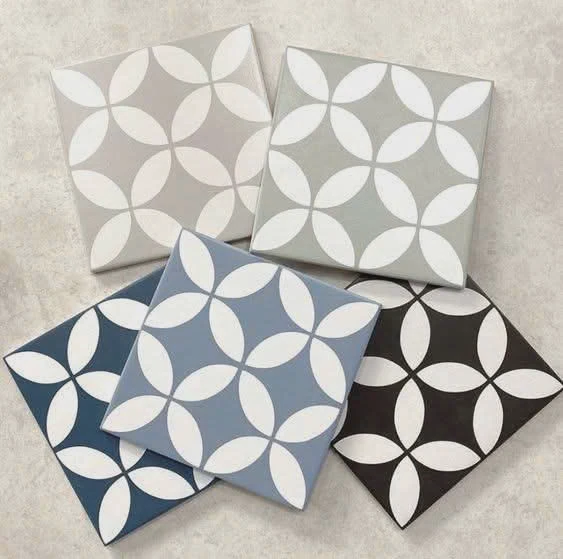
Many people try aggressive methods first. This often makes the damage worse. A better approach starts with identifying whether the scratch is only on the surface glaze or deeper inside the tile body.
Start With Proper Cleaning
Dust and dirt can hide the true condition of the tile. Cleaning the area first helps reveal the actual scratch depth.
A simple cleaning process often includes:
| Step | Purpose |
|---|---|
| Use warm water | Remove loose dirt |
| Add mild soap | Clean surface oils |
| Dry with microfiber cloth | Prevent extra marks |
| Inspect under light | Check scratch depth |
A clean tile surface gives better repair results. Dirt trapped during polishing may create more scratches.
Use Baking Soda Paste
This is one of the easiest home methods for glossy ceramic or porcelain tiles.
Mix:
- 2 parts baking soda
- 1 part water
Apply the paste using a soft cloth. Rub in small circular motions for one to two minutes. Then wipe clean.
This method works because baking soda has very light polishing properties. It can smooth tiny surface marks without damaging the glaze.
Try Non-Gel Toothpaste
Plain white toothpaste can sometimes reduce light scratches on polished tile surfaces.
The process is simple:
- Apply a small amount
- Use a soft cloth
- Rub gently
- Clean with warm water
This works best on polished porcelain and glazed ceramic tiles.
Use Melamine Foam Carefully
Melamine sponges can remove transfer marks that look like scratches. Shoe rubber and metal scuffs often leave dark lines on tile surfaces.
Still, pressure matters. Too much force may dull glossy finishes.
Understand Tile Material First
Different tiles react differently to scratch repair methods.
| Tile Type | Scratch Resistance | Repair Difficulty |
|---|---|---|
| Polished porcelain | High | Moderate |
| Glazed ceramic | Medium | Easy |
| Marble tile | Low | Difficult |
| Natural stone | Medium | Moderate |
| Matte porcelain | High | Easy |
In large export projects, this becomes very important. Some commercial buyers focus only on appearance during purchasing. Later, they discover the maintenance requirements are very different between polished and textured surfaces.
This is why many contractors now prefer high-density porcelain tiles for hotels, malls, and office projects. These tiles resist scratches better in high-traffic areas.
Avoid Fast DIY Mistakes
Many online videos recommend steel wool or rough sandpaper. These methods often damage the protective surface layer.
A shallow scratch is easier to fix than a damaged glaze.
In one past project, a customer used rough polishing discs on polished porcelain tiles in a showroom. The original scratches disappeared, but the gloss level became uneven across the floor. The replacement cost became much higher than the original repair.
Simple methods work better when the scratch is small. Patience matters more than pressure.
How Can Polishing Restore Scratched Tile Surfaces?
Scratched tiles often lose their shine first. Even when the scratch is shallow, light reflection changes and makes the surface look damaged.
Polishing restores scratched tile surfaces by smoothing uneven areas, reducing visible marks, and bringing back surface shine. Proper polishing can improve both appearance and durability.
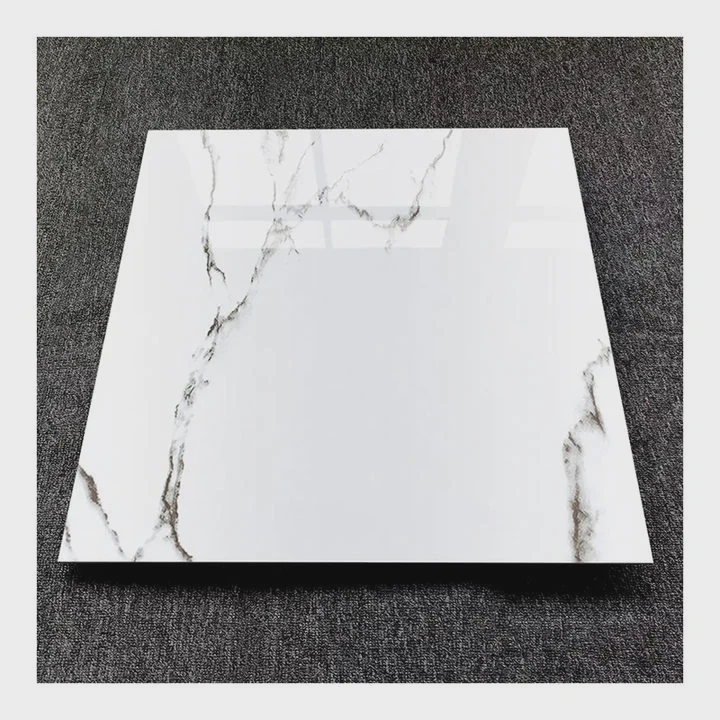
Polishing works best for surface-level scratches. Deep cuts may still remain visible after polishing. The goal is usually to reduce visibility rather than create a completely perfect surface.
Why Polishing Works
Most polished tiles reflect light evenly. A scratch interrupts this reflection. Polishing smooths the surface again so light spreads more evenly.
This is especially important for:
- Polished porcelain tiles
- Marble tiles
- Glossy ceramic tiles
- Large-format polished slabs
Common Tile Polishing Methods
Different polishing systems work for different tile materials.
| Method | Best For | Risk Level |
|---|---|---|
| Soft buffing pad | Glossy porcelain | Low |
| Diamond polishing pad | Natural stone | Medium |
| Polishing cream | Ceramic glaze | Low |
| Machine polishing | Commercial floors | High |
Small household scratches usually need only hand polishing.
Use Low-Speed Tools
High-speed machines generate heat. Heat can damage tile glaze or create uneven shine.
Professional polishing normally uses:
- Low RPM machines
- Water cooling
- Soft polishing pads
- Gradual polishing stages
This process reduces surface stress.
Match the Existing Finish
One common mistake is over-polishing a small area. The repaired spot may become shinier than surrounding tiles.
This creates a patch effect.
A better method blends outward slowly into nearby tiles.
Polishing Porcelain Tiles
Porcelain tiles are very dense. Their low water absorption also makes them harder to polish compared to marble.
Still, polished porcelain responds well to fine polishing compounds designed for ceramic surfaces.
When Professional Help Is Better
Large scratches or commercial flooring often need professional restoration.
Professional repair may include:
- Surface grinding
- Multi-step polishing
- Resin filling
- Protective sealing
This becomes common in airports, shopping centers, hotels, and office projects where replacing tiles would interrupt business operations.
Prevention Still Matters
Many scratches come from avoidable problems:
- Sand near entrances
- Metal furniture legs
- Poor cleaning tools
- Dragging heavy equipment
Protective floor pads and regular cleaning reduce long-term maintenance costs.
In many commercial projects, entrance mats now play a major role in tile protection. Removing sand before it spreads across polished floors helps preserve surface shine for years.
Polishing can restore beauty, but prevention protects the original finish much longer.
Why Avoid Abrasive Tools on Delicate Tiles?
Many people think stronger tools produce faster results. On delicate tile surfaces, the opposite is often true.
Abrasive tools can permanently damage tile glaze, remove protective finishes, create dull spots, and increase future staining risks. Delicate tiles require gentle repair methods instead of aggressive grinding.
Tile surfaces are not all built the same way. Some have protective glazed layers. Others use polished coatings or textured finishes. Abrasive tools may cut through these surfaces very quickly.
Common Abrasive Tools That Cause Damage
Many household repair attempts involve tools that are too rough.
Examples include:
- Steel wool
- Wire brushes
- Coarse sandpaper
- Grinding discs
- Hard scrub pads
These tools may remove the scratch but also remove the surrounding finish.
Glazed Tiles Are Especially Sensitive
Glazed ceramic tiles have a protective top layer. Once damaged, the original factory finish cannot fully return.
This often creates:
| Problem | Result |
|---|---|
| Dull spots | Uneven shine |
| Surface thinning | Higher crack risk |
| Open pores | Easier staining |
| Rough texture | More dirt buildup |
Many users only notice the damage after cleaning under bright lighting.
Natural Stone Needs Extra Care
Marble and travertine scratch more easily than porcelain. Abrasive tools can leave swirl marks across the surface.
Natural stone also reacts differently to pressure and heat. Uneven grinding may create visible color differences.
Matte Tiles Can Also Be Damaged
People often assume matte tiles hide damage better. This is partly true, but aggressive cleaning can still create smooth patches on textured surfaces.
The floor then looks uneven under sunlight.
Why Professional Systems Use Gradual Abrasion
Professional polishing systems do use abrasives, but they work in controlled stages.
The process normally includes:
- Fine grit selection
- Water lubrication
- Controlled pressure
- Multiple polishing levels
This reduces sudden surface damage.
Cheap Repair Methods Can Increase Costs
A small scratch repair can turn into full tile replacement if the surface gets damaged.
One customer once tried metal polishing wheels on decorative wall tiles. The scratches faded, but the glossy printed design layer became distorted. Replacing imported decorative tiles took several months and increased project costs significantly.
Safer Alternatives Work Better
Gentle methods usually produce better long-term results.
Safer options include:
- Microfiber cloths
- Soft foam pads
- Tile-safe polishing cream
- Non-abrasive cleaners
These methods may take longer, but they preserve the tile finish.
Long-Term Surface Protection Matters
Tiles are chosen for durability and appearance. Once the surface layer is damaged, future maintenance becomes harder.
This is especially important in:
- Hotels
- Retail stores
- Luxury homes
- Commercial lobbies
Maintaining the original finish helps preserve both visual value and product lifespan.
Which Products Help Repair Tile Scratches Effectively?
The market offers many tile repair products. Some work well. Others only hide scratches temporarily.
Effective tile scratch repair products include polishing compounds, porcelain repair kits, wax fillers, tile sealers, and resin-based repair creams designed for specific tile materials.
The best product depends on several factors:
- Tile material
- Scratch depth
- Surface finish
- Tile color
- Location of damage
A product that works on marble may not work on porcelain.
Tile Repair Product Categories
Different products solve different problems.
| Product Type | Best Use | Suitable Tiles |
|---|---|---|
| Polishing cream | Light surface scratches | Porcelain, ceramic |
| Wax repair stick | Small chips | Ceramic |
| Epoxy filler | Deep scratches | Stone, porcelain |
| Color repair pen | Hairline marks | Glazed tiles |
| Tile sealer | Finish protection | Stone, matte tile |
Understanding the problem first prevents wasted time and money.
Polishing Compounds
Polishing compounds are among the most common repair products.
These products usually contain:
- Fine polishing minerals
- Gloss enhancers
- Surface smoothing agents
They help blend shallow scratches into surrounding areas.
Porcelain Repair Kits
Porcelain repair kits often include:
- Color fillers
- Surface polish
- Repair applicators
These kits work well for small chips and visible marks.
Large commercial buyers often keep repair kits for after-installation touch-ups. Minor handling damage sometimes happens during transport or installation, especially with large-format slabs.
Epoxy-Based Fillers
Deep scratches may need filling before polishing.
Epoxy fillers help because they:
- Bond strongly
- Resist moisture
- Match tile colors
- Improve durability
Still, color matching requires care. Poor color blending may make repairs more visible than the original scratch.
Protective Sealers
Sealants do not remove scratches, but they help reduce future damage.
This matters more for:
- Marble
- Travertine
- Matte surfaces
- High-traffic commercial flooring
Sealers also reduce dirt penetration into repaired areas.
Avoid Low-Quality Products
Cheap repair products sometimes contain strong chemicals or rough polishing particles.
Problems may include:
- Yellow discoloration
- Uneven shine
- Sticky residue
- Faster wear
Testing a small hidden area first is always safer.
Commercial Maintenance Programs
Large projects often use planned maintenance systems instead of waiting for visible damage.
This includes:
- Scheduled polishing
- Surface cleaning programs
- Protective coatings
- Entrance dirt control
These systems extend tile lifespan significantly.
Product Selection Should Match Tile Quality
High-end polished porcelain deserves professional-grade repair materials. Cheap repair compounds may reduce the visual quality of premium surfaces.
Many distributors and contractors now ask suppliers about long-term maintenance before selecting tile collections. Scratch resistance and repairability have become important selling points, especially for large commercial developments.
The right repair product does more than hide scratches. It helps preserve the original beauty and service life of the tile surface.
Conclusion
Tile scratches are common, but many can be repaired with careful cleaning, polishing, and proper repair products. Gentle methods protect the surface best. Choosing the right solution for the tile material helps maintain appearance, durability, and long-term value.