how to get suction cups to stick to tile?
- Sinotiles
- 2026-04-08
Suction cups often fall off tiles without warning. This can be frustrating, especially in bathrooms or kitchens where stability matters most.
Suction cups stick best to smooth, clean, and non-porous tile surfaces. Proper cleaning, correct application methods, and moisture control can greatly improve their grip and durability.
Many failures are not about the suction cup itself. The surface condition and installation method play a bigger role. Understanding these factors helps avoid repeated problems.
What surfaces allow suction cups to stick better?
Many people assume suction cups work on any tile. In reality, surface type makes a big difference. The wrong surface leads to weak grip and quick failure.
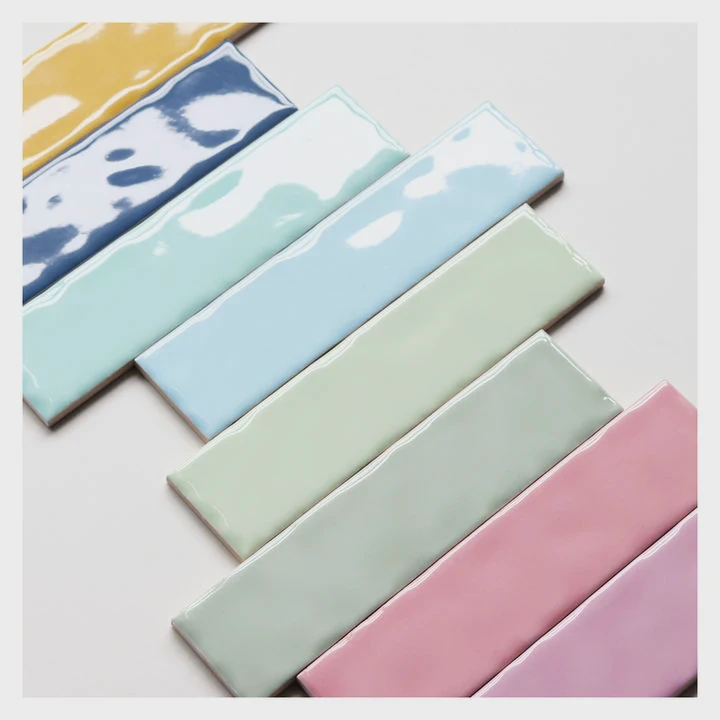
Suction cups stick best to smooth, flat, and non-porous surfaces like glazed ceramic or glass tiles. Rough, textured, or porous tiles reduce suction effectiveness.
Surface quality directly affects how well air can be removed from under the suction cup. A perfect seal is the goal.
Ideal surface characteristics
Suction cups need specific conditions to work well.
- Smooth and flat surface
- Non-porous material
- Clean and dry finish
- No visible texture
Tile types and performance
Different tiles behave differently.
| Tile Type | Surface Texture | Suction Performance | Notes |
|---|---|---|---|
| Glazed Ceramic | Smooth | High | Best for most applications |
| Porcelain | Smooth | High | Very durable and reliable |
| Matte Tiles | Slight texture | Medium | May reduce grip |
| Stone Tiles | Rough/porous | Low | Not recommended |
| Mosaic Tiles | Uneven | Low | Gaps break suction seal |
Why smooth surfaces matter
A suction cup works by removing air between the cup and the surface. Any gap allows air to enter.
- Rough textures trap air
- Uneven surfaces break the seal
- Porous materials leak air slowly
Practical advice
If the tile is not ideal, consider alternatives:
- Use adhesive hooks instead
- Place suction cups on glass panels
- Add a smooth backing plate
Choosing the right surface is the first step. Without it, other methods will not work effectively.
How do you clean tile for better suction grip?
Even the best tile surface fails if it is dirty. Dust, oil, and soap residue reduce suction strength.
To improve suction grip, clean the tile with mild detergent, remove grease, rinse thoroughly, and dry completely before applying the suction cup.
Cleaning is simple, but it must be done properly. Small residues can make a big difference.
Step-by-step cleaning process
- Use warm water and mild detergent
- Scrub gently with a soft cloth
- Rinse with clean water
- Dry with a lint-free towel
Removing stubborn residue
Some areas need extra attention.
- Use vinegar for soap scum
- Use alcohol for grease
- Avoid harsh chemicals that leave film
Common cleaning mistakes
| Mistake | Result | Better Approach |
|---|---|---|
| Skipping rinse | Residue remains | Always rinse thoroughly |
| Using oily cleaners | Reduces suction | Use non-residue cleaners |
| Not drying surface | Weak seal | Dry completely |
| Using rough cloth | Scratches tile | Use soft materials |
Why dryness matters
Water can act as a barrier instead of helping.
- Trapped water creates gaps
- Moisture can weaken suction over time
Pro tip
Clean both the tile and the suction cup.
- Wipe the cup surface
- Remove dust or deformation
A clean surface ensures the suction cup can form a tight seal. This step alone can solve many problems.
Which methods improve suction cup adhesion?
Many people press a suction cup once and expect it to hold forever. But proper technique makes a big difference.
Adhesion improves by applying pressure evenly, removing air completely, slightly moistening the cup edge, and using support methods like suction hooks with locks.
Small adjustments can significantly improve performance.
Correct installation method
Follow a simple process:
- Press the suction cup firmly
- Start from one edge
- Push out all trapped air
- Hold pressure for a few seconds
Use slight moisture correctly
A small amount of moisture can help.
- Lightly dampen the rim
- Do not soak the cup
- Avoid water buildup
Advanced solutions
For stronger hold:
- Use suction cups with locking mechanisms
- Apply a thin layer of petroleum jelly
- Use double suction systems
Adhesion improvement table
| Method | Effectiveness | Difficulty | Notes |
|---|---|---|---|
| Firm pressure | High | Easy | Basic but essential |
| Slight moisture | Medium | Easy | Improves seal temporarily |
| Locking suction cups | Very High | Easy | Best for long-term use |
| Petroleum jelly layer | Medium | Moderate | Can leave residue |
| Double suction systems | High | Moderate | Extra stability |
Common mistakes
- Applying uneven pressure
- Trapping air bubbles
- Reusing worn-out suction cups
When to replace suction cups
Old suction cups lose flexibility.
- Edges become hard
- Surface cracks appear
- Grip weakens over time
Replacing them is often the simplest solution.
Can moisture affect suction cup performance?
Moisture is often misunderstood. Some people think water helps suction, while others think it always causes failure.
Moisture can both help and harm suction cups. A small amount can improve sealing, but excess water or humidity can weaken adhesion over time.

Understanding this balance is important, especially in bathrooms.
Positive effects of moisture
A little moisture can help create a seal.
- Fills tiny air gaps
- Improves initial grip
- Helps smooth contact
Negative effects of moisture
Too much moisture causes problems.
- Water breaks the vacuum seal
- Humidity loosens the grip
- Condensation reduces friction
Environmental factors
Bathrooms and kitchens have changing conditions.
- Steam increases humidity
- Temperature changes affect materials
- Wet surfaces reduce stability
Moisture impact table
| Condition | Effect on Suction | Recommendation |
|---|---|---|
| Slight dampness | Positive | Acceptable for application |
| Wet surface | Negative | Dry before use |
| High humidity | Negative | Check regularly |
| Temperature changes | Variable | Reapply if needed |
Best practices
- Apply suction cups on dry surfaces
- Avoid placing near direct water flow
- Check grip regularly in humid areas
Long-term maintenance
Suction cups need periodic adjustment.
- Reapply every few weeks
- Clean both surfaces regularly
- Monitor for slipping
Moisture control is key to long-term performance. Managing it properly ensures reliable use.
Conclusion
Suction cups stick best when the surface is smooth, clean, and properly prepared. With correct cleaning, application methods, and moisture control, their performance becomes much more reliable and long-lasting.