How to tile over plywood subfloor?
- Sinotiles
- 2026-04-08
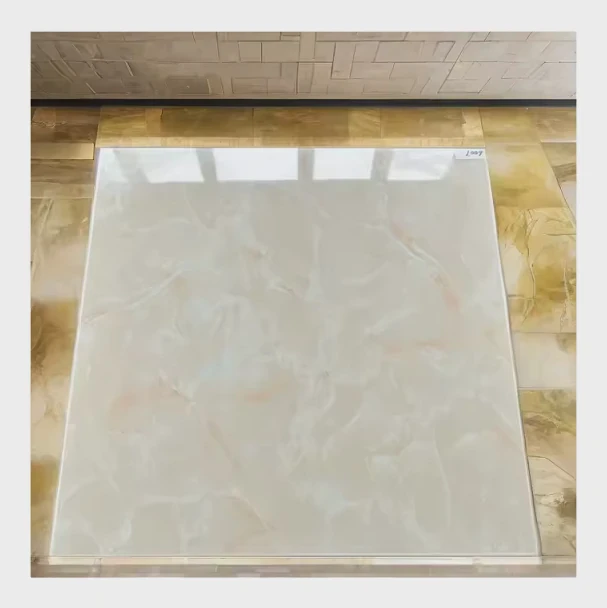
Tiles installed over plywood often crack or loosen over time. Many people ignore the movement of wood. This leads to costly repairs and failed flooring.
To tile over plywood subfloor successfully, you must prepare the surface, control movement, use proper underlayment, and apply waterproofing when needed. These steps ensure durability and prevent cracking.
Wood behaves differently from concrete. It expands and contracts with moisture and temperature. Because of this, tiling over plywood needs extra care and correct materials.
What preparation is needed for plywood subfloors?
Many tile failures start with poor subfloor preparation. Uneven or weak plywood cannot support rigid tiles properly.
Preparing a plywood subfloor involves checking structural strength, securing panels, leveling the surface, and cleaning thoroughly to create a stable base for tiling.
Preparation is the foundation of the entire installation. Skipping steps here leads to problems later.
Check Structural Strength
The plywood must be strong enough to support tile weight.
- Minimum thickness is usually 19mm (3⁄4 inch)
- Double-layer plywood is recommended
- Ensure joists meet spacing standards
Weak floors flex under pressure. This causes tiles to crack.
Secure the Plywood
Loose panels create movement.
- Screw plywood firmly to joists
- Eliminate squeaks and gaps
- Avoid using nails alone
A solid base reduces vibration and shifting.
Level the Surface
Tiles require a flat surface.
- Use a straightedge to check level
- Apply leveling compound if needed
Even small dips can cause uneven tiles.
Sand and Clean
Surface texture affects bonding.
- Lightly sand glossy areas
- Remove dust and debris
A clean surface ensures better adhesion.
Expansion Gaps
Wood expands with humidity.
| Area | Gap Requirement |
|---|---|
| Between sheets | 2-3 mm |
| Around walls | 5-10 mm |
These gaps prevent pressure buildup under tiles.
Moisture Check
Moisture is a hidden risk.
- Ensure plywood is dry
- Avoid tiling over damp surfaces
Moisture can weaken adhesive and cause mold.
Preparation is not just a technical step. It directly affects how long the tile installation will last.
How do you prevent tile cracking on wood base?
Tile cracking is one of the most common issues when installing over plywood. The main cause is movement in the wood base.
To prevent tile cracking, you must reduce subfloor movement, use flexible adhesives, add uncoupling layers, and follow correct installation methods.
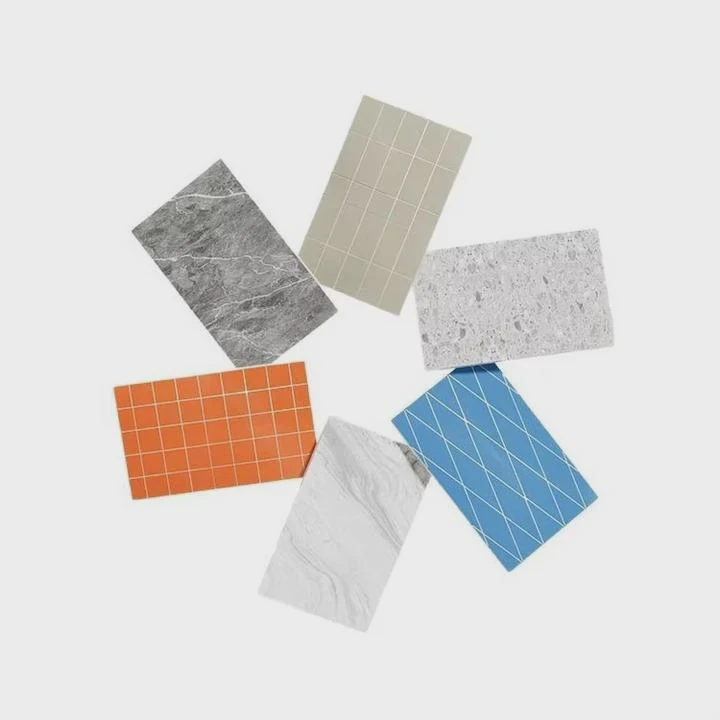
Wood naturally moves. The goal is to isolate that movement from the tile layer.
Reduce Floor Deflection
A stiff floor is essential.
- Strengthen joists if needed
- Add extra plywood layer
Less movement means less stress on tiles.
Use Flexible Adhesive
Standard adhesive may not work well.
- Choose polymer-modified thin-set
- Allows slight movement without cracking
Flexibility is key when working with wood.
Install Uncoupling Membrane
This layer separates tile from subfloor.
- Absorbs movement from below
- Reduces stress on tiles
It acts as a buffer between materials.
Control Joint Placement
Movement joints help manage expansion.
- Add joints in large areas
- Place near walls and transitions
Ignoring this leads to stress buildup.
Avoid Direct Bonding
Tiles should not be bonded directly to plywood in most cases.
| Method | Risk Level |
|---|---|
| Direct bonding | High |
| With underlayment | Medium |
| With membrane system | Low |
Using a system improves reliability.
Environmental Stability
Changes in temperature affect wood.
- Maintain stable indoor climate
- Avoid sudden humidity changes
Consistency reduces expansion and contraction.
Preventing cracks is about understanding material behavior. Tiles are rigid, but wood is not. The system must accommodate this difference.
Which underlayment ensures proper support?
Choosing the wrong underlayment can lead to failure even if everything else is done correctly. Underlayment provides the bridge between plywood and tile.
Cement backer boards and uncoupling membranes are the best underlayments for tiling over plywood, as they provide stability, reduce movement, and improve adhesion.
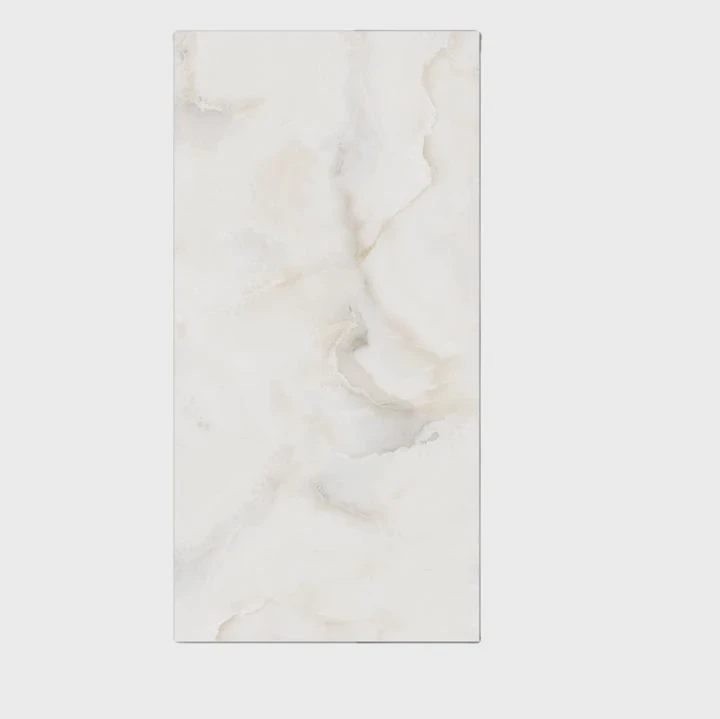
Underlayment creates a suitable surface for tile installation.
Cement Backer Board
A traditional and reliable option.
- Made from cement and fiber
- Provides rigid support
- Resistant to moisture
It is installed with screws and thin-set mortar.
Uncoupling Membrane
A modern solution.
- Flexible and lightweight
- Absorbs movement
- Easy to install
It is ideal for areas prone to movement.
Comparison Table
| Underlayment Type | Strength | Flexibility | Installation Ease | Best Use Case |
|---|---|---|---|---|
| Backer Board | High | Low | Moderate | Standard floors |
| Uncoupling Membrane | Medium | High | Easy | Movement-prone areas |
Installation Considerations
Each type has specific requirements.
- Backer board needs fastening
- Membrane requires proper adhesive
Following instructions ensures performance.
Thickness Impact
Underlayment adds height.
- Plan transitions with other floors
- Adjust door clearances
Ignoring this can create practical issues.
Cost vs Performance
Budget matters, but so does durability.
- Backer board is cost-effective
- Membranes offer better long-term protection
Choosing the right material depends on project needs.
Underlayment is not optional. It is a critical layer that protects tiles from subfloor movement.
When should waterproofing be applied?
Water damage is a major risk, especially in kitchens and bathrooms. Many installations fail because waterproofing is ignored or applied incorrectly.
Waterproofing should be applied after underlayment installation but before tile placement, especially in wet areas, to protect the subfloor from moisture damage.

Timing and method both matter when applying waterproofing.
When Waterproofing is Needed
Not all areas require it.
- Bathrooms and showers → essential
- Kitchens → recommended
- Living areas → optional
Moisture exposure determines necessity.
Application Stage
Waterproofing must be applied at the correct time.
- After underlayment installation
- Before tile adhesive
This ensures full protection of the base.
Types of Waterproofing
Different systems are available.
- Liquid membrane
- Sheet membrane
Liquid membranes are easy to apply. Sheet membranes offer consistent thickness.
Application Process
Steps must be followed carefully.
- Clean surface first
- Apply even coating
- Allow proper drying time
Multiple layers may be required.
Critical Areas
Some zones need extra attention.
| Area | Risk Level |
|---|---|
| Joints | High |
| Corners | High |
| Penetrations | High |
These areas are prone to leaks.
Common Mistakes
- Skipping waterproofing in wet areas
- Applying uneven layers
- Not allowing proper drying
These mistakes reduce effectiveness.
Long-Term Protection
Waterproofing extends floor life.
- Prevents mold growth
- Protects plywood from swelling
It is a small step with major impact.
Waterproofing is not always visible, but it plays a key role in durability. It protects the structure beneath the tiles.
Conclusion
Tiling over plywood subfloor requires proper preparation, movement control, suitable underlayment, and correct waterproofing. Each step works together to prevent cracking and ensure long-term performance. A careful approach leads to a stable and professional tile installation.