How to Install Ceramic Wall Tile?
- Sinotiles
- 2026-06-08
Many DIYers start wall tiling projects confidently but soon struggle with uneven tiles, falling pieces, or messy grout. The root cause is often insufficient preparation and improper technique.
Installing ceramic wall tiles requires a clean, level surface, the right adhesive application, consistent spacing, and careful placement. Following a structured process ensures a durable, visually appealing result.
Ceramic wall tiles can dramatically enhance kitchens, bathrooms, and decorative walls. However, even attractive tiles can fail if installation steps are skipped or done incorrectly. Preparation, adhesive choice, tile alignment, and spacing are all essential for a lasting installation. Understanding these fundamentals can save time, reduce errors, and create a professional finish.
What Surface Preparation Is Needed for Wall Tiling?
Many installation problems begin before any tile is applied. The condition of the wall determines tile adhesion, alignment, and longevity.
Proper wall preparation involves cleaning, leveling, repairing, and priming the surface to ensure strong tile bonding. Neglecting this step may cause tiles to fall or grout to crack.
Wall preparation sets the foundation for a successful tile project. A tile adheres best to a stable, dry, and clean surface. Even small imperfections can affect alignment and adhesion over time.
Assess the Wall Surface
Start by inspecting the wall carefully. Look for:
- Cracks or holes
- Loose paint or wallpaper
- Moisture or mold
- Uneven surfaces
- Loose plaster or drywall
These issues must be addressed before tiling.
Clean and Remove Old Coverings
Walls must be free from grease, dust, or debris.
- Remove wallpaper or loose paint
- Wash the surface with mild detergent
- Rinse and dry completely
Repair and Level the Wall
Small holes, dents, and uneven areas should be patched.
- Use joint compound or spackle for minor repairs
- For larger gaps, consider cement board or backer board
- Sand rough areas to smooth the surface
Moisture Protection
Bathrooms or wet areas require moisture-resistant surfaces.
- Use waterproof backer board
- Apply a primer or waterproof membrane
- Ensure walls are dry before tiling
Layout Planning
Planning ensures an attractive final result.
- Measure wall height and width
- Determine tile center lines
- Mark level guidelines
- Identify starting point (often bottom-center or focal area)
Summary Table
| Preparation Task | Purpose |
|---|---|
| Wall inspection | Detect weak spots or damage |
| Cleaning | Remove debris and contaminants |
| Surface repair | Create a stable base |
| Moisture protection | Prevent water damage |
| Layout planning | Ensure symmetry and alignment |
Proper preparation reduces mistakes, improves adhesion, and ensures a smooth installation.
How Do You Apply Adhesive for Ceramic Tiles?
Applying adhesive correctly is critical for tile performance. Improper application leads to loose tiles or uneven surfaces.
Use the right adhesive for your wall type and apply it evenly with a notched trowel to ensure complete coverage and strong bonding. Consistent application supports long-lasting tile adhesion.
Adhesive choice depends on tile type, wall material, and location.
Adhesive Options
| Type | Best Use | Notes |
|---|---|---|
| Thin-set mortar | Most ceramic wall tiles | Strong and moisture-resistant |
| Mastic | Interior walls, dry areas | Easy to apply, limited water resistance |
| Epoxy | Wet areas or heavy-duty walls | Excellent adhesion and durability |
Trowel Selection
The trowel notch size depends on tile size:
- Small tiles (4x4 inches): 1⁄4 inch notched trowel
- Medium tiles (6x6 to 8x8 inches): 1⁄4-1⁄2 inch notched trowel
- Large tiles (>12 inches): 1⁄2-3⁄4 inch notched trowel
Proper trowel choice ensures even adhesive coverage.
Adhesive Application Steps
- Mix adhesive according to manufacturer instructions.
- Apply a thin layer of adhesive on the wall using a flat side of the trowel.
- Comb through the adhesive with the notched side to create uniform ridges.
- Work in small sections to prevent adhesive from drying before tile placement.
- Press tiles firmly into adhesive using slight twisting motion.
Checking Coverage
Ensure full contact with the wall:
- At least 85-90% of the tile back should touch adhesive
- Check for voids behind tiles using occasional lifting
Tips for Success
- Apply adhesive in small areas to maintain workability
- Avoid excess adhesive between tiles
- Clean off any adhesive that oozes into joints immediately
Even spreading and proper adhesion reduce the chance of future tiles loosening or cracking.
Which Spacing Tools Ensure Even Tile Installation?
Consistent spacing is crucial for aesthetics and grout performance. Uneven spacing leads to misaligned tiles and irregular grout lines.
Tile spacers and leveling systems maintain even gaps between tiles, ensuring uniform grout lines and a professional finish. Choosing the right spacing tool depends on tile size and project complexity.
Common Spacing Tools
| Tool | Purpose | Best Use |
|---|---|---|
| Plastic cross spacers | Standard spacing for small tiles | DIY and small walls |
| T-shaped spacers | Align edges for medium tiles | Narrow vertical spaces |
| Wedge spacers | Adjust uneven gaps | Irregular walls |
| Leveling clips and wedges | Prevent lippage | Large format tiles |
Choosing Spacer Size
- Small tiles (4x4 inches): 1⁄16-1⁄8 inch
- Medium tiles (6x6 inches): 1⁄8 inch
- Large tiles (>12 inches): 1⁄8-3⁄16 inch
Spacer size affects grout width and visual balance.
Using Leveling Systems
For large tiles:
- Place clips under tile edges
- Slide wedges into clips
- Adjust to maintain uniform surface
- Remove clips and wedges after adhesive sets
This system prevents uneven tiles (lippage) and improves overall appearance.
Alignment Tips
- Start from a reference line or center point
- Use a spirit level to verify vertical and horizontal alignment
- Check frequently during installation
Common Errors
- Forgetting to remove spacers before grout application
- Using inconsistent spacer sizes
- Not leveling tiles properly
Correct use of spacing tools saves time during grouting and prevents uneven surfaces.
Can Beginners Install Ceramic Wall Tiles Easily?
Many people assume wall tiling requires professional skills. With the right guidance, beginners can achieve good results.
Beginners can install ceramic wall tiles successfully by preparing the wall, following step-by-step adhesive and tile placement instructions, and using proper spacers and leveling techniques. Patience and careful attention are key.
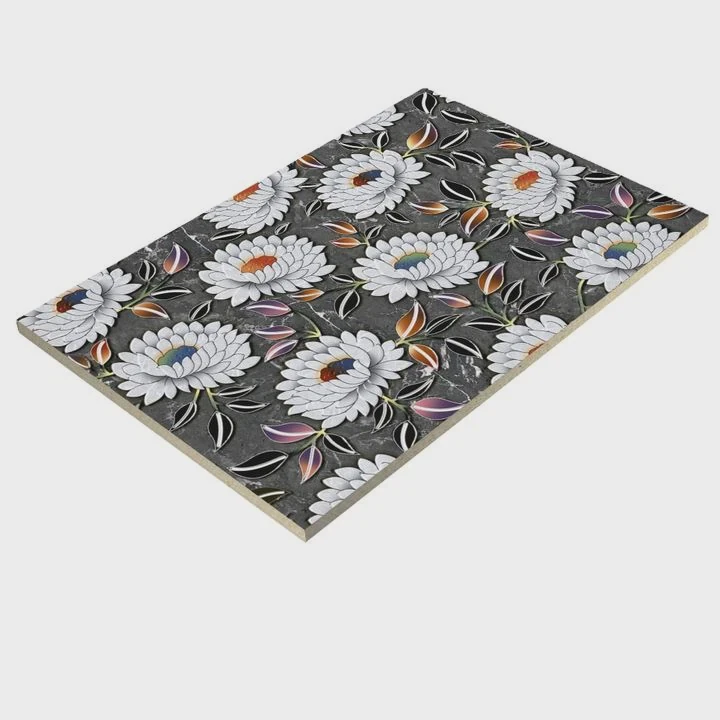
While professionals have experience, the process can be manageable for DIY enthusiasts.
Tips for Beginners
- Start with a small wall area.
- Follow manufacturer adhesive instructions carefully.
- Use guides and spacers to maintain alignment.
- Take breaks to check tile placement and level.
- Use a tile cutter for precise edge cuts.
- Keep cleaning tools nearby for immediate cleanup.
Step-by-Step Beginner Approach
Step 1: Prepare Wall
- Clean, level, and repair surface
- Apply primer if needed
- Measure and mark reference lines
Step 2: Mix and Apply Adhesive
- Mix thin-set mortar to correct consistency
- Apply adhesive in small sections
- Use correct trowel size for tile type
Step 3: Place Tiles
- Start from center or bottom line
- Use spacers for uniform gaps
- Press tiles firmly into adhesive
Step 4: Level and Align
- Use a spirit level frequently
- Adjust tiles before adhesive sets
- For large tiles, use leveling clips
Step 5: Allow Adhesive to Cure
- Follow manufacturer curing times
- Avoid disturbing tiles
Step 6: Grouting
- Remove spacers
- Apply grout evenly
- Wipe excess with damp sponge
- Allow grout to cure
Practical Advice
- Work in sections to maintain control
- Avoid rushing the adhesive application
- Use quality tools for cutting and leveling
- Take frequent breaks to check alignment
Summary Table
| Step | Beginner Tip |
|---|---|
| Preparation | Inspect wall, clean, repair, and prime |
| Adhesive | Mix properly, apply in sections, use correct trowel |
| Tile Placement | Start from reference line, use spacers, check level |
| Curing | Follow recommended curing times |
| Grouting | Remove spacers first, apply grout evenly, clean immediately |
With careful preparation, proper tools, and attention to detail, even beginners can achieve durable and attractive wall tile installations. Success comes from following a methodical process, checking alignment frequently, and being patient during adhesive curing.
Conclusion
Installing ceramic wall tiles is achievable with the right surface preparation, adhesive application, spacing tools, and patience. By following these steps, even beginners can achieve a professional-looking, long-lasting tile wall that enhances any space.