Is Luxury Vinyl Tile Waterproof?
- Sinotiles
- 2026-06-08
Many property owners worry about water damage when choosing flooring. A beautiful floor can quickly become a costly problem if it cannot handle spills, humidity, or daily moisture exposure.
Most luxury vinyl tile (LVT) products are waterproof because they are made from synthetic materials that do not absorb water. However, waterproof performance can vary depending on the product structure, installation quality, and manufacturer specifications.
Water resistance is one of the biggest reasons why homeowners, contractors, and commercial buyers choose LVT. Still, understanding how waterproof flooring works helps prevent costly mistakes and ensures the right product is selected for each space.
What makes luxury vinyl tile resistant to water?
Many flooring materials look durable but can swell, warp, or stain when exposed to moisture. Buyers often want to know why luxury vinyl tile performs differently.
Luxury vinyl tile resists water because it is manufactured from PVC-based materials that do not absorb moisture. Its layered construction creates a barrier that prevents water from damaging the flooring itself.
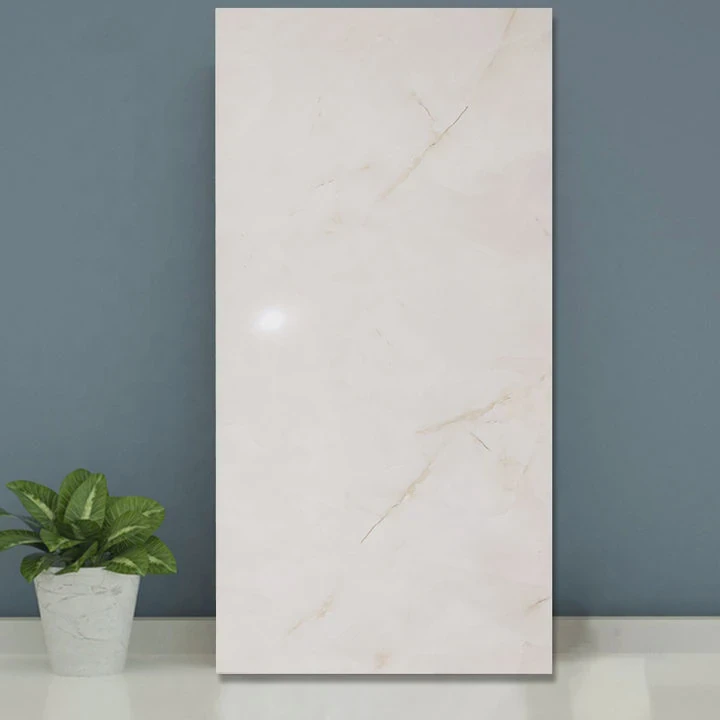
Luxury vinyl tile has become popular because of its unique structure. Unlike natural wood or laminate flooring, LVT is primarily made from synthetic materials.
Typical LVT Structure
| Layer | Function |
|---|---|
| Wear Layer | Protects against scratches and stains |
| Design Layer | Creates the visual appearance |
| Vinyl Core | Provides waterproof performance |
| Backing Layer | Improves stability and comfort |
Each layer contributes to overall durability. The waterproof feature mainly comes from the vinyl core, which does not absorb water.
Why Vinyl Does Not Absorb Water
Wood products contain natural fibers. These fibers absorb moisture and expand when wet. Ceramic tiles resist water well, but grout joints may still require maintenance.
Vinyl behaves differently.
Because PVC is a synthetic material, water cannot penetrate the material itself. This means the flooring remains stable even when exposed to:
- Spilled drinks
- Pet accidents
- Bathroom humidity
- Kitchen moisture
- Routine cleaning
The Importance of Joint Design
Waterproof flooring is not only about the material.
The locking system and installation method also matter.
Manufacturers often design click-lock edges that create tight connections between planks or tiles. These connections help reduce the chance of water reaching the subfloor.
Waterproof vs Water-Resistant
Many buyers confuse these two terms.
Waterproof Flooring
- Can handle standing water
- Does not swell when exposed to moisture
- Maintains its shape over time
Water-Resistant Flooring
- Handles small spills
- May be damaged by prolonged exposure
- Often requires faster cleanup
This distinction becomes important when comparing flooring options. Most modern LVT products are marketed as waterproof rather than merely water-resistant.
How does LVT perform in wet environments?
Bathrooms, kitchens, and commercial spaces often experience constant moisture. Buyers need flooring that can withstand these conditions without losing its appearance.
Luxury vinyl tile performs very well in wet environments because it resists water absorption, mold growth, and dimensional changes caused by moisture exposure.
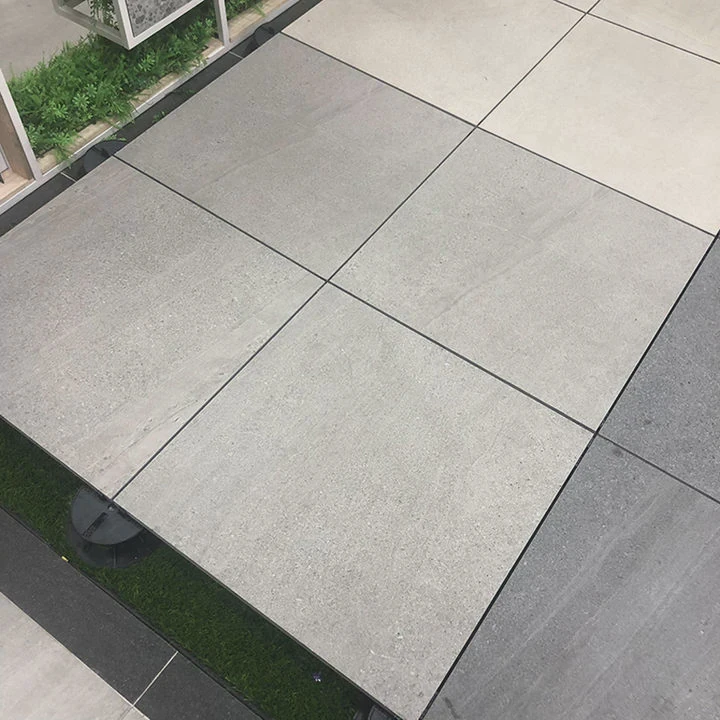
One of the strongest advantages of LVT is its ability to maintain performance in challenging environments.
Bathroom Applications
Bathrooms create several moisture challenges:
- Water splashes
- Steam
- Humidity
- Cleaning chemicals
Many flooring materials struggle under these conditions.
LVT remains stable because water cannot penetrate its vinyl structure.
Kitchen Performance
Kitchens are another common area for water-related accidents.
Common risks include:
- Sink leaks
- Refrigerator condensation
- Beverage spills
- Frequent mopping
Luxury vinyl tile handles these situations well when installed correctly.
Commercial Environments
Commercial properties often face even greater moisture exposure.
Examples include:
| Commercial Area | Moisture Exposure Level |
|---|---|
| Restaurant Dining Areas | Moderate |
| Hotel Guest Rooms | Moderate |
| Retail Stores | Low to Moderate |
| Medical Offices | Moderate |
| Break Rooms | High |
Property managers often choose LVT because it combines durability with easier maintenance.
Comfort in Wet Areas
Another advantage is comfort underfoot.
Compared with ceramic tile, LVT typically feels:
- Warmer
- Softer
- More comfortable for standing
This can be important in kitchens, offices, and hospitality spaces where people spend long periods walking or standing.
Maintenance Benefits
Moisture-resistant flooring also simplifies cleaning.
Most LVT products require:
- Sweeping
- Vacuuming
- Damp mopping
No special sealing is usually necessary.
This reduces maintenance costs and makes the flooring attractive for both residential and commercial applications.
Are all luxury vinyl tiles fully waterproof?
Many buyers assume every luxury vinyl tile product offers the same waterproof performance. This assumption can lead to incorrect purchasing decisions.
Not all luxury vinyl tiles provide identical waterproof protection. While many modern products are fully waterproof, buyers should always verify manufacturer specifications before purchasing.
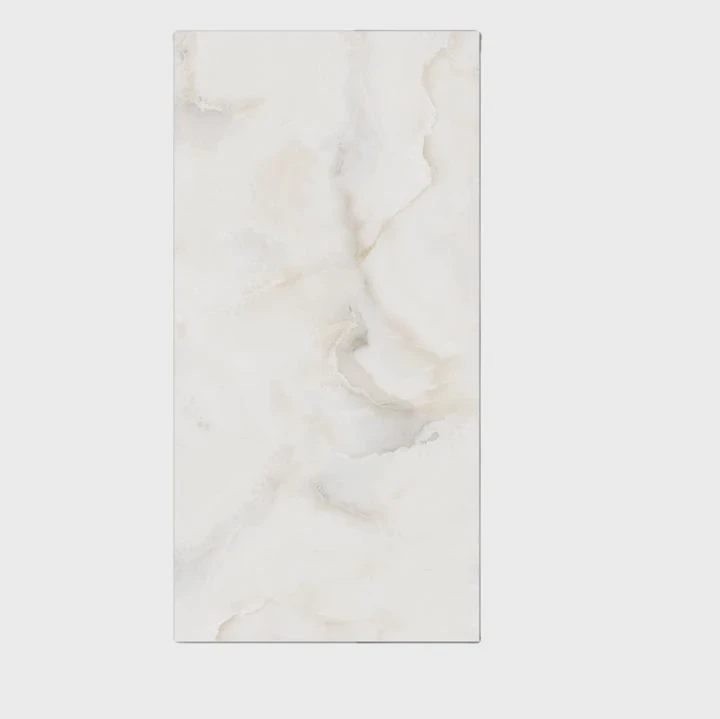
The term “luxury vinyl tile” covers a wide range of products.
Different manufacturers use different constructions and technologies.
Common Types of LVT
Flexible LVT
Traditional flexible vinyl tile offers:
- Good moisture resistance
- Lower cost
- Easier cutting and installation
However, product quality varies significantly between manufacturers.
SPC Flooring
SPC stands for Stone Plastic Composite.
Characteristics include:
- Waterproof core
- Excellent dimensional stability
- High impact resistance
- Strong commercial performance
SPC has become one of the fastest-growing flooring categories.
WPC Flooring
WPC stands for Wood Plastic Composite.
Benefits include:
- Waterproof construction
- Improved comfort
- Better sound absorption
- Softer walking surface
Factors That Affect Waterproof Performance
Not all waterproof claims mean the same thing.
Several factors influence actual performance.
Core Construction
A stronger core often provides:
- Better stability
- Improved moisture resistance
- Longer service life
Installation Quality
Even the best flooring can fail if installed improperly.
Common installation mistakes include:
- Uneven subfloors
- Gaps between tiles
- Improper edge sealing
- Poor expansion spacing
Water Penetration at Seams
The tile itself may be waterproof, but water can still reach the subfloor through poorly sealed joints.
This is especially important in:
- Bathrooms
- Laundry rooms
- Commercial kitchens
Questions Buyers Should Ask
Before purchasing LVT, buyers should verify:
| Question | Why It Matters |
|---|---|
| Is the core waterproof? | Determines moisture protection |
| Is the product SPC or WPC? | Affects performance |
| What warranty is offered? | Indicates manufacturer confidence |
| Is it suitable for wet areas? | Confirms intended use |
| What installation method is required? | Impacts waterproof results |
Careful evaluation helps avoid confusion and ensures the selected flooring matches the project’s requirements.
Where is LVT best used in homes or offices?
Many flooring products work well in one room but perform poorly in another. Buyers often want to know where luxury vinyl tile delivers the best value.
LVT is best used in kitchens, bathrooms, living rooms, offices, retail spaces, hotels, and many commercial environments where durability, moisture resistance, and easy maintenance are important.
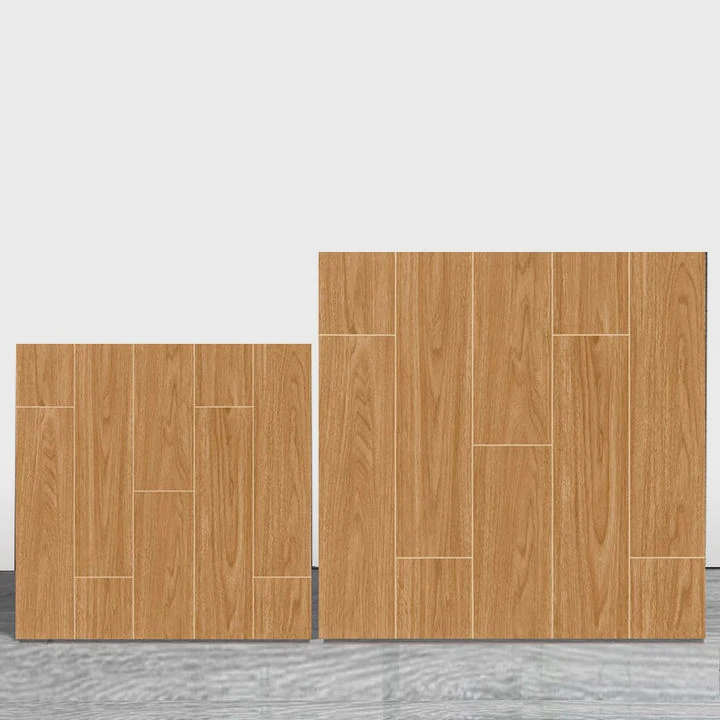
One reason for LVT’s popularity is its versatility.
It can be installed across a wide range of residential and commercial settings.
Best Residential Applications
Kitchens
LVT performs well because it resists:
- Spills
- Food stains
- Heavy foot traffic
Bathrooms
Its waterproof properties make it suitable for:
- Family bathrooms
- Guest bathrooms
- Powder rooms
Living Areas
Many homeowners choose LVT because modern designs closely resemble:
- Natural wood
- Stone
- Concrete
- Marble
Basements
Basements often experience higher humidity levels.
LVT handles these conditions better than many wood-based flooring options.
Best Commercial Applications
Commercial buyers frequently choose LVT for its balance of durability and appearance.
Office Spaces
Advantages include:
- Professional appearance
- Easy maintenance
- Reduced noise
Hotels
Hotels benefit from:
- Fast installation
- Moisture resistance
- Wide design selection
Retail Stores
Retail environments need flooring that withstands heavy foot traffic while maintaining an attractive appearance.
LVT often meets both requirements.
When Other Materials May Be Better
Although LVT offers many advantages, it is not always the ideal solution.
For example:
- Luxury natural stone may provide a more premium appearance.
- Porcelain tile may offer superior heat resistance.
- Certain industrial facilities may require specialized flooring systems.
Comparing LVT with Other Flooring Options
| Flooring Type | Waterproof | Comfort | Maintenance |
|---|---|---|---|
| LVT | Excellent | High | Easy |
| Hardwood | Poor | High | Moderate |
| Laminate | Moderate | Moderate | Moderate |
| Porcelain Tile | Excellent | Lower | Easy |
| Carpet | Poor | High | Difficult |
For many residential and commercial projects, LVT provides an attractive combination of performance, aesthetics, and affordability.
Conclusion
Luxury vinyl tile is widely considered waterproof because its PVC-based construction resists moisture and prevents swelling. It performs exceptionally well in kitchens, bathrooms, offices, hotels, and many commercial environments. While most modern LVT products offer excellent waterproof protection, buyers should always verify product specifications and ensure proper installation to achieve the best long-term results.