How to Install Tile on Shower Floor?
- Sinotiles
- 2026-05-08
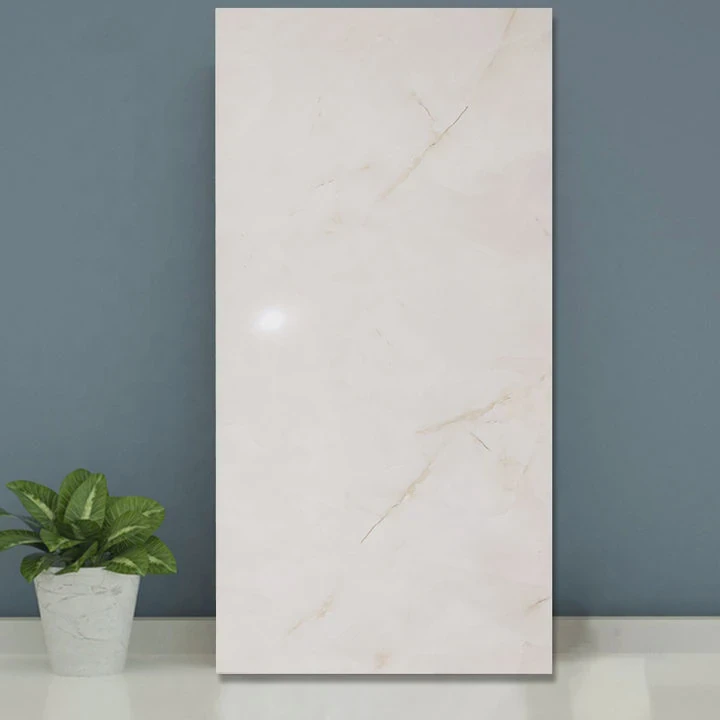
A poorly installed shower floor can lead to leaks, mold, and cracked tiles. Many people focus on tile design but ignore the base work that keeps the shower safe and durable.
To install tile on a shower floor, the surface must be prepared correctly, the slope must guide water to the drain, waterproofing must be complete, and grout and sealant must be applied at the right time. Every step affects the final result.
Many buyers and contractors ask why some shower floors last for decades while others fail within a few years. In most cases, the issue is not the tile itself. The real problem comes from poor installation methods. A shower floor faces water every day. Because of this, even small mistakes can cause expensive repairs later. Proper preparation and waterproofing help prevent these problems and improve the long-term performance of the tiled shower floor.
What Preparation Is Needed for Shower Floor Tiling?
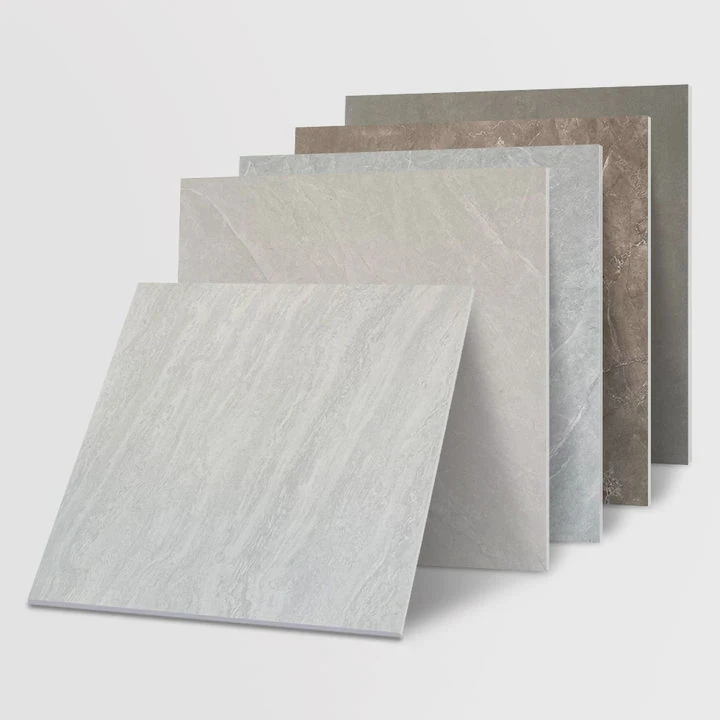
Many shower floor problems begin before the first tile is installed. Uneven surfaces, weak bases, and poor planning often lead to cracks, loose tiles, and water leaks.
Proper preparation for shower floor tiling includes cleaning the subfloor, checking structural stability, installing a shower pan or mortar bed, and making sure the surface is level before creating the slope.
A strong shower floor always starts with a strong base. In many export projects, contractors focus heavily on tile appearance. Yet the hidden structure under the tile matters much more. A beautiful tile cannot hide poor preparation for long.
Check the Subfloor Condition
The first step is checking the subfloor. The surface must be solid and stable. Any movement under the tiles can cause cracking later. Wood subfloors must be dry and free from rot. Concrete subfloors must not contain major cracks or moisture issues.
Dust, oil, paint, or debris should be removed completely. A dirty surface reduces bonding strength between the mortar and the base.
Install the Correct Shower Base
There are two common shower floor systems:
| Shower Base Type | Main Feature | Common Use |
|---|---|---|
| Prefabricated Shower Pan | Ready-made waterproof base | Fast residential projects |
| Mortar Bed System | Custom-built sloped base | Hotels and custom bathrooms |
Many commercial projects prefer mortar bed systems because they allow more flexibility in drain placement and tile design.
Choose the Right Tile Size
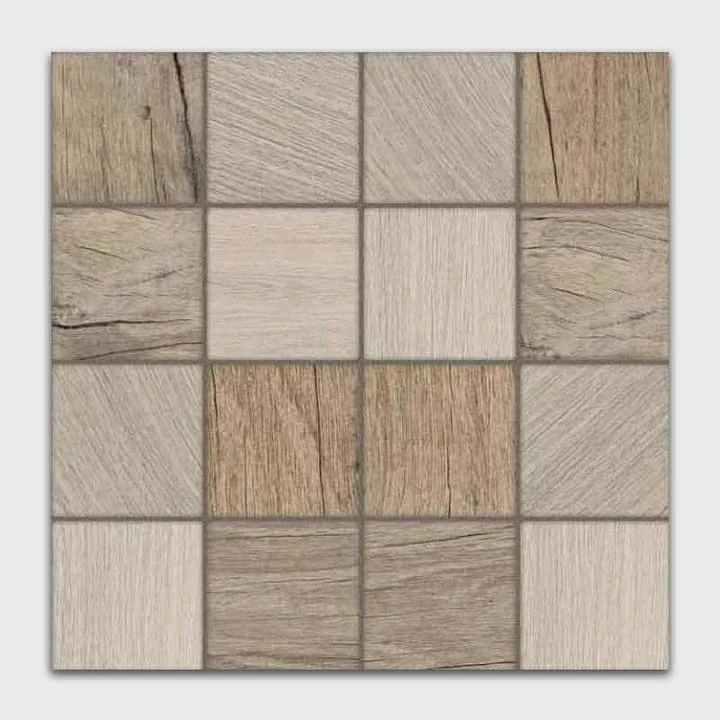
Small-format tiles are usually better for shower floors because they follow the slope more easily. Mosaic tiles are very common because they improve grip and drainage.
Important Surface Requirements
Before tiling starts, the installer should confirm:
- The drain position is correct
- The subfloor is stable
- The shower curb is secure
- Expansion joints are planned
- Waterproofing materials are ready
Why Preparation Matters So Much
Many shower failures happen because water slowly enters hidden gaps. Once moisture reaches the structure below, mold and damage can spread quickly. In some overseas projects, clients tried reducing installation costs by skipping preparation steps. Later, they faced expensive repairs and complete floor replacement.
Preparation also affects tile appearance. Uneven bases create lippage, where tile edges do not align properly. This becomes very visible under bathroom lighting.
Common Preparation Mistakes
Skipping Surface Level Checks
Some installers assume the floor is flat enough. Small uneven areas later become drainage problems.
Using the Wrong Mortar
Regular adhesive may fail in wet areas. Shower floors require water-resistant materials designed for constant moisture exposure.
Ignoring Drain Height
Improper drain height creates standing water around the drain opening.
Good preparation takes time, but it prevents future complaints, repairs, and customer dissatisfaction.
How Do You Create Proper Slope for Drainage?
Without proper slope, water stays on the shower floor instead of flowing into the drain. Standing water causes mold, slippery surfaces, and long-term waterproofing damage.
A proper shower floor slope should direct water evenly toward the drain, usually at a ratio of about 1⁄4 inch per foot, using a mortar bed or pre-sloped shower system.

Drainage is one of the most important parts of shower floor installation. Even premium tiles cannot perform well if water does not flow correctly.
Why Shower Slope Is Necessary
Water naturally follows gravity. If the floor remains flat, water pools in corners or near walls. Over time, this can damage grout lines and create bad odors.
A correct slope keeps the surface cleaner and safer.
Standard Shower Floor Slope
The common industry recommendation is:
| Distance | Required Slope |
|---|---|
| 1 foot | 1⁄4 inch drop |
| 2 feet | 1⁄2 inch drop |
| 3 feet | 3⁄4 inch drop |
This slope is enough to move water without making the floor uncomfortable to stand on.
Methods for Creating Slope
Mortar Bed Method
This traditional method uses dry-pack mortar to form the slope manually.
Steps usually include:
- Install the drain assembly
- Mark perimeter height
- Apply mortar evenly
- Shape slope toward drain
- Allow curing time
This method works well for custom shower sizes.
Pre-Sloped Foam Tray
Modern projects sometimes use foam shower trays with built-in slope. These systems reduce labor time and improve consistency.
Still, foam trays must match the shower dimensions exactly.
Drain Placement Matters
Center drains create even slopes from all sides. Linear drains allow single-direction slopes and support larger tile formats.
Common Slope Problems
Too Little Slope
Water drains slowly and leaves puddles.
Too Much Slope
The floor feels uncomfortable and slippery.
Uneven Slope
Water collects in low spots instead of reaching the drain.
Tile Selection and Drainage
Mosaic tiles often perform better on sloped shower floors because they adapt to curves more naturally. Large-format tiles may require more cutting and adjustment.
Real Project Experience
In some hotel renovation projects, installers tried using large polished tiles on steep shower floors. Water drainage improved, but slip resistance became a problem. After several complaints, the contractor replaced the tiles with textured mosaic tiles.
This shows that drainage and safety must work together.
Testing the Drainage
Before final tile installation, many professional installers test the slope with water. This simple step helps identify low spots early.
Good drainage improves hygiene, reduces maintenance, and extends the lifespan of the entire shower system.
Which Waterproofing Methods Are Required?
Many shower leaks happen behind the tile surface where problems are difficult to see. Water damage inside walls and floors can continue for months before anyone notices.
Shower floor waterproofing requires a continuous moisture barrier using waterproof membranes, liquid coatings, or sheet systems to stop water from reaching the structure below the tile.
Some people believe tiles themselves are waterproof. In reality, grout lines and small gaps still allow moisture penetration. Waterproofing protects the hidden structure underneath.
Main Waterproofing Systems
There are several common waterproofing methods used in shower floor installation.
| Waterproofing Type | Main Benefit | Typical Use |
|---|---|---|
| Liquid Waterproof Membrane | Easy application | Residential bathrooms |
| Sheet Membrane System | Consistent thickness | High-end projects |
| PVC Shower Liner | Traditional method | Mortar bed systems |
Liquid Waterproofing
Liquid membranes are rolled or brushed onto the surface. Once dry, they form a waterproof layer.
Advantages include:
- Flexible application
- Easy corner coverage
- Good for irregular layouts
Still, thickness must remain consistent. Thin areas may fail later.
Sheet Membrane Waterproofing
Sheet membranes provide factory-controlled thickness and reliable waterproofing consistency.
These systems usually include:
- Waterproof sheets
- Corner sealing pieces
- Joint tapes
- Drain connection systems
Many commercial contractors prefer sheet membranes because quality control is easier.
Waterproofing Critical Areas
The most vulnerable areas include:
Drain Connection
The drain area must seal tightly with the waterproof membrane.
Corners and Edges
Movement often occurs at wall-to-floor joints.
Shower Curb
Water exposure is constant near the entrance curb.
Waterproofing Process
A typical waterproofing sequence may include:
- Prepare substrate
- Install slope base
- Apply waterproof membrane
- Seal corners and joints
- Perform flood test
- Install tiles
Why Flood Testing Matters
Flood testing checks whether the waterproof layer leaks before tiling begins. Water remains in the shower base for about 24 hours.
This step can prevent expensive future repairs.
Common Waterproofing Mistakes
Incomplete Coverage
Missing small sections creates weak points for water entry.
Poor Drain Sealing
Improper drain installation is one of the most common causes of leaks.
Rushing Drying Time
Liquid membranes require proper curing before tile installation.
Waterproofing and Export Projects
In many international construction projects, waterproofing standards differ by region. Some countries require multiple waterproof layers in hotels and commercial buildings.
Clients often ask for long-lasting systems that reduce future maintenance costs. Because of this, waterproofing quality directly affects customer satisfaction and project reputation.
A reliable waterproofing system protects not only the tile installation but also the entire building structure.
When Should Grout and Sealant Be Applied?
Applying grout or sealant too early can trap moisture and weaken the installation. Poor timing also causes discoloration, cracking, and bond failure.
Grout should be applied after tile adhesive fully cures, while sealant should be added after grout curing to protect joints, corners, and movement areas from moisture penetration.
The final installation steps are just as important as preparation and waterproofing. Good finishing protects the shower floor and improves appearance.
When to Apply Grout
Most tile adhesives require at least 24 hours of curing before grouting begins. Some large-format or moisture-sensitive tiles may require longer drying times.
Grout fills the spaces between tiles and helps stabilize the installation.
Types of Grout
| Grout Type | Main Feature | Best Use |
|---|---|---|
| Cement-Based Grout | Cost-effective | Standard residential use |
| Epoxy Grout | High stain resistance | Commercial showers |
| Sanded Grout | Wider joints | Large grout lines |
| Unsanded Grout | Smooth finish | Narrow joints |
Why Epoxy Grout Is Popular
Many commercial buyers now prefer epoxy grout because it resists stains, chemicals, and moisture better than traditional cement grout.
Hotels, gyms, and spa projects often use epoxy grout for easier maintenance.
Proper Grouting Steps
Clean Tile Joints
Dust and debris should be removed before grouting.
Apply Grout Evenly
The installer presses grout deeply into the joints using a rubber float.
Remove Excess Grout
Tiles must be cleaned before grout haze hardens.
When to Apply Sealant
Sealant is different from grout. Flexible sealants handle movement and prevent cracking in corners and expansion joints.
Sealant is commonly applied:
- At wall-to-floor joints
- Around drains
- In movement joints
- Along shower corners
Silicone Sealant vs Grout
Many beginners mistakenly use grout in corners. Corners experience movement, so flexible silicone sealant performs better.
Common Finishing Problems
Grouting Too Early
Moisture trapped below the tile weakens bonding.
Poor Cleaning
Leftover grout haze damages tile appearance.
Skipping Sealant
Cracks later appear at corner joints.
Long-Term Maintenance
Even high-quality grout and sealant require maintenance over time. Regular cleaning and periodic inspection help extend shower floor life.
In several renovation projects, installers found that small sealant failures allowed hidden moisture damage for years. Replacing sealant early would have avoided major repairs.
Good finishing work improves durability, appearance, and long-term customer satisfaction.
Conclusion
Installing tile on a shower floor requires careful preparation, correct slope creation, reliable waterproofing, and proper finishing. Each step works together to prevent leaks, improve drainage, and create a durable shower system that lasts for many years.