How to Redo Bathroom Tile?
- Sinotiles
- 2026-05-08
Many bathrooms look old after a few years. Cracked tiles, dirty grout, and water stains can make the whole space feel cheap and hard to clean.
Redoing bathroom tile involves removing old tiles, preparing the surface, installing new tiles with adhesive, applying grout, and sealing the joints for long-term protection and durability.
A bathroom tile project may look difficult at first. Still, the process becomes much easier when each step is handled in the right order. Good preparation, the right materials, and careful installation can completely change the look and value of a bathroom.
What Steps Are Involved in Retiling a Bathroom?
Bathroom tile work often fails because people rush the process. Uneven surfaces, poor waterproofing, and bad tile spacing can create problems very quickly.
The main steps in retiling a bathroom include planning the layout, removing old tiles, repairing the wall or floor surface, installing new tiles, grouting, and sealing the finished area.
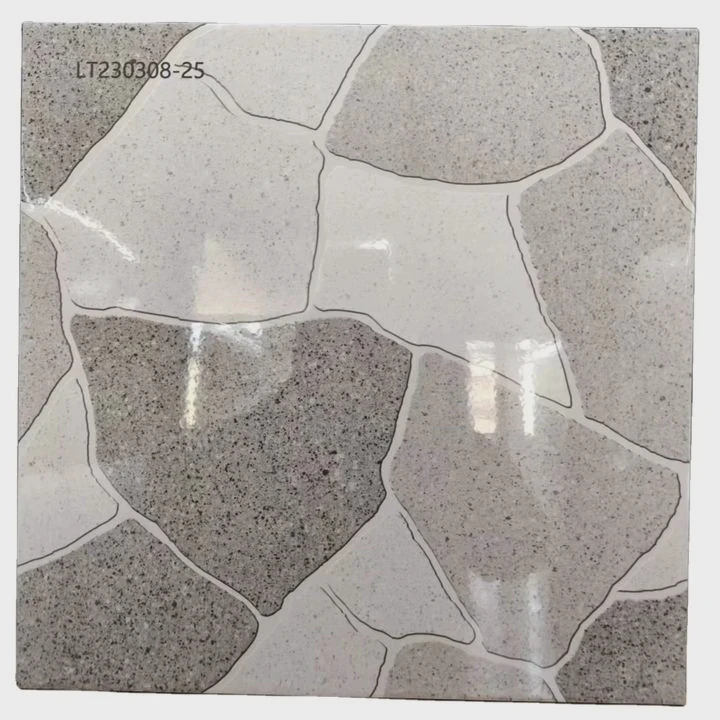
Many customers who import tiles for renovation projects often ask about the full workflow before they place orders. A clear process helps avoid delays, waste, and expensive repairs later.
Step 1: Plan the Tile Layout
The first step is measuring the bathroom carefully. Every wall and floor section should be checked before buying tiles. This stage helps reduce waste and keeps the tile pattern balanced.
Many contractors prefer starting from the center of the wall or floor. This method keeps cut tiles equal on both sides. It also creates a cleaner visual effect.
Step 2: Prepare the Bathroom
Before tile removal starts, all bathroom fixtures should be protected. Mirrors, toilets, sinks, and bathtubs may need temporary covers.
Electricity and water should also be turned off if work is near pipes or wiring.
Step 3: Remove Old Tiles
Old tiles must come off completely. Loose adhesive, broken mortar, and damaged waterproof layers should also be removed.
This step takes time. Still, it affects the final quality more than many people expect.
Step 4: Repair the Surface
After demolition, the wall or floor usually needs repair. Cracks, holes, and uneven sections must be fixed before new tiles are installed.
Waterproof coating is also important in wet zones like showers.
Step 5: Install New Tiles
Tile adhesive is spread evenly with a notched trowel. Spacers help maintain equal grout lines.
Most installers work in small sections. This keeps the adhesive fresh and prevents alignment problems.
Step 6: Apply Grout and Sealant
After the adhesive dries, grout fills the joints between tiles. Sealant protects corners and expansion joints from water damage.
Common Bathroom Tile Installation Timeline
| Project Stage | Typical Time |
|---|---|
| Tile Removal | 1–2 Days |
| Surface Repair | 1 Day |
| Waterproofing | 1 Day |
| Tile Installation | 2–3 Days |
| Grouting | 1 Day |
| Final Drying | 24–48 Hours |
Why Surface Preparation Matters
Many tile failures come from poor surface preparation instead of bad tile quality. A weak base can cause:
- Hollow tiles
- Cracked grout
- Water leakage
- Tile lifting
- Mold growth
In commercial projects, experienced contractors often spend almost as much time preparing the surface as installing the tiles themselves.
A few years ago, one project partner shared photos from a hotel renovation where tiles started falling after six months. The tiles were good quality. The real problem was moisture trapped behind the wall because waterproofing was skipped to save time.
That experience showed how important the hidden steps are during bathroom renovation.
How Do You Remove Old Tiles Safely?
Old bathroom tiles can break into sharp pieces very quickly. Dust, falling debris, and hidden pipes can also create safety risks during removal.
Safe tile removal requires protective equipment, the right demolition tools, careful tile breaking, and proper inspection of the wall or floor underneath.
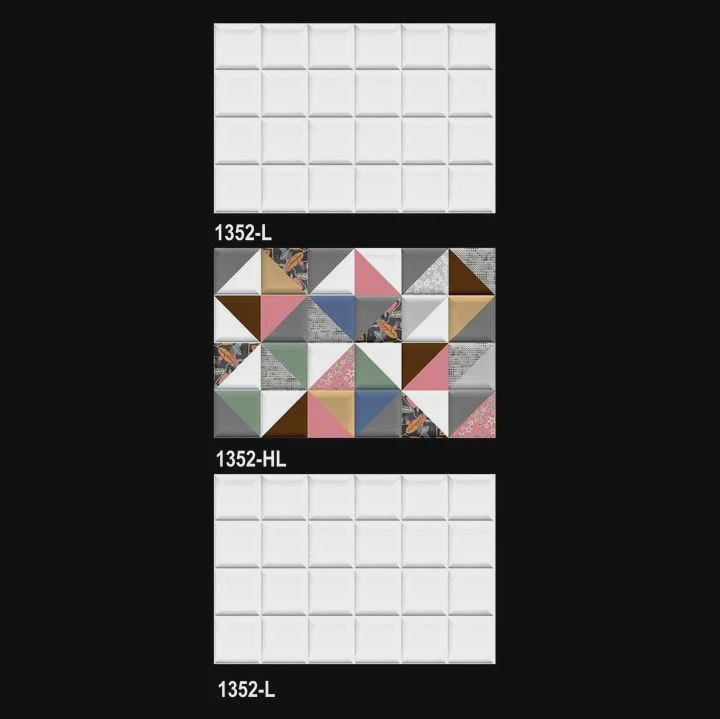
Many renovation projects become expensive because people damage plumbing or wall structures while removing tiles too aggressively.
Essential Safety Equipment
Before demolition starts, safety gear should always be prepared.
Basic Protection Checklist
| Safety Item | Purpose |
|---|---|
| Safety Glasses | Protect eyes from flying debris |
| Gloves | Prevent cuts from broken tiles |
| Dust Mask | Reduce dust inhalation |
| Knee Pads | Protect knees during floor work |
| Ear Protection | Reduce noise from power tools |
Start from Loose Areas
Professional installers usually begin with damaged or loose tiles. These areas break more easily and help expose the adhesive layer underneath.
A hammer and chisel are common tools for manual removal. For larger projects, electric demolition tools can speed up the process.
Protect Pipes and Wiring
Bathrooms contain hidden plumbing and electrical systems behind walls. Cutting too deeply can create serious damage.
Before removing wall tiles:
- Locate water pipes
- Identify electrical lines
- Shut off water supply
- Turn off electricity in the work zone
This step becomes even more important in older buildings where pipe layouts may not match original drawings.
Remove Adhesive Carefully
After tile removal, old mortar or adhesive usually remains on the surface.
This layer should be scraped smooth before new installation begins. Uneven adhesive can create poor tile bonding later.
Dust Control Is Important
Tile demolition creates a large amount of dust. Fine particles can spread through the entire house if not controlled properly.
Many contractors use plastic sheets to isolate the bathroom during demolition.
Vacuum systems and wet cutting methods also help reduce airborne dust.
Common Tile Removal Mistakes
Using Too Much Force
Heavy impacts may damage cement boards or crack walls behind the tiles.
Skipping Surface Inspection
Some walls may contain water damage or mold hidden behind the old tiles.
Ignoring Waterproof Layers
Bathrooms need strong waterproof protection. Damaging the membrane without replacement can lead to leaks later.
Best Areas to Remove Tiles First
- Around damaged sections
- Near loose grout lines
- Edge corners
- Existing cracks
Careful removal reduces repair costs and keeps the renovation cleaner and faster.
Which Materials Are Needed for New Installation?
Many bathroom tile problems happen because low-quality materials are used behind the tiles. Good tiles alone cannot guarantee a durable installation.
A proper bathroom tile installation requires tiles, adhesive, grout, waterproof materials, spacers, sealants, and professional installation tools.
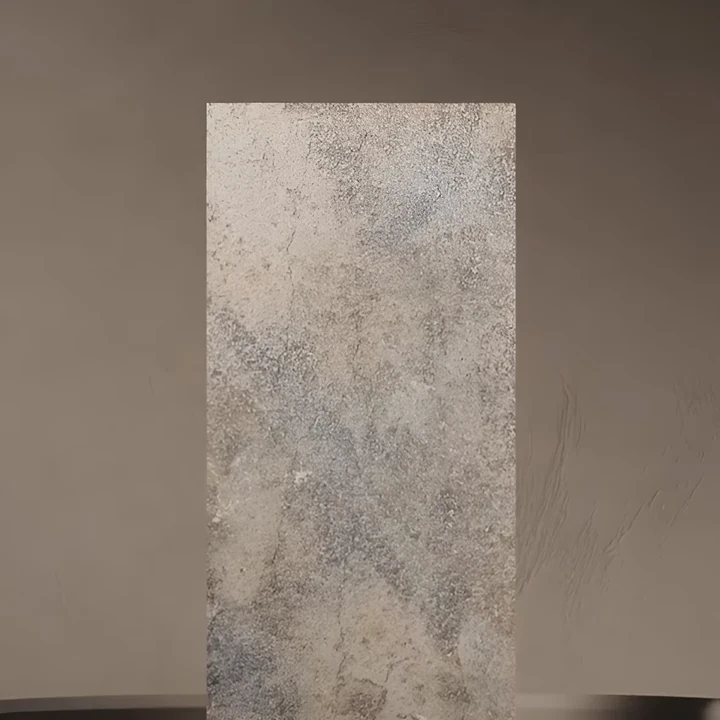
Material selection affects not only appearance but also long-term maintenance and durability. Different bathrooms may require different tile types depending on moisture levels and traffic.
Main Tile Types for Bathrooms
Different ceramic products work better in different spaces.
Common Bathroom Tile Options
| Tile Type | Main Features | Best Use |
|---|---|---|
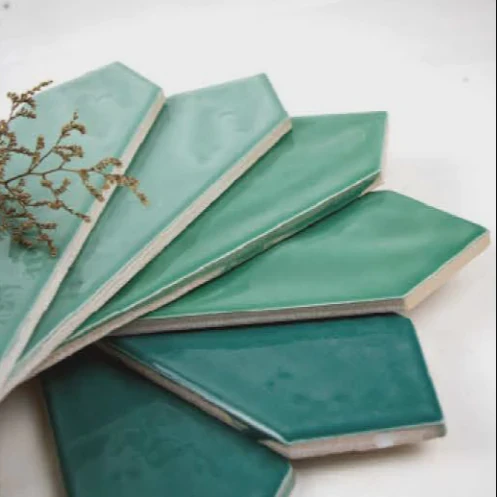
| Glazed Porcelain Tile | Water-resistant and durable | Floors and walls |
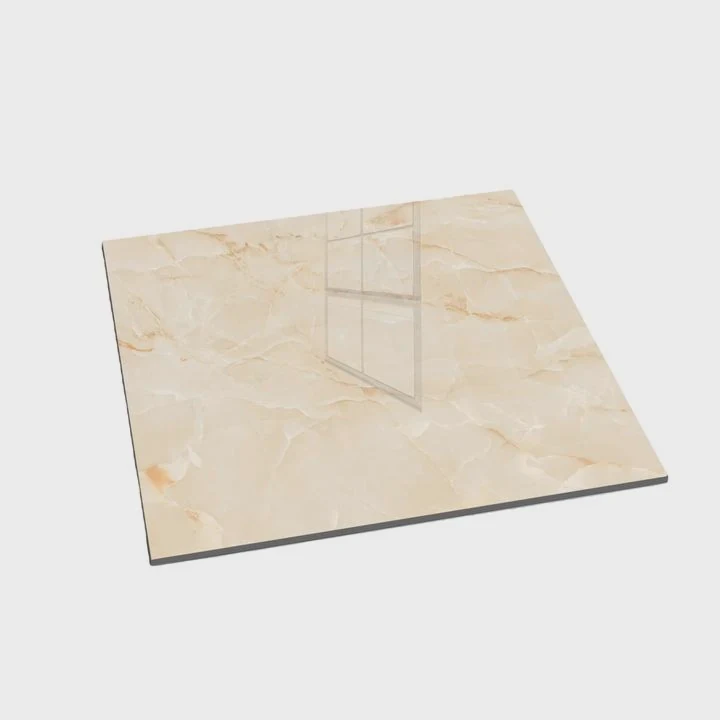
| Polished Tile | Smooth and reflective | Dry bathroom walls |
| Rustic Tile | Textured surface | Anti-slip flooring |
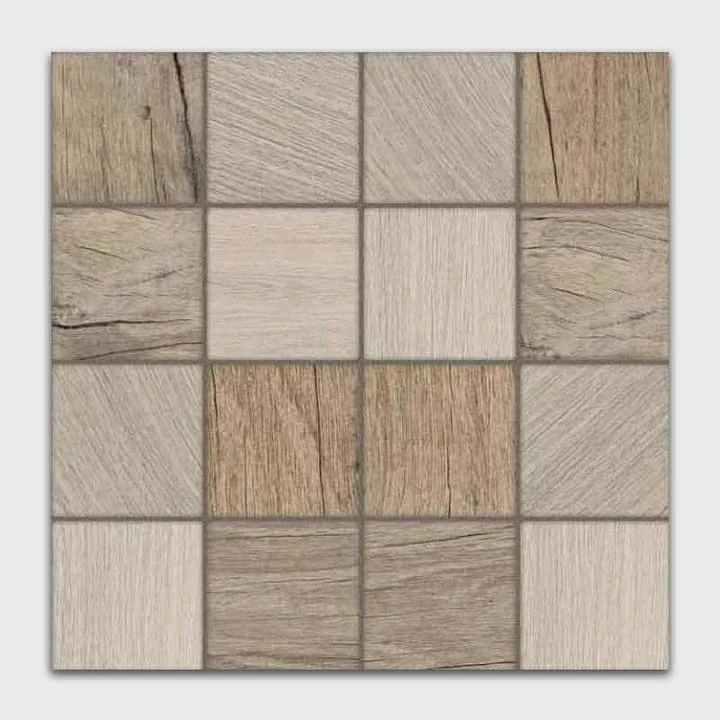
| Mosaic Tile | Decorative and flexible | Shower areas |
| Large Format Tile | Fewer grout lines | Modern bathrooms |
Large-format tiles have become more popular in hotel and apartment projects because they create a cleaner look with fewer grout joints.
Tile Adhesive Matters
Many people focus only on tile design and forget about adhesive quality.
Bathrooms require water-resistant tile adhesive with strong bonding performance.
The adhesive should match:
- Tile size
- Surface material
- Moisture level
- Installation area
Large porcelain tiles often need stronger adhesive compared to smaller ceramic wall tiles.
Waterproofing Materials
Bathrooms constantly face water exposure. Waterproof membranes help protect walls and floors beneath the tiles.
Common waterproofing materials include:
- Liquid waterproof coatings
- Waterproof sheets
- Cement-based waterproof systems
Shower areas need extra attention because they receive direct water exposure every day.
Grout Selection
Grout fills gaps between tiles and helps block moisture.
There are two main types:
Cement Grout
- Lower cost
- Easy to apply
- Suitable for many residential bathrooms
Epoxy Grout
- Higher stain resistance
- Better water protection
- Stronger durability
- Often used in hotels and commercial projects
Important Installation Tools
Professional tile installation also depends on proper tools.
Essential tools include:
- Tile cutter
- Notched trowel
- Rubber float
- Tile spacers
- Spirit level
- Mixing bucket
Without accurate tools, even high-quality tiles may look uneven after installation.
Why Material Quality Changes Results
Some importers focus only on price during tile purchasing. Still, low-cost materials can create expensive problems later.
Weak adhesive may lead to loose tiles.
Poor grout may crack or discolor quickly.
Low-quality waterproofing can cause leaks behind walls.
Long-term projects usually save more money by choosing stable materials from experienced suppliers.
Many overseas contractors now prefer working with manufacturers that provide complete tile system support instead of tiles alone. This helps ensure compatibility between adhesives, grout, and tile surfaces.
When Should Grout and Sealant Be Applied?
Many bathroom tile installations look perfect at first. Still, grout cracks and water leaks often appear later because the finishing steps were rushed.
Grout should be applied after tile adhesive fully cures, while sealant should be added last to protect corners, edges, and movement joints from moisture and cracking.
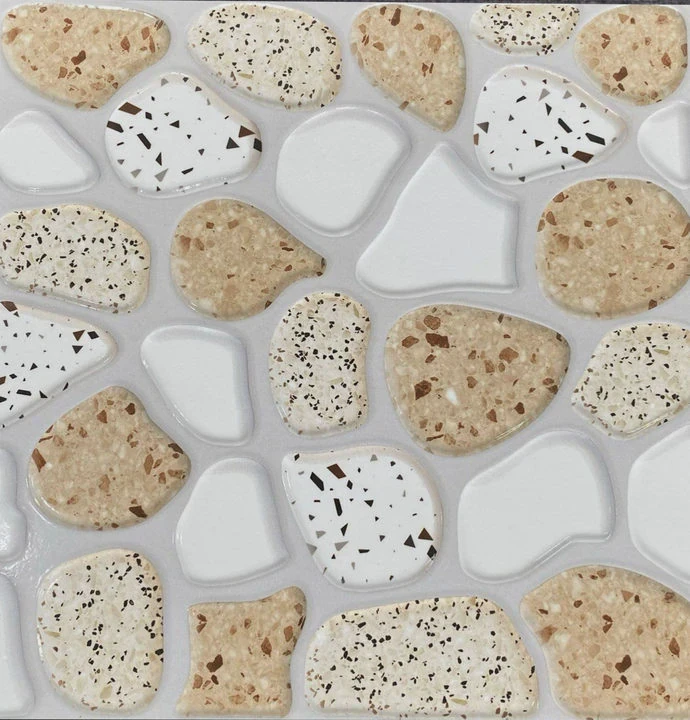
The timing of grout and sealant application is very important. Applying them too early may trap moisture and weaken the installation.
When to Apply Grout
Most installers wait at least 24 hours after tile installation before grouting.
Large-format tiles or humid environments may require longer drying time.
The grout is spread diagonally across the tile joints using a rubber float. Excess grout is cleaned with a damp sponge before it hardens fully.
Why Drying Time Matters
If adhesive underneath the tiles is still wet:
- Tiles may shift
- Grout may crack
- Moisture may become trapped
- Bond strength may weaken
Manufacturers usually provide drying recommendations based on temperature and humidity.
Areas That Need Sealant
Sealant is different from grout.
Grout fills regular tile joints.
Sealant protects flexible movement areas such as:
- Wall corners
- Floor edges
- Bathtub joints
- Shower corners
- Sink connections
Silicone sealant helps absorb movement and prevents water penetration.
Common Grouting Problems
Applying Grout Too Early
This is one of the most common mistakes in bathroom renovation.
Using Too Much Water During Cleaning
Excess water weakens grout color consistency and strength.
Uneven Grout Lines
Poor spacing creates an unprofessional appearance.
Choosing the Right Sealant
Bathrooms usually require waterproof silicone sealants with anti-mold properties.
White and transparent sealants remain popular for modern bathrooms.
Some projects also use color-matched sealants to blend with grout lines.
Final Curing Process
After grout and sealant application, the bathroom should remain dry for at least 24–48 hours.
Heavy moisture exposure too early may damage fresh grout.
Professional installers often recommend waiting several days before using showers heavily.
Why Finishing Work Protects the Entire Bathroom
Grout and sealant may seem like small details. Still, they play a major role in long-term performance.
Poor finishing can lead to:
- Water leaks
- Mold growth
- Loose tiles
- Bad odors
- Expensive repairs
Many commercial buyers now pay closer attention to grout and waterproof systems during procurement because maintenance costs matter more over time.
A bathroom with strong finishing work usually stays cleaner, lasts longer, and requires fewer repairs even under heavy daily use.
Conclusion
Redoing bathroom tile requires careful planning, safe demolition, quality materials, and proper finishing work. Each step affects durability, appearance, and long-term maintenance. A well-installed bathroom tile system can improve both the value and comfort of any residential or commercial space.