How to Install Tile Over Tile?
- Sinotiles
- 2026-08-13
Old tiles can make a space look outdated. Removing them can create dust, noise, and extra labor costs. Many homeowners look for a faster way to update their floors or walls.
Installing tile over tile can be a practical solution when the existing surface is strong and stable. Proper preparation, surface treatment, and correct installation methods help create a durable new tile layer.
Tile over tile installation is not only about placing new tiles on an old surface. The existing tile layer becomes the foundation for the new installation. When I review a tile renovation project, I always check the condition of the old tiles first because the final result depends heavily on the quality of the original surface.
What preparation is needed before tiling over tile?
Proper preparation is the most important step before installing new tiles over existing tiles. A clean, stable, and well-prepared surface helps the new tiles bond correctly and stay durable.
Many people think tile over tile installation is only a simple shortcut. However, the process still requires careful planning. The old tile surface must be inspected before adding another layer.
The first step is checking whether the existing tiles are suitable for covering. Loose tiles, cracked areas, or damaged grout can create problems because the new tiles will follow the movement underneath.
Inspect the existing tile condition
A strong base is necessary for a successful installation. I usually check several areas before starting the work.
Important inspection points include:
- Loose or moving tiles
- Large cracks
- Hollow sounds when tapping tiles
- Broken grout lines
- Water damage behind the surface
If old tiles are not stable, adding new tiles can hide the problem temporarily but will not fix the real issue.
Clean the tile surface completely
Old tiles often have dust, grease, soap residue, or other materials on the surface. These contaminants can reduce adhesion.
The cleaning process should remove:
- Oil stains
- Dirt buildup
- Cleaning product residue
- Mold or mildew
A clean surface gives adhesives a better chance to create a strong connection.
Check the surface level
Adding new tiles increases the total thickness of the wall or floor. This change can affect doors, cabinets, drains, and transitions between rooms.
| Preparation Area | Why It Matters |
|---|---|
| Surface strength | Prevents tile movement |
| Cleanliness | Improves adhesive bonding |
| Flatness | Creates even tile placement |
| Thickness planning | Avoids installation problems |
Planning these details before installation helps avoid expensive corrections later.
Choose suitable materials
Not every tile adhesive works for tile-over-tile projects. The product should be designed for bonding tile to existing tile surfaces.
The correct materials create better performance and reduce the risk of tile failure.
Can old tiles support new tile layers?
Yes, old tiles can support new tile layers if they are firmly attached, level, and in good condition. A stable existing tile surface can become a strong foundation for new tiles.
The condition of the old tile layer decides whether tile-over-tile installation is possible. A strong surface can save time and reduce demolition work. A weak surface can create serious problems.
The old tile layer acts as the base structure. If this base moves, the new tile layer may also crack or separate.
Check tile stability before installation
The most important question is whether the old tiles are securely attached.
A simple inspection can help identify problems. Tapping the tiles lightly can reveal hollow areas. A hollow sound may indicate that the tile underneath is not fully bonded.
Loose tiles should be removed before installing new tiles. The damaged areas should be repaired and leveled.
Understand weight and thickness limits
Adding another tile layer increases weight. This is especially important for wall applications.
Before installing tile over tile, consider:
- Wall strength
- Floor structure
- Tile size
- Adhesive thickness
- Final surface height
A floor may handle additional weight more easily than a wall. Wall installations need more attention because gravity creates extra pressure.
Compare different installation areas
| Installation Area | Tile Over Tile Possibility | Main Concern |
|---|---|---|
| Bathroom floor | Usually possible | Height increase |
| Kitchen backsplash | Often possible | Surface preparation |
| Shower wall | Requires careful waterproofing | Moisture protection |
| Exterior area | More difficult | Weather exposure |
Each area has different requirements. The installation method should match the environment.
Know when removal is better
Tile over tile is not always the best option. Sometimes removing the old tiles creates a better foundation.
Tile removal may be better when:
- Existing tiles are damaged
- The surface has moisture problems
- The wall structure is weak
- The new height creates problems
A good decision depends on the condition of the current installation.
How to ensure proper adhesion on tile surface?
Proper adhesion requires a clean surface, correct primer or adhesive, and good installation technique. The new tile must create a strong bond with the existing tile layer.
Adhesion is one of the biggest challenges when installing tile over tile. Old tiles usually have a smooth surface that does not easily accept new materials.
Without proper preparation, the new tiles may not bond correctly. This can cause movement, cracks, or tile separation.
Create a suitable bonding surface
The old tile surface needs treatment before applying adhesive. The goal is to improve the connection between the old and new layers.
Important steps include:
- Clean the existing tiles
- Remove surface contaminants
- Roughen the surface
- Apply suitable bonding materials
- Install new tiles carefully
Each step improves the final result.
Use the correct adhesive products
Standard tile adhesive may not provide enough strength for tile-over-tile applications. The adhesive should be suitable for bonding to non-porous surfaces.
The right adhesive helps the new tile layer stay attached under daily stress.
Apply adhesive correctly
Adhesive coverage affects tile performance. Poor coverage can create empty spaces behind tiles.
Proper installation should include:
- Even adhesive distribution
- Correct trowel selection
- Firm tile placement
- Proper curing time
Patience during installation improves long-term durability.
Control moisture and temperature
Bathrooms and kitchens often experience changes in moisture and temperature. These conditions can affect tile movement.
A strong adhesive system helps handle these changes.
Why roughen existing tiles before installation?
Roughening existing tiles improves adhesion by creating a better surface for the new adhesive to grip. Smooth tile surfaces can prevent strong bonding without proper preparation.
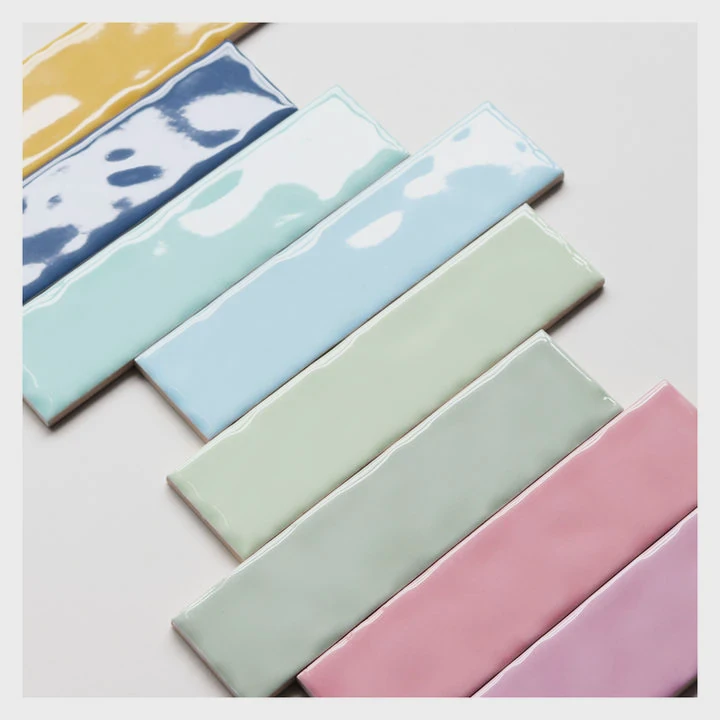
Many old tiles have a smooth and glazed finish. This finish looks attractive but can make bonding difficult. Adhesive needs a surface with enough texture to create a mechanical connection.
Roughening the surface changes the texture and helps the new installation become stronger.
Improve mechanical bonding
A smooth surface gives adhesive fewer points to attach. A roughened surface provides more contact areas.
This does not mean damaging the tile. The goal is to create a better bonding surface.
Common methods include:
- Light sanding
- Grinding specific areas
- Using suitable surface preparation products
The method depends on the tile type and project requirements.
Avoid excessive damage
Roughening should be controlled. Too much force can weaken the old tile layer or create unnecessary damage.
The goal is preparation, not destruction.
A balanced approach creates the best result:
- Keep the existing structure stable
- Improve surface texture
- Remove dust after treatment
- Apply adhesive correctly
Why preparation affects final quality
A tile installation is a complete system. The tile, adhesive, surface, and environment all work together.
A beautiful tile design cannot perform well without proper preparation. The hidden work behind the surface often decides how long the installation will last.
When I consider tile-over-tile projects, I focus on the foundation first. A strong base, good adhesion, and careful installation create a better result than simply covering old problems.
Tile over tile can save time and reduce renovation costs, but it requires knowledge and attention. The correct process helps homeowners and builders achieve a reliable and attractive surface.
Conclusion
Installing tile over tile is possible when the existing surface is stable and properly prepared. Cleaning, roughening, strong adhesion, and careful planning help create a durable new tile installation.