What is rectified tile?
- Sinotiles
- 2026-08-14
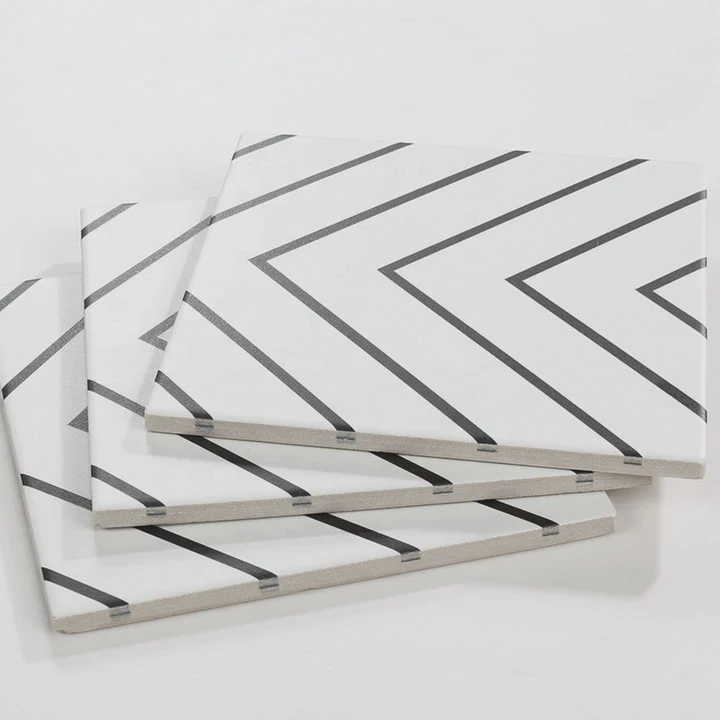
Many people choose tiles based on color and pattern but ignore the importance of tile edges. Small differences in size can affect the final look of an entire floor.
Rectified tile is a tile that has been mechanically cut after firing to create highly precise edges and consistent dimensions. This process allows cleaner layouts, smaller grout lines, and a more modern appearance.
In my experience, tile selection is not only about surface design. Size accuracy also plays an important role in the final installation quality. When tiles have uneven edges, installers need wider grout joints to hide size differences. When tiles have precise edges, designers can create smoother and more continuous spaces.
Rectified tiles have become popular in residential, commercial, and hospitality projects because they support modern design trends. Large formats, simple layouts, and minimal visual interruptions are easier to achieve with rectified products.
How are rectified tiles manufactured precisely?
Tile production involves many steps, and accuracy becomes especially important when producing rectified tiles. The manufacturing process creates a product with consistent size and straight edges.
Rectified tiles are manufactured by firing tiles first and then cutting the edges with special machines. This extra process removes small size variations and creates tiles with accurate dimensions.
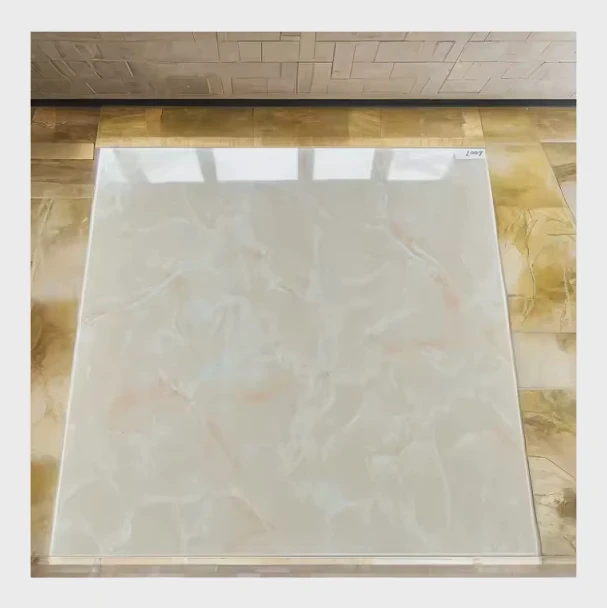
During normal tile production, clay materials shrink slightly during drying and firing. This natural process can create small differences between individual tiles. Standard tiles can still offer good quality, but their sizes may have more variation.
Rectification solves this problem by adding a final cutting stage. After the tiles leave the kiln, machines trim each tile to a specific measurement. The edges become straight, and the corners become more accurate.
Main steps in rectified tile production
| Manufacturing stage | Purpose | Effect on tile quality |
|---|---|---|
| Raw material preparation | Creates stable tile bodies | Improves product consistency |
| Pressing and shaping | Forms tile dimensions | Controls basic size |
| High-temperature firing | Creates strength and durability | Hardens the tile body |
| Edge cutting and grinding | Creates exact edges | Reduces size differences |
| Quality inspection | Checks final products | Ensures stable performance |
The rectification process requires advanced equipment and strict quality control. The factory needs to control cutting accuracy, surface quality, and dimensional tolerance.
For manufacturers, producing rectified tiles means more investment in machines and inspection systems. However, the result is a product that meets the needs of modern architecture and interior design.
I also believe quality control is especially important for large-format tiles. When tile sizes become bigger, even a small size difference becomes easier to notice. A small error on a large tile can affect alignment and create an uneven appearance.
Rectified tiles are often selected for projects where visual details matter. Hotels, office buildings, luxury homes, and commercial spaces usually require clean surfaces and professional finishes.
The production process also explains why rectified tiles are often associated with premium products. They require more steps than standard tiles, and each step requires careful management.
Why are rectified tiles preferred in modern design?
Modern design often focuses on clean lines, open spaces, and simple visual effects. Rectified tiles support these ideas because they create a more uniform surface.
Rectified tiles are preferred in modern design because their precise edges allow better alignment, cleaner patterns, and a more seamless appearance across large areas.
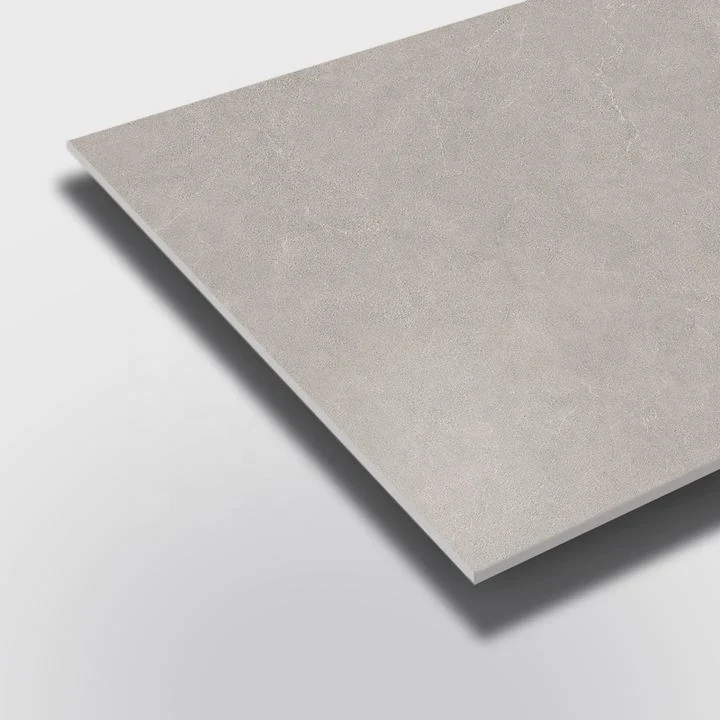
Interior designers today often use tiles as a major design element. Floors and walls are no longer only functional surfaces. They help create the style and feeling of a space.
Rectified tiles work well with modern design because they reduce visual distractions. Smaller grout lines create a smoother appearance and allow tile patterns to become the main focus.
Design advantages of rectified tiles
| Design feature | Benefit of rectified tiles |
|---|---|
| Large open spaces | Creates a continuous visual effect |
| Minimal style | Supports clean and simple designs |
| Large-format tiles | Improves alignment and appearance |
| Luxury interiors | Creates a high-end finish |
One reason designers like rectified tiles is flexibility. These tiles can match many styles, including modern, industrial, minimalist, and luxury designs.
For example, a large living room with 1200x1200mm or 750x1500mm tiles can look more spacious when grout lines are reduced. The floor appears calmer because fewer lines interrupt the surface.
Another advantage is consistency. When every tile has the same size and edge shape, installers can create more accurate patterns. This is especially useful for projects with strict design requirements.
I have noticed that many international buyers now pay more attention to details such as tile size, edge quality, and installation results. They understand that a good tile design depends not only on the product itself but also on how the final surface looks.
Rectified tiles also match current architectural trends. Many modern buildings use simple materials, neutral colors, and large surfaces. These design choices require products that provide clean visual results.
However, rectified tiles still need professional installation. Precise edges do not remove the need for proper leveling, adhesive selection, and installation skills. A good product works best when combined with good workmanship.
The popularity of rectified tiles shows how customer expectations have changed. Buyers now want products that offer both performance and appearance. A tile should be durable, but it should also help create attractive spaces.
Can rectified tiles allow minimal grout lines?
Many people choose rectified tiles because they want smaller grout joints and a smoother floor appearance. However, grout lines are still necessary for proper installation.
Rectified tiles can allow minimal grout lines because their accurate edges reduce size differences between tiles. However, installers still need suitable grout spacing based on tile type and project conditions.
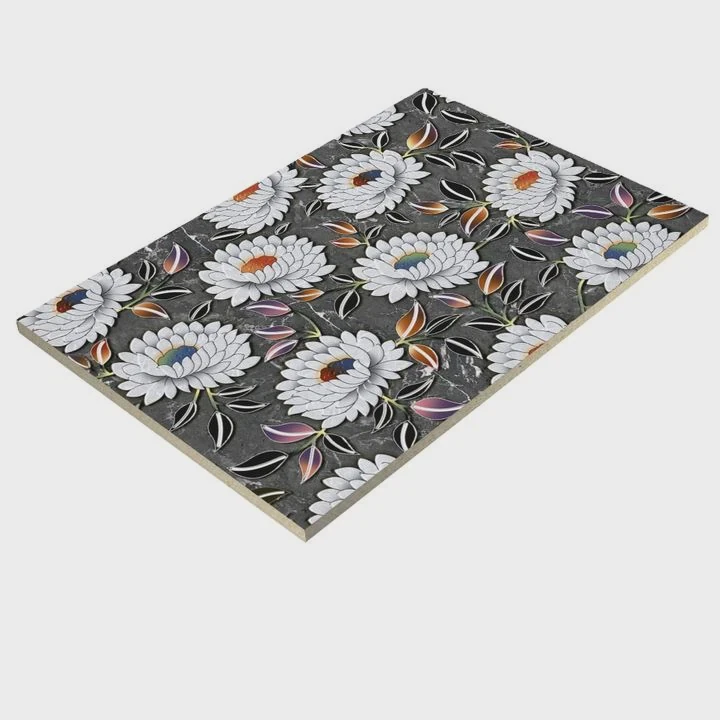
The idea of almost invisible grout lines is attractive. Many homeowners want floors that look like one continuous surface. Rectified tiles make this design goal easier, but there are practical limits.
Grout lines provide important functions. They help manage small movements caused by temperature changes, building structure, and material expansion. Without proper joints, tiles may experience stress and possible damage.
Factors affecting grout line size
| Factor | Influence on grout spacing |
|---|---|
| Tile accuracy | More accurate tiles can use smaller joints |
| Tile size | Larger tiles need careful planning |
| Installation environment | Temperature and movement affect requirements |
| Installer skill | Professional work improves final results |
A common misunderstanding is that rectified tiles can always be installed with no grout line. This is not recommended. Even high-precision tiles need space between pieces.
The correct grout width depends on many factors. The tile manufacturer, installation standard, tile size, and project location all affect the decision.
For example, indoor residential spaces may allow smaller grout joints than outdoor areas. Outdoor environments experience more temperature changes and movement, so installation requirements may be different.
In commercial projects, designers often balance appearance with long-term performance. A very small grout line may create a beautiful first impression, but the installation must also remain stable for many years.
I always suggest looking at the entire system rather than only the tile itself. Tile quality, adhesive, grout, and installation methods work together. Each part affects the final result.
Rectified tiles provide more design freedom, but they do not replace professional installation knowledge. The best results come from combining precise products with correct techniques.
Are rectified tiles more expensive than standard tiles?
Price is an important factor for many buyers. Since rectified tiles require additional manufacturing steps, many people expect them to cost more.
Rectified tiles are usually more expensive than standard tiles because they require extra cutting, advanced equipment, and stricter quality control. However, the final value depends on the project needs.
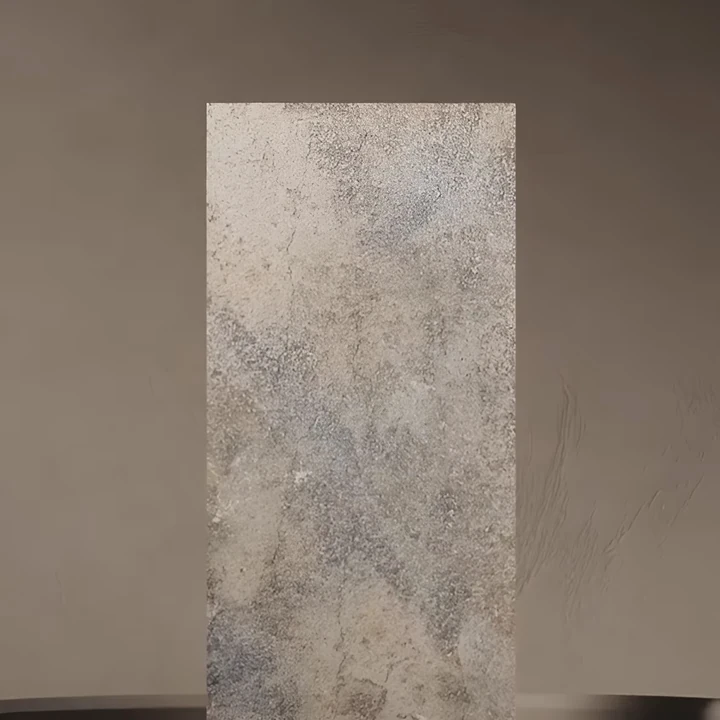
The price difference comes from the production process. Standard tiles leave the factory after normal shaping and firing. Rectified tiles need another stage where machines cut and finish the edges.
This additional process increases production costs. The factory needs more equipment, more energy, and more inspection time.
Cost comparison factors
| Cost factor | Standard tiles | Rectified tiles |
|---|---|---|
| Production process | Basic production steps | Extra edge cutting process |
| Size accuracy | Normal tolerance | Higher precision |
| Installation appearance | Traditional look | Modern seamless look |
| Market position | More budget-friendly | Often positioned as premium |
Although rectified tiles may have a higher purchase price, they can create value through better design results. For projects where appearance is important, the additional cost may be reasonable.
Large commercial projects often consider the total project value instead of only the tile price. A better visual result can improve the quality of the entire building.
Another point is installation efficiency. Precise tile dimensions can help installers create cleaner layouts. This may reduce some problems during installation, although professional labor is still required.
For international buyers, product selection usually depends on market demand. Some customers need affordable tiles for large-volume housing projects. Others need premium products for hotels, villas, and commercial spaces.
Rectified tiles are not always the best choice for every project. The right product depends on budget, design goals, and customer expectations.
From my perspective, rectified tiles represent a balance between technology and design. They provide higher accuracy and better visual control, which makes them valuable for many modern applications.
Conclusion
Rectified tiles are precision-made products that offer accurate edges, modern designs, and cleaner installations. Although they may cost more than standard tiles, their appearance and quality make them a popular choice for many projects.