How to Install Tile Trim?
- Sinotiles
- 2026-06-29

Exposed tile edges can make even a high-quality installation look unfinished. Many tile projects fail to achieve a professional appearance because the edge details are overlooked during planning and installation.
Tile trim is installed by measuring the tile thickness, selecting the correct trim profile, cutting the trim accurately, embedding it into tile adhesive, and aligning it carefully with the tile layout for a clean and durable finish.
Tile trim plays an important role in both residential and commercial projects. It protects tile edges, improves appearance, and creates smooth transitions between different surfaces. Whether the project involves a bathroom wall, kitchen backsplash, staircase, or large commercial installation, understanding how to install tile trim correctly can significantly improve the final result.
Many contractors focus heavily on tile selection, grout color, and layout patterns. Yet the trim often becomes the detail that separates an average installation from a professional one.
Which Types of Tile Trim Are Available?
A beautiful tile installation can lose its visual appeal if exposed edges are left unfinished. Choosing the correct tile trim is one of the most important decisions during project planning.
Tile trim is available in various materials and profiles, including metal, PVC, ceramic, and stone trims, each designed to provide edge protection and decorative finishing for different applications.
When customers discuss tile edge solutions, many assume there is only one type of trim. In reality, the market offers a wide range of profiles designed for specific installation needs.
Metal Tile Trim
Metal trim is among the most popular options in modern construction.
Common materials include:
- Aluminum
- Stainless steel
- Brass
Metal trims are widely used because they provide:
- Excellent durability
- Modern appearance
- Strong edge protection
- Moisture resistance
These trims are commonly found in bathrooms, kitchens, hotels, and commercial projects.
PVC Tile Trim
PVC trim offers an economical alternative.
Advantages include:
- Lower cost
- Easy installation
- Corrosion resistance
- Wide color selection
PVC trims are often selected for residential applications where budget is a primary consideration.
Ceramic Bullnose Trim
Some tile collections include matching bullnose pieces.
These trims provide:
- Coordinated appearance
- Smooth rounded edges
- Traditional design style
Bullnose trims are particularly common in bathroom walls and kitchen backsplashes.
Natural Stone Trim
Stone trims are frequently used alongside:
- Marble
- Granite
- Travertine
They help create a seamless appearance that matches the surrounding surface.
Common Tile Trim Profiles
Different trim shapes serve different purposes.
| Trim Profile | Main Purpose |
|---|---|
| L-Shaped Trim | Edge protection |
| Round Edge Trim | Decorative finish |
| Square Edge Trim | Modern appearance |
| Stair Nosing Trim | Step protection |
| Transition Trim | Joining different floors |
Choosing the Right Material
Several factors influence trim selection.
These include:
- Tile thickness
- Installation location
- Moisture exposure
- Design style
- Budget
For example, stainless steel trim may be ideal for high-traffic commercial projects, while PVC trim may be sufficient for light residential applications.
Understanding the available trim options helps ensure both visual appeal and long-term performance.
How to Cut Tile Trim Accurately?
Even high-quality tile trim can look unprofessional if it is cut poorly. Uneven cuts, gaps, and rough edges often become highly visible once the installation is complete.
Tile trim can be cut accurately by measuring carefully, using appropriate cutting tools, securing the trim properly, and finishing cut edges to ensure clean joints and professional results.
One lesson learned from many tile projects is that precise measurements save significant time later. Most visible trim problems begin with inaccurate cuts.
Measure Before Cutting
Accurate measurement is the foundation of a clean installation.
Before making any cuts:
- Measure twice
- Mark clearly
- Verify corner locations
- Account for grout spacing
Small errors become much more noticeable at corners and transitions.
Tools Used for Cutting Tile Trim
The best cutting tool depends on the trim material.
Common tools include:
- Hacksaws
- Miter saws
- Metal-cutting blades
- PVC cutters
- Angle grinders
Each tool serves different materials and project requirements.
Cutting Metal Tile Trim
Metal trims require extra attention.
For aluminum and stainless steel profiles:
- Secure the trim firmly.
- Mark the cut line clearly.
- Cut slowly and steadily.
- Remove burrs after cutting.
A fine-tooth blade generally produces cleaner cuts.
Cutting PVC Tile Trim
PVC trim is easier to work with.
Benefits include:
- Faster cutting
- Less tool wear
- Simple adjustments
Many installers use specialized PVC cutters for improved speed and accuracy.
Making Miter Cuts
Corners often require miter cuts.
A 45-degree cut allows two trim pieces to join neatly at an outside corner.
Advantages include:
- Cleaner appearance
- Better alignment
- Professional finish
Poorly cut corners are often one of the first things people notice in a tile installation.
Common Cutting Mistakes
Avoid these common errors:
| Mistake | Result |
|---|---|
| Incorrect Measurement | Visible gaps |
| Dull Blade | Rough edges |
| Excessive Force | Bent trim |
| Poor Corner Cuts | Misalignment |
| No Deburring | Sharp edges |
Finishing the Cut Edge
After cutting, inspect the trim carefully.
Use a file or sanding tool to remove:
- Burrs
- Sharp edges
- Metal fragments
This step improves both appearance and safety.
Test-Fit Before Installation
Always perform a dry fit before applying adhesive.
This allows installers to:
- Confirm dimensions
- Verify corner alignment
- Make adjustments
- Prevent costly mistakes
Accurate cutting is one of the key factors that contributes to a professional-looking tile installation.
Can Trim Improve Tile Edge Durability?
Many tile failures occur at exposed edges. These areas receive frequent impacts and often become the first part of an installation to show wear or damage.
Yes, tile trim significantly improves edge durability by protecting exposed tile edges from impacts, chipping, cracking, and long-term wear.
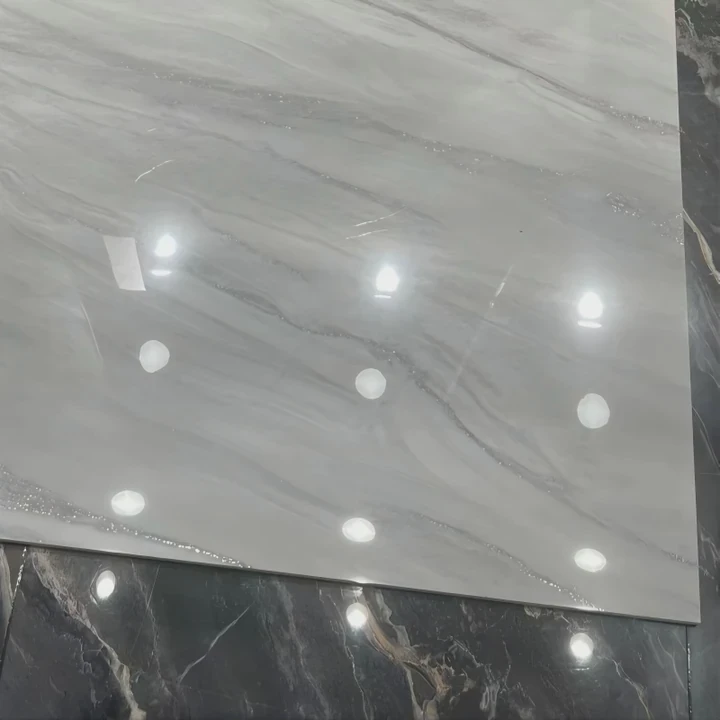
In both residential and commercial environments, edge protection is one of the main reasons installers specify tile trim.
Why Tile Edges Are Vulnerable
Tile edges often experience more stress than flat tile surfaces.
Common sources of damage include:
- Foot traffic
- Furniture movement
- Cleaning equipment
- Accidental impacts
Without protection, exposed edges can chip relatively easily.
How Tile Trim Provides Protection
Tile trim acts as a protective barrier.
Instead of direct impact reaching the tile edge, the trim absorbs much of the force.
This reduces the likelihood of:
- Chipping
- Cracking
- Surface damage
Benefits in High-Traffic Areas
Commercial environments place greater demands on tile installations.
Examples include:
- Hotels
- Airports
- Restaurants
- Shopping centers
In these locations, edge durability becomes especially important.
Stair Applications
Stair edges receive concentrated traffic.
Tile trim designed for stairs helps:
- Protect tile edges
- Improve safety
- Extend service life
Many stair nosing profiles also provide additional slip resistance.
Moisture Protection Benefits
Trim can also contribute to moisture management.
Properly installed trim helps:
- Protect exposed edges
- Reduce water penetration
- Improve finish quality
This is particularly useful in bathrooms and shower areas.
Comparing Protected and Unprotected Edges
| Feature | With Trim | Without Trim |
|---|---|---|
| Edge Protection | High | Low |
| Impact Resistance | Improved | Limited |
| Appearance Retention | Better | Reduced |
| Maintenance Needs | Lower | Higher |
Long-Term Cost Savings
Edge repairs often require:
- Tile replacement
- Labor costs
- Material matching
Trim helps reduce these risks.
As a result, many project owners find that the small investment in trim provides valuable long-term protection.
Durability and Design Together
One reason tile trim remains popular is its ability to combine functionality and appearance.
It not only protects the installation but also creates a more polished final result.
For many projects, this balance makes tile trim an essential component rather than an optional accessory.
Why Align Trim With Tile Layout?
Even perfectly installed trim can look out of place if it does not align with the tile pattern. Planning trim placement alongside the tile layout is critical for achieving a balanced appearance.
Aligning tile trim with the tile layout ensures consistent lines, symmetrical design, professional appearance, and smoother installation throughout the project.
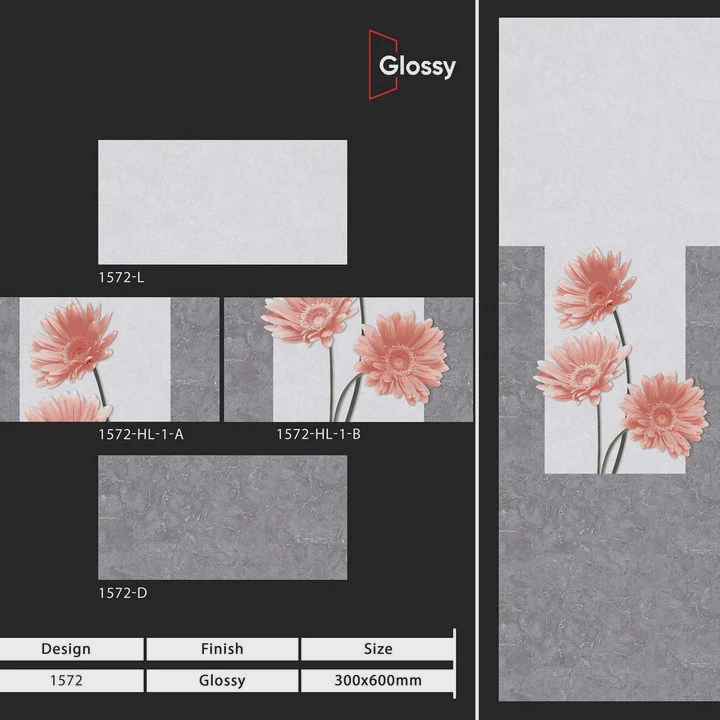
Many installation issues occur because trim placement is considered too late in the process. Proper planning should begin before the first tile is installed.
Visual Consistency
Tile layouts create visual patterns.
Trim should support these patterns rather than interrupt them.
Proper alignment helps maintain:
- Straight lines
- Balanced proportions
- Uniform spacing
This creates a more harmonious appearance.
Corner Accuracy
Corners often attract attention.
Misaligned trim can make corners appear:
- Crooked
- Uneven
- Poorly finished
Accurate layout planning minimizes these issues.
Supporting Symmetry
Symmetry is important in many tile designs.
Examples include:
- Feature walls
- Shower surrounds
- Kitchen backsplashes
Aligned trim reinforces the intended visual structure.
Simplifying Installation
Planning trim alongside tile layout provides practical benefits.
Installers can:
- Reduce cutting adjustments
- Improve workflow
- Minimize waste
- Achieve better fitment
This often saves time during installation.
Managing Tile Thickness
Trim selection should match tile thickness.
Incorrect sizing may cause:
- Uneven surfaces
- Exposed edges
- Poor alignment
Measuring both tile and trim before installation helps avoid these problems.
Layout Planning Checklist
Before installation begins, confirm:
| Planning Item | Purpose |
|---|---|
| Tile Center Lines | Maintain symmetry |
| Trim Locations | Define transitions |
| Corner Details | Improve appearance |
| Tile Thickness | Select correct trim size |
| Expansion Gaps | Allow movement |
Professional Appearance
Many people may not consciously notice trim alignment.
However, they often notice when something appears incorrect.
Proper alignment contributes to:
- Clean visual flow
- High-quality finish
- Better overall design
These details often distinguish professional installations from amateur work.
Integrating Trim Into the Design
The best installations treat trim as part of the overall design rather than an afterthought.
When trim and tile layouts are planned together, the finished surface appears intentional, balanced, and complete.
This attention to detail helps maximize both the aesthetic value and durability of the project.
Conclusion
Installing tile trim correctly involves selecting the right trim type, making accurate cuts, embedding the trim securely in adhesive, and aligning it carefully with the tile layout. Beyond creating a clean and professional appearance, tile trim protects vulnerable edges from damage, improves durability, and enhances the overall quality of both residential and commercial tile installations.