How To Lay Hexagon Tile: What Is The Right Way To Get A Perfect Finish?
- Sinotiles
- 2026-04-15
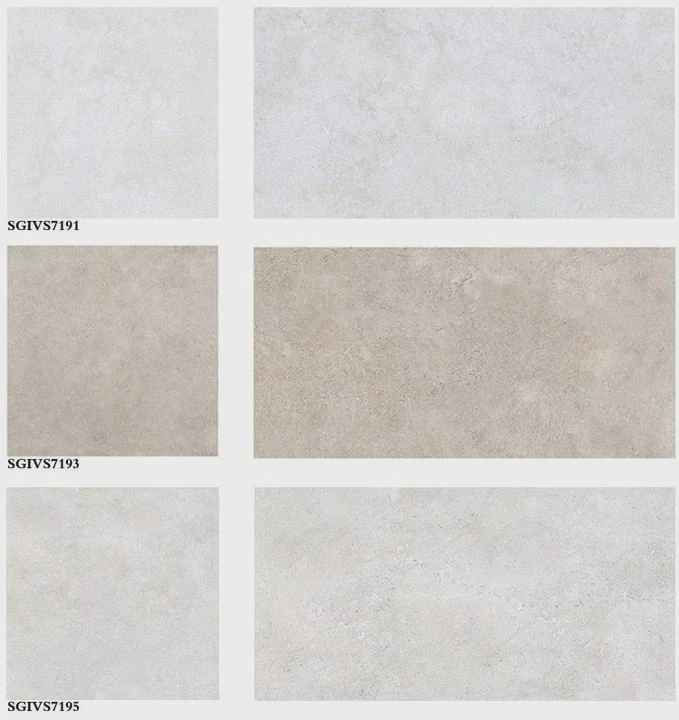
Hexagon tiles look modern and stylish, but many people struggle with uneven lines and poor alignment. Small mistakes quickly become very visible with this pattern.
To lay hexagon tile correctly, you need careful layout planning, consistent spacing, proper adhesive selection, and correct timing for grouting. These steps ensure a clean and professional result.
Hexagon tiles are different from square tiles. Their shape creates more joints and angles. This means accuracy is more important. Each step must be controlled from start to finish.
What layout techniques ensure even hexagon tiles?
Many installers assume hexagon tiles behave like square tiles. This is not true. Without the right layout method, patterns drift and lines become uneven.
Even hexagon tile layout requires starting from a center reference line, dry-laying the pattern, and adjusting edges to maintain symmetry and balance.
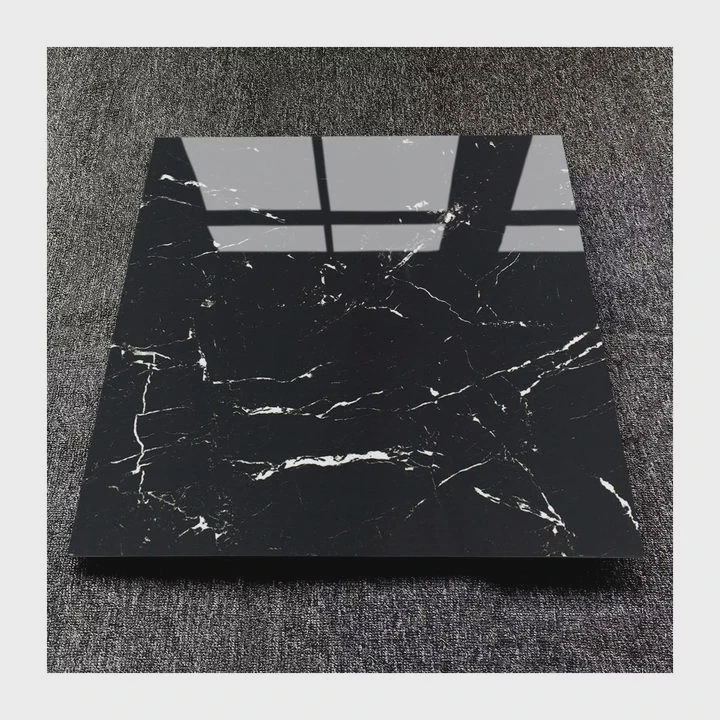
Hexagon tiles create a honeycomb pattern. This pattern spreads in multiple directions. Because of this, layout planning is more complex than standard grids.
Start With Reference Lines
Always begin by marking clear reference lines.
- Draw a center line in the room
- Add a perpendicular line to form a cross
- Use these lines as your starting point
This method keeps the pattern balanced across the space.
Dry Layout First
Before applying adhesive, place tiles on the floor.
- Check how edges align with walls
- Adjust starting point if needed
- Avoid very small cuts at edges
Dry layout helps prevent visual imbalance.
Control Pattern Direction
Hexagon tiles can shift easily. You must control direction.
- Follow one consistent orientation
- Align edges carefully
- Check every row as you move outward
Layout Strategy Comparison
| Layout Method | Result Quality | Risk Level |
|---|---|---|
| Random Start | Poor alignment | High |
| Wall-Based Start | Slight imbalance | Medium |
| Center Layout | Best symmetry | Low |
Practical Insight
In one project, starting from a wall caused uneven cuts on the opposite side. The pattern looked off even though tiles were straight. After restarting from the center, the space looked balanced.
Key Takeaway
Hexagon tiles require planning, not guessing. A strong layout foundation prevents most visible issues later.
How do you maintain consistent spacing with hex tiles?
Spacing becomes more difficult with hexagon tiles because they have more edges. Even small spacing errors become very noticeable.
To maintain consistent spacing, use tile spacers designed for hex tiles, check alignment frequently, and work in small sections to control gaps.
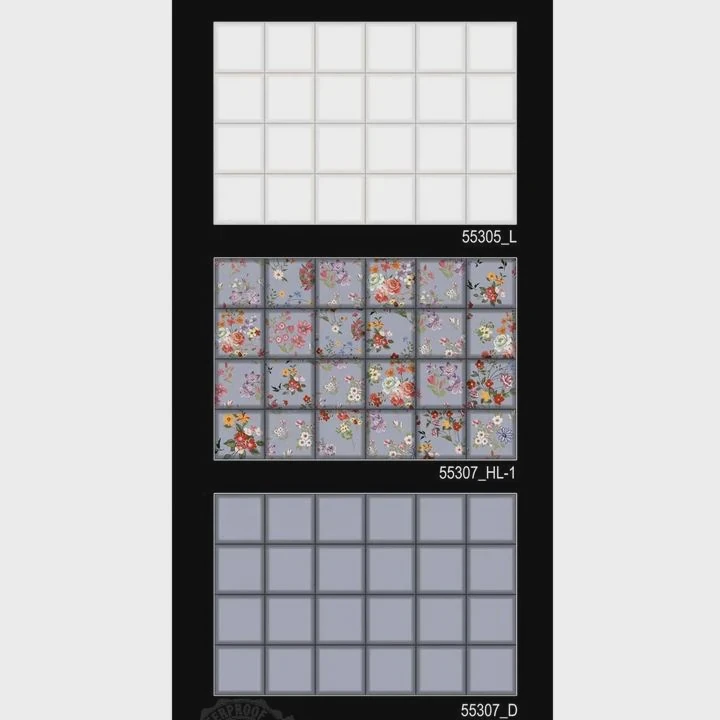
Unlike square tiles, hex tiles connect at multiple angles. This increases the chance of uneven gaps.
Use the Right Spacers
Standard spacers may not always fit perfectly.
- Use small cross or T-shaped spacers
- Some installers use wedge spacers for fine tuning
- Keep spacer size consistent across the project
Work in Small Sections
Do not tile large areas at once.
- Complete a small section
- Check spacing before moving forward
- Adjust immediately if gaps shift
Check Alignment Frequently
Spacing issues grow quickly.
- Step back and visually inspect
- Use a ruler or gauge if needed
- Fix small errors early
Spacing Control Table
| Method | Benefit | Limitation |
|---|---|---|
| Plastic Spacers | Consistent gaps | May need adjustment |
| Wedge Spacers | Fine control | Slower process |
| Visual Checking | Quick correction | Requires experience |
Common Spacing Problems
- Gaps widening across rows
- Tiles touching at corners
- Misaligned joints
These problems usually come from rushing.
Real Experience Note
During one installation, skipping spacers for speed caused uneven joints. After grouting, the pattern looked distorted. The only fix was removing and reinstalling tiles.
Key Takeaway
Spacing is not just a detail. It defines the final appearance of hexagon tiles.
Which adhesives work best for hexagon patterns?
Many people underestimate the role of adhesive. However, hexagon tiles need strong and stable bonding due to their shape and multiple edges.
The best adhesives for hexagon tiles are polymer-modified thin-set mortars, as they provide strong bonding, flexibility, and even support for complex tile shapes.
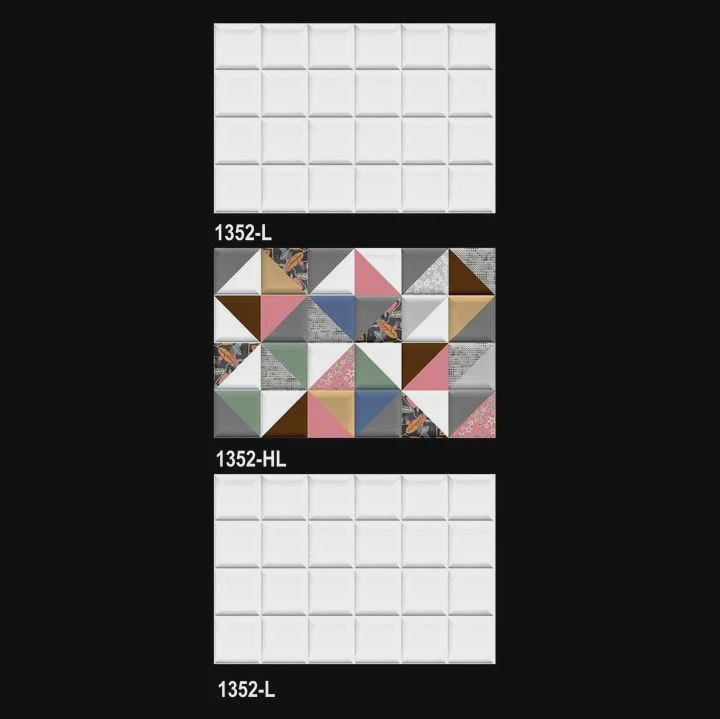
Choosing the correct adhesive ensures durability and prevents future problems.
Why Adhesive Choice Matters
Hexagon tiles have more joints and edges.
- Stress is distributed unevenly
- Weak adhesive can lead to lifting
- Proper bonding keeps tiles stable
Recommended Adhesive Types
1. Polymer-Modified Thin-Set
This is the most common choice.
- Strong bonding strength
- Flexible under stress
- Suitable for floors and walls
2. Pre-Mixed Adhesive
Used for smaller wall projects.
- Easy to use
- No mixing required
- Not ideal for large floor areas
3. Rapid-Set Mortar
Used for faster projects.
- Quick drying
- Reduces waiting time
- Requires fast work
Adhesive Comparison Table
| Adhesive Type | Best Use Case | Strength Level |
|---|---|---|
| Polymer-Modified Thin-Set | Floors and walls | High |
| Pre-Mixed Adhesive | Small wall projects | Medium |
| Rapid-Set Mortar | Time-sensitive jobs | High |
Application Technique
- Use a notched trowel
- Spread evenly
- Do not apply too much area at once
Consistency is more important than speed.
Practical Insight
In one case, using low-quality adhesive caused tiles to shift slightly during drying. The pattern lost alignment. Fixing it required removing several sections.
Key Takeaway
Adhesive is the foundation of tile installation. Choosing the right type ensures long-term performance.
When should grout be applied after installation?
Many beginners rush to grout too early. This can damage the tile layout and weaken the installation.
Grout should be applied after the adhesive has fully cured, typically 24 to 48 hours after tile installation, depending on the adhesive type and conditions.
Timing is critical in this step. Grouting too soon can ruin all previous work.
Why Waiting Matters
Adhesive needs time to set.
- Tiles must be stable
- Movement must stop completely
- Moisture must reduce
If grout is applied too early, tiles may shift.
Standard Waiting Time
| Adhesive Type | Recommended Wait Time |
|---|---|
| Standard Thin-Set | 24-48 hours |
| Rapid-Set Mortar | 4-6 hours |
| Pre-Mixed Adhesive | 24 hours |
Signs Tiles Are Ready
- Tiles do not move when pressed
- Adhesive is fully hardened
- Surface feels stable
Grouting Process Basics
- Remove spacers
- Apply grout with a float
- Clean excess with a sponge
Work diagonally across joints to avoid pulling grout out.
Common Grouting Mistakes
- Grouting too early
- Using too much water when cleaning
- Leaving residue on tile surface
These mistakes affect final appearance.
Real Experience Note
In one project, early grouting caused slight tile movement. The joints became uneven. Even though the difference was small, it was visible after drying.
Key Takeaway
Patience is essential. Waiting the correct time ensures a strong and clean finish.
Conclusion
Laying hexagon tile requires precision, planning, and patience. With proper layout, spacing control, correct adhesive, and careful timing, you can achieve a clean and professional result that lasts for years.