How to Remove Scale from Pool Tile?
- Sinotiles
- 2026-04-15
White scale stains on pool tiles look ugly and hard to clean. Many owners try random methods and damage the surface. This creates more cost and frustration.
To remove scale from pool tile, use mild acids, proper tools, and safe cleaning methods that dissolve calcium without harming the tile surface.
Cleaning scale is not only about strength. It is about using the right method. When done correctly, tiles stay clean, smooth, and long-lasting.
What Removes Calcium Buildup on Pool Tiles?
Calcium buildup forms slowly and becomes hard like stone. Many people scrub harder but see little result. This wastes time and can damage tiles.
Calcium buildup is best removed using acidic cleaners like diluted muriatic acid, vinegar, or commercial descalers that dissolve mineral deposits effectively.
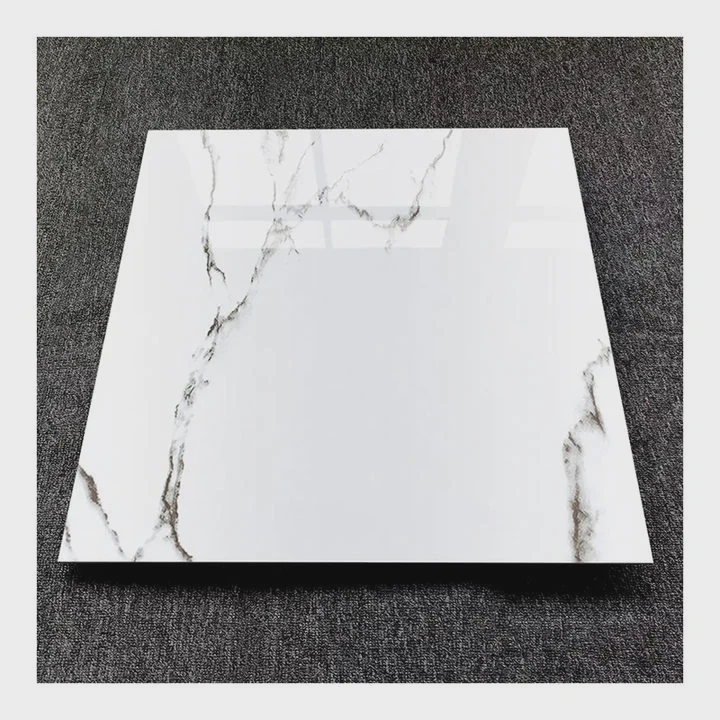
Calcium scale comes from hard water and high pH levels. It sticks to tile surfaces and becomes thicker over time.
Common Calcium Types
There are two main types of calcium buildup:
| Type | Description | Difficulty |
|---|---|---|
| Calcium Carbonate | White, flaky | Easy to remove |
| Calcium Silicate | Gray, hard | Very difficult |
Calcium carbonate is more common. It reacts well with acid. Calcium silicate is older and requires stronger treatment.
Effective Cleaning Solutions
Different solutions work depending on the severity:
Mild Solutions (Light Scale)
- White vinegar
- Lemon juice
- Mild commercial cleaners
These are safe and easy to use. They work best for fresh buildup.
Strong Solutions (Heavy Scale)
- Diluted muriatic acid
- Professional descaling chemicals
These break down thick deposits quickly.
How Acid Works
Acid reacts with calcium and breaks it down. This makes it easier to wipe or scrub away.
However, strong acid must be controlled. Too much exposure can damage grout or tile finish.
When to Choose Each Method
| Situation | Recommended Solution |
|---|---|
| Light buildup | Vinegar |
| Medium buildup | Commercial cleaner |
| Heavy buildup | Diluted acid |
Using the right solution saves time and protects the surface.
How Do You Clean Scale Without Damaging Tile?
Many people remove scale but damage the tile surface. Scratches and dull finish are common problems. This reduces the beauty of the pool.
To clean scale safely, use non-abrasive tools, controlled acid solutions, and gentle scrubbing techniques to protect tile surfaces.
Safe cleaning requires balance. Strong enough to remove scale, but gentle enough to protect the tile.
Use Soft Tools First
Start with non-damaging tools:
- Nylon brushes
- Soft sponges
- Microfiber cloths
Avoid metal brushes at the beginning. They can scratch glazed tiles.
Control Chemical Strength
Always dilute strong chemicals. For example:
- Mix muriatic acid with water (never the reverse)
- Use low concentration first
This reduces the risk of damage.
Test Before Full Cleaning
Always test on a small area. This helps check:
- Color change
- Surface reaction
- Effectiveness
If no damage appears, continue cleaning.
Step-by-Step Safe Cleaning Process
- Wet the tile surface
- Apply cleaning solution
- Wait a short time (1-2 minutes)
- Gently scrub
- Rinse thoroughly
This method protects both tile and grout.
Common Mistakes to Avoid
| Mistake | Result |
|---|---|
| Using metal tools too early | Scratches |
| Strong acid without dilution | Surface damage |
| Skipping rinse | Residue buildup |
Why Gentle Cleaning Works Better
Aggressive cleaning may remove scale faster. But it often damages the tile permanently.
A controlled method keeps the tile smooth and extends its lifespan.
Are Acidic Cleaners Safe for Pool Surfaces?
Many users worry about using acid. Some avoid it completely, while others use too much. Both approaches create problems.
Acidic cleaners are safe when diluted properly and used carefully, but overuse or high concentration can damage tiles, grout, and nearby surfaces.
Acid is one of the most effective tools. But it must be handled with care.
Types of Acidic Cleaners
Common options include:
- Muriatic acid (strong)
- Phosphoric acid (moderate)
- Vinegar (mild)
Each has different strength levels.
Safe Usage Guidelines
Dilution Ratios
| Acid Type | Suggested Ratio |
|---|---|
| Muriatic Acid | 1:10 (acid to water) |
| Phosphoric Acid | Follow product guide |
| Vinegar | Use directly |
Always start with weaker solutions.
Protective Measures
- Wear gloves
- Use eye protection
- Ensure good ventilation
Safety is important when working with chemicals.
Surface Compatibility
Acid works well on:
- Ceramic tiles
- Porcelain tiles
But it may damage:
- Natural stone (like marble)
- Some grout types
Always confirm material before use.
Signs of Overuse
Watch for:
- Fading color
- Rough texture
- Weak grout lines
These indicate damage from excessive acid.
Balanced Approach
Using acid is not dangerous when controlled. The key is moderation and proper handling.
Which Tools Help Remove Stubborn Scale Faster?
Stubborn scale can resist basic cleaning. Many people spend hours scrubbing with little progress. The right tools can make a big difference.
Specialized tools like pumice stones, scrapers, and electric cleaners help remove stubborn scale faster and more efficiently.
Tools improve both speed and effectiveness. But choosing the wrong tool can damage the surface.
Manual Tools
Pumice Stone
- Effective on hard deposits
- Safe for many tiles when wet
Plastic Scrapers
- Remove thick buildup
- Less risk than metal tools
Power Tools
Electric tools reduce effort:
- Rotary scrubbers
- Pool cleaning machines
These are useful for large areas.
Tool Comparison
| Tool | Speed | Safety | Best Use |
|---|---|---|---|
| Nylon Brush | Slow | Very safe | Light scale |
| Pumice Stone | Medium | Safe (wet use) | Medium scale |
| Scraper | Fast | Moderate | Thick deposits |
| Electric Cleaner | Very fast | Safe if used correctly | Large areas |
When to Upgrade Tools
If manual cleaning takes too long, it is time to switch tools. This saves time and reduces physical effort.
Best Practice Combination
For best results:
- Apply cleaning solution
- Use appropriate tool
- Rinse and repeat if needed
Combining chemical and mechanical cleaning works most effectively.
Conclusion
Removing pool tile scale requires the right balance of chemicals, tools, and technique. A careful approach protects the tile while ensuring effective cleaning and long-term durability.