How to Lay Tile Floor?
- Sinotiles
- 2026-05-05
Laying a tile floor can feel overwhelming if you have never done it before. Mistakes can be costly and time-consuming.
With the right preparation, tools, and method, anyone can lay tiles efficiently. Proper planning ensures a flat, aligned, and durable tile floor.
Understanding each step before starting saves time and prevents frustration. This guide covers preparation, alignment, essential tools, and grout timing, so you can achieve professional results even as a beginner.
What preparation is needed before floor tiling?
Preparation mistakes can ruin your tile project. Uneven floors or dirt can make tiles crack or lift later.
Before laying tiles, you must clean the floor, level surfaces, and plan your tile layout carefully. This ensures a smooth and long-lasting finish.

Proper preparation starts with cleaning the subfloor. Remove all dust, grease, and debris. Check for cracks or dips. Uneven surfaces can lead to broken tiles. Use a leveling compound for low spots. High spots can be sanded down carefully.
Checking the subfloor
| Subfloor Type | Preparation Needed |
|---|---|
| Concrete | Clean, patch cracks, level with compound |
| Wood | Reinforce boards, ensure stability, use underlayment |
| Existing tiles | Clean, sand glossy surfaces, repair damaged tiles |
Next, measure the room and plan your layout. Find the center point to balance the tiles visually. This avoids small cut tiles at edges, which look messy. Dry-lay a few tiles to see how they fit.
Dry-lay method
- Snap chalk lines for the center.
- Place tiles without adhesive to test spacing.
- Adjust to minimize small edge cuts.
Underlayment may be necessary, especially for wood subfloors. It provides stability, prevents cracking, and adds a moisture barrier. Ensure underlayment is flat and fixed securely.
Good preparation also means having the right materials ready. Adhesive, spacers, tiles, and grout must be accessible. Organize everything to reduce movement and prevent mistakes.
How do you ensure proper tile alignment?
Misaligned tiles ruin the look of a room. Even small gaps or uneven lines are noticeable.
Use spacers, straight chalk lines, and consistent pressure to keep tiles aligned. Check often to avoid drift over large areas.
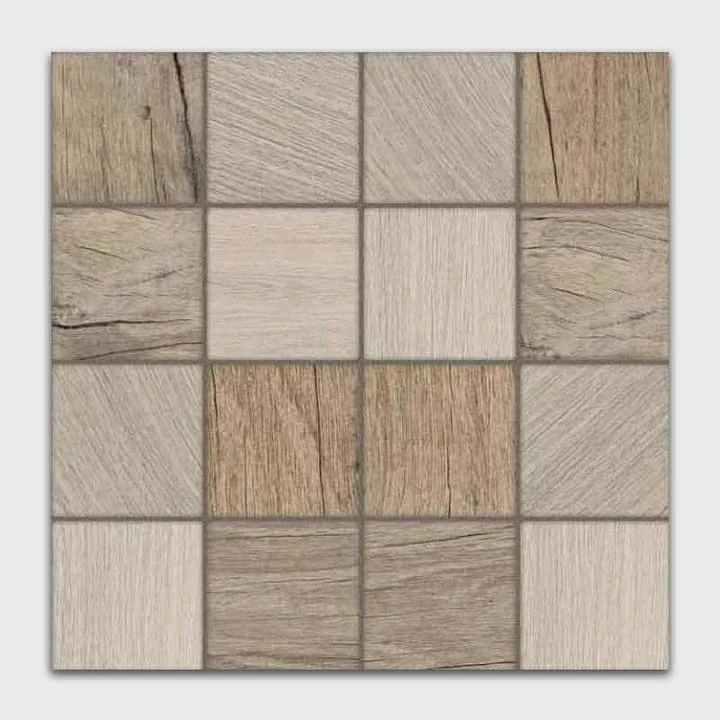
Start by marking your reference lines. Chalk lines help keep rows straight. Always work from the center or a main focal point. This ensures symmetry and avoids slanted edges near walls.
Tile spacing and alignment
| Tip | Details |
|---|---|
| Spacers | Keep uniform gaps between tiles for grout lines |
| Leveling | Use a spirit level to check flatness |
| Constant checks | Step back frequently to ensure lines are straight |
Apply adhesive with a notched trowel. Press tiles firmly into the mortar. Slide slightly to ensure full contact. Place spacers between tiles for consistent grout lines. Avoid pushing tiles into mortar too forcefully, as it can cause uneven edges.
Check alignment often. Small mistakes early become large problems later. Use a level or straight edge to verify both horizontal and vertical lines. Adjust as needed before adhesive sets.
Edge tiles may require cutting. Measure carefully and cut with a tile cutter or wet saw. Always wear safety glasses and gloves. Cut tiles slowly to avoid chipping.
Proper alignment also includes spacing around fixtures and walls. Leave small gaps for expansion. These gaps can be filled with caulk or grout.
Which tools are essential for tile installation?
Without the right tools, tile installation becomes slow and frustrating. Some tools are mandatory for precision and safety.
Essential tools include a trowel, tile cutter, level, spacers, and a rubber mallet. Proper tools save time and improve results.

Must-have tools for tile flooring
| Tool | Purpose |
|---|---|
| Notched trowel | Apply adhesive evenly |
| Tile cutter | Cut tiles accurately |
| Rubber mallet | Tap tiles gently into place |
| Spirit level | Ensure flatness and alignment |
| Tile spacers | Maintain consistent grout lines |
| Sponge | Clean excess adhesive and grout |
Other useful tools include a measuring tape, chalk line, bucket for mixing adhesive, and a knee pad for comfort. Safety equipment like gloves, goggles, and dust mask is essential when cutting tiles.
Tool usage tips
- Trowel: Use the correct notch size for the tile thickness. Too small and adhesive is insufficient; too large and tiles may not sit flat.
- Tile cutter: Score the tile and snap carefully. For large tiles, a wet saw reduces breakage.
- Level: Check frequently, not just after a few rows. Even slight unevenness can create a noticeable slope.
- Spacers: Remove them before grout application to avoid gaps in lines.
Organizing tools close to your workspace reduces interruptions. Keep adhesive and grout mixed in small batches to prevent drying out before use.
Proper tool use also increases efficiency. A rubber mallet gently ensures tiles contact the adhesive fully without cracking. Measuring and cutting correctly minimizes waste.
When should grout be applied after laying tiles?
Applying grout too early or too late can cause cracks or gaps. Timing is important to finish a strong and neat floor.
Grout should be applied after the adhesive has set, usually 24 hours, to ensure tiles remain stable and aligned.

After tiles have set, remove spacers and clean tile gaps. Mix grout to a smooth consistency. Apply it with a rubber float, pressing grout into all joints. Work diagonally across tiles to avoid pulling grout out of gaps.
Grout application steps
- Mix grout according to instructions.
- Spread over tiles with a float at a 45° angle.
- Press firmly to fill all joints.
- Wipe excess with a damp sponge.
- Allow grout to cure as directed, usually 24–48 hours.
Grout finishing tips
| Tip | Reason |
|---|---|
| Wipe diagonally | Avoid removing grout from joints |
| Clean frequently | Prevent grout haze on tiles |
| Seal grout | Protect against moisture and stains |
Grout curing is crucial. Avoid walking on the floor during this time. Proper sealing enhances durability and reduces maintenance.
After curing, inspect for gaps or cracks. Minor touch-ups improve the final look. Regular cleaning and sealing will keep the floor lasting for years.
Timing matters more with large tiles. Larger surfaces may need extra care to prevent grout drying unevenly. Patience ensures a professional appearance and long-lasting results.
Common grout mistakes
- Grouting too soon, causing tiles to shift
- Using too much water, weakening the grout
- Not cleaning properly, leaving a haze
Following correct timing and method guarantees a smooth, attractive, and durable tile floor.
Conclusion
A perfect tile floor requires careful preparation, proper alignment, the right tools, and correct grout timing. Following each step ensures a durable, neat, and professional finish.