How to Lay VCT Tile Flooring?
- Sinotiles
- 2026-04-15
Many flooring projects fail before they even start. Poor preparation, wrong adhesive use, or uneven layouts can ruin the final result and waste both time and money.
VCT tile flooring can be installed successfully by preparing the subfloor, applying the correct adhesive, using proper layout methods, and sealing at the right time. Each step ensures durability, alignment, and long-term performance.
A good installation is not about speed. It is about following each step carefully. Once the process is clear, the result becomes clean, professional, and long-lasting.
What preparation is needed for VCT flooring?
Many people rush into installation and skip preparation. This leads to loose tiles, uneven surfaces, and early failure.
Proper preparation for VCT flooring includes cleaning, leveling, moisture testing, and priming the subfloor to create a stable and smooth base for tile adhesion.
Preparation is the most important stage in VCT installation. A weak base will always cause problems later.
Key preparation steps
1. Inspect the subfloor
Every project starts with checking the surface.
- Concrete, plywood, or existing flooring must be stable
- Remove loose debris or damaged sections
- Ensure no cracks or movement
A stable base prevents tile shifting.
2. Clean thoroughly
Dust and grease reduce adhesive strength.
- Sweep and vacuum the area
- Use a neutral cleaner if needed
- Allow the surface to dry completely
Even small dust particles can affect bonding.
3. Level the surface
Uneven floors cause visible defects.
- Use leveling compound for dips
- Sand down high spots
- Check flatness with a straight edge
A smooth surface ensures even tile placement.
4. Test moisture levels
Moisture is a hidden risk.
- Concrete floors must be dry
- High moisture weakens adhesive
- Use moisture testing kits
Skipping this step can lead to tile lifting.
5. Apply primer if required
Some subfloors need priming.
- Improves adhesive bonding
- Reduces absorption
- Creates a consistent surface
Preparation checklist
| Step | Purpose | Result |
|---|---|---|
| Cleaning | Remove contaminants | Better adhesion |
| Leveling | Smooth surface | Even tiles |
| Moisture test | Prevent failure | Long lifespan |
| Priming | Improve bonding | Strong installation |
Good preparation reduces future repairs and ensures professional results.
How do you apply adhesive for VCT tiles?
Improper adhesive use is a common mistake. Too much or too little adhesive leads to poor bonding and tile movement.
VCT adhesive should be applied evenly using a notched trowel, allowed to become tacky, and then tiles should be pressed firmly into place for proper bonding.
Adhesive application requires timing and consistency.
Step-by-step adhesive application
1. Choose the right adhesive
Not all adhesives work for VCT.
- Use VCT-specific adhesive
- Check compatibility with subfloor
- Follow manufacturer guidelines
2. Use a notched trowel
The trowel controls adhesive thickness.
- Spread adhesive evenly
- Maintain consistent angle
- Avoid pooling or gaps
3. Allow adhesive to become tacky
This is critical.
- Wait before placing tiles
- Adhesive should feel sticky, not wet
- Timing depends on temperature and humidity
Placing tiles too early reduces bonding strength.
4. Lay tiles and press firmly
Proper pressure ensures contact.
- Press tiles into adhesive
- Avoid sliding excessively
- Use a floor roller if possible
Common adhesive mistakes
| Mistake | Problem | Solution |
|---|---|---|
| Too much adhesive | Uneven surface | Use correct trowel |
| Too little adhesive | Weak bonding | Apply evenly |
| No tack time | Tiles shift | Wait before laying |
| Uneven spread | Gaps under tile | Maintain consistency |
Additional tips
Work in small sections
Adhesive can dry quickly. Do not cover large areas at once.
Keep tools clean
Dried adhesive affects application quality.
Follow open time rules
Each adhesive has a specific working time.
Correct adhesive use is what holds the entire floor together.
Which layout methods ensure even installation?
Without a proper layout plan, tiles can look uneven or misaligned. This is a common issue in DIY projects.
Accurate layout methods such as centerline layout, grid layout, and dry fitting ensure even tile alignment, balanced cuts, and a professional finish.
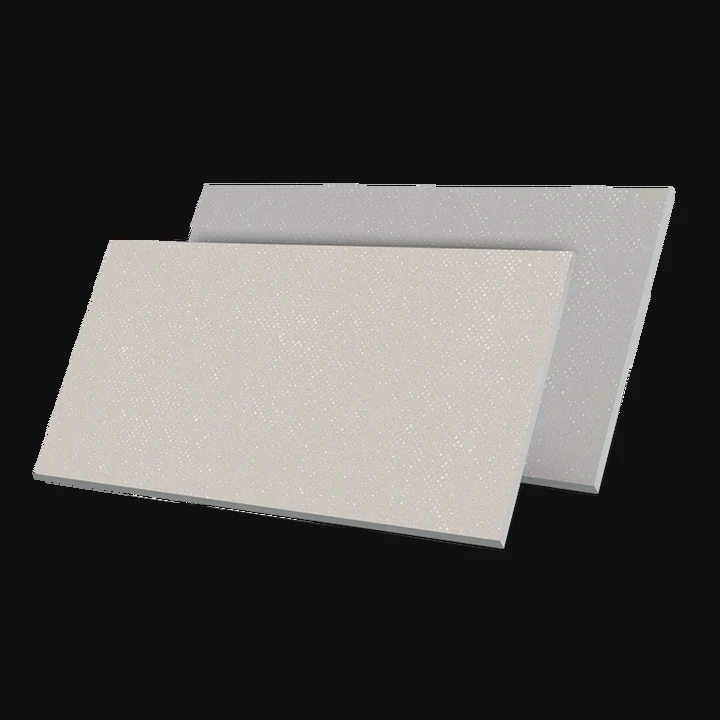
Planning the layout saves time and reduces waste.
Common layout methods
1. Centerline layout
This is the most basic method.
- Find the center of the room
- Draw perpendicular lines
- Start laying tiles from the center
This ensures symmetry.
2. Grid layout
Used for large areas.
- Divide floor into smaller sections
- Use chalk lines to guide placement
- Maintain consistent spacing
This method improves accuracy.
3. Dry layout (test fitting)
Before applying adhesive, test the layout.
- Place tiles without glue
- Check alignment and cuts
- Adjust starting point if needed
This reduces mistakes.
Layout comparison
| Method | Accuracy | Best Use |
|---|---|---|
| Centerline | High | Small to medium rooms |
| Grid | Very high | Large areas |
| Dry layout | Essential | All projects |
Tips for perfect alignment
Avoid small edge cuts
Shift layout slightly to keep edge tiles larger.
Use spacers if needed
Maintain consistent gaps.
Check alignment frequently
Small errors grow over distance.
Pattern considerations
- Straight lay is easiest
- Diagonal adds complexity
- Checkerboard is popular for VCT
Layout planning directly affects the final appearance of the floor.
When should VCT tiles be sealed after installation?
Many installers skip sealing or apply it too early. Both mistakes can reduce the lifespan of the floor.
VCT tiles should be sealed after installation and adhesive curing, typically 24 to 48 hours later, to protect the surface and enhance durability.
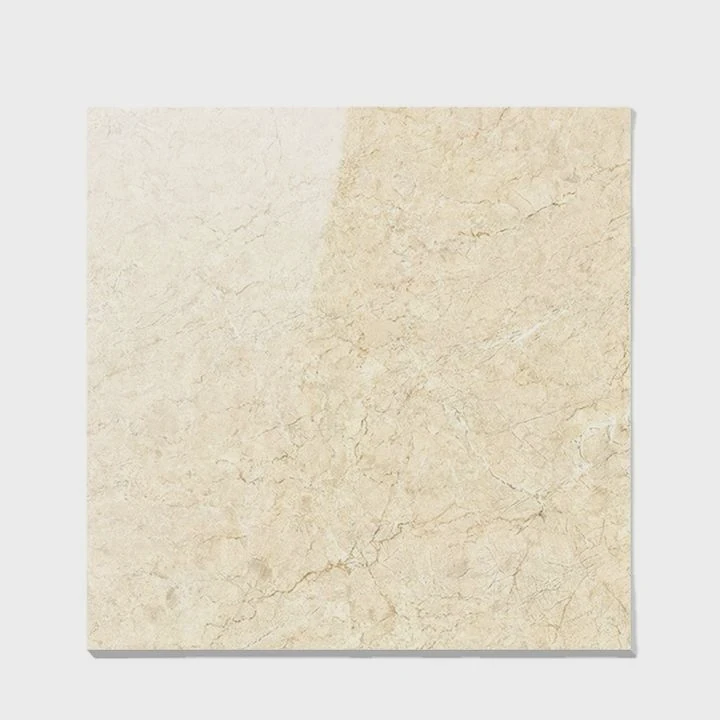
Sealing is not optional for VCT. It protects the surface from wear and stains.
Why sealing is necessary
VCT is porous compared to other tiles.
- Absorbs dirt and moisture
- Can stain easily
- Needs protection layer
Sealing adds durability and shine.
When to apply sealer
Timing is critical.
- Wait until adhesive fully cures
- Usually 24-48 hours
- Follow manufacturer instructions
Applying too early traps moisture.
Sealing process
1. Clean the surface
Remove dust and debris.
2. Apply sealer evenly
- Use a mop or applicator
- Apply thin coats
- Avoid pooling
3. Allow drying
- Follow drying time between coats
- Apply multiple layers if needed
4. Finish with polish (optional)
Adds extra shine and protection.
Sealing mistakes to avoid
| Mistake | Result | Fix |
|---|---|---|
| Sealing too early | Adhesive failure | Wait full cure |
| Thick layers | Uneven finish | Apply thin coats |
| Skipping sealing | Fast wear | Always seal |
Maintenance after sealing
Regular cleaning
Use neutral cleaners.
Reapply polish
Maintain appearance over time.
Avoid harsh chemicals
Protect the finish layer.
Sealing completes the installation and ensures long-term performance.
Conclusion
Laying VCT tile flooring requires careful preparation, proper adhesive use, accurate layout, and timely sealing. Each step builds on the previous one, creating a durable and professional floor that performs well over time.