how to make tile coasters?
- Sinotiles
- 2026-04-07
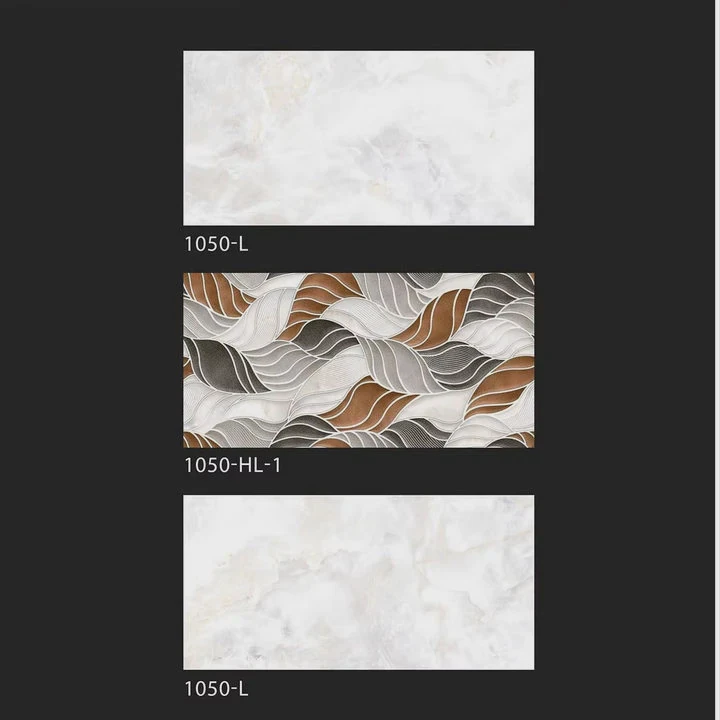
Many people want simple DIY projects that look stylish but do not cost much. Store-bought coasters often feel generic and lack personality.
Making tile coasters is easy with basic materials like ceramic tiles, sealers, and decorative elements. With the right steps, you can create durable, customized coasters for home or gifts.
This project is simple, but small details matter. The choice of materials, sealing methods, and design all affect the final result. Let’s break each part down clearly.
What materials are needed for tile coasters?
Starting a DIY project without the right materials can lead to frustration. Missing items can stop progress and affect quality.
Tile coasters require ceramic or porcelain tiles, adhesive materials, sealers, felt pads, and decorative elements like paper or paint. Each material plays a key role in durability and appearance.
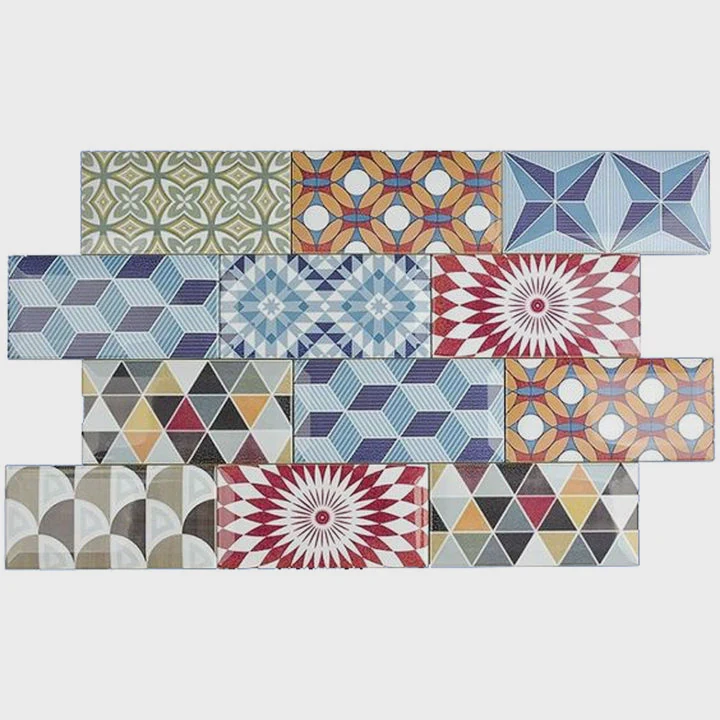
Choosing the right materials ensures the coasters last longer and look professional. Many beginners overlook small items, but each one has a clear purpose.
Core materials
These are the basic components needed to build the coaster.
- Ceramic or porcelain tiles (4x4 inches is common)
- Decorative paper, napkins, or photos
- Mod Podge or adhesive glue
- Clear sealant (spray or brush-on)
- Felt or cork pads
Optional tools
These tools make the process easier and cleaner.
- Foam brush or paintbrush
- Scissors or craft knife
- Sandpaper
- Ruler
Why material quality matters
Low-quality materials can lead to poor results. For example:
- Cheap tiles may absorb moisture
- Weak glue may peel over time
- Poor sealers may not protect against heat
Material function table
| Material | Purpose | Why It Matters |
|---|---|---|
| Tile Base | Structure of coaster | Provides strength and stability |
| Adhesive (Mod Podge) | Bonds design to tile | Prevents peeling |
| Sealant | Protects surface | Adds water and heat resistance |
| Felt Pads | Bottom protection | Prevents scratches |
| Decorative Layer | Visual design | Creates unique appearance |
A good setup makes the rest of the process smooth. When all materials are ready, the project becomes much more enjoyable and efficient.
How do you seal coasters for durability?
Unsealed coasters wear out quickly. Water stains, heat, and scratches can ruin the surface in a short time.
To seal tile coasters, apply multiple thin layers of a waterproof sealant, allowing each layer to dry fully. This creates a protective barrier against moisture, heat, and daily use.
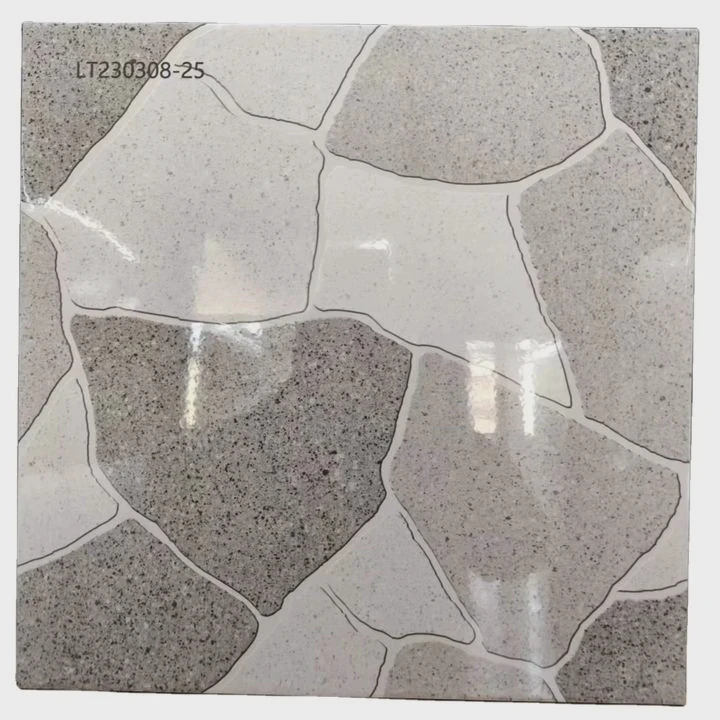
Sealing is one of the most important steps. It turns a simple craft into a long-lasting product.
Types of sealers
Different sealers provide different levels of protection.
- Acrylic spray sealers
- Polyurethane coatings
- Epoxy resin (for a glossy finish)
Each option has its own advantages.
Application steps
A consistent process improves durability.
- Apply a thin layer of sealer
- Let it dry completely
- Lightly sand if needed
- Apply additional layers (2-3 coats recommended)
Common mistakes
Many beginners rush this step.
- Applying thick coats (leads to bubbles)
- Not allowing drying time
- Skipping layers
Sealer comparison table
| Sealer Type | Finish | Durability Level | Ease of Use |
|---|---|---|---|
| Acrylic Spray | Matte/Gloss | Medium | Easy |
| Polyurethane | Gloss/Satin | High | Moderate |
| Epoxy Resin | High Gloss | Very High | Hard |
Extra protection tips
- Seal edges as well as the surface
- Work in a dust-free area
- Allow 24-72 hours curing time
Proper sealing ensures the coaster can handle daily use. This step should never be rushed.
Which tile types work best for coasters?
Not all tiles perform the same. Some absorb water, while others resist stains and heat better.
Porcelain and glazed ceramic tiles work best for coasters because they are dense, smooth, and resistant to moisture. Natural stone tiles can also be used but require extra sealing.
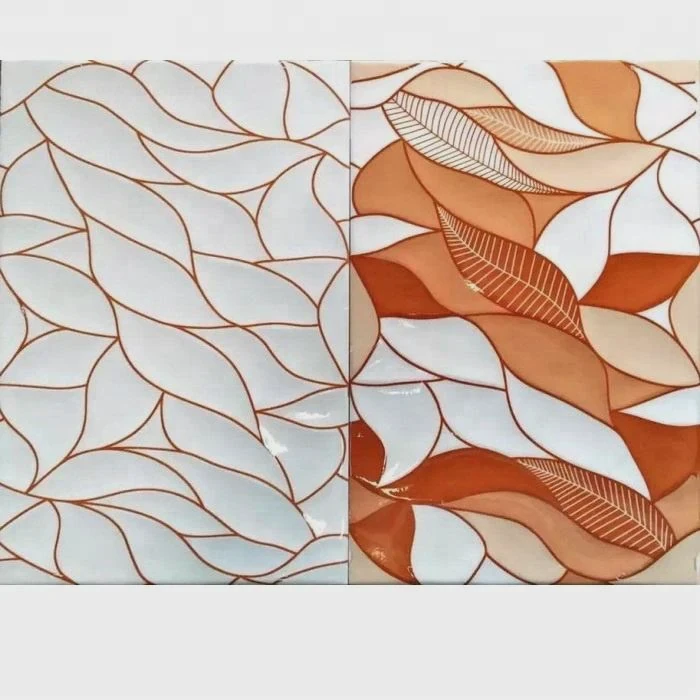
The tile type affects both durability and design possibilities.
Common tile options
- Ceramic tiles
- Porcelain tiles
- Natural stone (marble, slate)
- Glass tiles
Each type has its pros and cons.
Performance comparison
| Tile Type | Water Resistance | Durability | Design Flexibility |
|---|---|---|---|
| Ceramic | Medium | Medium | High |
| Porcelain | High | High | Medium |
| Natural Stone | Low | Medium | Unique textures |
| Glass | High | Fragile | Modern look |
Why porcelain stands out
Porcelain tiles are fired at higher temperatures. This makes them:
- Less porous
- More durable
- Better for long-term use
When to use natural stone
Natural stone adds a premium feel. But it needs extra care.
- Requires sealing before and after use
- Can stain easily without protection
Choosing the right tile
The choice depends on the goal:
- For durability → porcelain
- For creativity → ceramic
- For luxury → stone
Selecting the right tile improves both function and style.
Can designs be customized on tile surfaces?
Plain coasters can feel boring. Many people want something unique that reflects their style or brand.
Tile coasters can be customized using decoupage, painting, printing, or vinyl designs. These methods allow full creative control over colors, patterns, and images.
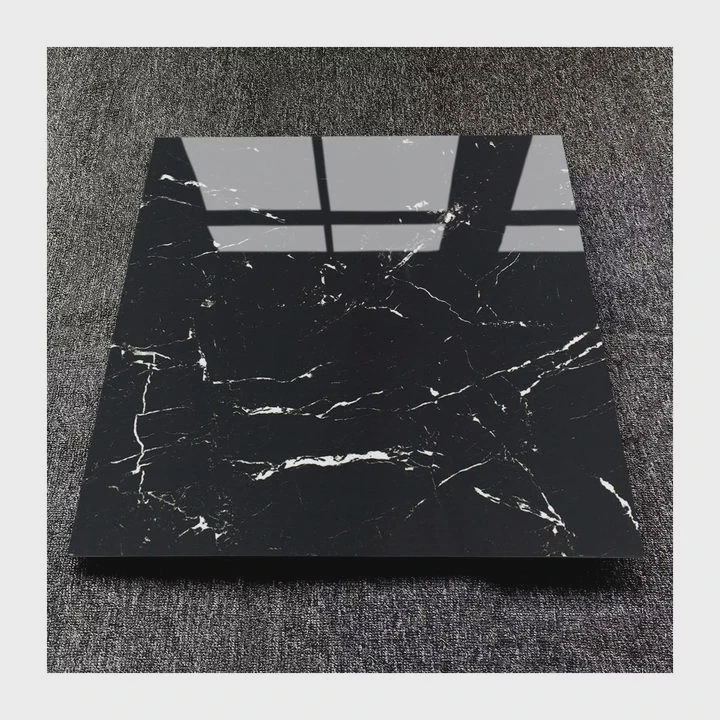
Customization is where this project becomes truly personal.
Popular design methods
- Decoupage (using printed paper or napkins)
- Hand painting
- Vinyl decals
- Photo transfer
Each method offers a different look.
Design process basics
- Choose a design theme
- Cut materials to tile size
- Apply adhesive evenly
- Smooth out bubbles
- Seal the surface
Creative ideas
- Family photos
- Geometric patterns
- Marble or wood-look effects
- Brand logos for business gifts
Tips for better results
- Use high-resolution images
- Align patterns carefully
- Test designs before final application
Balancing design and durability
Some designs look great but may not last long without proper sealing.
- Ink-based designs need strong sealers
- Raised textures may wear faster
- Smooth finishes last longer
Customization allows endless possibilities. With the right method, each coaster becomes a small piece of functional art.
Conclusion
Making tile coasters is simple but requires attention to materials, sealing, and design. With the right approach, it is easy to create durable and personalized coasters that combine function and style.