How to grout mosaic tile?
- Sinotiles
- 2026-04-07
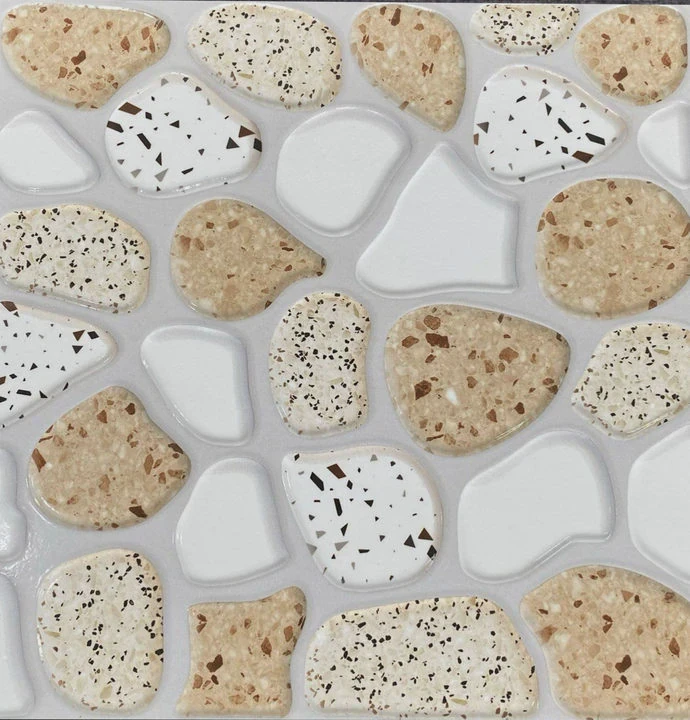
Uneven grout lines and messy finishes can ruin even the most beautiful mosaic tiles. Many people struggle with small tiles and tight joints, leading to poor results.
Grouting mosaic tile requires careful application, proper grout selection, and timely cleaning. With the right method, you can achieve smooth joints, strong bonding, and a clean, professional finish.
Mosaic tiles look simple, but they demand more precision than large tiles. Small gaps and detailed patterns make every step more sensitive. A clear process helps avoid common mistakes.
What steps are involved in grouting mosaic tiles?
Many installations fail because the grouting process is rushed or skipped steps. This leads to weak joints and uneven surfaces that affect both durability and appearance.
Grouting mosaic tiles involves surface preparation, mixing grout, applying it evenly, pressing it into joints, and cleaning excess before curing. Each step ensures strong bonding and a neat finish.
The process may look simple, but each step must be done with care. Mosaic tiles have many joints, so small mistakes repeat across the surface.
Surface Preparation
Before grouting, the tile surface must be ready.
- Ensure adhesive is fully cured
- Remove dust and debris
- Check joints for uniform depth
If the surface is not clean, grout will not bond well. This can lead to cracks or gaps later.
Mixing the Grout
Proper mixing affects consistency and workability.
- Follow manufacturer ratios
- Mix until smooth paste forms
- Let grout rest (slake time)
Too much water weakens grout. Too little makes it hard to spread.
Applying the Grout
Grout should be spread across the surface evenly.
- Use a rubber grout float
- Work diagonally across tiles
- Press grout firmly into joints
This ensures that every joint is filled completely.
Packing the Joints
Filling joints is not just about covering the surface.
- Apply pressure to push grout deep
- Repeat passes if needed
Empty spaces inside joints can cause future damage.
Initial Cleaning
After application, excess grout must be removed.
| Step | Timing |
|---|---|
| First wipe | 10-20 minutes |
| Final cleaning | 30-60 minutes |
Timing depends on temperature and humidity.
Curing
Grout needs time to harden.
- Avoid water exposure
- Do not walk on surface
- Allow 24-72 hours curing
Proper curing increases strength and durability.
Grouting mosaic tiles is about control and timing. Each step builds the foundation for a clean and lasting finish.
How do you apply grout evenly on small tiles?
Mosaic tiles create a challenge because of their size and density. Uneven grout can easily ruin the overall look.
To apply grout evenly on mosaic tiles, use a rubber float at an angle, apply consistent pressure, and work in small sections to ensure all joints are filled properly.
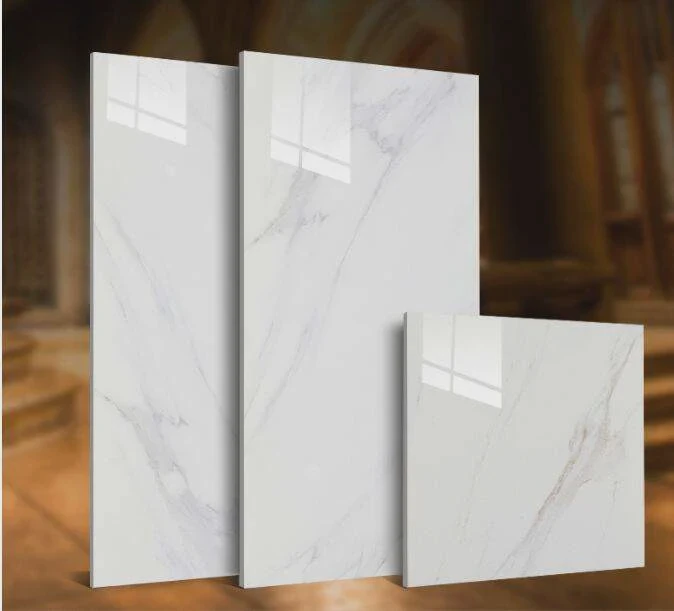
The key is consistency. Small tiles require more attention than large formats.
Use the Right Angle
The float angle controls how grout spreads.
- Hold at 45-degree angle
- Move diagonally across tiles
This helps push grout into joints instead of pulling it out.
Work in Small Sections
Large areas can dry too quickly.
- Divide surface into sections
- Finish one area before moving on
This improves control and prevents uneven drying.
Maintain Even Pressure
Pressure must be consistent across the surface.
- Avoid pressing too lightly
- Avoid over-scraping
Too much pressure removes grout from joints. Too little leaves gaps.
Double-Pass Technique
Apply grout more than once if needed.
- First pass fills joints
- Second pass ensures full coverage
This method is useful for dense mosaic patterns.
Check for Voids
Small gaps are common with mosaics.
| Issue | Cause | Fix |
|---|---|---|
| Hollow joints | Not enough pressure | Reapply grout |
| Uneven surface | Inconsistent spreading | Smooth with float |
| Pinholes | Air trapped in joints | Refill and press again |
Frequent inspection helps maintain quality.
Control Excess Grout
Too much grout on the surface creates cleaning issues.
- Remove excess early
- Keep float clean
A clean surface makes the next step easier.
Applying grout evenly is about rhythm and patience. Small adjustments during the process can greatly improve the final appearance.
Which grout types work best for mosaics?
Choosing the wrong grout can cause cracks, discoloration, or difficult application. Mosaic tiles require specific grout properties due to small joints.
Unsanded grout is best for most mosaic tiles with narrow joints, while epoxy grout offers higher durability and stain resistance for demanding environments.
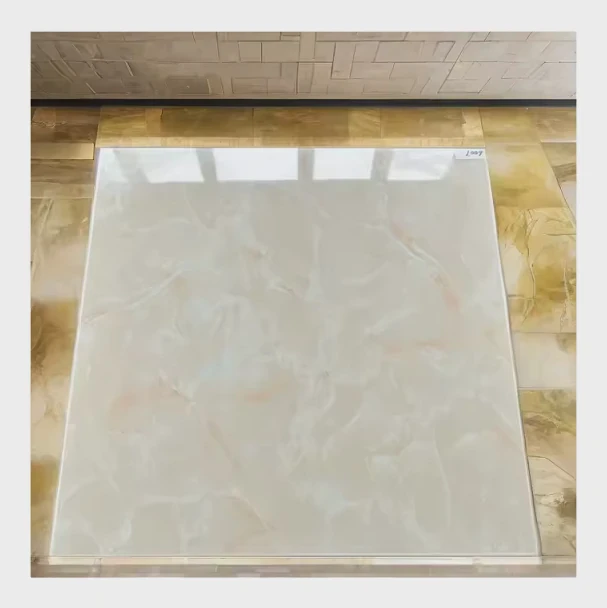
The type of grout affects both installation and long-term performance.
Unsanded Grout
This is the most common choice for mosaics.
- Smooth texture
- Ideal for joints under 1⁄8 inch
- Easy to apply
It works well with delicate tiles like glass mosaics.
Sanded Grout
This grout contains fine sand particles.
- Stronger than unsanded
- Suitable for wider joints
However, it may scratch polished or glass surfaces.
Epoxy Grout
A more advanced option.
- High stain resistance
- Waterproof properties
- Very durable
It is harder to apply and more expensive.
Comparison Table
| Grout Type | Best For | Pros | Cons |
|---|---|---|---|
| Unsanded | Small joints | Smooth, easy to use | Less durable |
| Sanded | Wider joints | Strong, stable | Can scratch surfaces |
| Epoxy | Wet areas, kitchens | Stain-resistant, durable | Harder to apply |
Choosing Based on Tile Type
Different tiles need different grout.
- Glass mosaics → unsanded grout
- Stone mosaics → may need sealing + unsanded
- Ceramic mosaics → flexible choice
Color Selection
Grout color affects the final look.
- Light grout highlights pattern
- Dark grout hides stains
Color choice should match design goals.
Selecting the right grout is not just technical. It also affects the visual result. A wrong choice can reduce both durability and aesthetics.
When should excess grout be cleaned off tiles?
Cleaning at the wrong time is one of the most common mistakes. It can either remove too much grout or leave a hard haze on the surface.
Excess grout should be cleaned 10 to 20 minutes after application, once it begins to firm up but before it fully hardens. Proper timing ensures clean tiles and full joints.
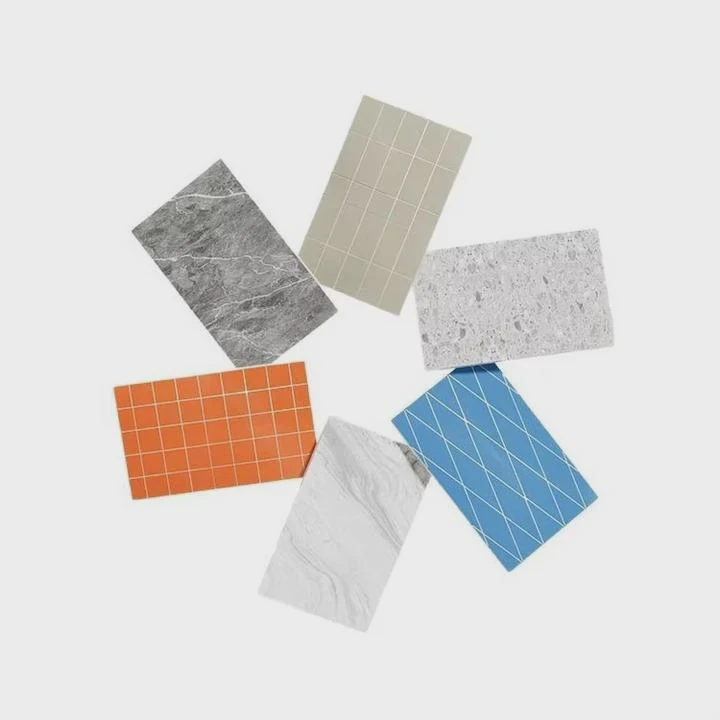
Timing is critical. Acting too early or too late both create problems.
Early Cleaning Risks
Cleaning too soon causes issues.
- Pulls grout out of joints
- Creates uneven gaps
Grout needs time to set slightly before wiping.
Late Cleaning Problems
Waiting too long creates another challenge.
- Grout haze becomes hard
- Requires extra effort to remove
In some cases, special cleaners are needed.
Proper Cleaning Method
Follow a structured approach.
- Use damp sponge (not wet)
- Wipe gently in circular motion
- Rinse sponge frequently
Too much water weakens grout structure.
Two-Step Cleaning Process
Cleaning should be done in stages.
| Step | Purpose |
|---|---|
| First wipe | Remove bulk residue |
| Second wipe | Smooth joints and clean |
This method ensures better results.
Final Buffing
After drying, a haze may remain.
- Use dry cloth or microfiber
- Buff surface gently
This restores tile shine.
Environmental Factors
Temperature and humidity affect timing.
- Hot weather → faster drying
- Cold weather → slower setting
Adjust cleaning time based on conditions.
Common Mistakes
- Using too much water
- Scrubbing too hard
- Ignoring haze
These mistakes reduce the final quality.
Cleaning grout is not just a finishing step. It directly affects how the entire installation looks. Proper timing and method ensure a clean, sharp result.
Conclusion
Grouting mosaic tile requires precision, patience, and correct timing. From preparation to cleaning, every step matters. With the right approach, you can achieve strong joints and a clean, professional finish that enhances the beauty of mosaic tiles.
- Pre: How to Charge a Tile?
- Next: how to make tile coasters?