How to Make Tile Less Slippery?
- Sinotiles
- 2026-06-22
Slippery tile can turn a safe space into a dangerous one. Many people only notice the problem after someone slips or falls.
The best ways to make tile less slippery include applying anti-slip treatments, using anti-slip coatings, choosing textured tile surfaces, and keeping tiles clean. These methods help improve traction and reduce the risk of accidents in homes and commercial spaces.
Many property owners face this issue in bathrooms, kitchens, pool areas, and commercial buildings. The good news is that several practical solutions can improve tile safety without replacing the entire floor. Understanding these options helps create a safer environment while keeping the appearance of the tile intact.
What Treatments Improve Tile Traction?
Tile floors often look beautiful, but appearance alone does not guarantee safety. Smooth surfaces can become very slippery when exposed to water, soap, dust, or grease.
Several treatments can improve tile traction, including anti-slip chemical treatments, acid etching solutions, traction-enhancing sealers, and abrasive surface applications. Each method increases friction and improves walking safety.
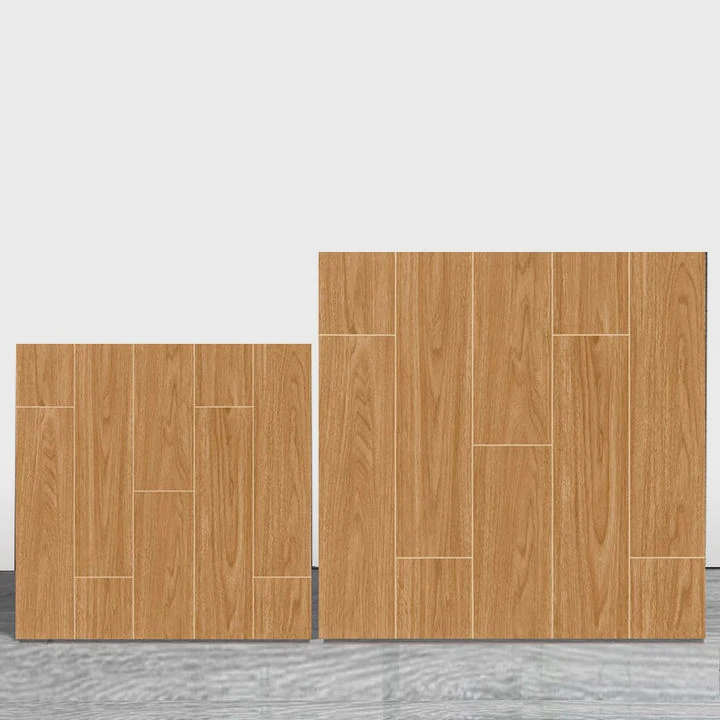
Many building owners first consider replacing slippery tiles. In many cases, replacement is not necessary. Surface treatments can often solve the problem at a lower cost.
Common Tile Traction Treatments
| Treatment Type | Main Purpose | Suitable Areas |
|---|---|---|
| Anti-slip chemical treatment | Increases surface grip | Bathrooms, kitchens |
| Acid etching treatment | Creates microscopic texture | Ceramic and porcelain tiles |
| Anti-slip sealer | Improves traction and protection | Indoor and outdoor floors |
| Abrasive additives | Adds physical texture | Commercial areas |
How Chemical Treatments Work
Many anti-slip treatments react with the tile surface. The process creates microscopic pores that are invisible to the eye. These tiny changes increase friction between footwear and the tile surface.
The appearance of the tile usually remains unchanged. This makes chemical treatments attractive for hotels, shopping centers, office buildings, and residential projects.
Advantages of Surface Treatments
Cost Savings
Tile replacement can be expensive. Surface treatment often costs much less than removing and installing new flooring.
Faster Installation
Most treatments can be completed within a short period. Businesses can reduce downtime and return to normal operations quickly.
Long-Term Safety
Many professional treatments provide lasting results when maintained properly.
Choosing the Right Treatment
The best treatment depends on several factors:
- Tile material
- Indoor or outdoor location
- Level of foot traffic
- Exposure to water
- Maintenance requirements
For example, pool decks may require stronger traction than living rooms. Commercial entrances may need more durable solutions than private bathrooms.
Many project managers test a small area before treating the entire floor. This approach helps verify performance and appearance before making a larger investment.
Understanding the floor’s actual conditions is important. A treatment that works well in a dry office may not provide enough traction around swimming pools or industrial kitchens. Careful evaluation helps ensure the chosen solution delivers the desired safety improvement without affecting the overall design of the space.
Can Anti-Slip Coatings Be Applied Easily?
Many people assume anti-slip coatings require complex equipment or professional installation. In reality, some products are designed for simple application.
Many anti-slip coatings can be applied easily using rollers, brushes, or spray systems. Some products are suitable for DIY use, while larger commercial projects often benefit from professional installation.
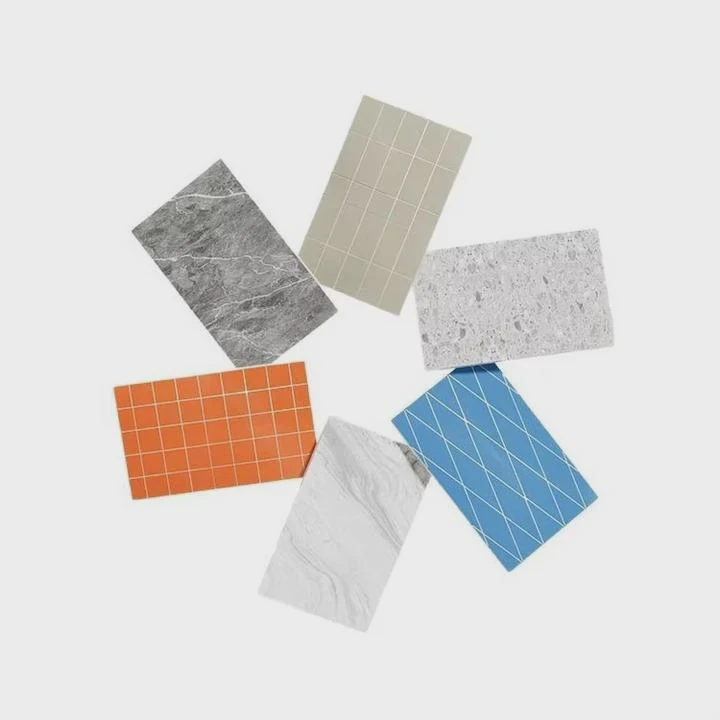
Anti-slip coatings are among the most popular solutions because they add traction without changing the tile itself.
Types of Anti-Slip Coatings
| Coating Type | Ease of Application | Typical Use |
|---|---|---|
| Clear anti-slip coating | Easy | Residential floors |
| Epoxy-based coating | Moderate | Commercial floors |
| Polyurethane coating | Moderate | High-traffic areas |
| Industrial-grade systems | Professional installation | Factories and public spaces |
Basic Application Process
The application process is usually straightforward.
Step 1: Clean the Surface
The tile must be completely clean. Dirt, grease, and soap residue can reduce adhesion.
Step 2: Prepare the Floor
Some coatings require light surface preparation. Manufacturers may recommend sanding or etching.
Step 3: Apply the Coating
The coating is spread evenly across the floor using a roller, brush, or sprayer.
Step 4: Allow Proper Drying
The coating must cure according to manufacturer guidelines before foot traffic resumes.
Benefits of Anti-Slip Coatings
Preserves Appearance
Many coatings are transparent. They improve safety while maintaining the original design.
Wide Compatibility
Coatings can often be applied to:
- Porcelain tiles
- Ceramic tiles
- Natural stone
- Concrete surfaces
Flexible Protection
Some products are suitable for both indoor and outdoor environments.
Factors That Affect Performance
Several factors influence coating effectiveness:
- Surface preparation quality
- Environmental conditions
- Application thickness
- Maintenance practices
Poor preparation is one of the most common reasons coatings fail prematurely.
Professional vs DIY Installation
Small residential bathrooms may be suitable for DIY application. Large commercial projects often require professional installers.
Professionals have specialized equipment and experience. They can ensure uniform coverage and consistent performance across large surfaces.
A well-applied anti-slip coating can significantly improve floor safety. However, the coating should be viewed as part of a complete safety strategy rather than the only solution. Proper cleaning, regular inspections, and good floor management remain important for long-term results.
Do Textured Tiles Reduce Slipping Risk?
Tile texture plays a major role in slip resistance. Surface design affects how much grip users experience while walking.
Yes, textured tiles generally reduce slipping risk because their uneven surfaces create more friction and improve foot traction, especially in wet conditions.
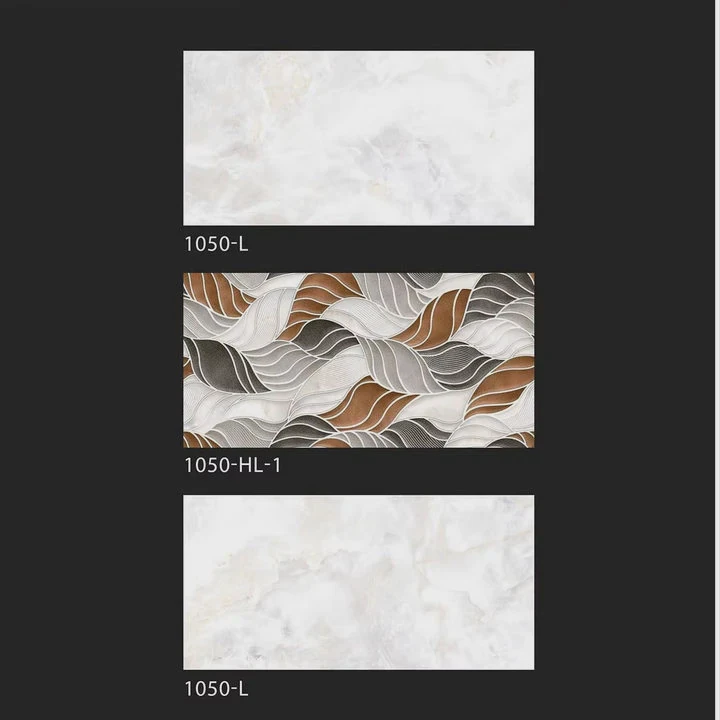
Many modern tile manufacturers offer products specifically designed for safety-sensitive environments.
Why Texture Matters
Smooth surfaces provide limited resistance when water creates a thin film between footwear and the floor.
Textured surfaces break this film and create additional contact points. This improves grip and reduces the likelihood of slipping.
Common Textured Tile Types
Structured Porcelain Tiles
These tiles feature engineered surface patterns that improve traction.
Stone-Look Textured Tiles
Many stone-look products replicate the roughness found in natural materials.
Outdoor Safety Tiles
These products are designed for patios, pool decks, and walkways.
Comparing Surface Types
| Tile Surface | Slip Resistance | Typical Application |
|---|---|---|
| Polished tile | Low | Decorative indoor areas |
| Matte tile | Moderate | Residential interiors |
| Textured tile | High | Wet areas and outdoors |
| Heavy-grip safety tile | Very high | Commercial and industrial zones |
Where Textured Tiles Work Best
Textured surfaces are especially useful in:
- Bathrooms
- Pool surrounds
- Commercial entrances
- Outdoor terraces
- Restaurant kitchens
These locations frequently encounter moisture and increased slip hazards.
Design and Safety Balance
Many buyers worry that textured tiles may look less attractive. Modern manufacturing has changed this perception.
Today’s textured porcelain tiles combine:
- Attractive designs
- Realistic stone effects
- Modern aesthetics
- Improved safety
This balance allows architects and designers to achieve both appearance and functionality.
Understanding Slip Ratings
Many countries use slip-resistance ratings to evaluate tile performance.
Manufacturers may provide ratings that indicate how well a tile performs under specific conditions.
When selecting tiles for projects, it is helpful to review:
- Slip resistance ratings
- Water absorption levels
- Intended applications
- Maintenance requirements
Long-Term Performance
Textured tiles often maintain their slip resistance longer than temporary surface treatments. Since the texture is built into the product itself, normal wear does not easily remove the safety features.
This makes textured porcelain tile a popular choice for commercial developers, hospitality projects, and homeowners who want a long-term solution.
Choosing the correct tile surface at the beginning of a project often reduces future safety concerns and maintenance costs. It also helps create spaces that remain safe even when exposed to water and daily use.
Is Regular Cleaning Important for Safety?
Many people focus on coatings and tile selection while overlooking one of the most important safety measures: cleaning.
Regular cleaning is essential for tile safety because dirt, grease, soap residue, and contaminants can significantly reduce traction and increase slipping risk.
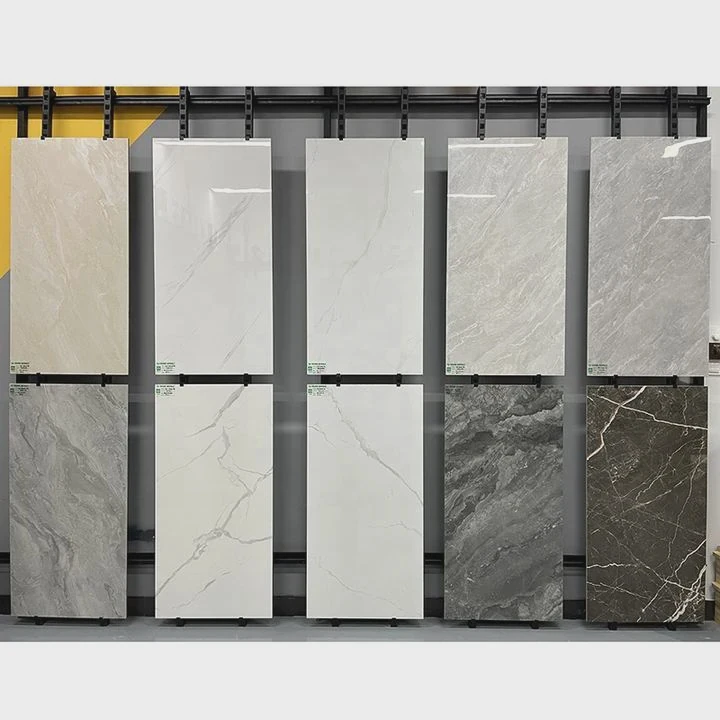
Even highly slip-resistant tiles can become dangerous when contaminants accumulate on the surface.
How Dirt Affects Traction
Dust and debris can create a layer between shoes and the floor.
Grease and oils often create even greater hazards. In kitchens and commercial facilities, small amounts of grease can dramatically increase slip risk.
Common Slip-Causing Contaminants
Soap Residue
Bathrooms frequently develop slippery soap films.
Hard Water Deposits
Mineral buildup can create smooth, slick surfaces.
Grease and Oil
Restaurants and food preparation areas face this challenge regularly.
Dust and Fine Dirt
Even dry contaminants can reduce grip under certain conditions.
Recommended Cleaning Practices
| Area Type | Recommended Cleaning Frequency |
|---|---|
| Residential bathroom | Several times per week |
| Kitchen floor | Daily or as needed |
| Commercial entrance | Daily |
| Pool deck | Frequent inspection and cleaning |
| Restaurant kitchen | Multiple times per day |
Best Cleaning Methods
Use Appropriate Cleaners
Not all cleaning products are suitable for every tile type.
Always verify compatibility with:
- Ceramic tile
- Porcelain tile
- Natural stone
- Specialty surfaces
Remove Residue Completely
Some cleaners leave a film behind. This residue can reduce slip resistance.
Inspect High-Risk Areas
Regular inspections help identify developing hazards before accidents occur.
Cleaning and Anti-Slip Treatments
Cleaning also protects investments in safety treatments.
Many anti-slip coatings and traction treatments perform best when surfaces remain clean. Dirt buildup can reduce effectiveness over time.
Creating a Safety Program
Property managers often achieve the best results through a structured maintenance plan.
A basic safety program may include:
- Scheduled cleaning
- Slip hazard inspections
- Immediate spill response
- Staff training
- Periodic traction testing
The Human Factor
Many slip accidents occur not because the flooring is defective, but because maintenance practices are inconsistent.
A clean floor performs closer to its intended safety level. A neglected floor often becomes hazardous regardless of its original slip-resistance rating.
Regular cleaning is one of the simplest and most affordable ways to improve tile safety. While advanced treatments and textured surfaces play important roles, ongoing maintenance remains a key factor in preventing slips and falls in both residential and commercial environments.
Conclusion
Making tile less slippery usually requires a combination of solutions. Anti-slip treatments, protective coatings, textured tile surfaces, and regular cleaning all help improve traction. When these methods work together, tile floors become safer, more durable, and better suited for daily use.
- Pre: How Do I Make My Tile Floor Shine?
- Next: Sorry!