How to Paint Ceramic Tile Floor?
- Sinotiles
- 2026-07-09
Many homeowners want to refresh old ceramic tile floors without the cost and disruption of a full replacement. Yet painting tile incorrectly can lead to peeling, chipping, and disappointing results.
Painting a ceramic tile floor requires thorough cleaning, proper surface preparation, high-adhesion primer, durable floor paint, and a protective sealer. When each step is completed correctly, painted tile floors can achieve an attractive and long-lasting finish.
Replacing a tile floor can be expensive and time-consuming. Painting offers a more affordable alternative for homeowners who want to update the appearance of a room. Understanding the preparation process, paint selection, and sealing methods can help achieve professional-looking results.
What Preparation Is Required Before Painting?
Many tile painting projects fail before the first coat of paint is applied. Dirt, grease, moisture, and surface damage can prevent paint from bonding properly.
Before painting ceramic tile floors, the surface must be cleaned, repaired, degreased, sanded, and completely dried. Proper preparation creates a stable surface that allows primer and paint to adhere effectively.
Preparation is often the most important stage of the entire project. Skipping or rushing these steps can significantly reduce the lifespan of the painted finish.
Deep Cleaning the Tile Surface
Ceramic tiles often collect years of dirt, soap residue, wax, and grease.
Before painting, the floor should be cleaned using:
- Heavy-duty tile cleaner
- Degreasing solution
- Warm water
- Scrub brushes
Any contaminants left behind can interfere with paint adhesion.
Removing Existing Coatings
Some tile floors have protective coatings or polish layers.
These coatings may include:
- Floor wax
- Sealers
- Polishing compounds
- Cleaning residues
Removing these layers helps expose the actual tile surface.
Inspecting for Damage
Damaged tiles should be repaired before painting begins.
Common issues include:
| Problem | Recommended Action |
|---|---|
| Cracked Tiles | Repair or replace |
| Loose Tiles | Reinstall securely |
| Missing Grout | Re-grout affected areas |
| Chipped Corners | Fill with repair compound |
| Water Damage | Fix moisture source |
Ignoring structural issues can reduce the durability of the finished floor.
Sanding the Surface
Ceramic tile naturally has a smooth and often glossy finish.
Light sanding helps:
- Reduce surface gloss
- Increase texture
- Improve primer bonding
- Create better paint adhesion
A fine-grit sandpaper is usually sufficient for this step.
Cleaning After Sanding
Dust removal is critical.
After sanding:
- Vacuum thoroughly.
- Wipe with a damp cloth.
- Allow the floor to dry.
- Remove remaining dust particles.
Even small amounts of dust can affect paint performance.
Protecting Adjacent Areas
Preparation should also include protecting nearby surfaces.
Common protective measures include:
- Painter’s tape
- Plastic sheeting
- Drop cloths
- Edge masking
This helps create clean lines and simplifies cleanup.
Moisture Testing
Moisture can cause paint failure.
Before painting, ensure:
- The floor is completely dry.
- There are no active leaks.
- Humidity levels are acceptable.
- Grout lines are fully cured.
From many renovation projects I have observed, proper preparation often determines whether a painted tile floor lasts for several months or several years. Spending extra time on cleaning, repairs, and sanding usually produces far better long-term results than rushing directly into painting.
How Can Paint Adhere to Smooth Surfaces?
One of the biggest challenges when painting ceramic tile is overcoming its smooth and non-porous surface. Standard paint often struggles to bond directly to glazed tile.
Paint adheres to smooth ceramic tile surfaces through a combination of sanding, specialized primers, chemical bonding agents, and proper application techniques that create a stronger connection between the paint and tile.
Ceramic tile is designed to resist moisture and stains. Ironically, those same qualities make it difficult for paint to stick effectively.
Understanding the Challenge
Most ceramic tiles have a glazed finish.
This glaze provides:
- Water resistance
- Easy cleaning
- Stain resistance
- Smooth texture
However, it also reduces the natural grip available to paint coatings.
Mechanical Adhesion
Mechanical adhesion occurs when paint grips small surface imperfections.
Light sanding creates:
- Microscopic scratches
- Increased texture
- Improved surface profile
- Better primer anchoring
This process helps paint establish a stronger bond.
The Role of Bonding Primers
A bonding primer serves as a bridge between the tile and the paint.
Benefits include:
- Improved adhesion
- Reduced peeling risk
- Better paint coverage
- Enhanced durability
Many professionals consider primer essential when painting ceramic tile floors.
Types of Primers Commonly Used
| Primer Type | Key Benefit |
|---|---|
| Bonding Primer | Strong adhesion |
| Epoxy Primer | Excellent durability |
| Urethane Primer | Chemical resistance |
| Acrylic Bonding Primer | Easy application |
| Specialty Tile Primer | Designed for glazed surfaces |
The choice depends on project requirements and paint type.
Proper Application Techniques
Application quality affects adhesion performance.
Best practices include:
- Thin, even coats
- Adequate drying time
- Proper temperature conditions
- Manufacturer guideline compliance
Rushing between coats can weaken the bond.
Environmental Factors
Several environmental conditions influence paint adhesion.
These include:
- Temperature
- Humidity
- Air circulation
- Surface cleanliness
Ideal conditions help coatings cure properly.
Why Multiple Layers Matter
Successful tile painting systems often involve several layers.
Typical sequence:
- Surface preparation
- Bonding primer
- First paint coat
- Second paint coat
- Protective sealer
Each layer contributes to overall durability.
The smooth appearance of ceramic tile may seem like an obstacle, but modern primers and coating systems have made tile painting much more reliable than in the past. Proper preparation and adhesion techniques allow paint to form a durable bond that can withstand everyday foot traffic and cleaning.
Why Is Sealing Paint Important Afterward?
Many homeowners focus on selecting the right paint but overlook the importance of sealing. Without protection, even high-quality paint can wear down quickly.
Sealing painted ceramic tile floors protects the paint from scratches, moisture, stains, abrasion, and daily foot traffic. A quality sealer extends the lifespan of the painted surface and helps maintain its appearance.
A painted tile floor faces much harsher conditions than painted walls. Constant use requires an additional protective layer.
Protection Against Wear
Foot traffic gradually damages exposed paint surfaces.
Common sources of wear include:
- Shoes
- Furniture movement
- Pet activity
- Dirt particles
- Cleaning equipment
A protective sealer acts as a shield against these stresses.
Moisture Resistance
Bathrooms, kitchens, and laundry rooms often experience moisture exposure.
Without sealing, water may:
- Penetrate the paint layer
- Cause peeling
- Trigger bubbling
- Reduce coating lifespan
Sealers help reduce these risks.
Stain Prevention
Daily household activities can expose floors to:
- Food spills
- Cleaning chemicals
- Oils
- Dirt
- Colored liquids
A sealed surface is generally easier to clean and maintain.
Types of Protective Sealers
Several options are available.
| Sealer Type | Characteristics |
|---|---|
| Polyurethane | High durability |
| Water-Based Polyurethane | Low odor |
| Epoxy Sealer | Excellent protection |
| Acrylic Sealer | Easy application |
| Urethane Sealer | Strong abrasion resistance |
The choice depends on expected traffic levels and environmental conditions.
Improved Appearance
Sealers can also enhance visual appeal.
Depending on the product, finishes may be:
- Matte
- Satin
- Semi-gloss
- High gloss
The selected finish affects the final appearance of the floor.
Easier Maintenance
A sealed floor often requires less effort to maintain.
Benefits include:
- Faster cleaning
- Better stain resistance
- Reduced dirt buildup
- Improved durability
This can be especially valuable in busy households.
Long-Term Cost Savings
Although sealing adds an extra step, it can reduce future maintenance costs.
Without a sealer, homeowners may face:
- Frequent touch-ups
- Repainting
- Surface repairs
- Premature coating failure
A quality sealer helps maximize the value of the entire painting project.
Many successful tile painting projects owe their longevity to the protective layer applied at the end. The sealer not only protects the paint but also helps preserve the appearance that homeowners worked hard to achieve. In many cases, sealing is just as important as the paint itself.
Which Paints Are Suitable for Tile Floors?
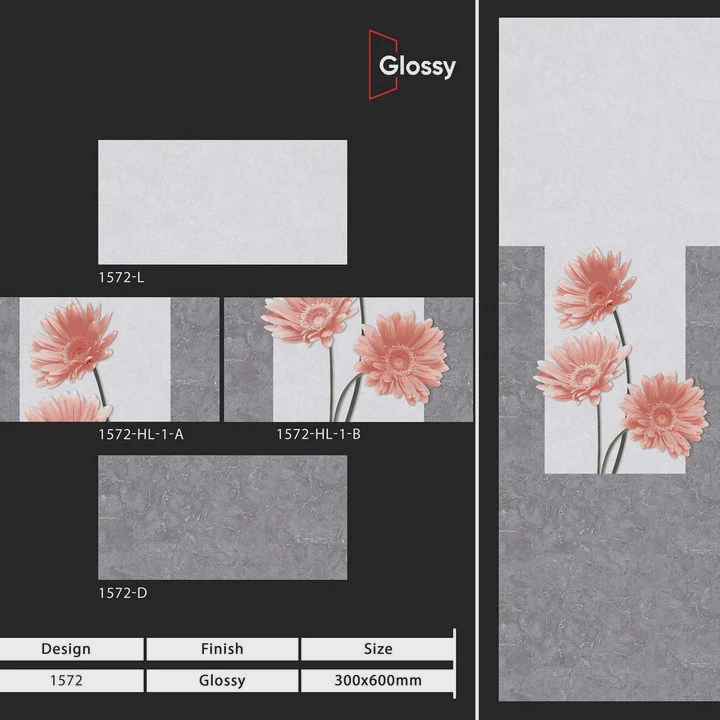
Not all paints can withstand the demands of a ceramic tile floor. Choosing the wrong product often results in chipping, peeling, and rapid wear.
The best paints for ceramic tile floors are epoxy paints, urethane-based coatings, specialized tile paints, and high-quality floor paints designed for high-traffic surfaces. These products provide better adhesion and durability than standard wall paints.
Paint selection directly affects the lifespan and appearance of the finished floor.
Why Standard Wall Paint Is Not Suitable
Wall paint is formulated for vertical surfaces with limited physical contact.
Tile floors experience:
- Constant foot traffic
- Abrasion
- Moisture exposure
- Impact stress
These conditions exceed the capabilities of ordinary wall coatings.
Epoxy Paint Systems
Epoxy paints are among the most durable options.
Advantages include:
- Strong adhesion
- Chemical resistance
- Moisture protection
- Long lifespan
They are often used in garages, workshops, and commercial spaces.
Acrylic Floor Paints
Modern acrylic floor paints offer several benefits.
These include:
- Easier application
- Faster drying
- Lower odor
- Good color retention
Many homeowners choose acrylic systems for residential projects.
Urethane-Based Coatings
Urethane products are known for their flexibility and durability.
Benefits include:
- Excellent wear resistance
- Scratch protection
- Long-term performance
- Strong surface protection
These coatings are commonly used in demanding environments.
Comparing Common Paint Options
| Paint Type | Durability | Ease of Use | Moisture Resistance |
|---|---|---|---|
| Standard Wall Paint | Low | High | Low |
| Acrylic Floor Paint | Moderate | High | Moderate |
| Tile-Specific Paint | Good | Moderate | Good |
| Epoxy Paint | Excellent | Moderate | Excellent |
| Urethane Coating | Excellent | Moderate | Excellent |
Color and Finish Considerations
Paint selection also affects aesthetics.
Popular choices include:
- White
- Light gray
- Charcoal
- Beige
- Soft blue
Finish options may range from matte to gloss.
Matching Paint to Room Type
Different rooms place different demands on coatings.
Examples include:
| Room | Recommended Paint |
|---|---|
| Bathroom | Epoxy or Tile Paint |
| Kitchen | Epoxy or Urethane |
| Laundry Room | Acrylic Floor Paint |
| Entryway | Urethane Coating |
| Basement | Epoxy System |
Choosing the correct product helps maximize performance.
Following Manufacturer Guidelines
Every paint system has specific instructions.
Important considerations include:
- Primer compatibility
- Drying times
- Recoat intervals
- Sealer recommendations
- Temperature requirements
Following these instructions helps ensure optimal results.
A successful painted ceramic tile floor depends heavily on selecting the right coating system. High-quality floor paints, combined with proper preparation and sealing, provide the durability needed for daily use while giving old tile surfaces a fresh and updated appearance.
Conclusion
Painting a ceramic tile floor requires careful preparation, strong adhesion methods, durable paint selection, and a protective sealer. When these steps are followed correctly, homeowners can transform outdated tile surfaces into attractive, long-lasting floors without the expense of complete replacement.