How to paint on ceramic tile?
- Sinotiles
- 2026-07-27
Old ceramic tiles can make a room feel outdated. Many people think tile replacement is the only way to create a new look, but this process can be expensive and time-consuming.
You can paint ceramic tile by preparing the surface, choosing the right tile paint, applying thin coats, and adding a protective sealer. A careful painting process can refresh ceramic surfaces without full replacement.
I often see homeowners focus only on the paint color. However, the success of a ceramic tile painting project depends more on preparation and product choice. A painted tile surface can look attractive when the correct steps are followed.
What preparation is needed before painting ceramic tile?
Painting ceramic tile is not like painting a normal wall. Ceramic surfaces are smooth and hard, so paint needs extra support to create a strong bond.
Before painting ceramic tile, you need to clean the surface, repair damage, remove grease, create better adhesion, and apply a suitable primer. Good preparation helps paint stay on the tile longer.
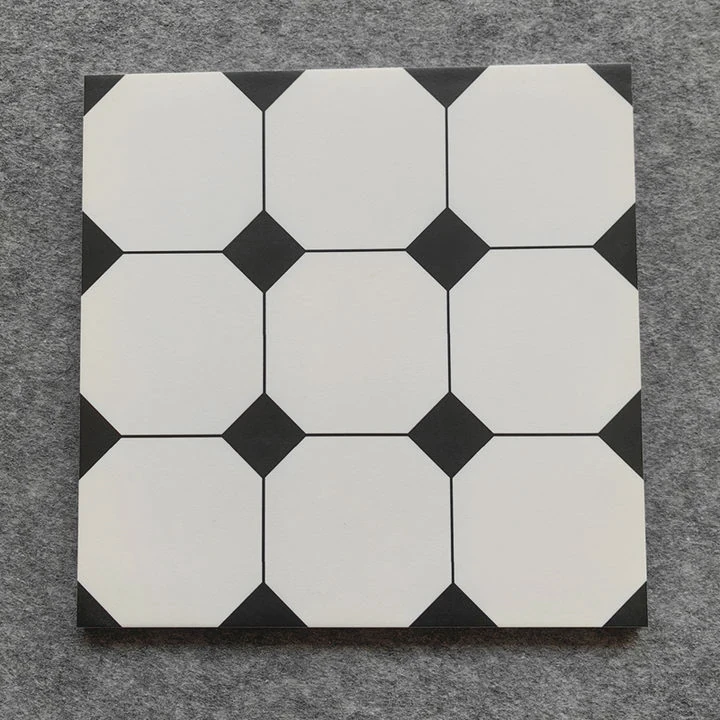
When I prepare ceramic tile for painting, I always treat the surface condition as the most important factor. A beautiful paint color cannot fix a dirty or damaged tile base.
Clean the ceramic tile completely
Ceramic tiles often collect dust, oil, soap residue, and cleaning product buildup. These materials can prevent paint from attaching properly.
Kitchen tiles usually have grease from cooking. Bathroom tiles often have soap and mineral deposits. Both situations require deep cleaning before painting.
A clean surface allows primer and paint to contact the tile directly. Without this step, the paint may peel quickly.
Repair cracks and damaged areas
Before painting, I check the tile condition carefully. Cracks, broken edges, and damaged grout lines can affect the final appearance.
Small cracks can be repaired with suitable filler. Loose tiles should be fixed before painting because movement can damage the new coating.
Create a better surface for paint
Most ceramic tiles have a smooth glazed layer. This layer protects the tile but makes painting more difficult.
Light sanding can reduce the smooth feeling and help primer attach better. The goal is not to remove the tile surface. The goal is to create better bonding conditions.
Use primer before painting
Primer creates a connection between ceramic tile and paint. It helps the top coat stay stable and improves the final appearance.
| Preparation step | Purpose | Benefit |
|---|---|---|
| Deep cleaning | Removes grease and dirt | Better paint adhesion |
| Tile repair | Fixes cracks and damage | Smoother final result |
| Light sanding | Improves surface grip | Stronger paint bond |
| Primer application | Creates a base layer | Longer paint life |
Why preparation affects the final result
Many painting failures happen because people start painting too early. The surface may look clean but still contain invisible residue.
I believe patience during preparation creates better results than buying expensive paint. A simple paint product can perform well on a properly prepared ceramic surface.
Which paint works best on ceramic tile surfaces?
Choosing the correct paint is one of the most important parts of the project. Regular wall paint usually cannot handle the smooth and hard surface of ceramic tile.
The best paints for ceramic tile are epoxy paint, urethane-based paint, and specialized tile paint because they provide better adhesion, durability, and moisture resistance.
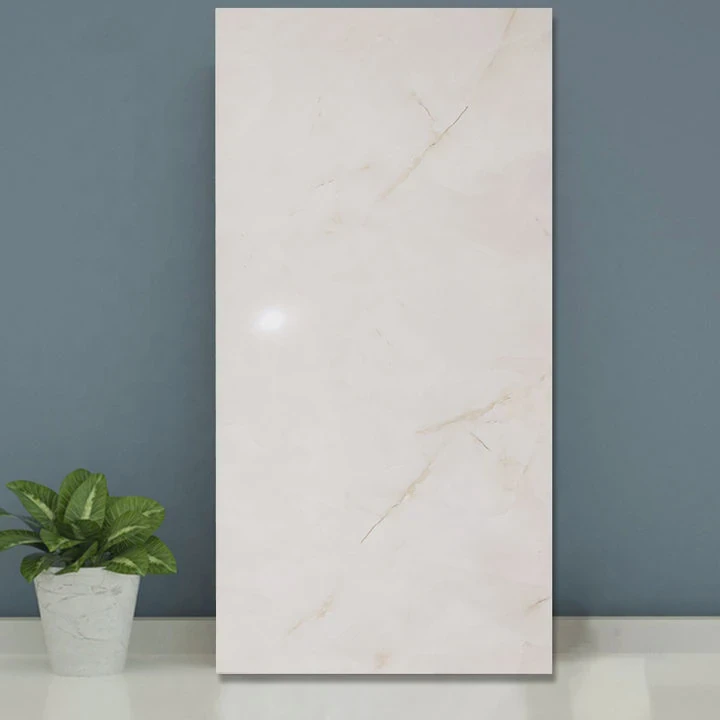
When selecting paint, I consider where the ceramic tile is located. A bathroom wall, kitchen backsplash, and floor tile all face different levels of stress.
Epoxy paint for ceramic tile
Epoxy paint is a popular choice because it creates a strong and durable coating. It can handle moisture and frequent cleaning better than many standard paints.
This type of paint works well for areas that need stronger protection. However, it usually requires careful application because mistakes can affect the finish.
Urethane-based paint
Urethane paint provides good durability and a smooth appearance. It is often used when homeowners want a balance between appearance and performance.
This option can work well for decorative ceramic surfaces and areas with regular use.
Specialized tile paint
Some products are designed specifically for ceramic and porcelain surfaces. These paints are easier for many DIY projects because they are made for tile conditions.
However, product quality varies. Checking the recommended surface and usage area is important before buying.
Paint selection based on location
| Tile location | Recommended paint type | Main concern |
|---|---|---|
| Bathroom wall | Tile paint or epoxy paint | Moisture resistance |
| Kitchen backsplash | Epoxy or urethane paint | Heat and stains |
| Decorative ceramic items | Specialized tile paint | Appearance |
| Light-use tile areas | Quality tile coating | General durability |
Why ordinary paint often fails
Wall paint is designed for porous surfaces such as drywall. Ceramic tile has a much less absorbent surface.
When ordinary paint is applied directly, it may not create a strong bond. The surface can scratch, peel, or lose color faster.
Apply paint in thin layers
A common mistake is applying one thick coat. Thick paint layers can create uneven texture and longer drying times.
I prefer applying several thin coats. This method usually creates a smoother finish and better coverage.
Each coat needs enough drying time before the next application. Rushing this step can weaken the final result.
How do you seal painted ceramic tiles properly?
A protective sealer helps painted ceramic tiles handle daily use. Without a proper seal, the paint surface may wear faster.
To seal painted ceramic tiles properly, allow the paint to fully cure, choose a compatible clear sealer, apply thin coats, and avoid heavy use until the surface is completely hardened.
Sealing is especially important for ceramic tiles in kitchens and bathrooms. These areas experience moisture, cleaning, and regular contact.
Allow enough curing time
Drying and curing are different. Paint may feel dry after several hours, but it may still be soft underneath.
Applying sealer too early can trap moisture and reduce coating strength. Waiting according to the product instructions helps create better protection.
Choose the right sealer
Not every clear coating works with every paint. The sealer must match the paint type and the tile location.
A bathroom floor needs stronger protection than a decorative ceramic wall. The expected use should guide the product choice.
Apply sealer correctly
A good sealing process usually includes:
- Cleaning the painted surface.
- Checking that the paint is fully cured.
- Applying a thin and even sealer layer.
- Allowing proper drying time.
- Adding another layer if needed.
| Sealing step | Why it matters |
|---|---|
| Wait for full curing | Prevents weak coating |
| Use compatible sealer | Avoids chemical problems |
| Apply thin layers | Creates even protection |
| Follow drying time | Improves durability |
Avoid common sealing mistakes
One common mistake is applying too much sealer. A thick layer may create cloudy areas or uneven texture.
Another mistake is using the tile too soon. Walking, washing, or placing heavy objects on the surface before curing can damage the finish.
Maintenance after sealing
A sealed ceramic tile surface still needs proper care. Strong cleaners and rough tools can damage the coating.
I recommend using mild cleaners and soft cloths or mops. Gentle maintenance helps protect the painted surface.
Can painted ceramic tile withstand moisture and wear?
Many homeowners wonder if painted ceramic tile can handle daily life. The answer depends on the location, paint quality, preparation, and sealing process.
Painted ceramic tile can withstand moisture and normal wear when the correct products and methods are used, but it may not perform like factory-finished tile in heavy-use areas.
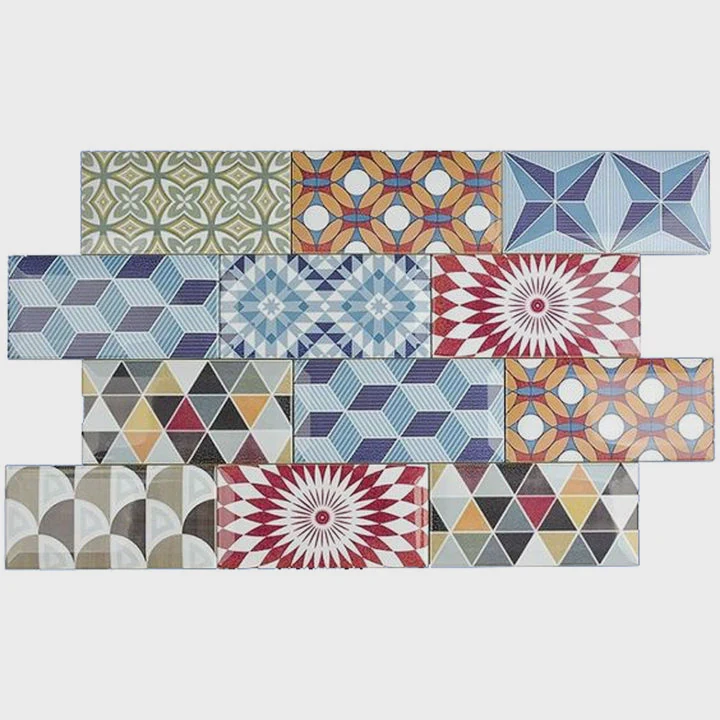
I always consider the purpose of the tile before recommending painting. A painted backsplash and a painted bathroom floor face very different challenges.
Moisture resistance
Painted ceramic tiles can handle moisture when they have proper coating protection. This makes them suitable for many walls and backsplash applications.
However, constant water exposure can create problems if the coating is weak. Shower floors and wet areas require extra attention.
Resistance to scratches and impact
Ceramic tile itself is strong, but painted surfaces depend on the coating. Sharp objects, heavy impacts, and rough cleaning tools can damage the finish.
For areas with high traffic, professional-grade coatings usually provide better performance.
Best areas for painted ceramic tile
| Area | Painting suitability | Reason |
|---|---|---|
| Kitchen backsplash | High | Less physical contact |
| Bathroom wall | High | Moderate moisture exposure |
| Decorative tile | High | Low wear |
| Bathroom floor | Medium to low | Frequent water and foot traffic |
| Entry floor | Low | Heavy wear |
How to extend the life of painted tile
A painted ceramic tile surface can last longer with good habits:
- Clean with mild products.
- Avoid abrasive scrubbers.
- Repair small damage early.
- Keep moisture controlled.
- Follow maintenance recommendations.
Understanding realistic expectations
Painting ceramic tile is a practical renovation method, but it is not the same as installing new tile. The final result depends on many details.
A careful process can create a fresh appearance and extend the useful life of existing ceramic surfaces. However, areas with extreme wear may still need replacement in the future.
Conclusion
Painting ceramic tile requires good preparation, suitable paint, and proper sealing. When the process is done carefully, painted tiles can create a fresh look and provide reliable performance.
- Pre: Do It Yourself Tile Removal?
- Next: Sorry!