How to Remove Dried Grout from Tile?
- Sinotiles
- 2026-06-10

Dried grout on tile can make a finished project look messy and unfinished. Many people worry about damaging the tile while trying to remove stubborn grout residue.
Dried grout can be removed using plastic scrapers, grout removal tools, vinegar solutions, and gentle cleaning methods. The best approach depends on the grout thickness, tile type, and how long the grout has been hardened.
Fresh grout is much easier to clean than cured grout. Once grout hardens, removal requires patience, the right tools, and an understanding of how different tile surfaces react to cleaning methods. A careful process helps restore the tile’s appearance without causing unnecessary damage.
What Tools Remove Hardened Grout Effectively?
Removing hardened grout without the proper tools can be frustrating. Using the wrong tool often makes the job harder and increases the risk of damaging the tile surface.
Plastic scrapers, grout removal tools, nylon pads, utility knives, and specialized grout haze removers are among the most effective tools for removing hardened grout from tile.

The right tool depends on the amount of grout residue and the type of tile involved. Some situations require light cleaning, while others involve thick grout buildup that has cured for several days or even weeks.
Common Tools for Grout Removal
Several tools are widely used by installers and maintenance professionals.
| Tool | Best Use |
|---|---|
| Plastic scraper | Light grout residue |
| Nylon scrub pad | Surface haze removal |
| Grout saw | Thick grout buildup |
| Utility knife | Edge cleaning |
| Rubber float edge | Soft residue removal |
| Sponge | Final cleaning |
| Grout haze remover | Cement haze treatment |
Each tool serves a different purpose. Selecting the correct one helps speed up the process while protecting the tile.
Plastic Scrapers for Surface Deposits
Plastic scrapers are often the safest starting point.
Benefits include:
- Low risk of scratching
- Easy to control
- Suitable for most tile types
- Effective on raised grout spots
I usually begin with a plastic scraper before moving to more aggressive methods.
Nylon Pads for Grout Haze
After grout installation, a thin film often remains on the tile surface.
Nylon pads help:
- Break down surface haze
- Remove light residue
- Polish tile surfaces
Unlike metal pads, nylon abrasives are less likely to damage the finish.
Grout Removal Tools for Thick Buildup
Sometimes grout accumulates heavily around joints or tile edges.
In these cases:
- Grout saws
- Carbide grout tools
- Specialty grout scrapers
can help remove excess material.
However, these tools require careful handling.
Power Tools for Large Projects
For commercial projects or extensive renovation work, professionals may use:
- Oscillating multi-tools
- Rotary grout removers
- Electric scrapers
These tools save time but require experience.
Start With the Least Aggressive Option
A simple rule has always worked well during tile maintenance projects:
- Start with the gentlest tool.
- Test a small area.
- Increase strength only if needed.
- Protect the tile at every stage.
This approach reduces the risk of accidental damage and often solves the problem without aggressive scraping.
How Can Vinegar Help Dissolve Grout Residue?
Many homeowners look for a simple household solution before purchasing specialty cleaners. Vinegar is often recommended, but it must be used correctly.
Vinegar helps dissolve cement-based grout residue by breaking down mineral deposits and loosening grout haze, making it easier to wipe away from tile surfaces.
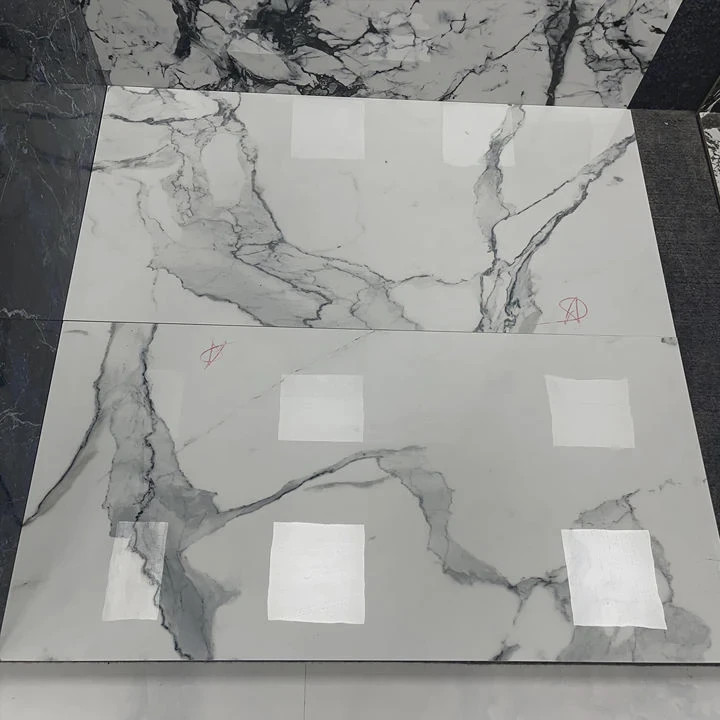
White vinegar is a common cleaning product that contains mild acetic acid. This acid can soften certain grout residues and make cleaning easier.
Why Vinegar Works
Cement-based grout contains minerals that react to acidic solutions.
When vinegar contacts light grout residue, it may:
- Loosen surface haze
- Break down mineral buildup
- Reduce stubborn residue
- Improve cleaning effectiveness
This reaction can simplify the removal process.
Basic Vinegar Cleaning Method
A simple process often works well for grout haze.
Step 1: Prepare the Solution
Mix:
- Equal parts white vinegar and warm water
For heavier residue, some people use stronger concentrations.
Step 2: Apply to the Surface
Use:
- Soft sponge
- Microfiber cloth
- Spray bottle
Allow the solution to remain on the residue for several minutes.
Step 3: Scrub Gently
Use:
- Nylon pad
- Soft brush
- Sponge
Avoid aggressive scrubbing.
Step 4: Rinse Thoroughly
Clean water removes loosened particles and prevents residue from remaining on the tile.
When Vinegar Is Most Effective
Vinegar works best for:
- Grout haze
- Thin residue
- Light mineral deposits
- Recent grout stains
It is less effective for large chunks of hardened grout.
Situations Where Vinegar Should Not Be Used
Many people assume vinegar is safe for every tile surface. This is not true.
Avoid vinegar on:
- Marble
- Limestone
- Travertine
- Onyx
- Other natural stone surfaces
The acid can etch and permanently damage these materials.
Testing Before Full Application
Before treating a large area, I always test a small hidden section.
This quick test helps verify:
- Surface compatibility
- Color stability
- Cleaning effectiveness
A few minutes of testing can prevent costly damage.
Vinegar remains one of the most accessible cleaning solutions available. When used correctly on compatible tile surfaces, it can significantly reduce grout haze and simplify the cleaning process.
Why Avoid Scratching Tiles During Grout Removal?
Many people focus only on removing the grout. They forget that the tile itself is often much more valuable than the grout being removed.
Avoiding scratches during grout removal protects the tile’s appearance, preserves its finish, and prevents permanent damage that may be impossible to repair.
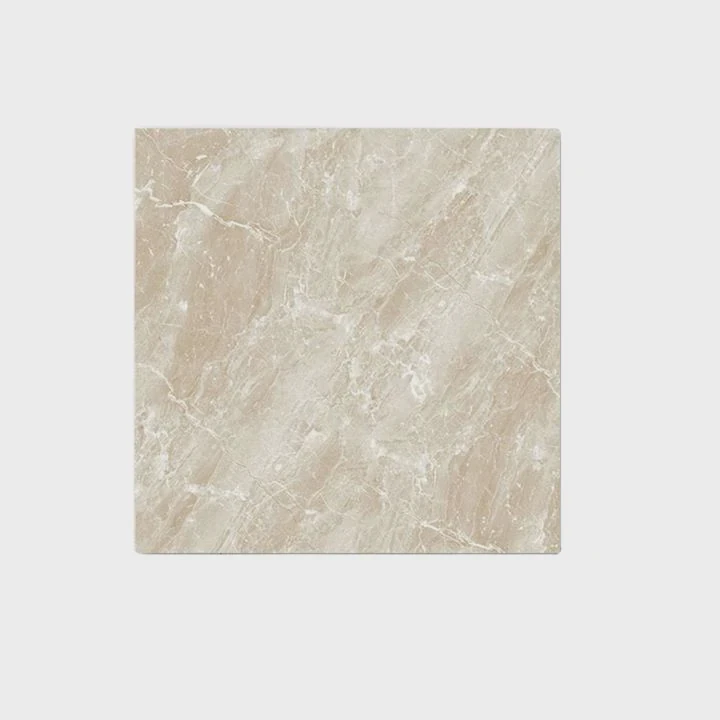
Tile surfaces vary greatly in hardness and durability. Some porcelain tiles resist scratches very well. Other materials can be damaged surprisingly easily.
Scratches Are Often Permanent
Once a tile surface becomes scratched, repair options are limited.
Possible consequences include:
- Visible marks
- Reduced shine
- Surface discoloration
- Increased dirt accumulation
In many cases, replacing the tile becomes the only solution.
High-Risk Tools
Certain tools increase the risk of scratching.
Examples include:
- Metal putty knives
- Steel wool
- Screwdrivers
- Razor blades
- Wire brushes
These tools may remove grout quickly, but they can also leave permanent marks.
Tile Types With Greater Scratch Risk
Some tiles require extra caution.
| Tile Type | Scratch Sensitivity |
|---|---|
| Polished porcelain | Moderate |
| Glossy ceramic | Moderate |
| Marble | High |
| Travertine | High |
| Glass tile | Very high |
| Mosaic glass | Very high |
Understanding the material helps determine the safest removal method.
How Scratches Affect Appearance
Even small scratches can become highly visible under lighting.
Common problems include:
- Light reflection changes
- Dull spots
- Uneven surface texture
On glossy surfaces, scratches often stand out immediately.
Safe Scraping Techniques
When scraping grout residue, I prefer to:
- Hold tools at a low angle
- Apply gentle pressure
- Work slowly
- Keep the tool edge flat
This reduces the chance of gouging the tile surface.
Use Lubrication When Possible
Moisture can help reduce friction.
Water or approved cleaning solutions often:
- Soften residue
- Improve tool movement
- Lower scratching risk
Dry scraping usually creates more problems.
The Cost of Tile Damage
A small grout issue may take minutes to fix.
A scratched tile can require:
- Professional polishing
- Tile replacement
- Additional labor
- Material matching
Protecting the tile should always remain the highest priority. Removing grout is important, but preserving the finished surface is even more important.
Which Methods Are Safest for Delicate Tiles?
Delicate tiles require a different approach than standard ceramic or porcelain products. Aggressive cleaning methods can cause permanent damage in a very short time.
The safest methods for delicate tiles include soft cloth cleaning, plastic scrapers, pH-neutral cleaners, gentle soaking, and careful manual removal techniques.
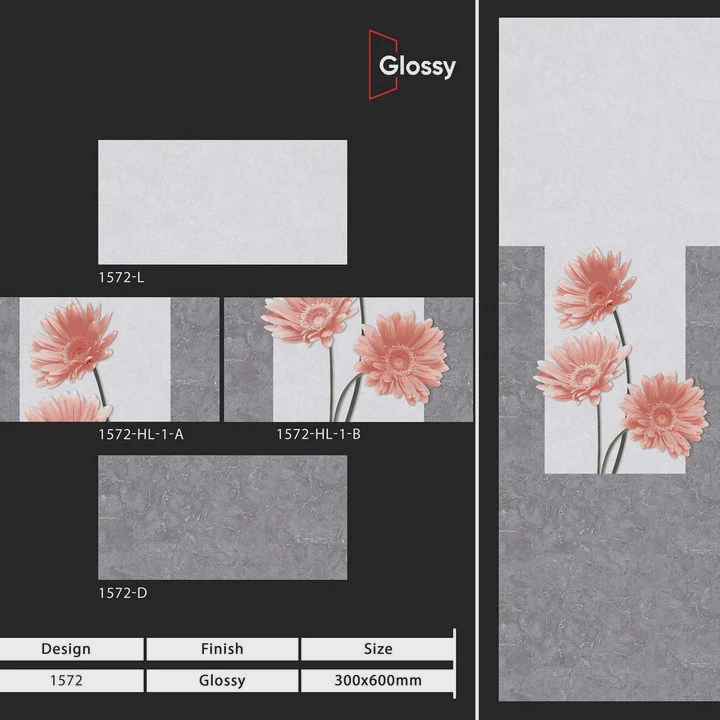
Not every tile surface responds well to traditional grout removal methods. Natural stone, polished finishes, and decorative tiles often need special care.
Understanding Delicate Tile Categories
Several tile types require extra protection.
These include:
- Marble
- Travertine
- Limestone
- Glass tile
- Polished stone
- Handmade decorative tile
These materials may scratch, stain, or etch more easily than standard porcelain.
Safest Cleaning Materials
For delicate surfaces, I usually start with the least aggressive materials available.
Recommended options include:
- Microfiber cloths
- Soft sponges
- Plastic scrapers
- Wooden sticks
- Soft nylon brushes
These tools provide better control while reducing damage risk.
Use pH-Neutral Cleaners
Many harsh cleaners contain acids or strong alkalis.
A pH-neutral cleaner helps:
- Protect finishes
- Reduce discoloration
- Preserve sealers
- Maintain shine
This is especially important for natural stone surfaces.
Gentle Soaking Method
When grout residue is thin, soaking often works well.
Step 1: Dampen the Surface
Apply warm water using a sponge.
Step 2: Allow Softening Time
Wait several minutes to loosen the residue.
Step 3: Wipe Carefully
Use a microfiber cloth or soft nylon pad.
Step 4: Repeat if Necessary
Several gentle cycles are often safer than one aggressive cleaning attempt.
Special Care for Glass Tiles
Glass tile is beautiful but vulnerable to scratches.
For glass surfaces:
- Avoid metal tools
- Avoid abrasive pads
- Use plastic scrapers only
- Work under good lighting
Even tiny scratches can become visible.
Special Care for Natural Stone
Natural stone presents additional challenges.
Avoid Acidic Products
Do not use:
- Vinegar
- Lemon juice
- Acid-based cleaners
These products can etch the stone surface.
Maintain Sealers
Many stone tiles rely on protective sealers.
Gentle cleaning helps preserve:
- Water resistance
- Color depth
- Surface appearance
Best Practice for Sensitive Surfaces
The safest approach follows a simple progression:
| Step | Action |
|---|---|
| 1 | Test a hidden area |
| 2 | Use the gentlest cleaner |
| 3 | Start with soft tools |
| 4 | Increase cleaning strength gradually |
| 5 | Stop if surface damage appears |
This method minimizes risk while still achieving effective grout removal.
Over many years of tile installation and maintenance work, one lesson remains consistent: patience protects delicate surfaces. Working slowly often delivers better results than using force. A few extra minutes of careful cleaning can preserve the beauty of the tile for many years.
Conclusion
Removing dried grout from tile requires the right balance between effectiveness and surface protection. Plastic scrapers, gentle cleaning methods, and proper grout-softening techniques help remove residue safely, while careful attention to tile type ensures the surface remains attractive and damage-free.
- Pre: How to Use Manual Tile Cutter?
- Next: Sorry!