How to Use Manual Tile Cutter?
- Sinotiles
- 2026-06-10
Many DIY installers and even first-time contractors struggle with uneven tile cuts, chipped edges, and wasted materials. A manual tile cutter looks simple, but improper use often leads to costly mistakes and frustrating results.
To use a manual tile cutter, measure and mark the tile, align it on the cutter bed, score the surface with consistent pressure, and then snap the tile along the scored line. Success depends on accuracy, pressure control, and choosing tiles suitable for manual cutting.
A manual tile cutter remains one of the most popular tools in tile installation because it is fast, clean, and does not require electricity. Understanding the correct techniques can improve cutting quality, reduce waste, and help achieve professional-looking tile installations.
What Steps Are Involved in Using a Tile Cutter?
Many tile cutting problems begin before the blade ever touches the tile. Poor preparation often causes inaccurate cuts, wasted material, and installation delays.
The basic steps involve measuring the tile, marking the cut line, positioning the tile correctly, scoring the surface once, and snapping the tile cleanly along the scored mark. Each step plays an important role in achieving a straight and accurate cut.
Manual tile cutters are designed to simplify tile installation. Unlike wet saws, they create no water mess and produce very little dust. However, they require proper technique to work effectively.
Step 1: Measure Carefully
Accurate measurements are the foundation of every successful tile project.
Before cutting, I always measure the installation area twice. Small measurement errors can become very visible once the tiles are installed.
Common measuring tools include:
- Tape measure
- Steel ruler
- Framing square
- Marking pencil
- Wax marker
Careful measuring reduces waste and improves layout consistency.
Step 2: Mark the Tile
After measuring, transfer the dimensions onto the tile surface.
The mark should be:
- Straight
- Visible
- Easy to follow
A fine pencil or tile marker usually works well.
Step 3: Position the Tile
Place the tile firmly against the cutter’s guide fence.
The marked line should align directly beneath the scoring wheel.
Before scoring, double-check:
| Inspection Point | Purpose |
|---|---|
| Tile alignment | Ensures straight cuts |
| Guide fence position | Maintains accuracy |
| Tile stability | Prevents movement |
| Mark visibility | Helps scoring precision |
Even a slight shift can affect the final result.
Step 4: Score the Surface
The scoring wheel creates a controlled weakness along the cut line.
The wheel should travel from one edge of the tile to the other in a single smooth motion.
Many beginners make the mistake of scoring several times.
One pass is usually enough.
Step 5: Snap the Tile
Once scored, the breaker foot applies pressure to both sides of the score line.
The tile should break cleanly along the weakened path.
A properly scored tile often produces a smooth and straight edge.
Step 6: Inspect the Cut
After snapping, inspect both pieces carefully.
Look for:
- Edge chips
- Uneven breaks
- Surface cracks
- Corner damage
Minor imperfections can often be smoothed using a rubbing stone.
Common Mistakes During Tile Cutting
Many cutting issues occur because installers rush the process.
Typical mistakes include:
- Measuring only once
- Scoring multiple times
- Applying excessive force
- Misaligning the tile
- Using a damaged scoring wheel
A manual tile cutter works best when every step is performed carefully. The tool itself is simple, but consistent technique makes a significant difference in the final result.
How Do You Score Tiles Accurately?
A clean snap begins with a proper score line. If the score is uneven, too shallow, or crooked, the tile may break in an unexpected direction.
Accurate scoring requires proper tile alignment, a sharp scoring wheel, steady movement, and consistent pressure from start to finish. The goal is to create one continuous score line that guides the tile break precisely.

Scoring is often misunderstood. The purpose is not to cut through the tile completely. Instead, it creates a controlled fracture line.
Understand the Purpose of Scoring
The scoring wheel scratches the glazed surface and creates a weak point.
When pressure is later applied, the tile naturally follows that line.
A good score should be:
- Continuous
- Straight
- Visible
- Uniform
The quality of the score directly affects the quality of the break.
Align the Tile Correctly
Alignment is critical.
I always make sure the marked line sits exactly beneath the scoring wheel before beginning.
Many manual cutters include guide rails that help maintain alignment.
If the tile moves during scoring, the cut quality suffers immediately.
Use One Smooth Motion
The scoring wheel should travel across the tile only once.
Repeated scoring can cause:
- Chipping
- Surface damage
- Irregular break lines
- Reduced cutting accuracy
One deliberate pass creates the best result.
Maintain Consistent Speed
Speed matters more than many people realize.
Moving too slowly may create rough scoring.
Moving too quickly may reduce scoring depth.
A steady pace provides the most consistent result.
Check the Scoring Wheel Condition
A worn wheel cannot create a clean score.
Signs of wheel wear include:
| Wheel Condition | Expected Result |
|---|---|
| Sharp wheel | Clean score |
| Moderately worn | Acceptable score |
| Severely worn | Poor break quality |
Regular inspection improves cutting performance.
Listen During Scoring
Experienced installers often listen to the sound produced during scoring.
A consistent scratching sound usually indicates proper contact.
Sudden changes in sound may indicate:
- Uneven pressure
- Wheel damage
- Tile movement
- Surface contamination
Avoid Excessive Force
Many people believe harder pressure creates better scores.
In reality, excessive force may damage the glaze and increase edge chipping.
The goal is controlled pressure, not maximum pressure.
Practice Improves Precision
Every tile material behaves slightly differently.
Porcelain often requires more force than ceramic.
Large-format tiles may require extra attention to alignment.
Over time, scoring becomes easier because the installer develops a better feel for the wheel, the tile surface, and the required pressure.
Accurate scoring remains one of the most important skills in tile installation. A perfect snap usually begins with a perfectly executed score.
Why Is Pressure Control Important When Cutting Tiles?
Many tile cutting failures happen because of improper pressure. Too little force creates weak scores, while too much force can crack or chip the tile before it snaps.
Pressure control is important because it determines score quality, break accuracy, edge cleanliness, and overall cutting success. Balanced pressure creates predictable cuts and minimizes tile waste.
Manual tile cutters rely on controlled force rather than brute strength.
The objective is precision, not power.
Pressure During Scoring
The scoring phase requires moderate and consistent force.
Too little pressure may create:
- Incomplete score lines
- Poor snapping results
- Crooked breaks
Too much pressure may create:
- Glaze damage
- Surface cracks
- Excessive chipping
Finding the correct balance is essential.
Pressure During Snapping
The snapping stage introduces a different type of force.
The breaker foot applies downward pressure at the center of the score line.
The tile then separates along the weakened path.
Pressure Comparison
| Pressure Level | Possible Result |
|---|---|
| Too Low | Tile may not break |
| Correct | Clean straight break |
| Too High | Chipping or cracking |
Controlled force produces the most reliable results.
Different Tiles Require Different Pressure
Not all tiles respond the same way.
Ceramic tiles generally require less pressure.
Porcelain tiles often need stronger scoring and snapping force because of their density.
Factors affecting pressure include:
- Tile thickness
- Tile hardness
- Tile size
- Surface finish
- Manufacturing quality
Preventing Tile Waste
Poor pressure control increases material waste.
Broken tiles represent:
- Higher project costs
- Additional labor
- Material shortages
- Delayed installation
For large projects, even a small reduction in waste can save significant money.
Building Consistency
Consistency matters more than strength.
Many new installers try to force the cutter through difficult tiles.
Experienced installers focus on applying the same controlled pressure every time.
This approach improves:
- Accuracy
- Efficiency
- Edge quality
- Productivity
Signs of Proper Pressure
A correctly scored tile often shows:
- A visible score line
- Minimal chipping
- Smooth snapping action
- Clean cut edges
If tiles repeatedly break incorrectly, pressure control should be one of the first factors examined.
The most effective tile installers understand that manual cutters depend on technique. Proper pressure transforms a simple hand tool into a highly accurate cutting system.
Which Tiles Can Be Cut With Manual Cutters?
Many people assume manual cutters work on every tile. In reality, tile composition, thickness, and hardness all influence cutting performance.
Manual tile cutters work best on ceramic tiles and many porcelain tiles. Some natural stone, textured, extra-thick, or specialty tiles may require a wet saw or other cutting equipment instead.
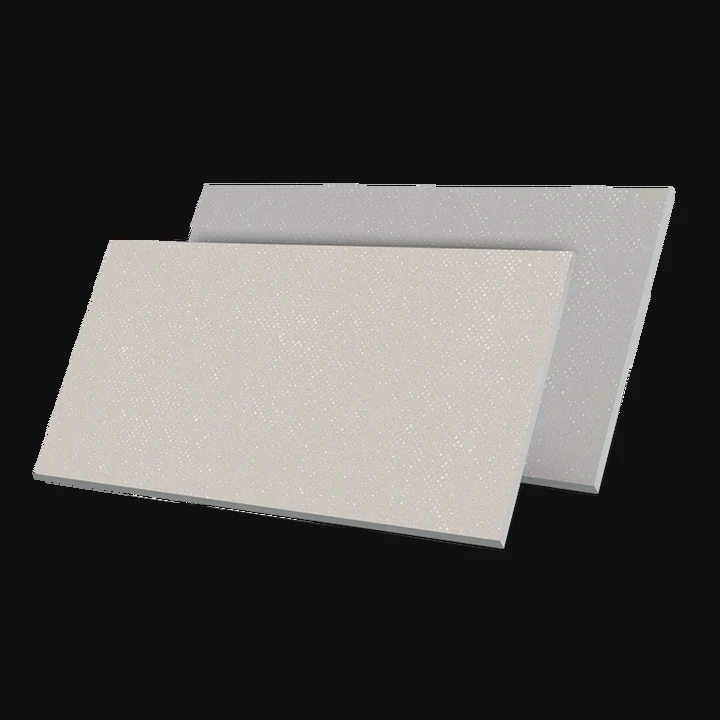
Choosing the correct cutting tool begins with understanding the tile material.
Ceramic Tiles
Ceramic tiles are the easiest material to cut with a manual cutter.
Benefits include:
- Smooth scoring
- Clean snapping
- Low breakage rate
- Fast cutting speed
Most residential wall tile installations use ceramic products that work very well with manual cutters.
Porcelain Tiles
Porcelain is denser than ceramic.
Modern heavy-duty manual cutters can handle many porcelain tiles successfully.
However, cutting performance depends on:
- Tile thickness
- Density
- Cutter quality
- Scoring technique
High-quality cutters generally perform better on porcelain.
Large Format Tiles
Large-format tiles have become increasingly popular in modern design.
Common sizes include:
- 600x600 mm
- 600x1200 mm
- 750x1500 mm
- 900x1800 mm
Many professional-grade manual cutters can accommodate large formats, provided the cutter length matches the tile size.
Tile Compatibility Overview
| Tile Type | Manual Cutter Suitable? |
|---|---|
| Ceramic | Excellent |
| Standard Porcelain | Very Good |
| Thin Porcelain | Excellent |
| Glass Tile | Limited |
| Marble | Limited |
| Granite | Not Recommended |
| Natural Stone | Limited |
| Mosaic Sheets | Usually Not Suitable |
Glass Tiles
Glass behaves differently from ceramic and porcelain.
While some specialized manual cutters can handle glass, wet saws often produce cleaner edges.
Glass is more prone to:
- Chipping
- Edge splintering
- Surface damage
Natural Stone Tiles
Natural stone materials such as marble, granite, and slate are much less predictable.
Internal grain patterns can cause uneven breaks.
Wet saws generally provide better results for these materials.
Textured and Decorative Tiles
Highly textured surfaces can create scoring challenges.
Decorative finishes may:
- Interrupt wheel contact
- Reduce score consistency
- Increase break variability
Testing a sample tile first is often helpful.
Understanding Cutter Limitations
Every cutter has a maximum cutting capacity.
Before beginning a project, I always check:
- Maximum tile thickness
- Maximum tile length
- Cutter construction quality
- Wheel condition
Using the right cutter for the material significantly improves cutting quality.
Manual tile cutters remain one of the most efficient tools for ceramic and porcelain installations. When matched with the correct tile type and proper technique, they deliver fast, accurate, and professional results without the mess of powered cutting equipment.
Conclusion
Using a manual tile cutter successfully requires accurate measuring, proper tile alignment, consistent scoring, controlled pressure, and selecting tiles suitable for manual cutting. Mastering these basic techniques helps produce cleaner cuts, reduces waste, and creates a smoother and more professional tile installation process.