How to Remove Tile Adhesive?
- Sinotiles
- 2026-05-13
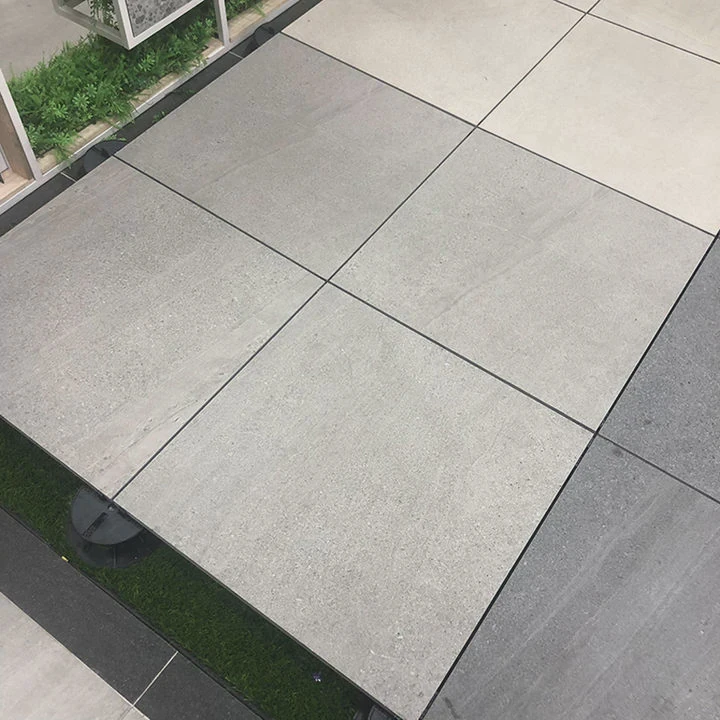
Old tile adhesive can make floors rough and messy. Removing it incorrectly risks damaging the underlying tiles.
Effective tile adhesive removal combines proper techniques, gentle scraping, and sometimes chemical solvents to clean surfaces without harming tiles.
Using the right methods ensures a smooth surface ready for new tiles while preventing scratches or cracks.
What Techniques Remove Adhesive Without Damaging Tiles?
Several methods exist to remove adhesive carefully. Choosing the correct approach prevents tile damage.
Techniques like gentle scraping, heat application, and soft chemical solutions allow adhesive removal while preserving tile integrity.
Manual scraping with a plastic or metal scraper works for thin adhesive layers. For stubborn adhesive, applying gentle heat can soften it, making scraping easier. Soft chemical removers dissolve the residue without harsh abrasion.
Recommended Techniques Table
| Technique | Best Use Case | Notes |
|---|---|---|
| Manual scraping | Thin adhesive | Use controlled pressure |
| Heat gun or infrared | Hardened adhesive | Softens adhesive for easy removal |
| Chemical solvent | Stubborn or thick residue | Test first on small area |
| Combination method | Large or uneven surfaces | Heat + scraper or solvent |
Using these methods carefully reduces the risk of scratches, chips, or grout damage. Always start with the least aggressive approach.
How Can Solvents Dissolve Tile Adhesive Residue?
Some adhesives resist scraping alone. Solvents break down the bond, making removal easier.
Solvents or adhesive removers soften dried residue, allowing scraping without excessive force, and help clean tiles more efficiently.
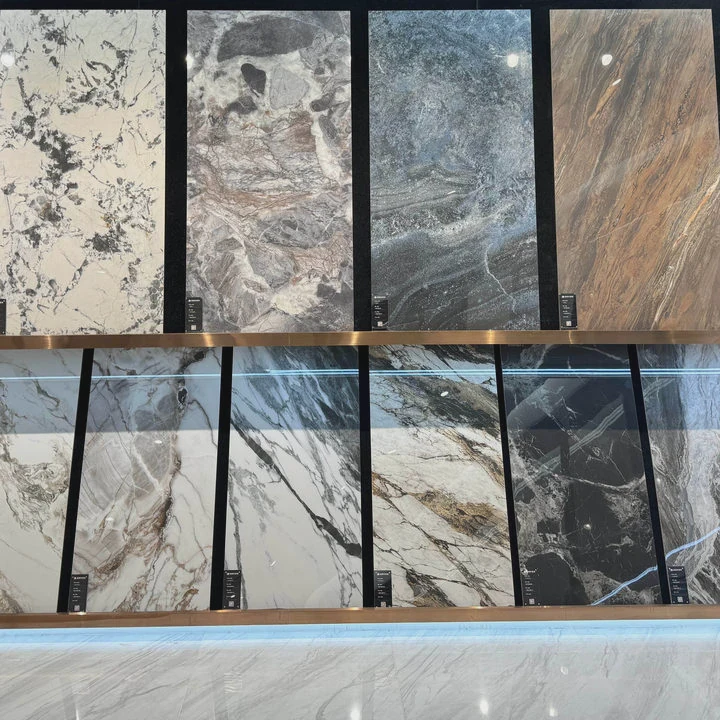
Solvent type depends on the adhesive. Water-based adhesives respond to mild solutions, while epoxy or synthetic adhesives may require stronger chemical removers. Always follow product instructions and ensure good ventilation.
Solvent Use Tips
- Apply the solvent evenly on the adhesive.
- Let it sit for the recommended time to soften the residue.
- Use a scraper to gently lift the adhesive.
- Rinse the area after removal to prevent chemical residue.
- Repeat if necessary for stubborn patches.
Using the right solvent reduces effort and minimizes the risk of tile surface damage. Protective gloves and safety goggles are essential during this process.
Why Scrape Gently When Removing Adhesive Layers?
Excessive force can damage the tile surface or loosen surrounding grout. Gentle scraping ensures control and avoids scratches.
Scraping gently prevents tile chipping, preserves grout lines, and allows adhesive to be removed evenly.
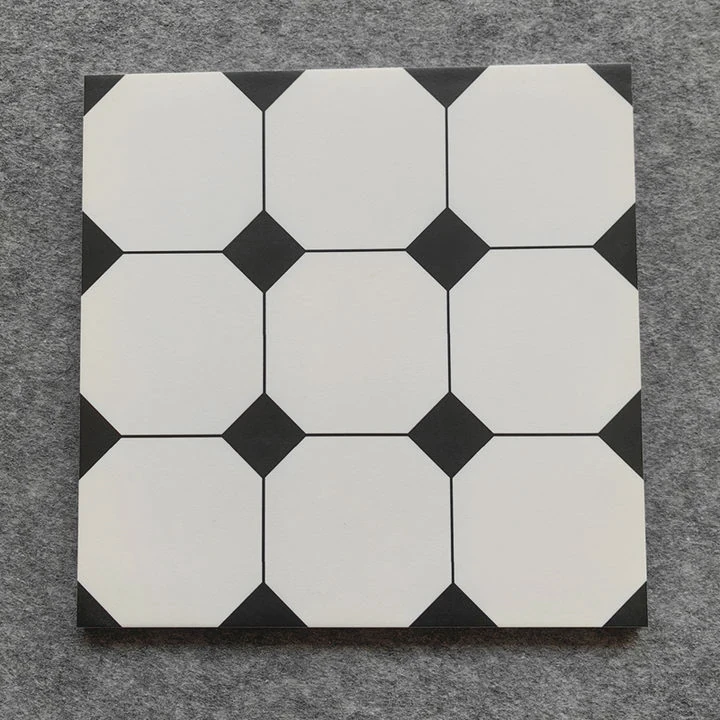
Use controlled, short strokes instead of aggressive scraping. For large areas, work in sections to maintain balance and control. Micro scratches can be avoided by using plastic or soft metal scrapers and avoiding overly sharp or hard tools.
Gentle Scraping Guidelines
| Tip | Reason | Notes |
|---|---|---|
| Use short, controlled strokes | Prevent tile scratches | Avoid forceful scraping |
| Start from edges | Reduce stress on tile | Work toward center |
| Use proper angle | Lifts adhesive without damage | Keep scraper flat against surface |
| Combine with heat or solvent | Makes adhesive removal easier | Less physical effort required |
Gentle scraping ensures a smooth surface ready for new tiles, reducing the need for repair or refinishing.
Which Tools Are Best for Adhesive Removal Tasks?
Choosing the right tools improves efficiency and protects tiles. Both manual and powered tools can be used depending on adhesive thickness.
Plastic scrapers, chisels, oscillating tools, and floor grinders help remove tile adhesive effectively while minimizing damage.
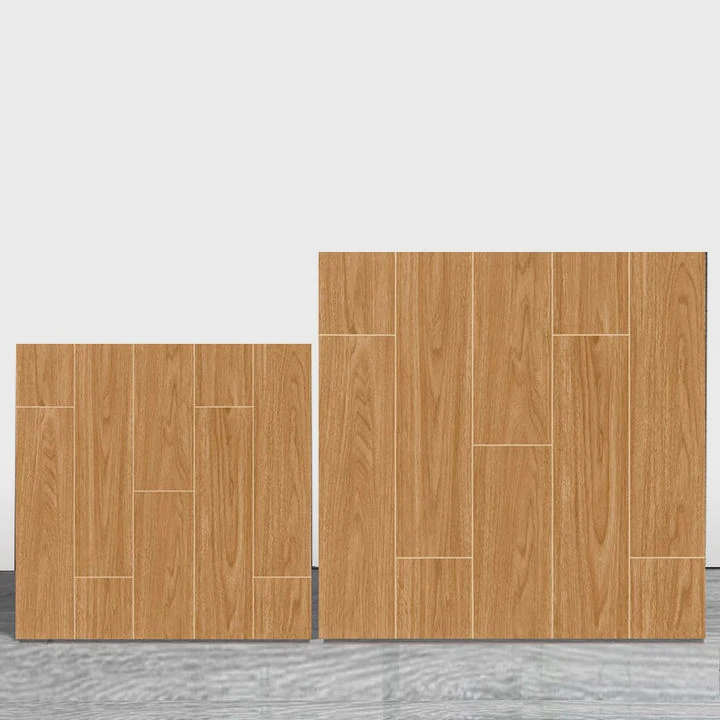
Manual tools are ideal for small areas or delicate surfaces. Powered tools speed up large-scale removal but require careful handling to prevent scratches.
Tool Selection Table
| Tool Type | Best Use Case | Notes |
|---|---|---|
| Plastic scraper | Thin adhesive, delicate tiles | Gentle, safe on surfaces |
| Metal chisel | Thick adhesive | Use controlled force |
| Oscillating multi-tool | Medium areas, detailed removal | Fits corners and edges |
| Floor grinder | Large or industrial floors | Requires experience and caution |
Proper tool selection depends on the tile type, adhesive thickness, and work area. Combining tools with heat or chemical solvents often produces the fastest, cleanest results.
Conclusion
Removing tile adhesive safely requires gentle scraping, heat application, and sometimes solvents. Using the right techniques and tools prevents tile damage, preserves grout, and ensures a clean surface ready for new installations. Patience and careful handling result in smooth, durable floors.