What Drill Bit for Tile?
- Sinotiles
- 2026-05-13
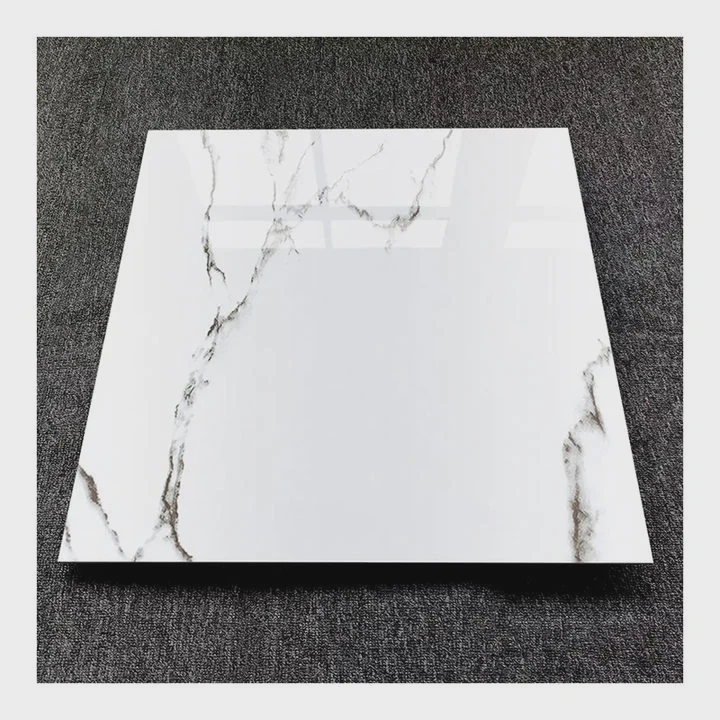
Drilling into tiles can be tricky, and using the wrong tools can ruin your project. Many face cracks, chips, or slow progress when drilling tile surfaces.
Choosing the right drill bit for tile ensures clean holes, reduces breakage, and saves time. Different tiles require specific bits for best results.
Understanding which bit to pick and how to use it is key. This guide will help you drill safely and efficiently without damaging tiles.
Which drill bits work best for ceramic tiles?
Drilling ceramic tiles with the wrong bit often results in cracks or uneven holes. Many make this mistake by using standard wood or metal bits.
Carbide-tipped and diamond-tipped drill bits work best for ceramic tiles. They are designed to cut through hard surfaces without chipping.
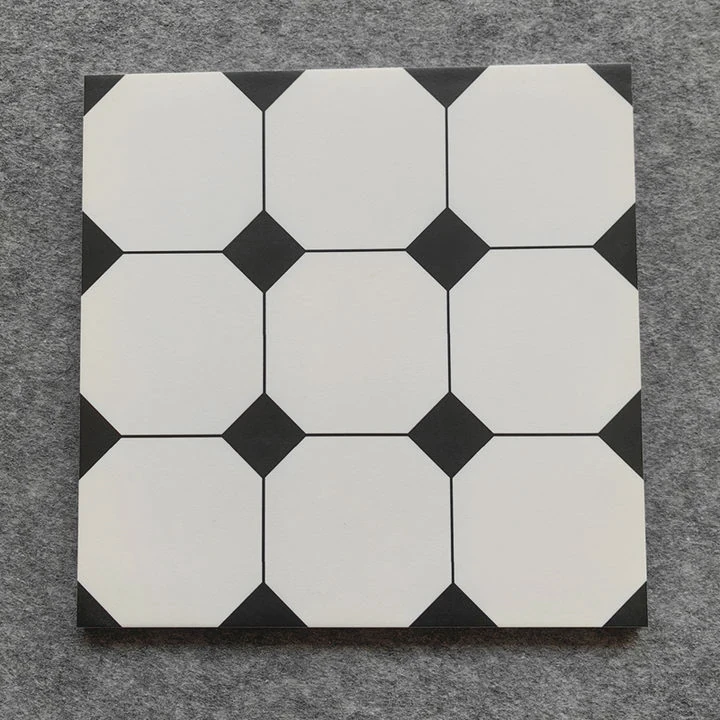
When choosing bits, consider the tile’s glaze and density. Carbide-tipped bits are great for general ceramic tiles, especially when the tiles are thin or moderately hard. Diamond-tipped bits are stronger and ideal for very hard or large-format tiles.
Tips for using ceramic drill bits
- Mark your spot clearly with a pencil or tape.
- Start slow to avoid slipping.
- Do not force the drill; let the bit cut at its own pace.
- Use masking tape on glossy surfaces to prevent wandering.
| Drill Bit Type | Best For | Notes |
|---|---|---|
| Carbide-tipped | Ceramic tiles, porcelain | Affordable, easy to find |
| Diamond-tipped | Hard ceramic, large tiles | Long-lasting, more expensive |
| Masonry bit | General tiling work | Works but may chip delicate tiles |
Understanding bit type avoids frustration. Many beginners try standard bits and end up breaking tiles, which delays projects and increases cost. Proper bits make drilling smoother and more predictable.
How does tile hardness affect drill bit choice?
Tile hardness varies widely. Ceramic tiles are softer than porcelain, and natural stone is harder than both. Using the wrong bit can cause cracks or blunt the tool.
Tile hardness determines the type of drill bit needed. Softer tiles require standard carbide, while harder tiles need diamond or specialized masonry bits.
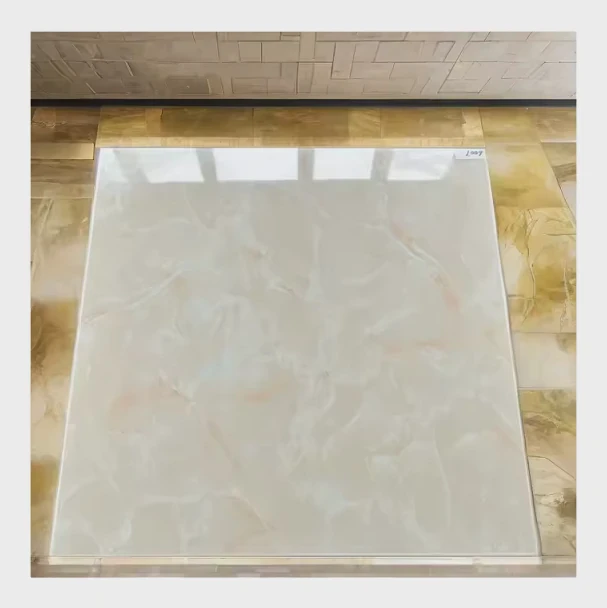
Measuring tile hardness
Tiles are often rated by PEI (Porcelain Enamel Institute) scale:
| PEI Rating | Tile Type | Bit Recommendation |
|---|---|---|
| I-II | Residential ceramic | Carbide-tipped bit |
| III-IV | Medium traffic | Carbide or diamond bit |
| V | Heavy traffic | Diamond-tipped bit |
Porcelain tiles are dense and less porous. This makes them harder to drill than ceramic. If you try a standard bit, it may slip or chip the glaze. Diamond-tipped bits cut through dense tiles more efficiently.
Handling different hardness
- Softer ceramic: Slow speed, carbide-tipped bit.
- Porcelain or dense tiles: Diamond-tipped, water lubrication recommended.
- Natural stone tiles: Use diamond core bits for larger holes.
Matching the bit to tile hardness is crucial. It protects the tile and extends the bit’s life. Misjudging hardness is one of the main reasons tiles crack during drilling.
Why use water when drilling tile surfaces?
Drilling tiles generates heat. This heat can damage both the tile and the drill bit. Many beginners ignore this and end up with cracked tiles or dull bits.
Using water cools the bit, reduces dust, and minimizes the risk of cracking. It keeps the drill cutting efficiently and extends bit life.
Methods of water use
- Wet sponge method: Place a damp sponge near the drilling point.
- Continuous drip: Slowly pour water onto the spot.
- Small bowl: Dip the bit occasionally for cooling.
Water reduces friction between the bit and the tile surface. It also prevents overheating, which can lead to micro-cracks invisible until the tile is installed.
Why it matters
Overheated bits lose sharpness quickly. For diamond-tipped bits, dry drilling may be possible but will reduce the bit’s lifespan. Wet drilling keeps both the tile and bit safe, especially for porcelain and natural stone.
Safety tips
- Wear safety glasses to protect from flying debris.
- Avoid electric shock; ensure your drill is protected from water.
- Keep hands stable to maintain control and avoid slipping.
Using water may seem simple, but it prevents expensive mistakes and ensures professional-quality results. Even a small drop can make drilling smoother.
What speed settings prevent tile cracking?
Tile drilling requires controlled speed. Too fast and the tile may crack. Too slow and you waste time. Many beginners use standard wood or metal settings, causing damage.
Low to medium speed settings prevent tile cracking. Start slow and gradually increase if needed.
Recommended speed guidelines
| Drill Type | Speed Range (RPM) | Notes |
|---|---|---|
| Handheld electric | 400-800 | Start slow, increase gradually |
| Hammer drill | Avoid hammer mode | Use rotary only for tiles |
| Cordless drill | Low torque setting | Prevent slipping and overheat |
Starting with low speed gives you control. Press lightly and let the bit cut naturally. For large tiles or harder materials, medium speed is safer. Hammer mode is only for masonry; it can break tiles.
Additional tips
- Use a guide or template to keep drill steady.
- Apply even pressure, never force the bit.
- Mark tile with tape to reduce wandering.
- Check bit frequently for heat and wear.
Proper speed preserves the tile surface. It ensures the hole is round and smooth. Too fast leads to chipping, while too slow wastes effort. The right speed balances efficiency and safety.
Practical example
I once drilled 600×600 porcelain tiles for a commercial project. Using a diamond-tipped bit with water at 500 RPM created perfect holes. Without water or slow speed, the edges would have chipped, wasting both time and tiles. This shows speed and cooling are as important as the bit itself.
Conclusion
Selecting the right drill bit, matching it to tile hardness, using water, and controlling speed all prevent cracks and ensure smooth drilling. Proper technique saves time, money, and frustration when working with tiles.